How Whales Navigate the Oceans
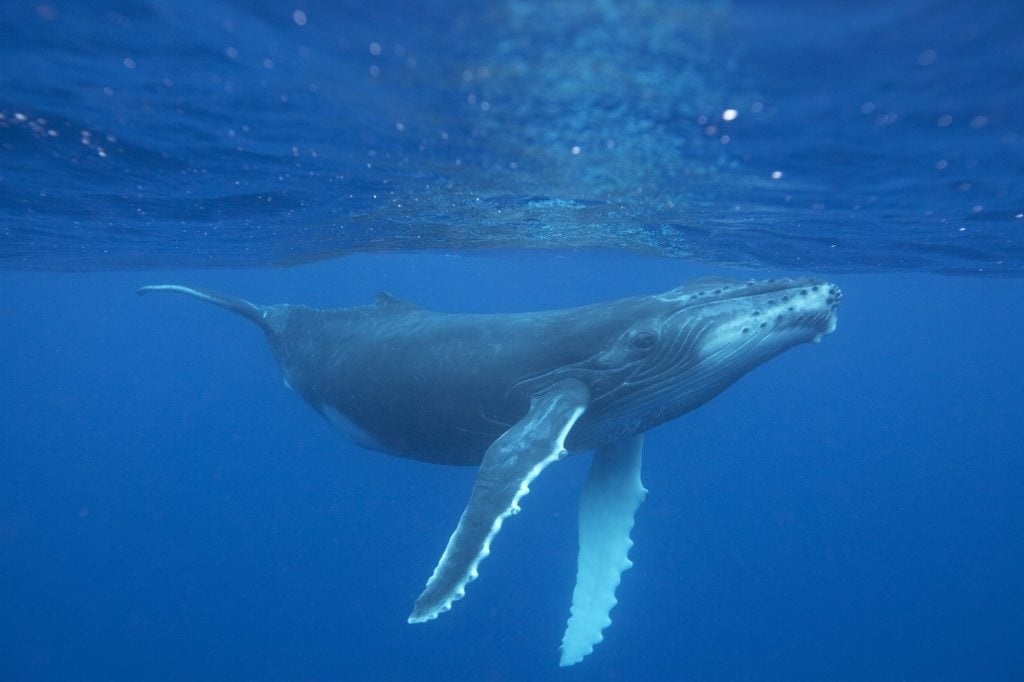
Imagine traversing the vast, seemingly featureless ocean. No roads, no signs, just endless blue. How do whales, some of the largest creatures on Earth, navigate these immense distances, often migrating thousands of miles each year? It's a question that has fascinated scientists and nature enthusiasts alike for decades.
Ever felt lost, even with a GPS? Now, imagine not having that technology, and needing to find your way across entire oceans to specific feeding or breeding grounds. The challenges whales face are immense, considering the dynamic nature of ocean currents, the darkness at deeper levels, and the sheer scale of their environment.
Whales navigate the oceans using a complex combination of methods, including echolocation, sensitivity to the Earth's magnetic field, visual cues, and even memory of past routes passed down through generations. The precise weighting of each method varies depending on the species and the specific environment.
In essence, whales are master navigators, utilizing a multi-sensory approach to chart their courses. Echolocation provides a "sound map" of their surroundings, while the Earth's magnetic field may act as a compass. Visual cues, such as coastlines and even the position of the sun, play a role when available. Finally, learned migration routes, passed down through generations, provide a crucial framework for their long journeys. This combination of innate ability and learned behavior allows these magnificent creatures to thrive in the vast expanse of the oceans.
Echolocation: Seeing with Sound
I remember the first time I heard about echolocation. I was watching a nature documentary, and they described how bats use sound waves to "see" in the dark. It blew my mind! To think that an animal could create a mental image of its surroundings simply by emitting sounds and interpreting the echoes. When I learned that whales, especially toothed whales, use a similar system, it only deepened my fascination. These incredible animals emit clicks and whistles that bounce off objects in the water, providing them with information about the size, shape, distance, and density of those objects. Think of it as a biological sonar system, refined over millions of years of evolution. The lower frequencies can travel farther distances than the higher ones. The amazing part is that it works in murky or dark water, when visual cues are limited. Echolocation is crucial for finding prey, avoiding obstacles, and communicating with other whales in their pod. The sounds are produced in the nasal passages and focused by the melon, a fatty organ in the whale's forehead. The returning echoes are received by the lower jaw, which is connected to the inner ear. This sophisticated system allows whales to "see" their underwater world in incredible detail.
Magnetic Field Detection: An Internal Compass
Beyond sound, whales may also possess a magnetic sense, using the Earth's magnetic field as a compass. This is based on the observation that many whale migration routes follow lines of magnetic force. While the exact mechanism is still not fully understood, scientists believe that whales may have specialized cells containing magnetite, a magnetic mineral, which allows them to detect changes in the Earth's magnetic field. Think of it like having an internal GPS that doesn't rely on satellites. Whales navigate by detecting variations in the Earth's magnetic field. This helps them maintain direction and locate specific destinations. It is also thought that changes to ocean climate or pollution could disturb this sense of direction, and may play a factor in a whale beaching.
The Role of Visual Cues: When Sight Matters
While echolocation and magnetic field detection are crucial for long-distance navigation, visual cues also play a role, especially in shallower waters and during daylight hours. Whales can recognize coastlines, landmarks, and even the position of the sun to orient themselves. Historical records and myths about whales often depict them as intelligent creatures with a strong sense of direction, capable of navigating vast distances with remarkable accuracy. In some cultures, whales are revered as guides and protectors of the sea, their movements seen as deliberate and purposeful. As for the history, whale oil and whale bones have been used for many years, which meant a lot of time was spent hunting them. It is thought some species were hunted almost to extinction.
Secrets of Whale Song: Communication and Navigation
Whale songs, particularly those of humpback whales, are complex and beautiful sequences of sounds that can travel for hundreds of miles. While the primary purpose of these songs is thought to be related to mating, some scientists believe that they may also play a role in navigation. Whales might use these songs to create a sonic map of the ocean, using the way the sounds travel and echo to understand their surroundings. The pitch and tone of the sounds can provide clues about the environment. In addition, the songs can be passed down through generations, teaching younger whales about migration routes and feeding grounds. Each pod may have its unique "dialect," allowing whales to identify their own group and maintain social cohesion. This complex system of communication and navigation is just one of the many secrets hidden within the depths of the ocean.
Conservation and the Future of Whale Navigation
Human activities, such as shipping traffic, sonar use, and climate change, can disrupt whale navigation and pose a serious threat to their survival. Noise pollution from ships can interfere with echolocation, making it difficult for whales to find food and communicate. Sonar used by the military can cause temporary or permanent hearing damage, disorienting whales and leading to strandings. Climate change is altering ocean currents and temperatures, which can affect the distribution of prey and disrupt established migration routes. To protect these magnificent creatures, it is crucial to reduce noise pollution, regulate sonar use, and address climate change. Supporting organizations dedicated to whale research and conservation can also make a significant difference. By understanding and mitigating the threats to whale navigation, we can help ensure that these incredible animals continue to thrive in the oceans for generations to come. Consider supporting whale protection organizations such as the Save the Whales organization.
The Impact of Human Activities on Whale Navigation
Human activities have a significant impact on whale navigation. Increased ship traffic, sonar use, and underwater construction generate noise pollution that interferes with echolocation. This makes it difficult for whales to communicate, find food, and avoid obstacles. Climate change is also altering ocean currents and temperatures, disrupting migration routes and affecting the distribution of prey. Entanglement in fishing gear is another major threat, as it can restrict movement and lead to starvation. Oil spills and chemical pollution can contaminate the water and harm whales' health, further impairing their ability to navigate. To protect whales, it's crucial to implement measures to reduce noise pollution, regulate fishing practices, and address climate change. Supporting marine protected areas and advocating for policies that protect ocean ecosystems can also make a significant difference.
Practical Tips for Whale Watching Responsibly
If you're lucky enough to go whale watching, there are several things you can do to minimize your impact on these amazing creatures. Choose a reputable tour operator that follows responsible whale watching guidelines. Maintain a safe distance from the whales and avoid approaching them too closely. Do not make loud noises or sudden movements that could disturb them. Never feed or touch the whales. Be aware of your surroundings and avoid areas with high levels of boat traffic. Respect the whales' natural behavior and observe them from a distance. By following these simple tips, you can help ensure that whale watching is a sustainable and enjoyable experience for both humans and whales. The boat operators should be well-trained on how to approach the whales. Also be sure not to litter while on the boat.
The Future of Whale Research and Conservation
The future of whale research and conservation depends on continued scientific investigation and effective conservation efforts. Researchers are using advanced technologies, such as satellite tracking and acoustic monitoring, to study whale behavior and migration patterns. Genetic analysis is helping to understand whale populations and identify distinct genetic groups. Conservation efforts are focused on reducing threats from human activities, such as noise pollution, entanglement in fishing gear, and climate change. Marine protected areas are being established to provide safe havens for whales and other marine life. International cooperation is essential to address the global threats facing whales. By working together, scientists, conservationists, and policymakers can help ensure that whales continue to thrive in the oceans for generations to come. The continued support of these areas are very important to make a difference.
Fun Facts About Whale Navigation
Did you know that some whales migrate thousands of miles each year, traveling from polar feeding grounds to tropical breeding grounds? Humpback whales, for example, undertake one of the longest migrations of any mammal, traveling up to 16,000 miles round trip. Gray whales migrate from the Arctic to Baja California, where they give birth in warm, sheltered lagoons. These incredible journeys are a testament to the whales' navigational abilities. Whales also have a remarkable sense of time, allowing them to return to the same feeding and breeding grounds year after year. Some whale species are known to use the Earth's magnetic field to navigate, while others rely on echolocation and visual cues. Whale songs, which can travel for hundreds of miles, may also play a role in communication and navigation. These fun facts highlight the incredible adaptations and abilities that allow whales to thrive in the vast oceans.
How Can We Help Whales Navigate More Safely?
We can all play a role in helping whales navigate more safely by reducing our impact on the marine environment. Support policies that regulate noise pollution from ships and sonar use. Reduce your consumption of single-use plastics, which can end up in the ocean and harm marine life. Choose sustainable seafood options to help protect whale prey populations. Support organizations dedicated to whale research and conservation. Educate yourself and others about the threats facing whales and the steps we can take to protect them. By making small changes in our daily lives, we can make a big difference for whales and the health of the oceans.
What If Whales Lost Their Ability to Navigate?
If whales lost their ability to navigate, the consequences would be devastating. They would be unable to find their way to feeding and breeding grounds, leading to population declines and potential extinction. The loss of whales would also have significant impacts on marine ecosystems, as they play a crucial role in nutrient cycling and food web dynamics. Whale poop, for example, is rich in nutrients that fertilize phytoplankton, the base of the marine food web. Whales also help to distribute nutrients throughout the ocean by migrating between different areas. Without whales, the health and resilience of marine ecosystems would be severely compromised.
Top 5 Things You Didn't Know About Whale Navigation
Here's a list of the top five things you may not have known about whale navigation:
- Whales may use the Earth's magnetic field as a compass, similar to birds and sea turtles.
- Whale songs can travel for hundreds of miles and may play a role in communication and navigation.
- Some whale species have specialized cells containing magnetite, a magnetic mineral, which helps them detect changes in the Earth's magnetic field.
- Whales use echolocation to "see" their surroundings in murky or dark water.
- Human activities, such as noise pollution and climate change, can disrupt whale navigation and pose a serious threat to their survival.
Question and Answer Section: How Whales Navigate the Oceans
Question 1: How do whales navigate in the deep ocean where there is little or no light?
Answer: Whales, especially toothed whales, use echolocation to navigate in the deep ocean. They emit clicks and whistles that bounce off objects, creating a "sound map" of their surroundings.
Question 2: Do whales use visual cues to navigate?
Answer: Yes, whales can use visual cues such as coastlines, landmarks, and the position of the sun, especially in shallower waters and during daylight hours.
Question 3: How do human activities affect whale navigation?
Answer: Human activities such as shipping traffic, sonar use, and climate change can disrupt whale navigation by interfering with echolocation, causing hearing damage, and altering ocean currents.
Question 4: Can whales learn migration routes from their parents?
Answer: Yes, whales can learn migration routes from their parents and other members of their pod, passing down knowledge through generations.
Conclusion of How Whales Navigate the Oceans
Whale navigation is a fascinating blend of instinct and learning, utilizing a combination of echolocation, magnetic field detection, visual cues, and learned migration routes. Understanding how whales navigate is crucial for protecting them from the threats posed by human activities and ensuring their survival in the face of a changing ocean. By supporting research and conservation efforts, we can help these magnificent creatures continue to navigate the oceans for generations to come.
0 Response to "How Whales Navigate the Oceans"
Post a Comment