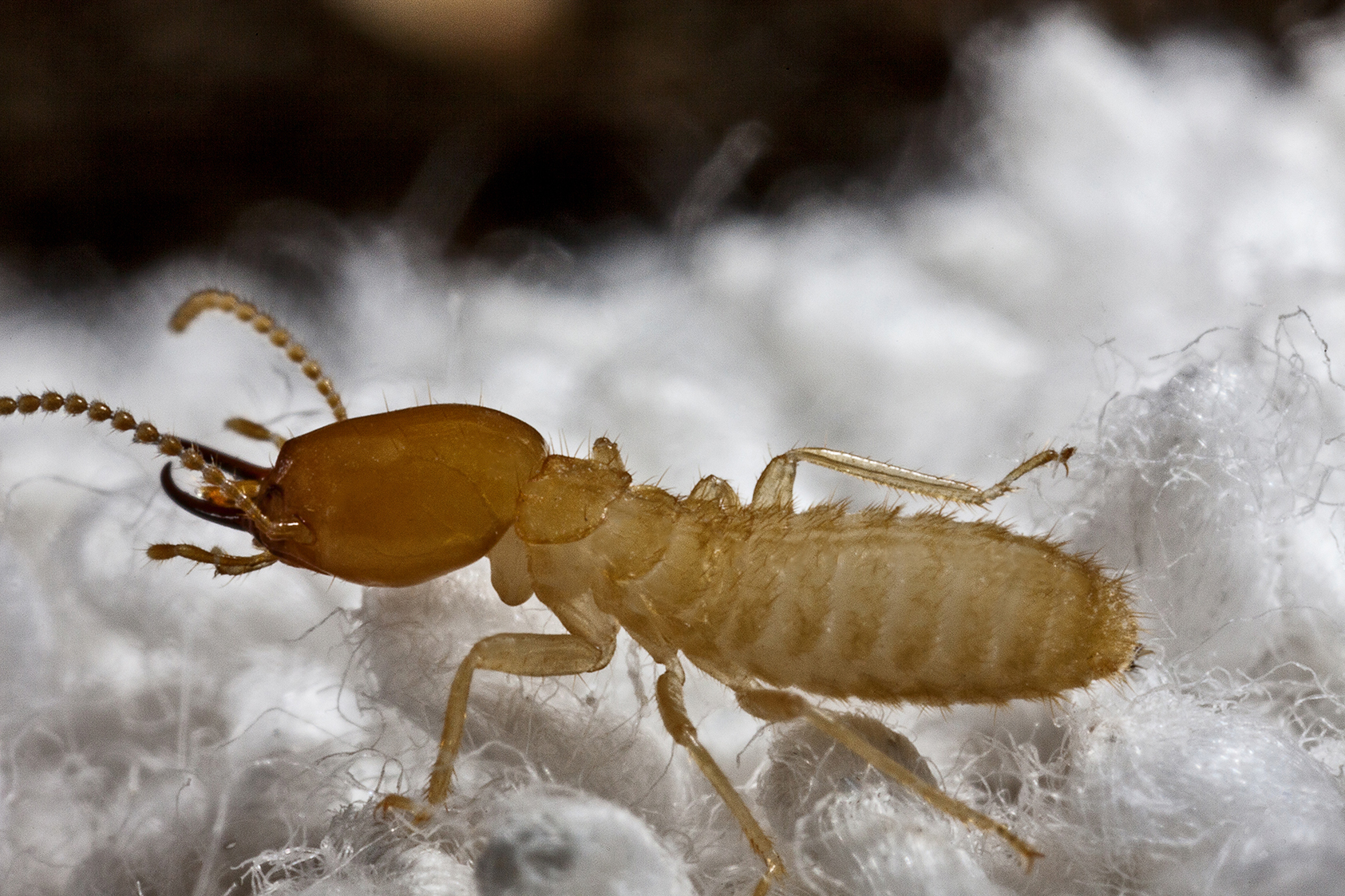
Have you ever stopped to marvel at the incredible engineering feats found not in our cities, but in the natural world? Forget skyscrapers – we're talking about termite mounds, architectural masterpieces that function as sophisticated cooling systems in some of the harshest environments on Earth. Prepare to be amazed by the ingenuity of these tiny architects!
Imagine living in a scorching desert or a humid savanna. Staying cool and comfortable would be a constant challenge. For termites, this isn't just about comfort; it's about survival. Maintaining a stable temperature and humidity within their colony is crucial for the well-being of the entire group, and especially for the queen and her eggs.
Termites build cooling towers, or more accurately, complex mound structures, to regulate the temperature and humidity inside their nests. These mounds aren't just piles of dirt; they're meticulously designed ventilation systems that utilize principles of thermodynamics and convection to keep the colony cool even in extreme heat. They're essentially passive air conditioners powered by the sun and the wind!
So, termite mounds act as natural cooling towers through clever architectural designs. They harness natural processes like convection and evaporation to regulate temperature and humidity inside the colony. Key features include strategically placed vents, a central chimney, and porous walls that allow for air circulation. This bio-inspired engineering provides valuable insights for sustainable building designs in hot climates. Key words: termite mounds, cooling towers, ventilation, bio-inspired architecture, sustainable design.
The Magic of Vents: How Termites Breathe Life into Their Homes
I remember being a kid and visiting a natural history museum. One exhibit that always fascinated me was the termite mound diorama. It looked like just a big dirt pile from the outside, but the cutaway view revealed a labyrinth of tunnels and chambers. I was amazed to learn that those tunnels weren't just random pathways; they were part of a sophisticated air conditioning system.
That’s when I first realized how important vents are in keeping these structures cool. Termite mounds often have strategically placed vents near the base of the mound that open and close depending on the time of day and the weather. During the day, the sun heats the mound, causing the air inside to rise. This creates a natural convection current, drawing cooler air in through the lower vents. At night, the process reverses, with warm air escaping through the upper vents and cooler air entering from below. This constant circulation helps to maintain a stable temperature inside the colony. The number and position of vents are determined by local wind conditions and the need to remove CO2 from the colony.
The Chimney Effect: Natural Convection in Action
Termite mounds use convection, a natural heat transfer process, to cool their nests. The central chimney, a tall, hollow structure within the mound, plays a key role. Sunlight heats the mound's surface, warming the air inside. Hot air rises, creating an upward draft through the chimney. This rising air pulls cooler air from the base, circulating air throughout the nest. The chimney acts like a lung, breathing in cool air and exhaling hot air. This natural ventilation reduces heat and humidity, ensuring a stable environment for the termites to thrive. Termites carefully construct the chimney's height and width to optimize air flow. The design minimizes wind resistance while maximizing the draw of air through the nest.
Myths and Legends: More Than Just Dirt
While we now understand the science behind termite mound construction, in many cultures, these structures are steeped in myth and legend. Some believe they are homes to spirits or hold medicinal properties. The sheer size and complexity of the mounds often lead to speculation about the intelligence and organization of the termites themselves.
One common myth is that termites possess a collective consciousness, a single mind that directs the construction of the mound. While termites certainly exhibit sophisticated cooperative behavior, their actions are driven by instinct and chemical communication, rather than a unified consciousness. They communicate using pheromones, chemical signals that trigger specific behaviors in other termites. These pheromones guide them to build, repair, and defend the mound.
Unlocking the Secrets: Porous Walls and Evaporative Cooling
One of the hidden secrets of termite mound cooling lies in the porous nature of the mound walls. These walls aren't solid; they're riddled with tiny pores that allow for evaporative cooling. As water evaporates from the surface of the walls, it absorbs heat from the surrounding air, lowering the temperature inside the mound. The termites actively manage the moisture content of the mound walls, transporting water from the water table below to keep them damp. This evaporative cooling effect is particularly important in hot, arid environments where it can significantly reduce the temperature inside the colony. This helps explain how termites can live in some of the hottest places on earth, where other creatures would perish.
Bio-Inspired Architecture: Learning from Termites
Termite mound architecture provides valuable lessons for sustainable building design. Architects and engineers are increasingly looking to nature for inspiration, a field known as biomimicry. Termite mounds demonstrate how to create efficient ventilation systems using natural processes, reducing the need for energy-intensive air conditioning. By studying the design principles of termite mounds, we can develop buildings that are more energy-efficient, environmentally friendly, and comfortable to inhabit. Some modern buildings have already incorporated features inspired by termite mounds, such as natural ventilation chimneys and porous building materials.
Sustainable Solutions: Applying Termite Wisdom
The principles behind termite mound cooling can be applied to various sustainable design solutions. For example, incorporating natural ventilation systems into buildings can significantly reduce energy consumption. Using porous building materials can enhance evaporative cooling and improve indoor air quality. By mimicking the termite's approach to climate control, we can create buildings that are more resilient to extreme weather conditions and more environmentally responsible. This approach not only reduces our reliance on fossil fuels but also creates healthier and more comfortable living spaces. The key is to understand the fundamental principles of heat transfer, air flow, and evaporative cooling, and then apply those principles to building design.
Tips for Sustainable Building: Mimicking Termite Ingenuity
If you're interested in incorporating termite-inspired cooling strategies into your own building or home, here are a few tips. First, consider the orientation of your building to maximize shade and minimize direct sunlight exposure. Second, design for natural ventilation by incorporating strategically placed windows and vents. Third, use porous building materials that allow for evaporative cooling. Fourth, plant trees and vegetation around your building to provide shade and reduce the surrounding temperature. Finally, consider incorporating a central chimney or ventilation tower to promote natural air circulation. By implementing these strategies, you can create a more sustainable and comfortable living environment. It's important to consult with an architect or engineer who has experience in sustainable design to ensure that your building is properly designed and constructed.
The Importance of Ventilation
Ventilation is the lifeblood of a termite mound, and it's equally important for human habitations. Proper ventilation not only keeps the building cool but also improves indoor air quality by removing pollutants and moisture. Stale, stagnant air can contribute to a variety of health problems, including allergies, asthma, and respiratory infections. Natural ventilation strategies, such as cross-ventilation and stack ventilation, can significantly improve indoor air quality without the need for energy-intensive mechanical systems. In cross-ventilation, windows are placed on opposite sides of the building to allow air to flow freely through the space. Stack ventilation utilizes a vertical shaft or chimney to create a natural draft, pulling air from the lower levels of the building to the upper levels.
Fun Facts About Termite Mounds
Did you know that some termite mounds can reach heights of over 30 feet? That's taller than some houses! These massive structures can house millions of termites and are incredibly durable, often lasting for decades. Termite mounds are also home to a variety of other creatures, including insects, reptiles, and birds. They serve as important habitats in many ecosystems and play a crucial role in nutrient cycling. Some cultures even use termite mounds as a source of clay for building materials. The sheer scale and complexity of termite mounds are a testament to the incredible engineering abilities of these tiny insects. Their collaborative efforts result in structures that are both functional and aesthetically impressive.
How to Build a Mini Termite Mound (For Educational Purposes!)
While you can't replicate the complex structure of a real termite mound, you can build a mini-mound for educational purposes. Start with a mixture of clay, sand, and water to create a moldable material. Build up a small mound, leaving a central chimney and several vents at the base. Let the mound dry and then observe how air flows through the structure when exposed to sunlight. You can also use a small fan to simulate wind and see how it affects the ventilation. This simple experiment can help you understand the basic principles of termite mound cooling. It's a great way to teach children about science, engineering, and the wonders of the natural world. Remember to use sustainable materials and dispose of the mini-mound responsibly after you're done with it.
What If Termites Disappeared?
If termites disappeared, the consequences for many ecosystems would be significant. Termites play a crucial role in breaking down dead wood and other organic matter, recycling nutrients back into the soil. Their absence would disrupt nutrient cycles and alter the composition of plant communities. In some regions, termite mounds provide important habitats for other animals, and their disappearance would impact biodiversity. While termites can sometimes be pests, they are also essential components of many ecosystems. Their disappearance would have cascading effects throughout the food web. It highlights the interconnectedness of all living things and the importance of biodiversity conservation. It's a reminder that even seemingly insignificant creatures play a vital role in maintaining the health and balance of our planet.
Top 5 Amazing Facts About Termite Mounds
Here are five amazing facts about termite mounds:
- They can be taller than houses.
- They house millions of termites.
- They are sophisticated cooling systems.
- They are home to other creatures.
- They play a crucial role in nutrient cycling.
These facts highlight the remarkable engineering abilities of termites and the importance of their role in the ecosystem. Termite mounds are a testament to the power of natural design and the interconnectedness of all living things. They offer valuable lessons for sustainable building and environmental conservation.
Question and Answer about How Termites Build Cooling Towers
Q: How do termites build such complex structures?
A: Termites use a combination of instinct, chemical communication (pheromones), and cooperative behavior to build their mounds. Each termite follows a specific set of instructions encoded in its genes and communicated through pheromones.
Q: What materials do termites use to build their mounds?
A: Termites use a mixture of soil, saliva, and feces to construct their mounds. The exact composition of the mixture varies depending on the species of termite and the local environment.
Q: How do termites maintain a stable temperature inside the mound?
A: Termites maintain a stable temperature inside the mound through a combination of natural ventilation, evaporative cooling, and thermal mass. The mound's design allows for air circulation, and the porous walls allow for evaporative cooling.
Q: Can humans learn from termite mound architecture?
A: Yes, architects and engineers are increasingly looking to termite mounds for inspiration in designing sustainable buildings. The principles of natural ventilation and evaporative cooling can be applied to create more energy-efficient and environmentally friendly buildings.
Conclusion of How Termites Build Cooling Towers
Termite mounds are more than just dirt piles; they're intricate examples of bio-inspired engineering. These structures showcase the power of natural processes to regulate temperature and humidity, offering valuable lessons for sustainable design. By studying the ingenuity of termites, we can develop more environmentally friendly and energy-efficient buildings that mimic the wonders of the natural world.