How Spiders Build Perfect Webs
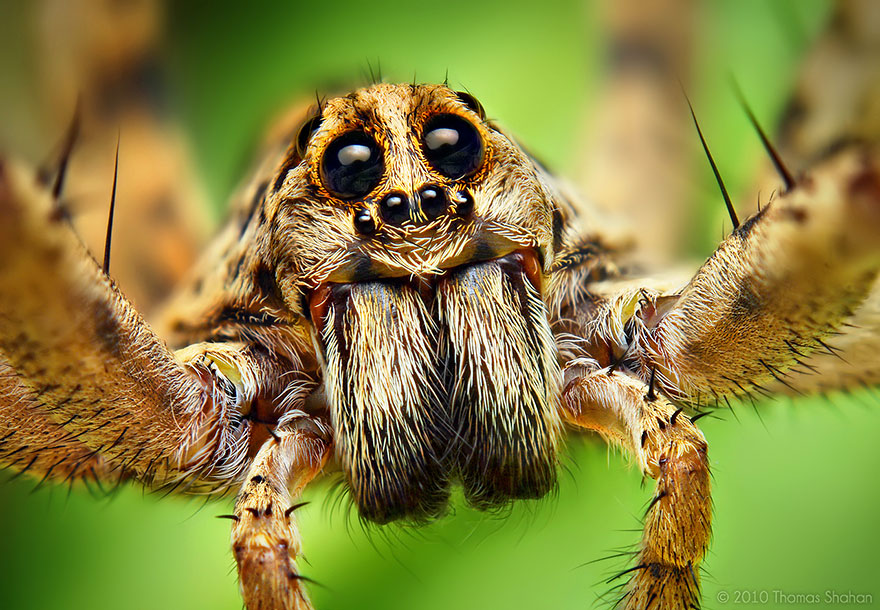
Have you ever stopped to marvel at the intricate beauty of a spider's web, shimmering in the morning dew? It seems almost impossible that such a delicate, yet perfectly engineered structure could be created by a creature so small. But how exactly do spiders manage to build these amazing traps with such precision?
Many of us wonder how spiders spin such elaborate webs. What are the secret techniques spiders employ? What are the biological processes and environmental factors that contribute to web construction? The complexity of web-building is a subject that often leaves us pondering the wonders of the natural world.
This blog post aims to unravel the mystery of how spiders build their perfect webs. We'll delve into the fascinating world of spider silk, explore the various stages of web construction, and discover the adaptations and strategies that enable these eight-legged architects to create their intricate masterpieces.
We will explore the fascinating world of spider silk, the meticulous steps spiders take to construct their webs, and the evolutionary adaptations that enable these creatures to be master architects. We'll also discuss the different types of webs, the environmental factors that influence web building, and some intriguing facts about these amazing arachnids. Key terms we will explore include spider silk, orb webs, web construction, radial threads, spiral threads, and dragline silk.
The Spider's Silk: A Material Marvel
Spider silk is truly a marvel of nature. It's not just one type of material, but a variety of different silks, each with unique properties tailored to specific purposes in web construction and spider life. I remember being a kid and constantly breaking spider webs accidentally while playing outside. I never really thought about the silk itself, just the annoyance of having sticky strands on my face. Little did I know how complex and fascinating that substance actually was! Spiders produce silk from specialized glands called spinnerets, located on their abdomen. These spinnerets can produce different types of silk, including dragline silk, which is incredibly strong and used for lifelines and the web's framework; viscid silk, which is sticky and used for capturing prey; and other types of silk for egg sacs and wrapping prey. The dragline silk, for instance, is stronger than steel of the same diameter and more elastic than nylon. This amazing combination of strength and flexibility is what allows spider webs to withstand wind, rain, and the impact of struggling insects. Spiders use these various silks in distinct ways during the web-building process, demonstrating an almost architectural understanding of material science. The specific properties of the silk, combined with the spider's innate knowledge of web construction, are crucial to the success of the web as a hunting tool.
Web Construction: A Step-by-Step Process
Building a web is not a random act; it's a carefully orchestrated process that follows a specific sequence of steps. First, the spider chooses a suitable location, often based on factors like the presence of anchor points and potential prey pathways. Then, it releases a dragline, allowing the wind to carry it to a nearby object, forming the initial bridge. Once the bridge is secure, the spider reinforces it and then creates a Y-shaped foundation. From this foundation, it constructs radial threads, which extend outwards like the spokes of a wheel. These radial threads are not sticky and serve as a framework for the web. Finally, the spider lays down the spiral threads, starting from the outside and working its way inwards. This is where the sticky viscid silk comes into play, creating the capture area of the web. The entire process is a testament to the spider's innate understanding of engineering principles and its ability to execute a complex task with remarkable precision. The placement and tension of each thread are carefully calibrated to maximize the web's strength and efficiency. Even the spacing between the spiral threads is optimized to catch the most common types of prey in the area.
History and Myth of Spider Webs
Spider webs have held a place in human culture for centuries, appearing in myths, legends, and even scientific research. In some cultures, spider webs are seen as symbols of creativity and connection, while in others, they represent traps and danger. The Greek myth of Arachne, who was turned into a spider by Athena for her weaving skills, highlights the ancient fascination with the spider's ability to create intricate patterns. The very word "arachnid" comes from Arachne's name. Throughout history, humans have also attempted to harness the properties of spider silk for various purposes, from wound dressings to textiles. While mass production of spider silk has proven challenging, researchers continue to explore its potential in areas like bioengineering and materials science. The historical and mythical significance of spider webs underscores their enduring impact on human imagination and their continued relevance in scientific inquiry. The image of the spider weaving its web has become a powerful metaphor for creativity, ingenuity, and the interconnectedness of life.
Hidden Secrets of Web Design
Beyond the basic steps of web construction, there are several hidden secrets that contribute to the web's effectiveness. For example, some spiders add decorations to their webs, such as silk ribbons or egg sacs. These decorations can serve various purposes, including attracting prey, camouflaging the spider, or strengthening the web. The exact function of these decorations varies depending on the species of spider and the environment in which it lives. Another secret lies in the spider's ability to recycle silk. If a web is damaged or becomes cluttered with debris, the spider will often consume the old silk and use the raw materials to create new silk. This recycling process conserves valuable resources and allows the spider to maintain its web efficiently. Furthermore, spiders are able to detect vibrations on their webs, allowing them to quickly locate and capture prey. The web acts as an extension of the spider's senses, providing it with information about its surroundings. The ability to adapt and optimize their web-building strategies is a testament to the spiders’ evolutionary success.
Recommendations for Appreciating Spider Webs
To truly appreciate the beauty and complexity of spider webs, I recommend taking the time to observe them in their natural environment. Look closely at the different types of webs, the patterns they create, and the way they interact with light. Notice how the spider moves on the web, and how it responds to different stimuli. You can also find fascinating resources online, including videos, photographs, and scientific articles that delve deeper into the world of spiders and their webs. Consider visiting a local nature center or museum that has exhibits on arachnids. These experiences can provide a greater understanding of the intricate details of web construction and the incredible adaptations that spiders have evolved. Another great way to appreciate spider webs is through photography. Capturing the delicate structure of a web in a photograph can be a rewarding experience. You can experiment with different lighting and angles to create stunning images that highlight the beauty of these natural masterpieces. Understanding the time and effort spiders put into creating these engineering marvels allows you to admire the webs in a brand new way. The next time you see a spider web, take a moment to consider the intricate design and the fascinating creature that created it.
Environmental Influences on Web Building
The environment plays a crucial role in shaping the design and location of spider webs. Factors such as wind, humidity, and the availability of anchor points can all influence the spider's web-building strategy. In windy areas, spiders may build stronger, more compact webs that are less likely to be damaged. In humid environments, spiders may construct webs that are more open and airy to prevent moisture buildup. The availability of suitable anchor points, such as branches, leaves, and rocks, also determines where a spider can build its web. Spiders often choose locations that are sheltered from the elements and provide access to potential prey. Furthermore, the type of prey that is available in an area can influence the size and structure of the web. For example, spiders that prey on flying insects may build larger, more elaborate webs, while spiders that prey on ground-dwelling insects may build smaller, simpler webs. These environmental factors shape the diversity of web designs observed in nature. Understanding these influences allows us to see how spiders adapt to their surroundings and optimize their web-building strategies for survival. Observing webs in different environments can reveal the subtle nuances of spider behavior and web architecture.
Tips for Identifying Different Types of Webs
Identifying different types of spider webs can be a fun and rewarding way to learn more about spiders. One of the most common types of webs is the orb web, which is characterized by its circular shape and radial threads. Orb webs are typically built by spiders in the family Araneidae, such as the garden spider and the barn spider. Another common type of web is the cobweb, which is a messy, three-dimensional web that is typically built by spiders in the family Theridiidae, such as the house spider. Cobwebs are often found in corners of rooms, under furniture, and in other sheltered locations. Funnel webs are another distinct type of web, characterized by a funnel-shaped retreat that the spider uses to hide and ambush prey. Funnel webs are typically built by spiders in the family Agelenidae, such as the grass spider. Sheet webs are flat, horizontal webs that are often built on grass or under rocks. Sheet webs are typically built by spiders in the family Linyphiidae, such as the money spider. By learning to identify these different types of webs, you can gain a better understanding of the diversity of spider species and their unique adaptations. Remember to observe webs carefully and consider the location, shape, and structure of the web when trying to identify it.
Observing Spider Web Construction
One of the best ways to learn about spider web construction is to observe it firsthand. Find a location where spiders are actively building webs and spend some time watching their behavior. Look for clues that indicate the type of web that is being built, such as the presence of radial threads, spiral threads, or a funnel-shaped retreat. Pay attention to the way the spider moves on the web, and how it uses its legs and spinnerets to manipulate the silk. Observe how the spider attaches the silk to anchor points, and how it reinforces the web's structure. You can also try to identify the type of spider that is building the web by observing its size, shape, and coloration. Use a field guide or online resources to help you identify different spider species. Remember to be respectful of the spiders and their webs, and avoid disturbing them unnecessarily. Observing spider web construction can be a fascinating and educational experience, providing insights into the intricate behaviors and adaptations of these amazing creatures. The patience you exercise while watching will be well rewarded by the wonders you see.
Fun Facts About Spider Webs
Did you know that some spider webs are strong enough to trap small birds or even lizards? While most spider webs are designed to capture insects, some spiders, such as the orb-weaving spiders, build webs that are capable of catching larger prey. Another fun fact is that spider silk is biodegradable and environmentally friendly. Unlike synthetic materials, spider silk breaks down naturally over time, reducing its impact on the environment. Spiders also recycle silk, consuming old or damaged webs to create new ones. This process conserves resources and reduces waste. Some spider webs glow under ultraviolet (UV) light. This glow may attract insects that are drawn to UV light, making the web more effective at capturing prey. Spiders can also adjust the stickiness of their webs depending on the type of prey they are targeting. Some spiders produce webs that are highly sticky, while others produce webs that are less sticky but more durable. These fun facts highlight the incredible diversity and adaptability of spider webs, and their importance in the natural world. Learning about these fascinating details can enhance your appreciation for these amazing structures.
How to Photograph Spider Webs
Photographing spider webs can be a challenging but rewarding endeavor. The delicate structure of a web can be difficult to capture in a photograph, but with the right techniques and equipment, you can create stunning images that showcase the beauty and intricacy of these natural masterpieces. One of the key elements of photographing spider webs is lighting. The best time to photograph webs is early in the morning or late in the afternoon, when the light is soft and diffused. This type of lighting will help to highlight the details of the web and create a more pleasing image. You can also use a flash to illuminate the web, but be careful not to overexpose the image. Another important element is composition. Try to find a unique angle or perspective that will make your photograph stand out. You can also use the background to create a sense of depth and context. A macro lens is essential for capturing the fine details of spider webs. This type of lens allows you to focus on the web at close range, revealing its intricate structure. A tripod is also recommended, as it will help to stabilize your camera and prevent blurring. Experiment with different settings on your camera, such as aperture, shutter speed, and ISO, to find the optimal settings for your particular scene. With practice and patience, you can learn to capture stunning photographs of spider webs.
What If Spider Webs Disappeared?
Imagine a world without spider webs. What would the consequences be? One of the most immediate impacts would be on insect populations. Spider webs play a crucial role in controlling insect populations, acting as natural traps for a wide variety of pests. Without spider webs, insect populations could explode, leading to increased damage to crops, forests, and even human health. The loss of spider webs would also affect the food chain. Spiders are an important food source for many animals, including birds, lizards, and other insects. If spiders disappeared, these animals would lose a valuable source of food, potentially leading to declines in their populations. The absence of spider webs could also have ecological consequences. Spider webs help to distribute seeds and pollen, playing a role in plant reproduction. They also provide habitat for other small organisms, such as mites and springtails. The disappearance of spider webs could disrupt these ecological processes, leading to changes in plant communities and biodiversity. From a human perspective, the loss of spider webs could have economic impacts. Spiders are natural pest controllers, helping to reduce the need for chemical pesticides. The disappearance of spider webs could increase the reliance on chemical pesticides, which can have negative impacts on the environment and human health. The world would surely miss the artistry and architecture spiders bring to our natural world.
Listicle: Top 5 Amazing Spider Web Facts
Let's dive into a listicle of the most amazing spider web facts! 1. Spider silk is stronger than steel. Pound for pound, spider silk is stronger than steel and more elastic than nylon. This incredible combination of strength and flexibility makes it an ideal material for capturing prey and building webs.
2. Spiders can produce different types of silk. Spiders have specialized glands that allow them to produce different types of silk, each with unique properties. These include dragline silk, viscid silk, and silk for wrapping prey and building egg sacs.
3. Some spider webs are huge. The webs of some orb-weaving spiders can span several feet in diameter, capable of trapping large insects and even small birds. These giant webs are a testament to the spider's ingenuity and engineering skills.
4. Spiders recycle their silk. Spiders often consume old or damaged webs to recycle the silk and conserve resources. This recycling process allows them to maintain their webs efficiently and minimize waste.
5. Spider webs glow under UV light. Some spider webs reflect UV light, which may attract insects that are drawn to UV light. This adaptation enhances the web's effectiveness as a trap. These fascinating facts highlight the incredible complexity and functionality of spider webs, and the amazing adaptations of the spiders that build them.
Question and Answer about Spider Webs
Here are some frequently asked questions about spider webs:
Question 1: How do spiders avoid getting stuck in their own webs?
Answer: Spiders have several adaptations that prevent them from getting stuck in their own webs. Some spiders have non-sticky feet, while others have the ability to detach their feet quickly from the sticky silk. Additionally, spiders are careful to walk only on the non-sticky radial threads of the web.
Question 2: Why do spiders build different types of webs?
Answer: Spiders build different types of webs to target different types of prey and adapt to different environments. Orb webs are ideal for capturing flying insects, while cobwebs are better suited for catching ground-dwelling insects. Funnel webs are used by spiders that ambush their prey, while sheet webs are used by spiders that trap prey from below.
Question 3: How long does it take a spider to build a web?
Answer: The time it takes a spider to build a web depends on the size and complexity of the web, as well as the spider's experience and skill. Some spiders can build a small web in a matter of minutes, while others may take several hours to construct a large, elaborate web.
Question 4: Do all spiders build webs?
Answer: Not all spiders build webs. Some spiders are hunters that actively stalk and capture their prey, while others use other methods, such as camouflage or ambush tactics. However, web-building spiders are among the most common and well-known types of spiders.
Conclusion of How Spiders Build Perfect Webs
Spiders are truly remarkable architects, capable of building intricate and highly functional webs using a material that is both strong and flexible. Their ability to construct these perfect webs is a testament to their evolutionary adaptations, innate knowledge, and environmental awareness. From the production of different types of silk to the careful execution of each step in the web-building process, spiders demonstrate an impressive level of skill and precision. By understanding the science behind spider webs, we can gain a deeper appreciation for the natural world and the amazing creatures that inhabit it. So next time you see a spider web, take a moment to marvel at its beauty and complexity, and remember the incredible story behind its creation.
0 Response to "How Spiders Build Perfect Webs"
Post a Comment