How Sharks Detect Blood in Water
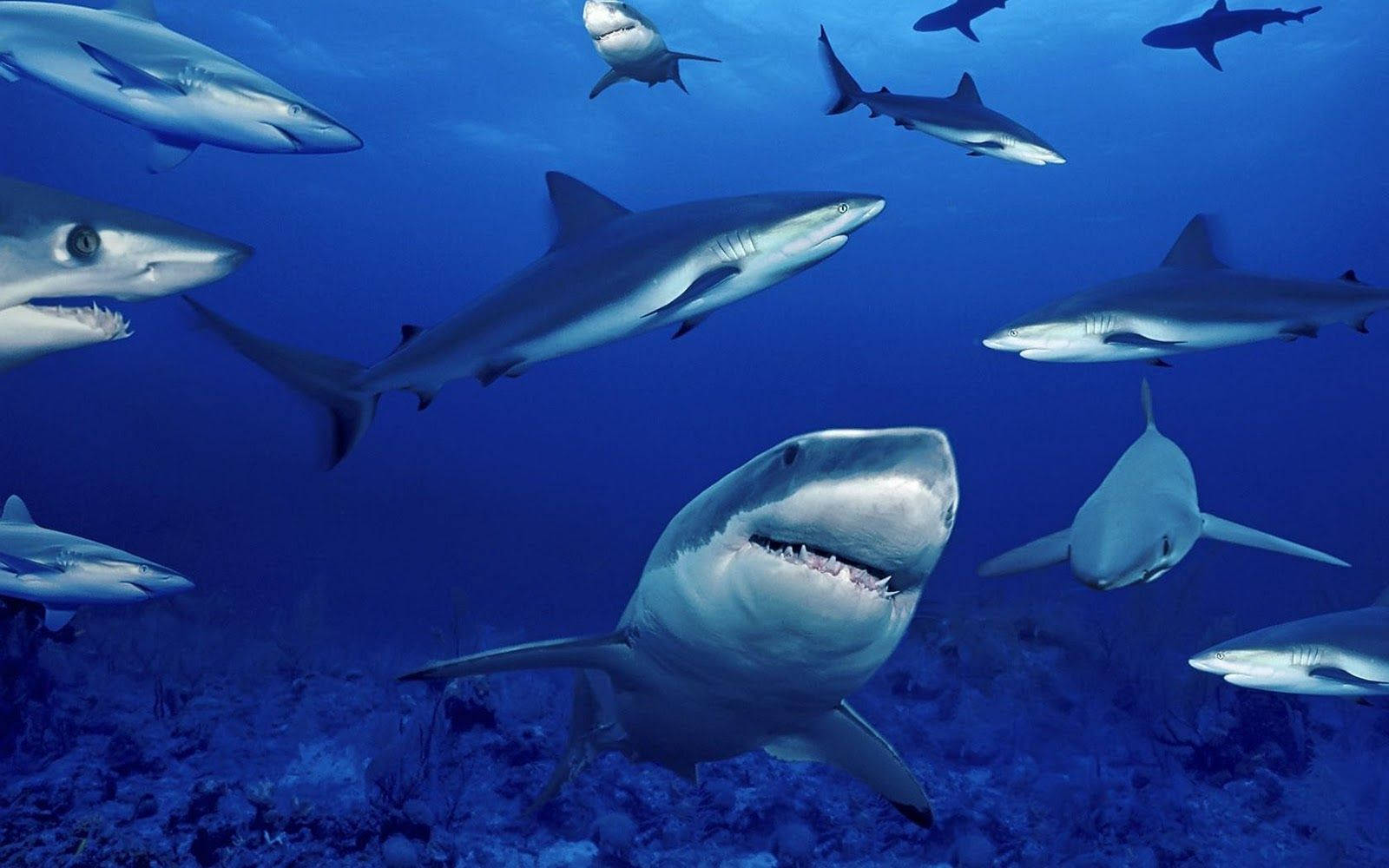
Imagine yourself floating in the ocean, the vast blue stretching out in every direction. Now imagine you're a shark, a creature of the deep, and a tiny drop of blood enters the water hundreds of feet away. How do you, a powerful predator, pinpoint that minuscule source of potential prey? The answer is far more complex and fascinating than you might think.
Many people have a general idea that sharks are incredibly sensitive to blood, but the specifics of just how they detect it, and the limitations of that ability, are often misunderstood. This can lead to misconceptions about shark behavior and a distorted view of these magnificent creatures.
This article delves into the science behind how sharks detect blood in water, exploring the sensory mechanisms they use, the distances over which they can detect it, and the role blood plays in their overall hunting strategy. We'll debunk myths, reveal fascinating facts, and shed light on the intricate world of shark senses.
Sharks possess an extraordinary ability to detect blood in water, thanks to specialized sensory organs and an acute sense of smell. However, their reliance on blood is often exaggerated. While blood can attract sharks, it's just one piece of the puzzle in their complex hunting behavior, which also includes sensing vibrations, electrical fields, and visual cues. Understanding these sensory systems offers a deeper appreciation for these apex predators and their role in marine ecosystems.
The Olfactory System: More Than Just a Nose
I remember the first time I saw a shark up close. It was a small reef shark during a scuba diving trip. What struck me was the seemingly effortless way it moved through the water, constantly scanning its surroundings. It made me wonder about the incredible sensory world these creatures inhabit, a world so different from our own. That experience ignited my curiosity about how sharks detect blood, a question that led me down a fascinating path of discovery.
The primary way sharks detect blood is through their highly developed olfactory system, which is essentially their sense of smell. Unlike humans, sharks don't have nostrils used for breathing. Instead, they have two specialized olfactory organs located on the underside of their snout. These organs are filled with sensory receptors that are incredibly sensitive to chemical compounds in the water, including those found in blood. When water flows into these organs, the receptors bind to these molecules, sending signals to the brain that indicate the presence and direction of the scent.
It's important to note that sharks aren't necessarily attracted to all blood. They are more likely to be drawn to the blood of their typical prey, which contains specific amino acids and other compounds that they recognize as a food source. The concentration of blood also plays a significant role. While sharks can detect incredibly low concentrations, they are more likely to respond to higher concentrations that suggest a more substantial meal. Factors like water currents and temperature can also affect how far a shark can detect blood, as these factors can influence the dispersal and persistence of the scent molecules.
Ampullae of Lorenzini: Detecting Electrical Fields
The ocean is a noisy place, not just with sound, but with electrical signals. Every living creature generates a weak electrical field, and sharks have a unique ability to detect these fields using specialized organs called ampullae of Lorenzini. These are small, gel-filled pores located around the shark's head, primarily on its snout. The gel is highly conductive, allowing the ampullae to detect even the faintest electrical signals emitted by potential prey.
While the ampullae of Lorenzini aren't directly involved in detecting blood, they play a crucial role in the later stages of hunting. Once a shark has detected a potential prey source through its olfactory system, it can use its ampullae of Lorenzini to pinpoint the exact location of the animal, even if it's hidden in the sand or obscured by murky water. This ability is particularly useful for bottom-dwelling sharks that hunt invertebrates and other small creatures.
The sensitivity of the ampullae of Lorenzini is truly remarkable. Sharks can detect electrical fields as weak as a billionth of a volt per centimeter. This allows them to sense the muscle contractions and nerve impulses of their prey, even at close range. The ampullae of Lorenzini are also thought to play a role in navigation, allowing sharks to detect the Earth's magnetic field and use it as a compass.
The Myth of the "Blood Frenzy"
For centuries, sharks have been portrayed as mindless killing machines, driven into a "blood frenzy" by the mere scent of blood. This image, fueled by sensationalized media and Hollywood movies, is a gross exaggeration of reality. While sharks are indeed attracted to blood, they don't enter into a state of uncontrollable rage or indiscriminately attack anything in their path.
The concept of a "blood frenzy" often stems from observations of multiple sharks converging on a single prey item. This behavior, known as a feeding aggregation, is a natural response to a concentrated food source. However, it's not driven by some primal urge to kill; it's simply a matter of multiple animals competing for the same meal. In these situations, sharks may become more aggressive towards each other, but they are still acting in a rational manner, driven by the need to feed.
Furthermore, many shark attacks on humans are not predatory in nature. Often, these incidents are cases of mistaken identity, where a shark misinterprets a human as a potential prey item. Other times, attacks may be defensive, occurring when a shark feels threatened or cornered. By understanding the true behavior of sharks and dispelling the myth of the "blood frenzy," we can foster a more balanced and respectful relationship with these important marine predators.
Recommendations for Ocean Safety
While the risk of a shark attack is relatively low, it's always wise to take precautions when entering the ocean, especially in areas known to be inhabited by sharks. By following a few simple guidelines, you can significantly reduce your chances of encountering a shark and minimize the risk of an attack. The recommendations are primarily common sense, but they should be observed.
Avoid swimming or diving alone, and always stay within a group. Sharks are more likely to approach solitary individuals. Avoid swimming at dawn or dusk, when sharks are most active, and stay out of the water if you are bleeding or have open wounds. Sharks are attracted to blood, so it's best to minimize any potential attractants. Avoid murky water, where visibility is limited and sharks may have difficulty distinguishing between prey and humans.
Do not wear shiny jewelry or clothing that could resemble fish scales. These items can attract sharks and increase the risk of mistaken identity. Avoid splashing excessively or making erratic movements in the water. These actions can mimic the behavior of injured prey and attract unwanted attention. If you see a shark, remain calm and slowly back away. Avoid making sudden movements or turning your back on the shark. If you are attacked, fight back aggressively, targeting the shark's eyes and gills.
Understanding Shark Behavior
Understanding shark behavior is the key to dispelling fear and fostering a more realistic perspective on these animals. Sharks are not mindless killing machines; they are complex and intelligent creatures with a vital role to play in marine ecosystems. By learning about their sensory systems, hunting strategies, and social interactions, we can gain a greater appreciation for their importance and the need for their conservation.
Sharks are apex predators, which means they sit at the top of the food chain. They help to regulate populations of other marine animals, preventing any one species from becoming too dominant. This, in turn, helps to maintain the overall health and balance of the ecosystem. Sharks also play a role in removing sick and injured animals from the population, preventing the spread of disease and improving the genetic health of prey species.
Unfortunately, many shark populations are in decline due to overfishing, habitat destruction, and the shark fin trade. It's crucial that we take steps to protect these animals and ensure their survival for future generations. This includes supporting sustainable fishing practices, reducing pollution, and educating the public about the importance of shark conservation. By working together, we can help to safeguard these magnificent creatures and preserve the health of our oceans.
Tips for Coexisting with Sharks
The key to coexisting with sharks is to understand their behavior and respect their space. By following a few simple guidelines, we can minimize the risk of encounters and ensure the safety of both humans and sharks. A lot of it boils down to respecting their role in the marine environment and avoiding activities that might attract them or provoke an attack.
Avoid swimming or diving in areas where sharks are known to be abundant, especially during their feeding times. If you are fishing, dispose of fish scraps properly to avoid attracting sharks to the area. Do not feed sharks, as this can alter their natural behavior and make them more likely to approach humans. If you encounter a shark while swimming or diving, remain calm and avoid making sudden movements.
Maintain eye contact with the shark and slowly back away. If the shark approaches you, try to put an object between yourself and the shark, such as a surfboard or a dive tank. If you are attacked, fight back aggressively, targeting the shark's eyes and gills. Remember that sharks are an important part of the marine ecosystem, and it's our responsibility to protect them. By following these tips and promoting responsible behavior, we can coexist peacefully with these magnificent creatures.
The Importance of Shark Conservation
Shark conservation is not just about protecting a single species; it's about safeguarding the health and balance of the entire marine ecosystem. Sharks play a vital role in maintaining the food web and regulating populations of other marine animals. Their decline can have cascading effects throughout the ecosystem, leading to unforeseen consequences.
Many shark populations are threatened by overfishing, habitat destruction, and the shark fin trade. It's crucial that we take action to protect these animals and ensure their survival for future generations. This includes implementing stricter fishing regulations, protecting critical shark habitats, and cracking down on the illegal shark fin trade. We can also support organizations that are working to research and conserve sharks through donations, volunteering, and spreading awareness.
By working together, we can make a difference and help to ensure the future of these magnificent creatures. Education is key to changing public perceptions of sharks and fostering a greater appreciation for their importance. By learning about sharks and sharing our knowledge with others, we can inspire action and create a more sustainable future for both sharks and humans.
Fun Facts About Shark Senses
Sharks possess an array of remarkable senses that go far beyond their ability to detect blood. From their electroreception capabilities to their keen eyesight and hearing, sharks are finely tuned predators adapted to life in the marine environment. These unique adaptations make them fascinating subjects of study and highlight the incredible diversity of the natural world.
Some shark species can detect polarized light, which may help them navigate in murky water or locate prey. Sharks can also sense vibrations in the water using a lateral line system, which runs along the length of their body. This system allows them to detect the movement of other animals, even in the dark. Some sharks can even protrude their jaws forward to capture prey, a technique known as jaw protrusion.
The Greenland shark is one of the longest-lived vertebrates on Earth, with an estimated lifespan of up to 500 years. The dwarf lanternshark is the smallest shark species, reaching a maximum length of only about 8 inches. The whale shark is the largest fish in the world, growing up to 40 feet long and weighing over 47,000 pounds. By learning about these fun facts and exploring the unique characteristics of different shark species, we can develop a greater appreciation for the diversity and complexity of these incredible animals.
How to Support Shark Conservation
There are many ways to support shark conservation, both large and small. From making conscious choices as consumers to supporting organizations working to protect sharks, every action can make a difference. By becoming informed and taking action, we can help to ensure the future of these magnificent creatures.
Choose sustainable seafood options that are not caught using methods that harm sharks or their habitats. Reduce your use of plastic, which can pollute the ocean and harm marine life. Support organizations that are working to research and conserve sharks through donations, volunteering, and spreading awareness. Educate yourself and others about the importance of shark conservation.
Advocate for stronger fishing regulations and protection of critical shark habitats. Speak out against the illegal shark fin trade and support efforts to end this cruel practice. By working together, we can create a more sustainable future for sharks and the oceans they call home. Every action counts, and even small changes in our daily lives can have a positive impact on the health of the marine environment.
What If Sharks Disappeared?
The disappearance of sharks would have devastating consequences for marine ecosystems. As apex predators, sharks play a crucial role in maintaining the balance of the food web and regulating populations of other marine animals. Their removal would trigger a cascade of effects throughout the ecosystem, leading to unforeseen and potentially catastrophic outcomes.
Populations of prey species would explode, leading to overgrazing of seagrass beds and coral reefs. This, in turn, would harm other marine animals that depend on these habitats for food and shelter. The loss of sharks could also lead to an increase in disease outbreaks, as sharks help to remove sick and injured animals from the population. The overall health and resilience of marine ecosystems would be significantly compromised.
The disappearance of sharks would also have economic consequences, impacting fisheries, tourism, and other industries that rely on healthy marine ecosystems. It's crucial that we take action to protect sharks and prevent their extinction, not just for their own sake, but for the sake of the entire marine environment and the well-being of future generations. Shark conservation is an investment in the health and sustainability of our oceans.
Listicle: 5 Things You Didn't Know About Shark Senses
Sharks are fascinating creatures with a remarkable array of senses. Here are five things you might not know about how sharks perceive the world around them:
- Sharks can detect electrical fields as weak as a billionth of a volt per centimeter.
- Some sharks can see in color, although their color vision is likely limited compared to humans.
- Sharks have a lateral line system that allows them to detect vibrations in the water.
- Some shark species can sense polarized light.
- Sharks have taste buds in their mouths, but they primarily use their sense of smell to locate food.
These incredible sensory adaptations highlight the complexity and diversity of the shark world and underscore the importance of protecting these magnificent creatures.
Question and Answer About Shark Detection
Here are some frequently asked questions about how sharks detect blood in water:
Q: How far away can sharks detect blood?
A: Sharks can detect blood from distances of hundreds of meters, depending on factors like water currents and concentration.
Q: Are sharks only attracted to blood?
A: No, sharks are also attracted to other cues, such as vibrations, electrical fields, and visual stimuli.
Q: Do all sharks have the same sensory capabilities?
A: No, different shark species have different sensory adaptations depending on their habitat and hunting strategies.
Q: What is the ampullae of Lorenzini?
A: The ampullae of Lorenzini are specialized organs that allow sharks to detect electrical fields in the water.
Conclusion of How Sharks Detect Blood in Water
Sharks' ability to detect blood is a complex interplay of specialized sensory organs, environmental factors, and learned behaviors. While their olfactory system plays a primary role, their other senses, such as electroreception and mechanoreception, also contribute to their hunting success. By understanding the intricacies of shark senses and dispelling common myths, we can foster a more balanced perspective on these apex predators and work towards their conservation and the preservation of our oceans.
0 Response to "How Sharks Detect Blood in Water"
Post a Comment