How Penguins Stay Warm in Freezing Temperatures
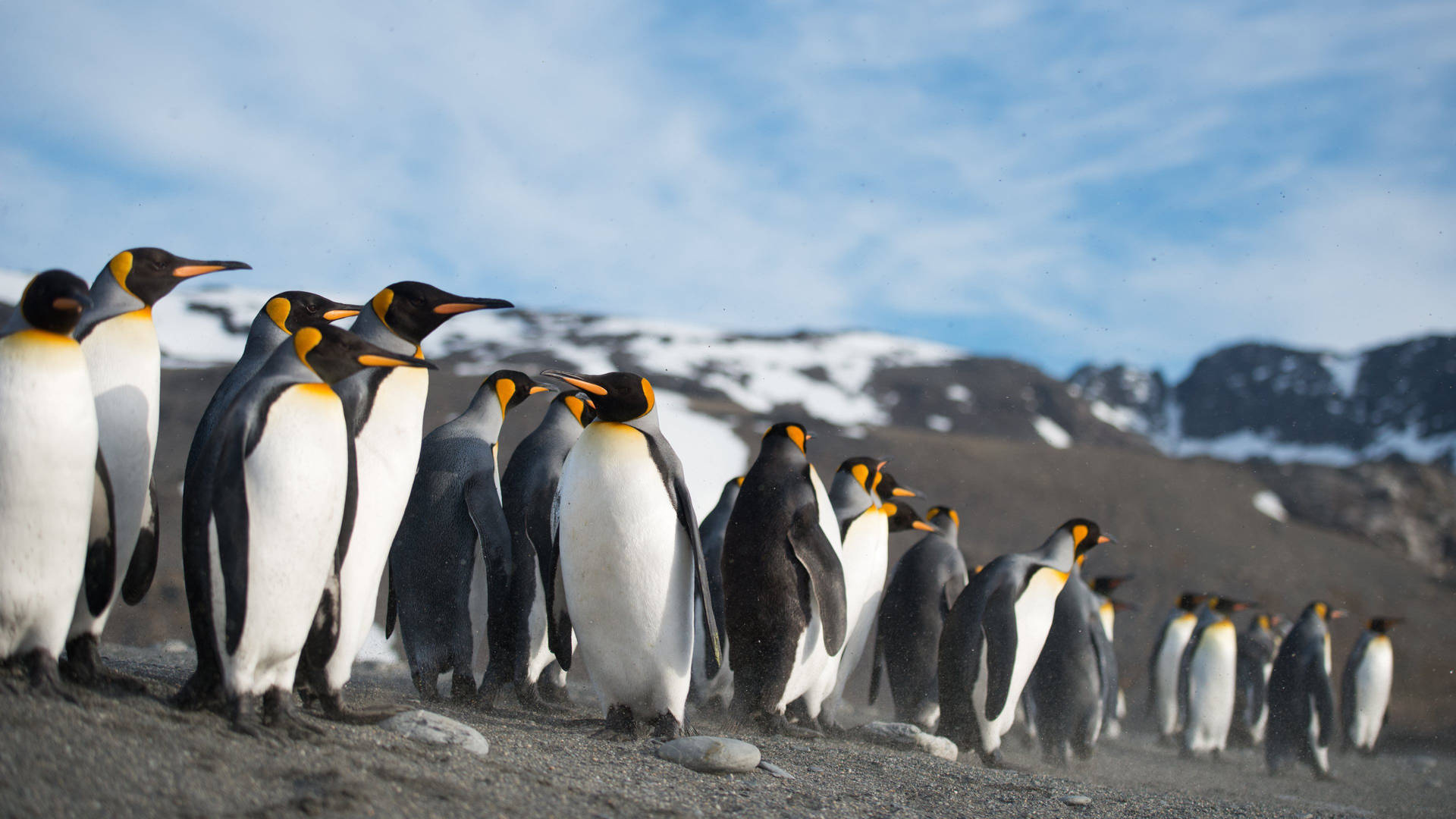
Imagine standing barefoot on an ice floe, the wind howling, the temperature plummeting far below zero. Sounds unbearable, right? Yet, penguins thrive in these very conditions. But how do they do it? It's a question that has fascinated scientists and nature enthusiasts alike for generations.
We often bundle up in layers of clothing, crank up the thermostat, and still feel the chill when winter hits. So, it's natural to wonder how these flightless birds, seemingly equipped with nothing more than feathers and blubber, manage to not only survive but flourish in some of the coldest places on Earth. They face challenges that seem insurmountable to us.
The secret to penguins' remarkable resilience lies in a combination of ingenious adaptations. These include tightly packed feathers that create a waterproof and windproof barrier, a thick layer of insulating blubber, specialized blood vessels that minimize heat loss, and huddling behavior for communal warmth. These adaptations work together to keep penguins warm and comfortable in even the most extreme environments.
In essence, penguins combat the cold through a multi-pronged approach: insulation via feathers and fat, circulation control to reduce heat loss, and social behavior to share warmth. These adaptations allow penguins to thrive in icy habitats where other creatures would struggle to survive. We will dive into details of insulation, circulation, behavior, habitat, and adaptation.
Feathers: Nature's Insulation
I remember visiting an aquarium as a child and being mesmerized by the penguins. They seemed so sleek and unfazed by the cold water. What I didn't realize then was the incredible engineering behind their seemingly simple feathers. It wasn't just about looking good; it was about survival. Their feathers are densely packed, creating a barrier against wind and water. This is a crucial layer of protection, preventing cold water from reaching their skin and trapping a layer of warm air close to their bodies. The structure of their feathers plays a crucial role in insulating penguins from the extreme cold. Like tiny, overlapping shingles, they create a barrier that minimizes heat loss and keeps the birds warm and dry. Furthermore, penguins regularly preen their feathers, spreading oil that makes them waterproof and further enhances their insulation. This ensures the effectiveness of their insulation. They face challenges such as freezing temperature, icy winds, and icy water. In short, it's a system that would make any winter coat designer envious!
Blubber: A Fatty Fortress
Blubber is a thick layer of fat beneath the penguin's skin acts as insulation. It is rich in energy and serves as a food reserve during lean times. This blubber layer is so effective at insulation that penguins can maintain a constant body temperature even in freezing water. The blubber is like a natural wetsuit, providing a layer of insulation that traps body heat. In addition to insulation, the blubber provides an energy reserve. When food is scarce, penguins can metabolize the fat in their blubber to survive. This is especially important during the breeding season when they may go for weeks without eating. The thickness of the blubber layer varies depending on the species of penguin and the environment in which it lives. For example, Emperor penguins, which live in the coldest regions of Antarctica, have a thicker blubber layer than penguins that live in warmer climates. Blubber helps them to survive the extreme cold and allows them to thrive in a harsh environment. They face challenges such as freezing temperature, icy winds, and icy water.
Circulation: Conserving Body Heat
There's more to a penguin's warmth than just feathers and fat; their circulatory system plays a vital role. Imagine trying to hold an ice cube for an extended period – your fingers would quickly become numb and painful. Penguins face a similar challenge in their feet, which are constantly in contact with ice. To combat this, they have a countercurrent heat exchange system. Warm arterial blood flowing to the feet passes very close to cold venous blood returning to the body. This allows heat to be transferred from the outgoing blood to the incoming blood, warming the returning blood and reducing heat loss from the feet. This ingenious system ensures that their feet don't freeze, while also minimizing the amount of heat lost to the environment. They face challenges such as freezing temperature, icy winds, and icy water. This circulation system is a marvel of nature, perfectly adapted to the harsh conditions in which penguins live. It's a testament to the power of evolution, showing how animals can develop unique and effective strategies for survival.
Huddling: Sharing the Warmth
While individual adaptations are crucial, penguins also employ a social strategy to stay warm: huddling. Emperor penguins, in particular, are masters of this technique. Thousands of them gather together in tightly packed groups, rotating positions to ensure that everyone gets a chance to be in the warmer center. This communal behavior significantly reduces heat loss, as each penguin benefits from the body heat of the others. The huddle is a dynamic structure, with penguins constantly shifting positions to distribute the warmth evenly. This ensures that no single penguin is exposed to the cold for too long. Huddling is especially important during the breeding season when penguins must protect their eggs and chicks from the harsh Antarctic environment. It is a testament to the power of cooperation, showing how animals can work together to overcome challenging conditions. They face challenges such as freezing temperature, icy winds, and icy water. Huddling helps them to survive the extreme cold and allows them to thrive in a harsh environment.
Behavioral Adaptations
Beyond the physical adaptations we've discussed, penguins also exhibit several behavioral traits that aid in thermoregulation. For example, they often stand with their backs to the wind to minimize exposure and reduce heat loss. They also fluff up their feathers to create a thicker layer of insulation. These simple but effective behaviors can make a big difference in their ability to stay warm. Penguins also adjust their activity levels depending on the temperature. On cold days, they may be less active to conserve energy. They may also seek shelter from the wind and snow. These behavioral adaptations, combined with their physical adaptations, allow penguins to thrive in some of the coldest places on Earth. They face challenges such as freezing temperature, icy winds, and icy water. They are a testament to the power of adaptation, showing how animals can evolve to survive in even the most extreme environments.
Tips for Staying Warm (Penguin Style)
While we can't grow a layer of blubber or develop countercurrent heat exchange, we can learn a thing or two from penguins about staying warm in cold weather. Layers are key – just like penguin feathers. Wear multiple thin layers of clothing to trap warm air close to your body. A waterproof and windproof outer layer, mimicking the penguin's outer feathers, is also essential. Don't forget the importance of circulation! Keep moving to generate heat and avoid prolonged exposure to the cold. Eat plenty of calorie-rich foods to provide your body with the energy it needs to stay warm. Finally, consider the power of social warmth. Spend time with friends and family, share a warm beverage, and enjoy the camaraderie of shared experience. While it may not be quite the same as a penguin huddle, it can certainly help to ward off the winter blues! They face challenges such as freezing temperature, icy winds, and icy water. Layering clothing, moving your body, eating high-calorie food, and huddling in groups. Mimicking penguins' behavior can help you stay warm.
Fun Facts About Penguin Warmth
Did you know that Emperor penguin chicks are covered in downy feathers, which aren't waterproof? This makes them particularly vulnerable to the cold, and they rely heavily on their parents for warmth. Male Emperor penguins are responsible for incubating the egg, holding it on their feet and covering it with a brood pouch. During this time, they can lose a significant amount of weight as they don't eat. Penguin droppings, also known as guano, can actually help to insulate their nests. The dark color of the guano absorbs heat from the sun, which helps to keep the eggs and chicks warm. Some penguin species, like the Adelie penguin, build nests out of stones. These stones can also absorb heat from the sun and provide a warm surface for the penguins to rest on. They face challenges such as freezing temperature, icy winds, and icy water. These are just a few of the many fascinating facts about penguin warmth. These incredible birds have evolved a variety of strategies for surviving in some of the most challenging environments on Earth.
How To Help Penguins Stay Warm
While penguins have evolved remarkable adaptations to stay warm, they are still vulnerable to the effects of climate change. Rising temperatures are causing ice to melt, which reduces their habitat and makes it harder for them to find food. We can help penguins by taking action to reduce our carbon footprint. This includes using less energy, driving less, and supporting sustainable businesses. We can also support organizations that are working to protect penguins and their habitats. By working together, we can help ensure that these amazing birds continue to thrive for generations to come. They face challenges such as habitat destruction, hunting, and pollution. We can support them by reducing our carbon footprint, supporting conservation organizations, and spreading awareness about the challenges they face.
What If Penguins Couldn't Stay Warm?
Imagine a world where penguins lost their ability to stay warm. The consequences would be devastating. They would be unable to survive in their natural habitats, leading to population declines and potential extinction. The loss of penguins would also have a significant impact on the Antarctic ecosystem. They are a key part of the food web, and their disappearance would disrupt the delicate balance of nature. Furthermore, the loss of penguins would be a tragedy for us as well. They are a source of inspiration and wonder, and their presence enriches our planet. It is our responsibility to protect these amazing birds and ensure that they continue to thrive for generations to come. They face challenges such as the inability to regulate their body temperature, population decline, and ecosystem disruption. This would have devastating consequences for both penguins and the environment.
Top 5 Ways Penguins Stay Warm
Here's a quick listicle summarizing the key strategies penguins use to stay warm in freezing temperatures:
- Dense Feathers: Tightly packed, waterproof feathers create an insulating barrier.
- Blubber Layer: A thick layer of fat provides insulation and energy reserves.
- Countercurrent Heat Exchange: Specialized blood vessels minimize heat loss from extremities.
- Huddling Behavior: Communal gatherings reduce heat loss through shared body warmth.
- Behavioral Adaptations: Seeking shelter, adjusting activity levels, and other behaviors aid in thermoregulation.
These five strategies, working in harmony, allow penguins to thrive in some of the coldest environments on Earth. They face challenges such as freezing temperature, icy winds, and icy water. These strategies help them survive and allow them to thrive.
Question and Answer About How Penguins Stay Warm in Freezing Temperatures
Q: How do penguins keep their feet from freezing on the ice?
A: Penguins have a countercurrent heat exchange system in their legs and feet. Warm arterial blood flowing to the feet passes close to cold venous blood returning to the body, transferring heat and preventing the feet from freezing.
Q: What is the role of blubber in penguin warmth?
A: Blubber is a thick layer of fat beneath the penguin's skin that provides insulation and serves as an energy reserve. It helps to trap body heat and keep the penguin warm, even in freezing water.
Q: How does huddling help penguins stay warm?
A: Huddling is a social behavior where penguins gather together in tightly packed groups. This reduces heat loss, as each penguin benefits from the body heat of the others.
Q: Are all penguin species equally well-adapted to the cold?
A: No, penguin species that live in colder climates have thicker layers of blubber and denser feathers than those that live in warmer climates.
Conclusion of How Penguins Stay Warm in Freezing Temperatures
Penguins have truly mastered the art of staying warm in incredibly challenging environments. Through a combination of physical adaptations like dense feathers and thick blubber, circulatory system innovations, and social behaviors like huddling, they manage to thrive where most other creatures would perish. Their resilience is a testament to the power of evolution and a reminder of the importance of protecting these amazing birds and their fragile ecosystems.
0 Response to "How Penguins Stay Warm in Freezing Temperatures"
Post a Comment