How Octopuses Escape From Predators
Imagine being constantly hunted, every shadow a potential threat. How do you survive when you're a soft-bodied creature surrounded by sharp-toothed predators? Octopuses face this challenge daily, and their escape strategies are nothing short of extraordinary.
It's a tough life in the ocean. Imagine the constant pressure of needing to be alert. The struggle is real when you're a tasty snack to a whole host of marine creatures. Not only that, the constant fear of being caught out in the open with nowhere to hide. Finding the right tools and techniques to avoid becoming someone's dinner is vital. The goal is to simply stay alive.
This blog post explores the fascinating world of octopus escape artistry. We'll delve into the diverse tactics these intelligent invertebrates use to evade predators, from camouflage and ink clouds to jet propulsion and arm autotomy. Get ready to be amazed by the ingenious methods octopuses employ to survive in the vast and dangerous ocean.
Octopuses have evolved a remarkable suite of defenses to avoid becoming prey. These include masterful camouflage, the creation of distracting ink clouds, rapid jet propulsion, squeezing into impossibly small spaces, and even sacrificing an arm to make a clean getaway. These strategies showcase the octopus's incredible adaptability and intelligence, making them one of the ocean's most elusive creatures.
Mastering Camouflage: The Art of Disappearing
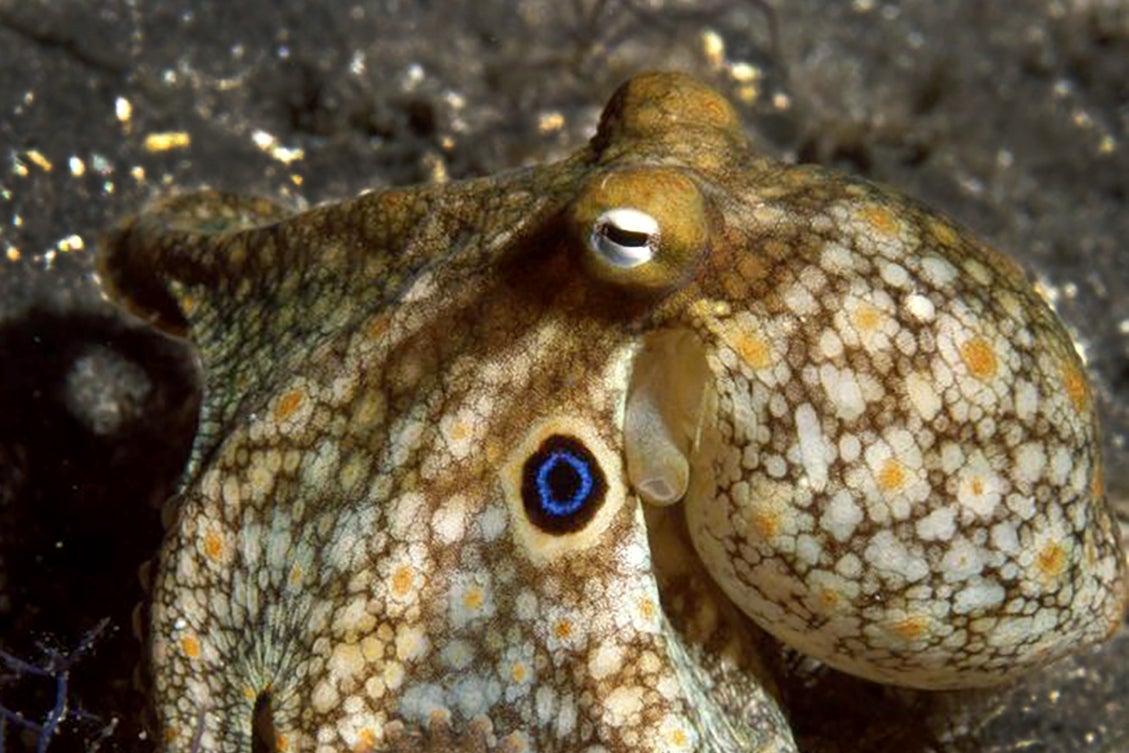
I once witnessed an octopus in an aquarium instantly transform its skin from a mottled brown to a vibrant red as a scuba diver approached its tank. It was a truly mesmerizing display of camouflage, a real-time demonstration of their control. Camouflage is arguably an octopus's first line of defense. They possess specialized pigment-containing cells called chromatophores in their skin, controlled by their nervous system. This allows them to rapidly change color and patterns to match their surroundings, blending seamlessly with rocks, sand, and even seaweed. Some species can even mimic the texture of the seabed, making them virtually invisible. Beyond color, octopuses can also alter their skin's texture using papillae, small muscular projections that create bumps and ridges, further enhancing their camouflage abilities. This chameleon-like ability to adapt to their environment is crucial for avoiding detection by predators such as sharks, eels, and larger fish. The speed and precision of this camouflage are truly remarkable, making it a vital tool in their survival arsenal. It's a constant dance between perception and deception, a silent dialogue played out on the ocean floor. The octopus, the master of disguise, disappears before your very eyes.
The Ink Cloud: A Smokescreen Escape
When camouflage fails, an octopus's next trick is to deploy an ink cloud. This isn't just a simple puff of black ink; it's a sophisticated tactical maneuver. The ink cloud is a viscous substance composed of melanin and mucus, designed to hang in the water and disrupt a predator's vision. But the ink cloud does more than just obscure sight. It also contains compounds that can irritate a predator's eyes and interfere with their sense of smell, further disorienting them. Crucially, the octopus often releases a "pseudomorph" of ink – a cloud shaped like the octopus itself. This provides a decoy for the predator to attack while the real octopus jets away to safety. The octopus doesn't just release the ink and hope for the best; it uses its siphon to direct the cloud, maximizing its effectiveness. This allows the octopus to create a convincing illusion and buy valuable time to escape. The combination of visual disruption, chemical irritants, and the decoy effect makes the ink cloud a highly effective escape mechanism.
Legends and Lore: The Octopus as a Shapeshifter
The octopus's incredible abilities have fascinated humans for centuries, leading to numerous myths and legends. In some cultures, they were seen as powerful, almost mythical creatures, capable of shape-shifting and possessing otherworldly intelligence. Sailors often told tales of giant octopuses capable of dragging ships to the depths. While these stories are obviously exaggerations, they reflect a deep respect and awe for the octopus's unique abilities. The octopus's camouflage and ink-releasing capabilities fueled these legends, creating an image of a creature that could disappear and reappear at will. The Greeks revered the octopus, featuring them in art and pottery, while Polynesian cultures held them in high regard, often associating them with deities and supernatural powers. These historical perspectives reveal that the octopus's remarkable escape tactics have long captured the human imagination, solidifying its place in folklore as a creature of mystery and wonder. The octopus, therefore, not only survives in the ocean but also in the stories we tell.
Hidden Secrets: The Power of Autotomy
One of the lesser-known, but equally remarkable, escape strategies of octopuses is arm autotomy – the ability to detach an arm to escape a predator's grasp. When seized by a predator, an octopus can voluntarily sever its arm at a pre-determined breaking point. The detached arm continues to twitch and move, distracting the predator while the octopus makes its escape. This is a risky strategy, as the octopus loses a limb and expends energy regrowing it, but it can be the difference between life and death. The autotomized arm is not just a passive distraction; it continues to display coordinated movements, further fooling the predator. The octopus can control the point of detachment, ensuring that it sacrifices only the necessary portion of the arm. While the arm does eventually regenerate, the process takes time and resources, highlighting the extreme measures octopuses take to survive. This ability to sacrifice a part of themselves to ensure their survival is a testament to their incredible adaptability and resilience.
Recommendations for Octopus Encounters: Observe and Respect
If you're fortunate enough to encounter an octopus in its natural habitat, the best recommendation is to observe it with respect and maintain a safe distance. Avoid any actions that might stress or threaten the animal. Remember that these creatures are incredibly intelligent and sensitive, and their survival depends on their ability to remain undetected. Avoid touching or attempting to interact with the octopus, as this can cause them undue stress and disrupt their natural behavior. Instead, simply observe and appreciate their incredible camouflage and movements. If you're diving or snorkeling, be mindful of your surroundings and avoid disturbing their habitat. By respecting their space, you can help ensure that these fascinating creatures continue to thrive in their natural environment. Responsible observation allows us to appreciate their incredible escape tactics without putting them at risk.
Jet Propulsion: Speed and Agility
When speed is of the essence, octopuses employ jet propulsion. They can expel water from their mantle cavity through a siphon, creating a powerful jet that propels them through the water. This method allows them to quickly escape predators or pursue prey. The octopus can control the direction of the siphon, allowing for precise maneuvering. Jet propulsion is not their primary mode of locomotion, as it is energy-intensive, but it is an invaluable tool for quick escapes. The octopus can also use jet propulsion to create currents that stir up sediment, revealing hidden prey. The combination of speed and maneuverability makes jet propulsion a versatile tool for survival. While not as efficient as swimming, it provides a burst of speed when needed most. It's like having a built-in turbo boost for escaping danger. The power and precision of their jet propulsion demonstrate their remarkable adaptability to the underwater environment.
Squeezing Through the Cracks: The Ultimate Hideaway
Octopuses lack bones, allowing them to squeeze through incredibly small spaces. This is a crucial advantage when escaping predators. They can disappear into crevices and cracks in rocks, finding refuge in places that other animals cannot reach. This ability to deform their bodies is remarkable, allowing them to exploit even the tiniest openings. The octopus can constrict its muscles to fit through spaces that seem impossibly small. This is particularly useful when fleeing from larger predators like sharks or eels. The ability to squeeze into tight spaces provides a safe haven where they can regroup and plan their next move. It's like having a secret escape route that only they can access. The lack of a rigid skeleton gives them an unparalleled advantage in navigating the complex underwater landscape. Their soft bodies are their greatest asset, allowing them to disappear into the smallest of cracks.
The Role of Intelligence in Survival
The octopus's escape tactics are not simply instinctual responses; they are driven by intelligence and learning. Octopuses are highly intelligent creatures, capable of problem-solving, learning from experience, and even using tools. This intelligence allows them to adapt their escape strategies to different situations and predators. They can learn to recognize individual predators and develop specific responses to each one. Their intelligence also allows them to explore their environment and discover new hiding places and escape routes. They are not just relying on pre-programmed behaviors; they are actively thinking and adapting to their surroundings. This cognitive flexibility is crucial for their survival in a dynamic and unpredictable environment. Their ability to learn and adapt makes them one of the most intelligent and adaptable creatures in the ocean. This intelligence is what truly makes them masters of escape.
Fun Facts About Octopus Escape Artists
Did you know that some octopus species can even mimic other animals to avoid predators? The mimic octopus is a master of disguise, capable of imitating the appearance and behavior of various sea creatures, such as sea snakes and flatfish. This remarkable ability allows them to deter potential predators by convincing them that they are something dangerous or unpalatable. Another fun fact is that the blue-ringed octopus, while small and beautiful, is one of the most venomous marine animals in the world. Its venom can be deadly to humans, but it uses it primarily to subdue prey. Octopuses also have three hearts: two pump blood through the gills, while the third pumps blood to the rest of the body. These fascinating facts highlight the incredible diversity and complexity of these remarkable escape artists.
How to Support Octopus Conservation
Octopus populations are facing increasing threats from overfishing, habitat destruction, and climate change. Supporting sustainable fishing practices and marine conservation efforts is crucial for protecting these amazing creatures. You can also reduce your impact on the ocean by reducing your plastic consumption and supporting organizations that are working to protect marine ecosystems. Educating yourself and others about the importance of octopus conservation can also make a big difference. By taking these steps, you can help ensure that future generations will have the opportunity to marvel at the incredible escape tactics of these intelligent invertebrates. Protecting their habitat is key to their survival. Every action, no matter how small, can contribute to their well-being.
What If Octopuses Couldn't Escape?
Imagine a world where octopuses were unable to escape predators. The consequences would be devastating for marine ecosystems. Octopuses play a crucial role in controlling populations of various invertebrates and fish. Without their ability to escape predators, their numbers would plummet, leading to imbalances in the food web. This could have cascading effects on other marine species, potentially disrupting entire ecosystems. The loss of octopuses would also diminish the biodiversity of the ocean, making it a less vibrant and resilient environment. The intricate dance between predator and prey is essential for maintaining the health of marine ecosystems. The octopus's escape tactics are a vital component of this delicate balance. Their survival is essential for the overall health and stability of the ocean.
Top 5 Octopus Escape Tactics: A Quick List
Here's a quick recap of the top 5 octopus escape tactics:
- Camouflage: Blending seamlessly with their surroundings.
- Ink Cloud: Creating a distracting smokescreen.
- Jet Propulsion: Speeding away with a powerful jet of water.
- Arm Autotomy: Sacrificing an arm to escape.
- Squeezing Through Cracks: Finding refuge in tiny spaces.
These tactics, combined with their intelligence and adaptability, make octopuses one of the most successful escape artists in the ocean.
Question and Answer About How Octopuses Escape From Predators
Q: How quickly can an octopus change its color?
A: Some octopuses can change their color in a fraction of a second, thanks to their specialized pigment-containing cells.
Q: What is octopus ink made of?
A: Octopus ink is composed of melanin and mucus, and it also contains compounds that can irritate a predator's eyes.
Q: Do octopuses regrow their arms after autotomy?
A: Yes, octopuses can regenerate their arms, although the process takes time and energy.
Q: Are all octopuses venomous?
A: No, only a few octopus species, like the blue-ringed octopus, are venomous.
Conclusion of How Octopuses Escape From Predators
The world of octopus escape artistry is a testament to the power of evolution and adaptation. These intelligent invertebrates have developed a remarkable arsenal of defenses to survive in a challenging environment. From camouflage and ink clouds to jet propulsion and arm autotomy, their tactics are both ingenious and effective. By understanding and appreciating these remarkable abilities, we can better protect these fascinating creatures and ensure that they continue to thrive in our oceans for generations to come.
0 Response to "How Octopuses Escape From Predators"
Post a Comment