How Frogs Survive Harsh Winters
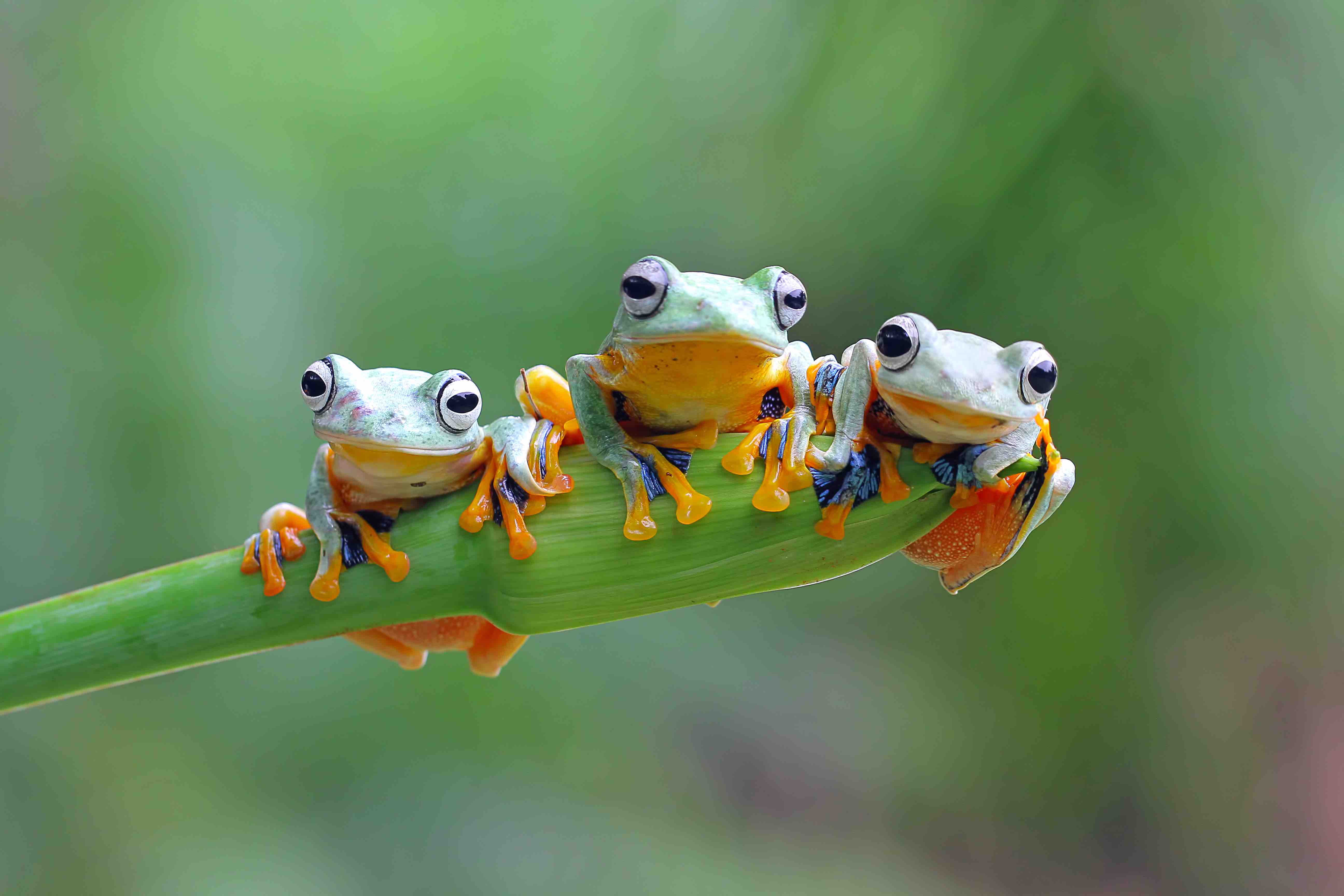
As the leaves change and the air turns crisp, we humans bundle up in layers, sip warm drinks, and crank up the heat. But what about our cold-blooded amphibian friends? How do frogs, creatures so seemingly vulnerable to the elements, manage to survive the harsh, freezing winters?
It's easy to take for granted the intricate processes of nature. We might casually wonder where the frogs go when the ponds freeze over, but rarely do we stop to consider the incredible adaptations these creatures possess. What challenges do these seemingly delicate animals face when the temperature plummets? How do they avoid becoming solid blocks of ice?
Frogs survive harsh winters through a variety of fascinating strategies, including hibernation (or brumation, a similar state for cold-blooded animals), freeze tolerance, and seeking shelter in mud or underwater. The specific method depends on the species of frog and the severity of the winter conditions.
From freeze tolerance, where some frogs actually allow parts of their bodies to freeze, to burrowing into the muddy depths to avoid the worst of the cold, frogs have evolved ingenious ways to beat the winter chill. They are truly masters of adaptation, demonstrating the resilience of life even in the face of seemingly insurmountable challenges. Key strategies include: hibernation, freeze tolerance, brumation, seeking shelter, mud burrowing, underwater survival, and species-specific adaptations.
Freeze Tolerance: An Amphibian Superpower
Freeze tolerance is an absolute marvel of nature's engineering. The idea that an animal can seemingly defy the laws of biology and allow itself to partially freeze, only to thaw and return to life in the spring, is something that always captivated me. I remember being a kid and finding a seemingly lifeless frog encased in ice on a cold winter day. I was devastated, convinced it was dead. But then, as the sun warmed it, the frog began to twitch and eventually hopped away! It was a magical moment that sparked a lifelong fascination with these incredible creatures.
How do they do it? Well, certain species, like the wood frog, have developed a remarkable ability to tolerate the formation of ice crystals within their bodies. As the temperature drops, they produce large amounts of glucose, which acts as a cryoprotectant, a natural antifreeze. This glucose prevents the formation of ice crystals inside their cells, which would otherwise cause fatal damage. Instead, ice forms in the spaces between cells, essentially dehydrating the cells and preventing them from bursting. Once temperatures rise, the frog thaws, the glucose is metabolized, and it returns to its normal activity. It's a complex and fascinating process that allows these frogs to survive conditions that would be lethal to most other animals. This remarkable adaptation highlights the incredible power of evolution and the ability of life to adapt to even the most extreme environments. The role of cryoprotectants, cellular dehydration, and the importance of gradual thawing are all crucial to the survival of freeze-tolerant frogs.
Hibernation: Waiting Out the Cold
Hibernation is another key strategy for frog survival during winter. Unlike freeze tolerance, where frogs actively endure freezing temperatures, hibernation involves seeking refuge from the cold and entering a state of dormancy. This strategy allows them to conserve energy and avoid the harshest conditions.
Frogs that hibernate typically seek out sheltered locations, such as mud burrows, leaf piles, or the bottoms of ponds and streams. The specific location varies depending on the species and the available resources. Once they find a suitable spot, they slow down their metabolism, lower their body temperature, and reduce their activity levels to a minimum. They essentially enter a state of suspended animation, waiting for warmer temperatures to return. For frogs that hibernate underwater, they can absorb oxygen directly from the water through their skin. This allows them to survive for extended periods without surfacing for air.
The key to successful hibernation is finding a location that provides adequate insulation and protection from freezing temperatures. It's also important for the frogs to have sufficient energy reserves to last throughout the winter. Hibernation is a complex and delicate process, but it's an essential survival strategy for many frog species. Without it, they would be unable to survive the harsh conditions of winter.
Myths and Folklore: Frogs as Harbingers of Spring
Frogs have long held a place in human folklore and mythology, often associated with water, transformation, and rebirth. Their appearance in the spring, after a long winter slumber, has led to them being seen as harbingers of warmer weather and new beginnings.
In many cultures, frogs are considered symbols of good luck and fertility. Their association with water and the life-giving properties of rain has made them revered figures. In some cultures, frogs are even believed to have magical powers, capable of bringing rain or curing illness. The myth of the frog prince, where a frog transforms into a handsome prince after being kissed, is a popular example of the transformative power attributed to frogs. This myth highlights the idea that beauty and potential can be hidden beneath a seemingly unattractive exterior.
The connection between frogs and spring is deeply rooted in human observation. Their reappearance after the winter months is a clear sign that the cold is over and that life is returning to the world. This association has made frogs a symbol of hope and renewal, representing the cycle of life and death and the promise of a brighter future. Their role in folklore reflects our long-standing fascination with these amphibians and their unique ability to survive the harsh conditions of winter.
The Secret to Underwater Survival: Cutaneous Respiration
One of the lesser-known secrets to frog survival in winter is their ability to breathe through their skin, a process called cutaneous respiration. This allows them to remain submerged for extended periods, even under ice, without needing to surface for air.
The skin of a frog is highly permeable to gases, allowing oxygen to diffuse directly into the bloodstream. This is particularly important for frogs that hibernate underwater, as they can absorb oxygen from the water even when the surface is frozen over. To maximize oxygen absorption, the skin must be kept moist. This is why frogs are typically found in or near water, as their skin can dry out quickly in dry environments.
Cutaneous respiration is not the only way frogs breathe. They also have lungs, which they use to breathe air when they are on land. However, during hibernation, their lung activity slows down considerably, and cutaneous respiration becomes their primary means of obtaining oxygen. This remarkable adaptation allows them to survive in environments where other animals would quickly suffocate. The effectiveness of cutaneous respiration depends on the frog species, the water temperature, and the oxygen levels in the water. Some species are better adapted to underwater survival than others, and colder water holds more oxygen than warmer water. Despite these variations, cutaneous respiration is a critical survival mechanism for many frog species during the winter months.
Recommendations for Helping Frogs Survive Winter
While frogs are generally well-equipped to handle winter on their own, there are a few things we can do to help them. One of the most important things is to protect their habitats. Wetlands, ponds, and streams provide essential breeding and overwintering grounds for frogs, and these areas are increasingly threatened by development and pollution.
Another important thing we can do is to avoid using pesticides and herbicides in our gardens and lawns. These chemicals can be harmful to frogs and other amphibians, as they can be absorbed through their skin. If you must use these chemicals, be sure to follow the instructions carefully and avoid spraying them near bodies of water.
You can also create frog-friendly habitats in your backyard. This can be as simple as adding a small pond or wetland area to your property. Be sure to include plenty of native plants, which will provide food and shelter for frogs. You can also add rocks and logs to create hiding places.
Finally, be mindful of frogs when you are out hiking or exploring in nature. Avoid disturbing their habitats and be careful not to step on them. If you see a frog that appears to be injured or in distress, contact your local wildlife rehabilitation center. By taking these simple steps, we can help ensure that frogs continue to thrive in our environment for generations to come. Protecting their habitats, avoiding harmful chemicals, creating frog-friendly habitats, and being mindful of their presence in nature are all important ways to help frogs survive the winter and beyond.
The Role of Mud: A Frog's Winter Blanket
Mud plays a critical role in the winter survival of many frog species. By burrowing into the mud at the bottom of ponds or streams, frogs can insulate themselves from the freezing temperatures above. The mud acts as a natural blanket, trapping heat and protecting them from the worst of the cold.
The depth to which frogs burrow into the mud varies depending on the species and the severity of the winter. Some species may only burrow a few inches, while others may burrow several feet. The key is to find a depth where the temperature remains relatively stable and above freezing.
The mud also provides a source of moisture, which is essential for frogs to survive during hibernation. As they breathe through their skin, they need to keep their skin moist to facilitate oxygen absorption. The mud helps to prevent their skin from drying out.
In addition to providing insulation and moisture, the mud also protects frogs from predators. By burying themselves in the mud, they become less visible to predators and less vulnerable to attack.
The type of mud is also important. Frogs typically prefer mud that is rich in organic matter, as this provides a source of food and nutrients. They may also consume small insects and other invertebrates that live in the mud.
The mud is not just a refuge for frogs; it is also a complex and dynamic ecosystem that supports a variety of other organisms. By protecting mud habitats, we are not only helping frogs survive the winter but also preserving the biodiversity of these important ecosystems. Protecting wetland habitats, ensuring water quality, and preventing erosion are all crucial for maintaining healthy mud environments for frogs.
Tips for Identifying Frog Habitats
Being able to identify potential frog habitats is a valuable skill, both for appreciating these amazing creatures and for helping to protect them. Here are some tips for spotting frog-friendly environments:
- Look for wetlands: Wetlands are the most obvious sign of potential frog habitat. These include ponds, marshes, swamps, and bogs. These areas provide the water and vegetation that frogs need to survive.
- Listen for frog calls: During the breeding season, male frogs will call to attract mates. Learning to identify the calls of different frog species can help you locate their habitats. You can find recordings of frog calls online or in field guides.
- Check under rocks and logs: Frogs often hide under rocks and logs, especially during the day when they are trying to avoid predators. Gently lift rocks and logs to see if any frogs are hiding underneath. Be sure to replace the rocks and logs as you found them, as disturbing their habitat can be harmful.
- Look for tadpoles: Tadpoles are the larval stage of frogs and can be found in ponds and streams. They are often small and brown or green in color. If you see tadpoles, it's a good sign that frogs are breeding in the area.
- Observe the vegetation: Frogs prefer habitats with plenty of vegetation, as this provides cover and food. Look for areas with dense grasses, reeds, and aquatic plants.
- Be aware of your surroundings: Frogs are often found near human settlements, especially in gardens and parks. Be mindful of your surroundings and avoid using pesticides or herbicides in areas where frogs may be present. By following these tips, you can become a more observant naturalist and help to protect frog habitats in your community. Identifying key features like water sources, vegetation cover, and potential hiding places will increase your chances of finding frog habitats.
The Importance of Water Temperature
Water temperature plays a crucial role in the survival of frogs during the winter months. Cold-blooded animals like frogs rely on external sources of heat to regulate their body temperature. As water temperatures drop, their metabolism slows down, and they become less active.
The ideal water temperature for frogs varies depending on the species. Some species can tolerate colder water than others. However, most frogs need to avoid freezing temperatures to survive.
When water freezes, it expands, which can damage the tissues of frogs. To avoid this, some frogs produce cryoprotectants, which are substances that prevent ice crystals from forming inside their cells. Other frogs bury themselves in the mud at the bottom of ponds or streams, where the temperature is more stable.
The water temperature also affects the amount of oxygen available to frogs. Colder water holds more oxygen than warmer water. This is important for frogs that hibernate underwater, as they need to be able to absorb oxygen through their skin.
Changes in water temperature can also affect the timing of frog breeding. Warmer temperatures can trigger frogs to emerge from hibernation earlier in the spring and begin breeding. However, if the weather turns cold again, this can be detrimental to their survival.
Climate change is having a significant impact on water temperatures around the world. As temperatures rise, many frog habitats are becoming less suitable for them. This is especially true for species that are adapted to colder climates. Protecting frog habitats and reducing greenhouse gas emissions are essential for ensuring that frogs can continue to survive in a changing world. Understanding the relationship between water temperature, oxygen levels, and frog physiology is key to understanding their winter survival strategies.
Fun Facts About Frog Hibernation
Frog hibernation is full of surprising and fascinating facts. Did you know that some frogs can survive being frozen solid? Or that they can absorb oxygen directly from the water through their skin? Here are a few more fun facts to impress your friends:
Wood frogs can survive multiple freeze-thaw cycles throughout the winter. They can literally freeze and thaw without suffering any permanent damage.
Some frogs can stay submerged underwater for months at a time during hibernation. They slow down their metabolism so much that they require very little oxygen.
The spring peeper is one of the first frogs to emerge from hibernation in the spring. Their high-pitched calls are a sure sign that warmer weather is on the way.
Leopard frogs sometimes hibernate in groups, huddled together for warmth. This helps them to conserve energy and stay warm during the coldest months.
Some frogs secrete a layer of mucus over their skin during hibernation. This helps to protect them from drying out and from predators.
The boreal chorus frog can survive at temperatures as low as -8 degrees Celsius. This makes it one of the most cold-tolerant frog species in the world.
Frogs that hibernate underwater may bury themselves in the mud to avoid predators. This also helps to insulate them from the cold.
Some frogs can even change their skin color during hibernation to better blend in with their surroundings. This helps them to avoid being detected by predators.
Frogs are important indicators of environmental health. Their sensitivity to pollution and habitat loss makes them a valuable tool for monitoring the health of our ecosystems.
By learning more about frog hibernation, we can better understand and appreciate these amazing creatures. And by protecting their habitats, we can help ensure that they continue to thrive for generations to come. Their ability to withstand extreme conditions, combined with their ecological importance, makes them truly remarkable amphibians.
How to Create a Frog-Friendly Winter Habitat
If you want to help frogs survive the winter in your backyard, there are several things you can do to create a frog-friendly habitat. Here's a step-by-step guide:
- Provide a water source: A pond, stream, or even a shallow dish of water can provide frogs with a place to hibernate. Make sure the water source is deep enough so that it doesn't freeze solid during the winter.
- Add vegetation: Native plants provide frogs with cover and food. Include a variety of plants, such as grasses, reeds, and aquatic plants.
- Create hiding places: Frogs need places to hide from predators and the elements. Add rocks, logs, and leaf piles to your backyard.
- Avoid using pesticides and herbicides: These chemicals can be harmful to frogs and other amphibians. Use natural methods to control pests and weeds.
- Keep your yard clean: Remove debris and clutter from your yard to create a safe environment for frogs.
- Provide a muddy area: Some frogs like to burrow into the mud during hibernation. Create a muddy area in your backyard by mixing soil with water.
- Protect your pond from freezing solid: If you have a pond, you can use a pond heater or aerator to prevent it from freezing solid. This will allow frogs to access oxygen and survive the winter.
- Don't disturb hibernating frogs: If you find a frog that is hibernating, leave it alone. Disturbing it can disrupt its hibernation and reduce its chances of survival.
- Educate your neighbors: Let your neighbors know about the importance of protecting frogs and their habitats. Encourage them to create frog-friendly habitats in their own yards.
- Support local conservation efforts: Support local organizations that are working to protect frog habitats and promote amphibian conservation. By following these steps, you can create a backyard that is a haven for frogs and help them survive the winter months. Providing adequate water, shelter, and food, while avoiding harmful chemicals, is key to creating a thriving frog habitat.
What If Frogs Disappeared?
Imagine a world without frogs. The consequences of their disappearance would be far-reaching and devastating, impacting ecosystems and even human health. Frogs play a vital role in the food chain, serving as both predators and prey. As tadpoles, they consume algae and help to keep waterways clean. As adults, they eat insects, helping to control populations of mosquitoes and other pests. Without frogs, insect populations would likely explode, leading to increased crop damage and the spread of diseases like malaria and Zika virus.
Frogs are also an important food source for many animals, including birds, snakes, and mammals. If frogs disappeared, these animals would be deprived of a key food source, which could lead to declines in their populations. The loss of frogs would also disrupt the delicate balance of ecosystems. They help to cycle nutrients and maintain biodiversity. Their disappearance would likely lead to a cascade of effects, impacting other species and the overall health of the environment.
Beyond their ecological importance, frogs also have cultural and medicinal value. They have long been used in traditional medicine to treat a variety of ailments. Scientists are also studying frog skin secretions for potential new drugs. The loss of frogs would mean the loss of these potential medical breakthroughs.
The disappearance of frogs would be a sign of a severely damaged environment. Their sensitivity to pollution and habitat loss makes them an indicator species, a warning sign that something is wrong with our ecosystems. Protecting frogs is not just about saving these amazing creatures; it's about protecting the health of our planet and ensuring a sustainable future for all. The ripple effects of their loss would be felt throughout the ecosystem, highlighting their crucial role in maintaining a healthy environment.
Top 5 Frog Winter Survival Strategies
Here's a listicle summarizing the top 5 ways frogs survive harsh winters:
- Freeze Tolerance: Certain frog species, like the wood frog, have the incredible ability to withstand freezing temperatures. They produce cryoprotectants that prevent ice crystals from forming inside their cells, allowing them to survive being partially frozen.
- Hibernation in Mud: Many frogs burrow into the mud at the bottom of ponds and streams to insulate themselves from the cold. The mud acts as a blanket, trapping heat and protecting them from freezing.
- Underwater Respiration: Some frogs can absorb oxygen directly from the water through their skin, allowing them to remain submerged for extended periods without needing to surface for air.
- Seeking Shelter in Leaf Piles or Logs: Other frog species seek shelter in leaf piles, under logs, or in other protected areas to avoid the worst of the cold. These areas provide insulation and protection from predators.
- Brumation: Similar to hibernation, brumation is a state of dormancy that allows frogs to conserve energy and survive the winter months. During brumation, frogs slow down their metabolism and reduce their activity levels to a minimum.
These strategies allow frogs to survive in a variety of different environments and conditions. Their adaptability is a testament to their resilience and their ability to thrive in even the harshest of climates. Understanding these strategies can help us to better appreciate these amazing creatures and protect their habitats. From freeze tolerance to underwater respiration, frogs have developed a remarkable array of adaptations for surviving the winter months.
Question and Answer about How Frogs Survive Harsh Winters
Here are some common questions and answers about how frogs survive harsh winters:
Question: How do frogs keep from freezing solid in the winter?
Answer: Some frogs, like the wood frog, have evolved the ability to tolerate freezing. They produce a natural antifreeze, called a cryoprotectant, that prevents ice crystals from forming inside their cells, allowing them to survive being partially frozen.
Question: Where do frogs go during the winter?
Answer: Many frogs hibernate in mud burrows, under logs, or in leaf piles. Others hibernate underwater at the bottom of ponds or streams.
Question: How do frogs breathe underwater during the winter?
Answer: Frogs can absorb oxygen directly from the water through their skin, a process called cutaneous respiration. This allows them to remain submerged for extended periods without needing to surface for air.
Question: What can I do to help frogs survive the winter in my backyard?
Answer: You can provide frogs with a water source, add vegetation, create hiding places, and avoid using pesticides and herbicides. You can also protect your pond from freezing solid and educate your neighbors about the importance of protecting frogs and their habitats.
Conclusion of How Frogs Survive Harsh Winters
Frogs, seemingly delicate creatures, possess remarkable adaptations that allow them to thrive even in the face of harsh winters. From their ability to freeze solid and thaw out unharmed, to their capacity to breathe underwater and seek shelter in muddy depths, frogs are truly masters of survival. Their strategies highlight the incredible power of evolution and the resilience of life. By understanding how frogs survive the winter, we can gain a deeper appreciation for these amazing amphibians and take steps to protect their habitats and ensure their survival for generations to come.
0 Response to "How Frogs Survive Harsh Winters"
Post a Comment