How Bees Communicate With Dance
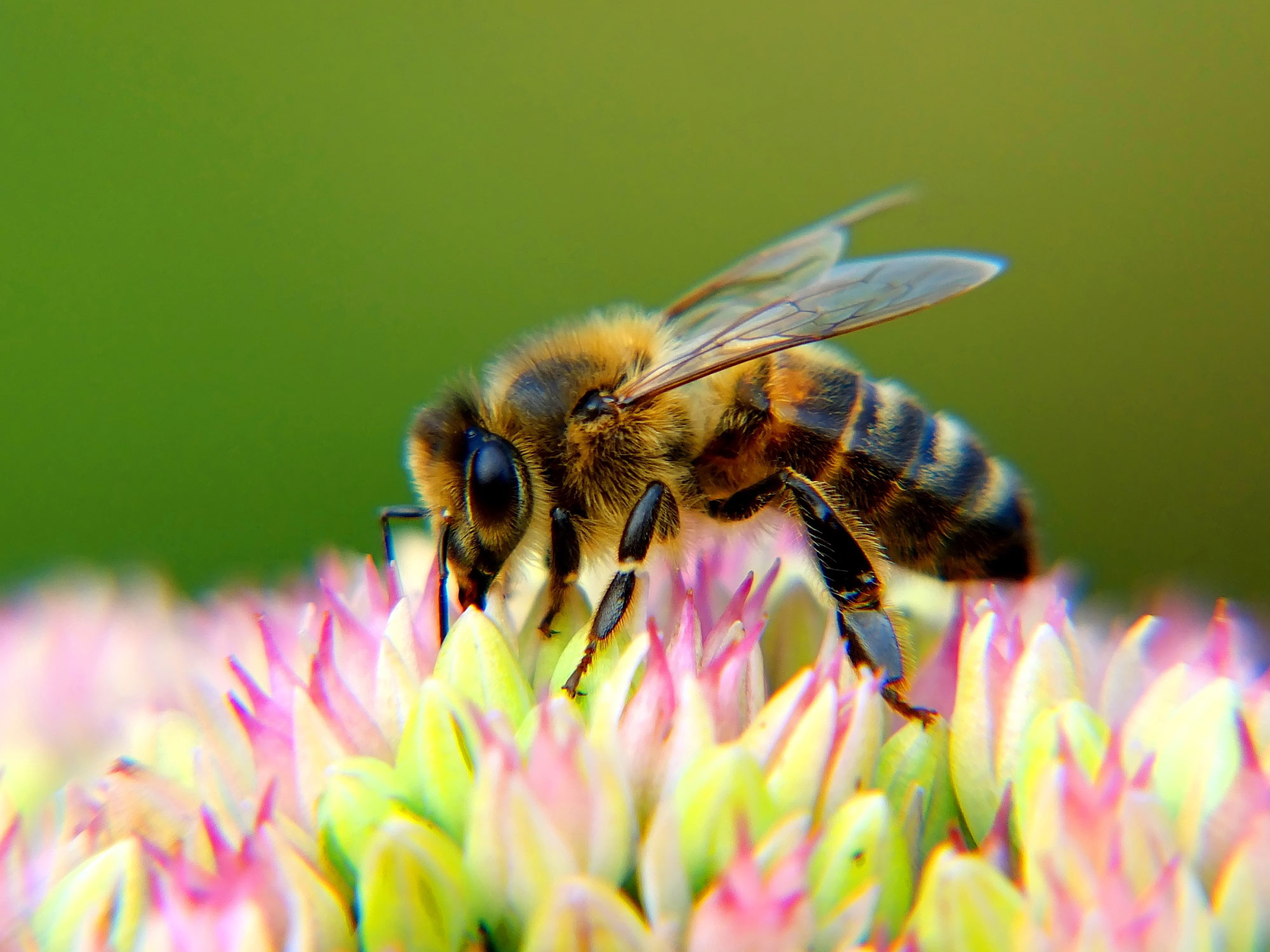
Imagine a bustling city, but instead of cars and billboards, the streets are paved with honeycomb and the advertisements are tiny, vibrating bees. This isn't a fantasy; it's the reality inside a beehive, where intricate dances serve as a complex language, guiding workers to the best food sources.
Ever wonder how a swarm of bees can find the single best patch of flowers for miles around? Or how they manage to coordinate their efforts with such incredible efficiency? It seems almost impossible that these tiny creatures, with their limited brainpower, could achieve such a sophisticated level of communication and organization.
This blog post dives into the fascinating world of bee communication, specifically exploring how they use dance to share vital information about the location, distance, and quality of food sources. We'll unravel the secrets of the waggle dance and the round dance, revealing the intricate details of this remarkable form of animal communication.
In essence, bees are master communicators. Their dances are not just random movements; they are a sophisticated language encoded in motion, vibration, and even scent. They tell their sisters about flower locations, their quality, and even the best route to take. The "waggle dance," in particular, is a marvel of nature, conveying precise directional information. From the earliest observations to modern scientific analysis, understanding bee dances has revealed fundamental insights into animal behavior and the evolution of communication.
The Waggle Dance: A Bee's GPS
I remember watching a nature documentary as a kid and being absolutely mesmerized by the footage of a bee performing the waggle dance. The way it moved, almost vibrating its abdomen, and the intensity with which the other bees watched – it looked like they were attending some sort of secret meeting. That initial fascination sparked a lifelong interest in animal communication, and bee dances, in particular, have always stood out as a prime example of the complexity and beauty of the natural world.
The waggle dance is the most famous and arguably the most sophisticated form of communication used by honeybees. It's primarily used to convey information about the location of distant food sources, typically those located more than 50-100 meters from the hive. The dance itself is performed on the vertical surface of the honeycomb inside the dark hive. A forager bee, upon returning with a load of nectar or pollen, will begin to "waggle" its abdomen while tracing a figure-eight pattern.
The direction of the waggle run – the straight portion of the figure-eight – indicates the direction of the food source relative to the current position of the sun. If the waggle run points straight up, it means the food source is located directly in the direction of the sun. If it points 30 degrees to the right of vertical, the food source is 30 degrees to the right of the sun. The duration of the waggle run corresponds to the distance to the food source. A longer waggle run indicates a greater distance. The intensity of the waggle, and the number of waggles per run, can indicate the quality of the food source, with more intense waggling suggesting a more rewarding patch of flowers.
The Round Dance: Nearby Treats
While the waggle dance is for longer journeys, what about nearby treats? Before diving into the complexities of the waggle dance, it's important to understand the round dance, its simpler cousin. The round dance is employed when a food source is relatively close to the hive, typically within a radius of 50-100 meters. Unlike the waggle dance, the round dance doesn't convey specific directional information. Instead, it serves to alert other bees to the presence of a nearby food source and its general scent profile.
The round dance is just as it sounds: the forager bee simply runs around in a small circle, alternating direction between clockwise and counterclockwise. As she dances, she regurgitates a small amount of the nectar she collected, allowing the other bees to sample its scent. This scent information is crucial because it allows the other bees to identify the specific type of flower they should be searching for. The more vigorous and energetic the round dance, the more attractive the food source is perceived to be.
Following bees then leave the hive and begin searching in the general vicinity, guided by the scent of the flowers that the dancing bee brought back. The round dance is essentially a signal that says, "Hey, there's something good nearby! Go find it!" While it lacks the precision of the waggle dance, it's a quick and effective way to recruit other bees to exploit nearby resources.
A History of Discovery and Debate
The story of how we came to understand bee dances is just as fascinating as the dances themselves. It all started with Karl von Frisch, an Austrian ethologist who dedicated his life to studying animal behavior, particularly that of bees. In the early 20th century, von Frisch began to meticulously observe and document the behavior of bees inside and outside the hive. Through countless hours of observation, experimentation, and careful analysis, he gradually pieced together the puzzle of bee communication.
Von Frisch's groundbreaking work revealed that bees weren't just randomly searching for food; they were actively communicating information about the location of resources to their fellow workers. His initial observations led him to identify the round dance and the waggle dance as distinct forms of communication, each used in different contexts. He proposed that the waggle dance conveyed information about both the distance and direction of food sources, a revolutionary idea at the time.
However, von Frisch's theories weren't immediately accepted by the scientific community. Some researchers questioned whether the dances were truly communicative or simply random behaviors. Others proposed alternative explanations for how bees found food, suggesting that they relied solely on scent or visual cues. Despite the skepticism, von Frisch persevered in his research, conducting further experiments to support his claims. Over time, the evidence in favor of his theory became overwhelming, and he eventually received the Nobel Prize in Physiology or Medicine in 1973 for his groundbreaking work on bee communication. His discoveries opened up entirely new avenues of research in the fields of animal behavior and communication.
The Hidden Secrets Within the Dance
Beyond the basics of direction and distance, there are subtle nuances within the waggle dance that reveal even more about the foraging environment. Bees are not just robots; they are constantly evaluating the quality of food sources and adjusting their dances accordingly. For example, the intensity of the waggle run can indicate the sugar concentration of the nectar. A bee returning with high-quality nectar will perform a more vigorous waggle dance, attracting more recruits to that particular food source. Conversely, a bee returning with low-quality nectar may perform a less enthusiastic dance, or even choose not to dance at all.
Furthermore, the dance can be influenced by factors such as the presence of predators or competitors. If a bee encounters a dangerous situation while foraging, she may alter her dance to warn other bees about the threat. For example, she might shorten the waggle run or decrease the intensity of the waggling, signaling that the food source is not worth the risk. Bees can also incorporate information about the terrain into their dances. They may adjust the angle of the waggle run to account for obstacles such as hills or forests, ensuring that other bees can find the food source efficiently.
In essence, the waggle dance is a dynamic and flexible form of communication that allows bees to adapt to changing environmental conditions. It's not just a simple map; it's a constantly updated assessment of the foraging landscape, reflecting the bees' collective experience and knowledge. Bees are not just communicating direction and distance; they are engaging in a form of collective decision-making, sharing information and adjusting their behavior to maximize their chances of success.
Recommendations for Bee-Friendly Gardens
Inspired by the complexity of bee communication, many people are motivated to create bee-friendly environments in their own backyards. One of the most effective ways to support bees is to plant a diverse range of flowers that provide nectar and pollen throughout the growing season. Choose native plants whenever possible, as these are often best adapted to the local climate and provide the most nutritious food for local bee populations. Consider planting flowers in clumps or patches of the same species, as this makes it easier for bees to find and collect nectar and pollen.
Avoid using pesticides or herbicides in your garden, as these chemicals can be harmful to bees and other beneficial insects. If you must use pesticides, choose options that are less toxic to bees and apply them in the evening, when bees are less active. Provide a source of fresh water for bees, such as a shallow dish filled with pebbles or marbles. This will give bees a place to land and drink without drowning. Leave some areas of your garden undisturbed, allowing bees to nest in the ground or in hollow stems.
By creating a bee-friendly garden, you can not only support local bee populations but also enjoy the beauty and wonder of these fascinating creatures up close. When you see a bee foraging in your garden, take a moment to appreciate the complex communication and social organization that underpin its behavior. You might even imagine it performing a waggle dance to guide its sisters to your garden, a testament to the power of their intricate language.
Understanding the Dance Language
Deciphering the bee dance language has been a long journey involving the hard work of researchers and scientists. Bees use the sun as a compass, and their dances are all oriented according to the position of the sun. However, the dance takes place in the dark hive. Bees compensate for the sun's movement by constantly adjusting their dance. The dance is a highly adaptable system that changes to meet different conditions. For example, wind, predators, and the availability of food all affect the message that bees send.
Another interesting fact is that bees also use sound. Bees create vibrations while dancing. Other bees perceive these vibrations and use them to navigate to the food source. This means that bees are not just using sight, but also sound to communicate. By understanding the bee dance, humans gain valuable insights into the behavior of these essential pollinators. More than that, it tells us that communication is not limited to humans and that there are all sorts of means and ways of communicating with each other.
One of the most remarkable aspects of the bee dance is its efficiency. The dance accurately conveys information that helps bees find food. Bees play a key role in the pollination of many crops. The dance is important to maintaining healthy ecosystems and food production. The waggle dance is an amazing example of animal communication. It highlights the complexity and intelligence of bees. Further research will definitely help reveal even more about the inner workings of the bee world.
Tips for Observing Bee Behavior
If you're interested in observing bee behavior firsthand, there are a few tips that can help you get the most out of your experience. First, approach bees with respect and caution. Avoid making sudden movements or loud noises that could startle them. Wear light-colored clothing, as dark colors can attract bees. Observe bees from a distance, using binoculars if necessary. Look for signs of foraging activity, such as bees visiting flowers or carrying pollen on their legs. Notice the different types of flowers that bees are visiting and the time of day they are most active.
If you have a beehive nearby, you may be able to observe bees entering and exiting the hive. Watch for bees that are performing the waggle dance on the landing board. Pay attention to the direction and intensity of the waggle run, and try to correlate it with the location of nearby flowers. Consider setting up a video camera to record bee behavior over time. This can allow you to analyze their movements and interactions in more detail. Join a local beekeeping association or nature club to learn more about bees and their behavior from experienced beekeepers and naturalists.
Remember that bees are an essential part of our ecosystem, and their survival depends on our understanding and appreciation of their behavior. By observing bees and learning about their intricate communication system, you can gain a deeper connection to the natural world and contribute to their conservation.
Decoding the Vibration
While the visual aspects of the waggle dance are readily apparent, there's more to the story. Bees live in the darkness of the hive. They communicate via vibration. The dancing bee vibrates her body. Nearby bees feel those vibrations. These vibrations convey information about distance. The frequency of the vibration shows how far away the food source is.
Researchers use special equipment to measure the vibrations. The vibrations are transmitted through the honeycomb. The bees use their antennae to detect vibrations. The vibrations are an important part of the communication system. The study of vibrations is known as bioacoustics. These vibrations play a role in different parts of their life. Bees use vibrations to communicate about danger. They also communicate about swarming and queen status. The discovery of vibrations has added a new dimension to the dance language of bees. It emphasizes the multi-sensory communication strategies of bees. This is more than what humans think when it comes to communication. Vibrations enhance their chances of surviving. They help them adapt in a changing environment.
Bees show an incredible capacity for communication. It's an illustration of the intricacies of nature. The ability of bees to talk using different kinds of signals is worth appreciating and understanding.
Fun Facts About Bee Communication
Did you know that each bee colony has its own unique "dialect" of the waggle dance? The specific angle and duration of the waggle run can vary slightly from colony to colony, reflecting differences in the local environment and foraging conditions. Bees can also learn new dialects if they are introduced to a new colony. Bees can also communicate through pheromones, chemical signals that convey a variety of information, such as alarm signals, mating signals, and colony identity. The queen bee releases a special pheromone that suppresses the development of ovaries in worker bees, preventing them from laying eggs.
Bees can detect polarized light, which allows them to navigate even on cloudy days. Polarized light is created when sunlight is scattered by the atmosphere, and bees can use it to determine the direction of the sun. The dance is not fixed. It changes with the colony's needs and the environment. Bees are very good at adapting. It is amazing that a small insect can have such a detailed communication system. Studying bees can give us important insights into communication in general.
Bees provide valuable information about the environment. The bee dance is an efficient way to communicate about resources. The waggle dance is still being explored today. There is so much that we can still learn about bees. Bees have an important role in supporting ecosystems. So we need to protect bees for future generations.
How to Support Bee Populations
Want to help the world's bee population? Start small! Plant flowers in your garden that bees love. Use native plants in your garden. Native plants can give the bees a great food source. Avoid pesticides and herbicides. These can harm the bees and other living creatures. Provide a water source. Bees need water just like any living thing. Leave areas undisturbed in your garden. Let the bees nest in the ground without being disturbed.
Support local beekeepers. They will help to care for the bees. Educate others about bees. Spread awareness about the importance of bees. Advocate for policies that protect the environment. Reduce your carbon footprint. Bees are extremely important to the world's ecosystem. Start your own hive. It is a fun and rewarding experience. Bees will help your gardens bloom. They'll also make delicious honey. Support bee research and conservation efforts. Donate to organizations working to protect bees.
Join a local beekeeping group or club. Take a class about bees. The dance of the bees will come alive when you understand it. Take action. Bees are a major part of our planet and all of its ecosystems. Small actions can make a big difference. Together, we can create a more bee-friendly world!
What If Bees Disappeared?
Imagine a world without bees. It would be a very different and difficult place. The flowers would no longer bloom in the same beautiful way. The fruits and vegetables in the markets would be drastically reduced. The crops rely on bees for pollination. The disappearance of bees would mean a significant decline in crop yields. The food prices would skyrocket. It would be harder for people to have access to fresh and healthy food.
The ecosystems would be disrupted. Many plants rely on bees for pollination. The loss of bees would lead to a decline in plant populations. The animals that depend on these plants would be affected as well. The world would be a less colorful and diverse place. The forests would be less diverse. The meadows would be less vibrant. The food security would be compromised. The food system relies on bees. The food system would be weakened and at risk without them.
The economy would suffer. Many industries depend on bee pollination. The farming, beekeeping, and food processing would be affected. The livelihoods of millions of people would be at risk. Bees make honey. People all over the world benefit from the beauty, function, and productivity of the world because of bees. The importance of bees is essential to life. Protecting bees is protecting the world. Preserving the ecosystems for future generations will ensure the continuity of the bee population.
Listicle: 10 Amazing Bee Dance Facts
1. The waggle dance tells other bees the direction, distance, and quality of a food source.
2. Bees use the sun as a compass when performing the waggle dance.
3. The round dance informs bees of food sources nearby.
4. Bees communicate with vibrations and sounds, in addition to visual cues.
5. Karl von Frisch won a Nobel Prize for his discoveries about bee communication.
6. Bees can learn different "dialects" of the waggle dance.
7. Pheromones also play a vital role in bee communication.
8. Bees can detect polarized light, which aids in navigation.
9. Each bee colony has its unique waggle dance variations.
10. The intensity of the waggle dance indicates the quality of the food source.
Question and Answer about How Bees Communicate With Dance
Q1: What is the main purpose of the waggle dance?
A1: The main purpose of the waggle dance is to communicate the location, distance, and quality of a food source to other bees in the hive.
Q2: How do bees indicate the direction of a food source in the waggle dance?
A2: The direction of the waggle run relative to the sun indicates the direction of the food source. If the waggle run points straight up, the food source is in the direction of the sun. The angle to the right or left shows the angle to the sun's position.
Q3: What does the duration of the waggle run signify?
A3: The duration of the waggle run corresponds to the distance to the food source. A longer waggle run indicates a greater distance.
Q4: What other forms of communication do bees use besides dance?
A4: In addition to dance, bees use pheromones (chemical signals) and vibrations to communicate. Pheromones convey information about alarm signals, mating signals, and colony identity, while vibrations enhance communication in the dark hive.
Conclusion of How Bees Communicate With Dance
The bee's dance is a magnificent illustration of the complexities of nature. It demonstrates that communication in the animal world goes well beyond what people may first anticipate. The bee's ability to communicate in the environment is crucial for pollination and the overall health of ecosystems. Understanding and appreciating the bee's dance inspires the protection of bees and their habitats. Through continued research, we can better understand the inner workings of bee society and safeguard these important insects for future generations.
0 Response to "How Bees Communicate With Dance"
Post a Comment