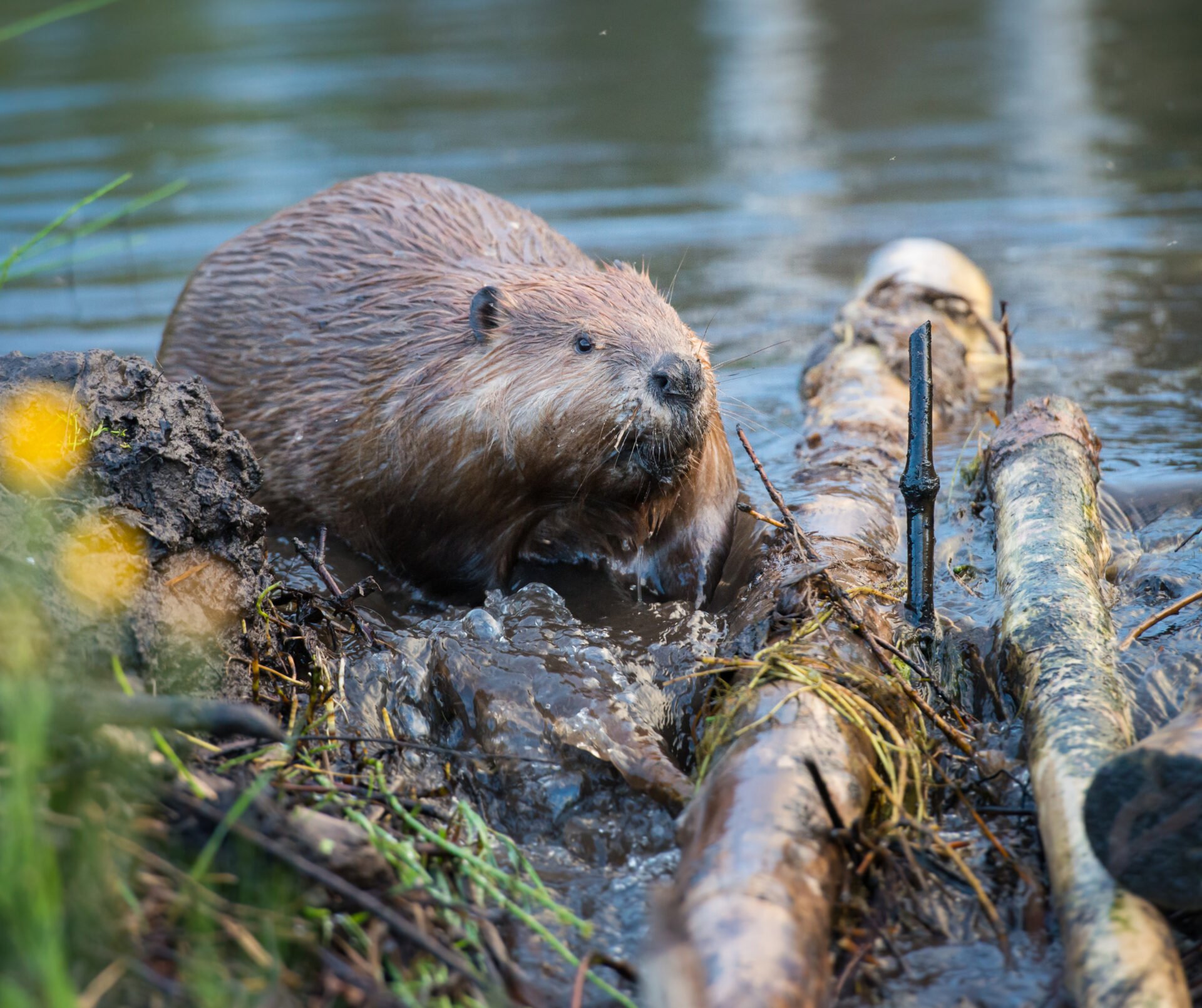
Imagine a creature that can single-handedly reshape landscapes, turning trickling streams into vibrant wetlands teeming with life. No, it's not a mythical beast, but a humble rodent: the beaver. These industrious animals are nature's engineers, and their impact on rivers and forests is profound.
We often think of nature as a static backdrop, something separate from our lives. When we encounter environmental issues, like flooding or habitat loss, it can feel overwhelming, as if these problems are too big for any one solution. It's easy to feel disconnected from the natural processes that shape the world around us, unaware of the intricate roles that even seemingly small creatures play.
This article delves into the fascinating world of beavers and explores how their dam-building activities dramatically alter rivers and forests. We'll uncover the ecological benefits of their engineering feats, from creating essential habitats to mitigating floods and improving water quality. Prepare to be amazed by the power of these furry ecosystem architects!
Beavers, with their dam-building expertise, are more than just rodents; they are ecosystem engineers. Their activities create wetlands, improve water quality, and increase biodiversity. From flood control to habitat creation, the positive effects of beaver dams on rivers and forests are undeniable, highlighting the crucial role they play in maintaining healthy ecosystems. We'll cover all these, delving into their impact on biodiversity, water quality, and even climate change mitigation.
Personal Experience: Discovering a Beaver's Handiwork
I remember hiking through a familiar forest trail, expecting the usual babbling brook I'd always enjoyed. Instead, I was met with a sprawling pond, complete with submerged trees and a chorus of frogs I'd never heard before. Initially, I was confused, almost annoyed at the change. But as I looked closer, I saw the telltale sign: a sturdy dam built of branches and mud, clearly the work of beavers. It was a revelation. I realized that this wasn't just a change; it was a transformation, a deliberate act of engineering that had created a whole new ecosystem in its wake. It struck me how much potential small creaters have to alter their surrounding.
This experience sparked a deeper interest in understanding how beavers engineer their environments. Beavers are considered "keystone species" because their activities have a disproportionately large impact on their ecosystems relative to their abundance. By building dams, they create ponds and wetlands that provide habitat for a wide range of species, from fish and amphibians to birds and mammals. These ponds also act as natural filters, removing pollutants and improving water quality. The slower water flow allows sediments to settle, and the increased wetland vegetation absorbs nutrients, leading to cleaner, healthier waterways. Moreover, beaver dams can help to mitigate flooding by storing water during periods of heavy rainfall and releasing it slowly during dry periods. This natural flood control can protect downstream communities and reduce the risk of erosion.
Understanding Beaver Dams: Nature's Reservoirs
Beaver dams are structures created by beavers to create ponds and wetlands. These dams are typically constructed from branches, logs, mud, and stones, and they can vary in size from small structures a few feet high to large complexes stretching hundreds of feet across a river. The primary purpose of a beaver dam is to create a safe and stable habitat for the beaver family, providing them with access to food and protection from predators.
However, the ecological benefits of beaver dams extend far beyond the beaver family itself. The ponds created by these dams serve as vital habitat for a diverse array of species, including fish, amphibians, reptiles, birds, and mammals. The slow-moving water and abundant vegetation provide food, shelter, and breeding grounds for these animals. Beaver ponds also act as natural filters, improving water quality by trapping sediments and pollutants. The wetland vegetation absorbs nutrients, further purifying the water. In addition, beaver dams can help to recharge groundwater aquifers and mitigate flooding by storing water during periods of heavy rainfall. The controlled release of water from these dams during dry periods can help to maintain streamflow and support downstream ecosystems.
Beavers in History and Mythology: From Fur Trade to Ecological Heroes
Beavers have long held a significant place in human history and mythology. In North America, the fur trade was a major driver of exploration and colonization, with beaver pelts being highly valued in Europe. The demand for beaver fur led to the widespread trapping of beavers, decimating their populations in many areas. However, attitudes towards beavers have shifted in recent decades, with a growing recognition of their ecological importance.
In some Indigenous cultures, beavers are revered as symbols of hard work, ingenuity, and community. Their dam-building skills are seen as a testament to their ability to transform the environment for the benefit of all. In European folklore, beavers are often portrayed as industrious and resourceful creatures. Today, beavers are increasingly being recognized as ecological heroes, playing a vital role in restoring degraded ecosystems and mitigating the impacts of climate change. Efforts are underway to reintroduce beavers to areas where they have been extirpated and to protect existing beaver populations. The restoration of beaver populations is seen as a key strategy for enhancing biodiversity, improving water quality, and building resilience to climate change.
The Hidden Secrets of Beaver Engineering: Beyond the Dam
While beaver dams are the most visible sign of their engineering prowess, beavers also engage in other activities that significantly alter their environments. They create canals to transport logs and other building materials, and they build lodges for shelter and protection. These activities further contribute to the complexity and diversity of beaver-modified landscapes.
Beaver canals are shallow waterways that beavers dig to float logs and branches from the forest to their dams. These canals can extend for hundreds of feet, creating a network of interconnected waterways that facilitate the movement of materials and allow beavers to access food resources more efficiently. Beaver lodges are dome-shaped structures built from branches, mud, and stones, providing beavers with a safe and secure place to rest, raise their young, and store food. The lodges are typically located in the center of a beaver pond and are accessible only through underwater entrances, providing protection from predators. The combination of dams, canals, and lodges creates a complex and dynamic landscape that supports a wide range of species and provides numerous ecological benefits. These hidden elements contribute to the overall resilience and stability of beaver-modified ecosystems.
Recommendation: Supporting Beaver Conservation and Restoration
Given the significant ecological benefits of beavers, it is essential to support their conservation and restoration. This can be achieved through a variety of strategies, including protecting existing beaver populations, reintroducing beavers to areas where they have been extirpated, and promoting beaver-friendly land management practices.
Protecting existing beaver populations involves safeguarding their habitat from development and other threats. This can be accomplished through land acquisition, conservation easements, and regulations that limit activities that could harm beavers or their habitat. Reintroducing beavers to areas where they have been extirpated can help to restore degraded ecosystems and enhance biodiversity. This process typically involves trapping beavers from areas where they are abundant and relocating them to suitable habitat in areas where they are absent. Beaver-friendly land management practices include avoiding the removal of beaver dams, allowing beavers to naturally modify stream channels, and managing forests in a way that provides beavers with a sustainable supply of food and building materials. By implementing these strategies, we can help to ensure that beavers continue to play a vital role in shaping our landscapes and supporting healthy ecosystems for generations to come.
Understanding Beaver Dam Analogues (BDAs)
Beaver Dam Analogues (BDAs) are human-built structures designed to mimic the functions of natural beaver dams. They are often constructed in areas where beavers have been extirpated or where natural dam building is not feasible. BDAs can be made from a variety of materials, including wood, rocks, and soil, and they are typically designed to be permeable, allowing water to flow through them while still creating a pool of water behind the structure.
The primary purpose of BDAs is to restore degraded stream ecosystems and enhance biodiversity. By creating pools of water and slowing down water flow, BDAs can help to improve water quality, increase groundwater recharge, and provide habitat for a wide range of species. They can also help to reduce erosion and mitigate flooding. BDAs are often used in conjunction with beaver reintroduction efforts to create a more favorable environment for beavers to establish themselves. The presence of BDAs can encourage beavers to build their own dams, further enhancing the ecological benefits of the restoration project. BDAs are a valuable tool for restoring stream ecosystems and promoting beaver-mediated restoration.
Practical Tips: Coexisting with Beavers
While beavers provide numerous ecological benefits, their dam-building activities can sometimes conflict with human interests. For example, beaver dams can flood roads, agricultural fields, and other infrastructure. However, there are a variety of strategies that can be used to minimize these conflicts and promote coexistence with beavers.
One approach is to install beaver deceivers, which are devices that prevent beavers from damming culverts and other structures. These devices typically consist of a pipe or fence that allows water to flow through the structure without being blocked by the beaver dam. Another approach is to install flow devices, which are pipes that allow water to bypass the beaver dam and maintain a certain water level upstream. These devices can help to prevent flooding without removing the beaver dam altogether. In some cases, it may be necessary to remove a beaver dam if it is causing significant damage. However, this should be done as a last resort, as beaver dams provide numerous ecological benefits. When removing a beaver dam, it is important to do so in a way that minimizes the impact on the surrounding ecosystem. This may involve removing the dam gradually or installing a beaver deceiver or flow device before removing the dam. By implementing these strategies, we can coexist with beavers and enjoy the many benefits they provide while minimizing the potential for conflict.
Understanding the Legal Protections for Beavers
The legal protections afforded to beavers vary depending on the location. In some areas, beavers are classified as furbearers and are subject to regulated trapping seasons. In other areas, beavers are protected by state or federal laws that prohibit their killing or harassment. Understanding the legal protections for beavers in your area is essential for ensuring that they are not harmed or killed illegally.
In areas where beavers are classified as furbearers, it is important to adhere to the regulations governing trapping seasons and methods. These regulations are designed to ensure that beaver populations are managed sustainably and that trapping is conducted in a humane manner. In areas where beavers are protected by law, it is important to avoid any activities that could harm or harass them. This includes disturbing their dams or lodges, removing vegetation that they rely on for food, and introducing pollutants into their habitat. If you are experiencing conflicts with beavers on your property, it is important to contact your local wildlife agency for advice on how to resolve the situation in a legal and ethical manner. By understanding and respecting the legal protections for beavers, we can help to ensure that these valuable animals continue to thrive in our landscapes.
Fun Facts About Beavers
Beavers are fascinating creatures with many unique adaptations and behaviors. Did you know that beavers are the largest rodents in North America? Or that their teeth never stop growing? Here are some more fun facts about beavers:
Beavers have webbed feet that help them to swim and dive efficiently.
Their large, flat tails serve as rudders for swimming and as props for standing upright.
Beavers have a special oil called castoreum that they use to waterproof their fur and mark their territory.
They can hold their breath for up to 15 minutes underwater.
Beavers are primarily nocturnal, meaning that they are most active at night.
They are highly social animals and live in family groups called colonies.
Beaver dams can create ponds that provide habitat for a wide range of species.
They are considered ecosystem engineers because their activities have a significant impact on their environment.
These fun facts highlight the unique characteristics and ecological importance of beavers. By learning more about these fascinating creatures, we can gain a greater appreciation for their role in the natural world.
How to Observe Beavers Responsibly
Observing beavers in their natural habitat can be a rewarding experience, but it is important to do so responsibly and avoid disturbing their activities. Here are some tips for observing beavers responsibly:
Observe beavers from a distance, using binoculars or a spotting scope.
Avoid approaching their dams or lodges too closely.
Do not feed beavers or leave food scraps behind.
Stay on designated trails and avoid trampling vegetation.
Be quiet and avoid making loud noises that could scare them away.
Be patient and persistent, as beavers are often most active at dawn and dusk.
Respect their habitat and avoid leaving any trash behind.
By following these tips, you can observe beavers in a way that minimizes your impact on their environment and allows you to appreciate their natural behaviors without causing them stress.
What If Beavers Disappeared?
The disappearance of beavers would have significant and far-reaching consequences for ecosystems. Without beavers to build dams and create wetlands, many streams and rivers would become simplified, with reduced habitat diversity and lower water quality. The loss of beaver ponds would lead to a decline in populations of fish, amphibians, and other aquatic species.
The absence of beavers would also affect terrestrial ecosystems. The loss of beaver-created wetlands would reduce the availability of water for wildlife and plants, leading to drier conditions and increased risk of wildfires. The decomposition of beaver dams would release large amounts of sediment into streams, which could harm aquatic habitats and reduce water clarity. The overall impact of beaver disappearance would be a significant reduction in biodiversity and a decline in the health and resilience of ecosystems. The vital role they play highlights the importance of conserving and restoring beaver populations to maintain the health of our planet.
Listicle: Top 5 Benefits of Beaver Dams
Beaver dams are nature's engineering marvels, providing a multitude of benefits to ecosystems. Here are the top 5 benefits of beaver dams:
1. Habitat Creation: Beaver dams create ponds and wetlands that provide habitat for a wide range of species.
- Water Quality Improvement: Beaver ponds act as natural filters, removing pollutants and improving water quality.
- Flood Control: Beaver dams store water during periods of heavy rainfall and release it slowly during dry periods, mitigating flooding.
- Groundwater Recharge: Beaver ponds help to recharge groundwater aquifers, providing a source of water during dry periods.
- Biodiversity Enhancement: Beaver dams increase biodiversity by creating a mosaic of habitats and supporting a wide range of species.
These are just a few of the many benefits that beaver dams provide. By understanding the ecological importance of these structures, we can better appreciate the role of beavers in maintaining healthy ecosystems.
Question and Answer
Q: What is a keystone species?
A: A keystone species is a species that has a disproportionately large impact on its ecosystem relative to its abundance. Beavers are considered keystone species because their dam-building activities create habitats and alter ecological processes that benefit many other species.
Q: How do beaver dams improve water quality?
A: Beaver dams improve water quality by trapping sediments and pollutants, allowing them to settle out of the water. The wetland vegetation in beaver ponds also absorbs nutrients, further purifying the water.
Q: What are beaver deceivers?
A: Beaver deceivers are devices that prevent beavers from damming culverts and other structures. They typically consist of a pipe or fence that allows water to flow through the structure without being blocked by the beaver dam.
Q: How can I help support beaver conservation?
A: You can support beaver conservation by protecting existing beaver populations, reintroducing beavers to areas where they have been extirpated, and promoting beaver-friendly land management practices.
Conclusion of How Beavers Engineer Rivers and Forests
Beavers are truly remarkable creatures, acting as nature's engineers and playing a vital role in shaping rivers and forests. Their dam-building activities create a cascade of ecological benefits, from habitat creation and water quality improvement to flood control and biodiversity enhancement. By understanding and appreciating the importance of beavers, we can work to protect their populations and ensure that they continue to play a crucial role in maintaining healthy and resilient ecosystems.