Ever wondered what secrets the darkness holds? While we humans often stumble around in the dark, fumbling for a light switch, there's a whole world of creatures that not only survive, but thrive, in the absence of sunlight. They are masters of the night, and their adaptations are truly remarkable.
It can be challenging to imagine navigating a world without the benefit of bright daylight. For us, vision is often our primary sense, and the thought of relying on other senses can feel a little unsettling. How do these animals find food? How do they avoid predators? What does their world even look like?
This article aims to shed light on the incredible adaptations of animals that thrive in the dark. We will explore their unique senses, hunting strategies, and the environments they call home. We'll delve into the fascinating world of nocturnal and subterranean creatures, uncovering the secrets that allow them to not only survive but flourish in the deepest, darkest corners of our planet.
Prepare to be amazed by the ingenuity of nature! From the echolocation of bats to the infrared vision of snakes, the animal kingdom is full of creatures perfectly adapted to a life lived in shadow. We'll examine their specialized senses, camouflage techniques, and the unique roles they play in their ecosystems. Join us as we explore the shadowy realm of nocturnal hunters, cave dwellers, and deep-sea marvels, discovering the incredible diversity of life that thrives when the sun goes down.
Sensory Adaptations for a Dark World
I remember visiting Carlsbad Caverns as a child and being absolutely terrified of the darkness. The guide would turn off the lights for a few moments to simulate the cave's natural state, and the feeling of utter blackness was overwhelming. I couldn't imagine how anything could live in such a place, let alone thrive. It wasn't until years later, learning about the incredible adaptations of bats and other cave-dwelling creatures, that I began to appreciate the beauty and complexity of these dark ecosystems.
Many animals that thrive in the dark have developed highly specialized senses to compensate for the lack of light. Bats, for example, use echolocation, emitting high-pitched sounds and interpreting the echoes that bounce back from objects in their environment. This allows them to navigate and hunt with incredible precision, even in complete darkness. Other animals, like owls, have exceptional hearing, allowing them to pinpoint the location of prey based on the faintest rustling sounds. Snakes, such as pit vipers, possess infrared vision, enabling them to detect the heat signatures of their prey in the dark. These are just a few examples of the remarkable sensory adaptations that allow animals to flourish in a world without sunlight. These sensory adaptations are crucial for their survival, influencing their hunting strategies, social interactions, and overall ecological roles.
Nocturnal Hunters: Masters of the Night
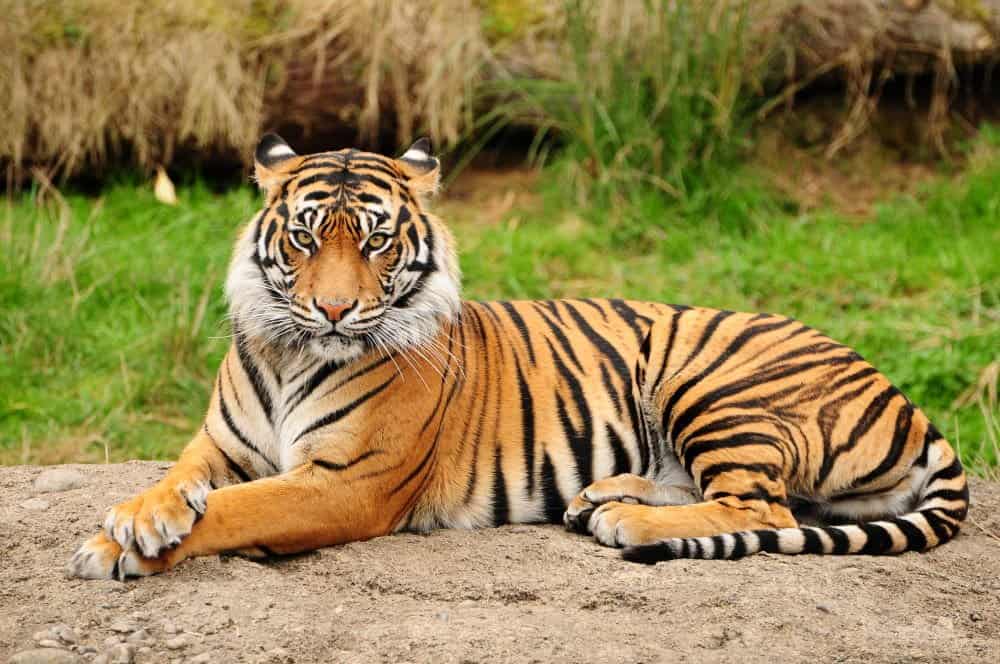
Nocturnal hunters are animals that have adapted to hunt and feed during the night. These creatures have evolved unique characteristics to navigate and capture prey in low-light conditions. Some examples include owls, bats, and certain species of cats like leopards and tigers. These animals often have enhanced senses such as keen hearing, acute vision adapted for low light, or the ability to use echolocation.
The nocturnal lifestyle allows these hunters to exploit a niche where they face less competition from diurnal (daytime) predators. It also gives them an advantage in hunting prey that is active at night. Their adaptations, such as silent flight for owls or infrared vision for snakes, make them incredibly efficient hunters in the dark. They are crucial for maintaining balance in their ecosystems, controlling populations of nocturnal prey species like rodents and insects. Studying these nocturnal hunters provides valuable insights into evolutionary adaptations and the complex interactions within ecosystems. Their behavior and adaptations are fascinating areas of research, offering a deeper understanding of ecological dynamics and conservation strategies.
The History and Myth of Cave Dwellers
For centuries, caves have held a mystical allure, shrouded in mystery and often associated with the unknown. In many cultures, caves are seen as gateways to the underworld, places of spirits and ancient secrets. This perception has fueled countless myths and legends, often depicting cave-dwelling animals as guardians of these sacred spaces or as monstrous creatures lurking in the darkness.
The reality of cave-dwelling animals is just as fascinating, though perhaps less sensational. These creatures, often referred to as troglobites, have adapted to the unique conditions of caves, including perpetual darkness, constant humidity, and limited food resources. Over generations, they have evolved specialized features such as loss of pigmentation (leading to a pale or translucent appearance), reduced or absent eyes, and enhanced senses of touch and smell. Bats, while not exclusively cave-dwellers, are often associated with caves and have played a significant role in folklore and mythology. The myths and superstitions surrounding bats have ranged from symbols of good luck to omens of evil.
Unveiling the Hidden Secrets of Deep-Sea Creatures
The deep sea is one of the most mysterious and unexplored environments on Earth. Lacking sunlight and subject to immense pressure, it is home to a remarkable array of creatures adapted to these extreme conditions. Many deep-sea animals exhibit bioluminescence, the ability to produce light through chemical reactions. This light is used for a variety of purposes, including attracting prey, communicating with potential mates, and deterring predators.
The anglerfish, with its bioluminescent lure, is a classic example of a deep-sea predator. Other creatures, like the viperfish, have elongated teeth and expandable stomachs, allowing them to consume prey much larger than themselves. The giant squid, one of the largest invertebrates on the planet, also resides in the deep sea. The extreme conditions of the deep sea have driven the evolution of unique adaptations in these creatures, allowing them to survive and thrive in a world that is largely inaccessible to humans. The study of these animals offers insights into evolutionary processes and the limits of life on Earth.
Recommendations for Observing Nocturnal Wildlife
Observing nocturnal wildlife can be a rewarding experience, but it requires patience, respect, and a careful approach. Before venturing out, research the local regulations and guidelines for wildlife observation. It is essential to minimize disturbance to the animals and their habitats. Avoid using bright lights, as this can disrupt their natural behavior. Instead, use a red-filtered flashlight, as red light is less visible to many nocturnal animals.
Dress appropriately for the weather and terrain, and wear sturdy shoes. Bring binoculars to enhance your viewing experience, and consider using a wildlife guidebook to help identify the animals you encounter. Choose locations known for nocturnal wildlife activity, such as parks, forests, or wetlands. Arrive before dusk to allow yourself time to acclimate to the darkness and scout the area. Listen carefully for sounds of wildlife, such as owl hoots, insect chirps, or rustling in the underbrush. Be patient and observant, and remember that the goal is to observe the animals in their natural habitat without causing any harm or disruption. When observing bats, avoid entering caves or disturbing their roosting sites, as this can have a negative impact on their populations.
The Role of Camouflage in Dark Environments
Camouflage is a crucial adaptation for animals living in dark environments, allowing them to blend in with their surroundings and avoid detection by predators or prey. In the absence of sunlight, colors become less important, and patterns and textures play a more significant role in camouflage. Some nocturnal animals have evolved dark coloration, which helps them to blend in with the shadows and avoid being seen against the night sky.
Others have developed disruptive patterns, such as spots or stripes, which break up their outline and make them harder to spot. Certain deep-sea creatures have translucent bodies, allowing them to become virtually invisible in the water. Camouflage is not just about blending in; it can also involve mimicry, where an animal resembles another object in its environment, such as a leaf or a twig. This can help them to avoid detection by predators or to lure unsuspecting prey. The effectiveness of camouflage depends on a variety of factors, including the animal's behavior, the characteristics of its environment, and the visual abilities of its predators or prey. The evolution of camouflage is a testament to the power of natural selection, shaping the appearance of animals to maximize their chances of survival in dark environments.
Tips for Creating a Nocturnal-Friendly Garden
Creating a nocturnal-friendly garden can provide a haven for nocturnal animals and enhance your enjoyment of the night. Choose plants that release their fragrance at night, such as night-blooming jasmine, moonflower, and evening primrose. These fragrant flowers attract nocturnal pollinators like moths and bats.
Provide a source of water, such as a birdbath or a small pond, to attract a variety of nocturnal animals. Avoid using pesticides or herbicides, as these can harm or kill nocturnal insects and other wildlife. Leave some areas of your garden wild and unkempt to provide habitat for insects and other invertebrates. Install a bat house to provide roosting habitat for bats, which are important predators of nocturnal insects. Use low-intensity lighting, such as solar-powered path lights, to illuminate your garden without disrupting nocturnal wildlife. Consider adding a moth feeder to attract moths to your garden. By creating a nocturnal-friendly garden, you can provide a valuable habitat for nocturnal animals and enjoy the beauty and wonder of the night.
Conservation Efforts for Endangered Cave Species
Cave ecosystems are fragile and vulnerable to a variety of threats, including habitat destruction, pollution, and disturbance from human activities. Many cave species are highly specialized and have limited distributions, making them particularly susceptible to extinction. Conservation efforts are essential to protect these unique and endangered creatures.
Protecting cave habitats is crucial, which involves preventing activities such as mining, logging, and construction near cave entrances. Reducing pollution is also important, as pollutants can contaminate cave waters and harm cave organisms. Managing tourism and recreational activities in caves is essential to minimize disturbance to cave species and their habitats. Educating the public about the importance of cave conservation is crucial for garnering support for conservation efforts. Some organizations are working to restore degraded cave habitats, such as removing invasive species and restoring natural water flows. Conservation efforts for endangered cave species require a collaborative approach, involving scientists, conservationists, government agencies, and local communities. By working together, we can protect these unique and valuable ecosystems for future generations.
Fun Facts About Bioluminescent Organisms
Bioluminescence, the production of light by living organisms, is a fascinating phenomenon found in a wide variety of animals, plants, and fungi. Fireflies are perhaps the most well-known bioluminescent organisms, using their light to attract mates. However, bioluminescence is much more common in the ocean, where it is used by a variety of creatures for communication, hunting, and defense.
Some bioluminescent organisms, like the anglerfish, use their light to lure prey. Others, like the dinoflagellates that cause "sea sparkle," use their light to startle predators. The light produced by bioluminescent organisms is created through a chemical reaction involving a light-emitting molecule called luciferin and an enzyme called luciferase. Bioluminescence is not just a pretty sight; it also plays important ecological roles, influencing the behavior of marine organisms and the dynamics of marine ecosystems. Scientists are also studying bioluminescence for potential applications in medicine, biotechnology, and environmental monitoring. The study of bioluminescence continues to reveal new insights into the diversity and complexity of life on Earth.
How Echolocation Works: A Deeper Dive
Echolocation is a remarkable adaptation used by bats, dolphins, and some other animals to navigate and hunt in the dark. It involves emitting high-pitched sounds and interpreting the echoes that bounce back from objects in the environment. By analyzing the timing, frequency, and intensity of the echoes, these animals can create a mental map of their surroundings, allowing them to detect the size, shape, and location of objects, even in complete darkness.
Bats emit their echolocation calls through their mouths or noses, while dolphins emit theirs through a structure called the melon, located in their forehead. The echoes are then received by the animal's ears, which are highly specialized for detecting faint sounds. The brain then processes the information from the echoes to create a three-dimensional representation of the environment. Echolocation is an incredibly precise sense, allowing bats to detect objects as small as a mosquito in mid-air and dolphins to locate fish hidden in murky water. The study of echolocation has provided valuable insights into the evolution of sensory systems and the cognitive abilities of animals.
What If Animals That Thrive in the Dark Disappeared?
The disappearance of animals that thrive in the dark would have significant consequences for their ecosystems. These creatures play important roles in maintaining the balance of their communities, and their loss could trigger a cascade of effects.
Nocturnal predators, such as owls and bats, help to control populations of rodents and insects, preventing outbreaks that could damage crops or spread disease. Cave-dwelling animals, such as bats and invertebrates, contribute to the nutrient cycling in caves, supporting unique ecosystems. Deep-sea creatures play a vital role in the carbon cycle, helping to sequester carbon dioxide from the atmosphere. The loss of these animals could disrupt food webs, alter ecosystem processes, and reduce biodiversity. It is essential to protect animals that thrive in the dark and their habitats to ensure the health and resilience of our ecosystems.
Listicle: 5 Amazing Adaptations of Animals in the Dark
1. Echolocation: Bats use sound to "see" in the dark, emitting high-pitched calls and listening for the echoes.
- Infrared vision: Snakes like pit vipers can detect the heat signatures of their prey, allowing them to hunt in complete darkness.
- Bioluminescence: Many deep-sea creatures produce their own light, using it for communication, hunting, and defense.
- Enhanced hearing: Owls have exceptional hearing, allowing them to pinpoint the location of prey based on the faintest sounds.
- Loss of sight: Some cave-dwelling animals have lost their eyesight, relying on other senses like touch and smell to navigate their environment.
Question and Answer
Q: How do bats use echolocation?
A: Bats emit high-pitched sounds that bounce off objects in their environment. They then interpret the echoes to determine the size, shape, and location of the objects.
Q: What is bioluminescence?
A: Bioluminescence is the production of light by living organisms through a chemical reaction involving luciferin and luciferase.
Q: Why do some cave animals have no eyes?
A: In the dark environment of caves, sight is not as important, and energy can be conserved by reducing or eliminating eyes. These animals rely on other senses like touch and smell.
Q: How can I help protect nocturnal animals?
A: You can help by reducing light pollution, avoiding pesticides, protecting their habitats, and supporting conservation organizations.
Conclusion of Animals That Thrive in the Dark
The world of animals that thrive in the dark is a testament to the power of adaptation and the incredible diversity of life on Earth. From the echolocation of bats to the bioluminescence of deep-sea creatures, these animals have evolved unique strategies to survive and thrive in the absence of sunlight. By understanding their adaptations and the challenges they face, we can better appreciate the importance of protecting these fascinating creatures and their habitats. Let's continue to explore the mysteries of the dark and work towards a future where all creatures, both diurnal and nocturnal, can thrive.