Animals That Can Live Without Food for Months
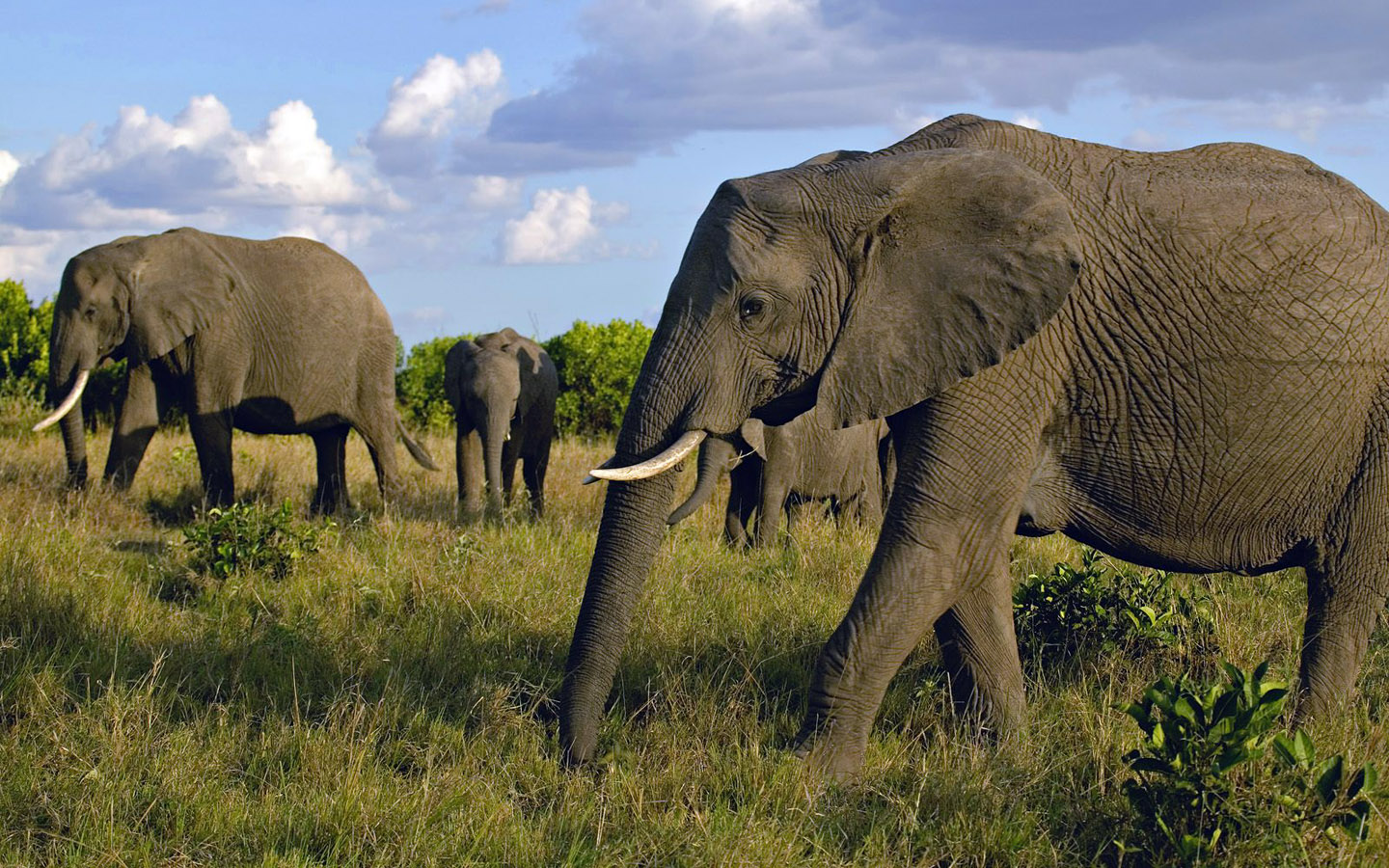
Imagine going weeks, even months, without a single bite of food. Sounds impossible, right? For us humans, it certainly would be. But in the animal kingdom, some creatures have evolved incredible adaptations that allow them to endure extended periods of starvation. Prepare to be amazed by the survival strategies of these remarkable beings!
It's easy to take for granted the consistent availability of food. We often worry about where our next meal is coming from, but what if sustenance was truly scarce? How would we cope? This highlights the incredible diversity of life on Earth and the ingenious ways different species have adapted to overcome challenging environmental conditions.
This blog post aims to unveil the secrets of animals that can survive for astonishingly long periods without food. We'll explore their unique physiological adaptations, the environmental factors that drive these adaptations, and the specific species that have mastered the art of starvation survival.
From hibernating bears to patiently waiting crocodiles and even tiny microorganisms, we'll delve into the fascinating world of animals that defy our conventional understanding of nutritional needs. We'll examine their energy conservation strategies, metabolic slowdowns, and reliance on stored resources. Prepare to be amazed by the resilience and adaptability of life!
Hibernation: The Ultimate Fast
As a child, I was captivated by the idea of hibernation. The thought of sleeping through the entire winter, snuggled up in a cozy den, seemed like the ultimate way to avoid the cold and the hunger. I remember one winter, trying to convince my parents to let me hibernate! Of course, it didn't work, but my fascination with hibernation remained. Hibernation is a prime example of how some animals can survive extended periods without food. Animals like bears, ground squirrels, and hedgehogs enter a state of dormancy characterized by a significant reduction in metabolic rate, heart rate, and body temperature. This allows them to conserve energy and survive on stored fat reserves throughout the winter months when food is scarce. The trigger for hibernation is often a combination of decreasing temperatures, shortening daylight hours, and reduced food availability. Hormonal changes play a crucial role in initiating and maintaining the hibernating state. During hibernation, animals may experience periods of arousal, but these are typically brief and infrequent, minimizing energy expenditure. The length of hibernation varies depending on the species and environmental conditions, but some animals can hibernate for up to several months.
Understanding Aestivation
Aestivation is a period of dormancy similar to hibernation, but it occurs during periods of hot, dry weather. Animals that aestivate often do so to avoid dehydration and starvation when food and water are scarce. During aestivation, an animal's metabolic rate slows, and it may become inactive for weeks or months. Like hibernation, aestivation is a way for animals to conserve energy during times of environmental stress. Some animals that aestivate include snails, lungfish, and certain amphibians. Snails, for example, secrete a mucus plug to seal themselves inside their shells and prevent water loss. Lungfish can burrow into the mud and create a cocoon of mucus to stay moist during the dry season. Understanding the difference between hibernation and aestivation helps appreciate the diverse strategies animals use to survive in challenging environments. Both phenomena involve reduced metabolic rates and inactivity, but they are triggered by different environmental cues and serve different purposes.
The History and Myth of the Crocodile's Endurance
Crocodiles are often portrayed as ancient, patient predators, lurking in the water and waiting for their prey. Their ability to survive for extended periods without food has contributed to their mystique. Historically, crocodiles have been revered in some cultures as symbols of power and resilience. In ancient Egypt, the crocodile god Sobek was worshipped as a protector of the Nile River. Crocodiles are opportunistic hunters that will eat almost anything they can catch, but they can also go for months without eating. This is because they have a very slow metabolism and can store energy in the form of fat. When food is scarce, crocodiles can slow their heart rate and reduce their oxygen consumption, allowing them to conserve energy. They are also able to recycle urea, a waste product, into protein, which further helps them survive without food. Their tough hide and slow movements further contribute to their ability to endure long periods of fasting. The crocodile's endurance is a testament to its evolutionary success and adaptation to harsh environments.
Hidden Secrets of the Galapagos Tortoise's Fasting Ability
The Galapagos tortoise, a symbol of longevity and resilience, holds many secrets when it comes to surviving without food. These giant reptiles can endure months, even over a year, without eating, thanks to their remarkable adaptations. One key secret lies in their slow metabolism. They conserve energy by moving slowly and spending much of their time resting. They also have a large bladder that can store water and electrolytes, helping them survive long periods of drought. Another secret is their ability to break down stored fat reserves very efficiently. Galapagos tortoises can convert fat into energy at a much slower rate than most animals, allowing them to stretch their reserves for extended periods. They can also reduce their activity levels even further when food is scarce, entering a state of semi-dormancy. This reduces their energy expenditure and allows them to survive even longer without eating. The Galapagos tortoise's ability to survive without food is a crucial adaptation for life in the arid Galapagos Islands, where food can be scarce and unpredictable.
Recommendations for Surviving a Famine (Hypothetically Speaking!)
Understanding Human Limitations
While we're exploring animals with remarkable fasting abilities, it's crucial to understand that humans are not equipped to endure prolonged periods without food. Our bodies are not designed to store large amounts of energy or slow down our metabolism to the same extent as some animals. In a hypothetical famine situation, prioritizing water intake is crucial, as dehydration can be fatal much faster than starvation. Seeking out edible plants and insects, if available, can provide some sustenance. Rationing any available food supplies is essential to prolong survival. Finding shelter from the elements can help conserve energy. Staying warm in cold weather and avoiding overheating in hot weather are critical. Maintaining morale and mental strength can also play a significant role in survival. Focusing on small tasks and staying connected with others, if possible, can help maintain hope. It is important to note that this is a hypothetical scenario and seeking professional help is always the best course of action in a real famine situation.
Tips for Appreciating Animal Adaptations
Learning about the incredible adaptations that allow animals to survive extreme conditions can deepen our appreciation for the diversity and resilience of life on Earth. One way to appreciate these adaptations is to visit zoos or wildlife sanctuaries and observe animals in their habitats. Reading books and watching documentaries about animal behavior and physiology can also be very informative. Supporting conservation efforts that protect endangered species and their habitats is another way to show appreciation for animal adaptations. By understanding the challenges animals face and the strategies they use to overcome them, we can gain a greater respect for the natural world. Consider the challenges faced by animals in your local environment. How do they adapt to seasonal changes, food shortages, or other environmental stressors? By observing and learning about the animals around us, we can develop a deeper connection to the natural world.
The Role of Gut Bacteria
The gut microbiome, a complex community of bacteria and other microorganisms that live in the digestive tract, plays a significant role in the health and survival of many animals. In some animals, gut bacteria can help break down cellulose, a complex carbohydrate found in plant cell walls, allowing them to extract energy from otherwise indigestible food. Gut bacteria can also synthesize essential vitamins and amino acids that the animal cannot produce on its own. In animals that survive extended periods without food, gut bacteria may play a role in recycling waste products and extracting additional nutrients from the digestive tract. The composition of the gut microbiome can vary depending on the animal's diet, environment, and genetics. Research into the gut microbiome is revealing new insights into the complex interactions between animals and their microbial partners. Understanding the role of gut bacteria in animal survival can help us develop new strategies for improving human health and nutrition.
Fun Facts About Starvation Survival
Did you know that the emperor penguin can fast for up to four months while incubating its egg? Male emperor penguins endure the harsh Antarctic winter without food, relying on stored fat reserves to survive. The lungfish can survive for several years without food by burrowing into the mud and entering a state of dormancy. Some species of frogs can survive being frozen solid during the winter and then thaw out and resume their activities in the spring. Tardigrades, also known as water bears, are microscopic animals that can survive extreme conditions, including starvation, dehydration, and radiation. They can enter a state of suspended animation called cryptobiosis, in which their metabolism slows to a standstill. These fun facts highlight the incredible diversity of survival strategies in the animal kingdom. They demonstrate the power of adaptation and the resilience of life on Earth.
How Animals Adapt to Food Scarcity
Animals employ a variety of strategies to adapt to food scarcity, ranging from physiological changes to behavioral adaptations. One common strategy is to reduce their metabolic rate, which lowers their energy requirements. This can involve slowing down their heart rate, reducing their body temperature, and decreasing their activity levels. Some animals store energy in the form of fat, which they can then draw upon when food is scarce. Others migrate to areas where food is more abundant. Behavioral adaptations can also play a role in survival. Animals may become more efficient at foraging for food, or they may switch to alternative food sources. Some animals also form social groups, which can help them find food and defend themselves from predators. The specific adaptations that an animal uses will depend on its species, its environment, and the severity of the food scarcity.
What If Humans Could Hibernate?
The prospect of human hibernation has long captured the imagination of scientists and science fiction writers. If humans could hibernate, it could have profound implications for space travel, medical treatments, and even everyday life. For space travel, hibernation could allow astronauts to travel vast distances without needing to consume large amounts of food or water. It could also reduce the psychological stress of long-duration missions. In medicine, hibernation could be used to preserve organs for transplantation or to slow down the progression of diseases. It could also be used to protect patients during surgery or other medical procedures. In everyday life, hibernation could allow people to conserve energy and resources during periods of economic hardship or environmental stress. While human hibernation remains a distant possibility, research into the physiological mechanisms of hibernation in other animals is providing valuable insights into how it might be achieved.
Listicle of Animals That Can Survive Long Without Food
1.Emperor Penguin: These hardy birds can endure up to four months without food while incubating their eggs in the harsh Antarctic winter.
2.Galapagos Tortoise: These giant reptiles can survive for over a year without eating, thanks to their slow metabolism and efficient fat storage.
3.Crocodile: Crocodiles have a slow metabolism and can store energy effectively. They can go months without food.
4.Lungfish: These fish can survive for years without food by burrowing into the mud and entering a dormant state.
5.Snails: Some species of snails can survive for months or even years without food by entering a state of aestivation.
6.Bears: During hibernation, bears can survive for several months without eating, relying on stored fat reserves.
7.Tardigrades: These microscopic animals can enter a state of suspended animation and survive for years without food, water, or oxygen.
8.Camels: While not months on end, camels can go for weeks without water or food, making them well-adapted to desert environments.
This list showcases the incredible diversity of adaptations that allow animals to survive extended periods without food. From slow metabolisms to efficient energy storage, these creatures have evolved remarkable strategies for enduring scarcity.
Question and Answer
Q: How do animals store energy for long periods of fasting?
A: Many animals store energy in the form of fat. Fat is a highly efficient energy storage molecule, providing more energy per unit weight than carbohydrates or proteins.
Q: What is the difference between hibernation and aestivation?
A: Hibernation is a period of dormancy that occurs during the winter, while aestivation is a period of dormancy that occurs during the summer. Both involve reduced metabolic rates and inactivity.
Q: How do animals conserve water when they are fasting?
A: Some animals have adaptations that allow them to conserve water, such as producing concentrated urine or reabsorbing water from their feces. They may also reduce their activity levels to minimize water loss through sweating or evaporation.
Q: Can humans survive as long as some animals without food?
A: No, humans cannot survive as long as some animals without food. Humans do not have the same physiological adaptations for storing energy or slowing down their metabolism. Generally, humans can survive for a few weeks without food, but this depends on individual factors such as body weight and health.
Conclusion of Animals That Can Live Without Food for Months
The animal kingdom is full of creatures with incredible adaptations for survival. The ability to endure extended periods without food is just one example of the remarkable resilience and adaptability of life on Earth. From the hibernating bear to the patiently waiting crocodile and the microscopic tardigrade, these animals demonstrate the power of evolution to shape organisms to thrive in even the most challenging environments. By studying these adaptations, we can gain a greater appreciation for the diversity and wonder of the natural world.
0 Response to "Animals That Can Live Without Food for Months"
Post a Comment