How Owls Hunt in Complete Darkness
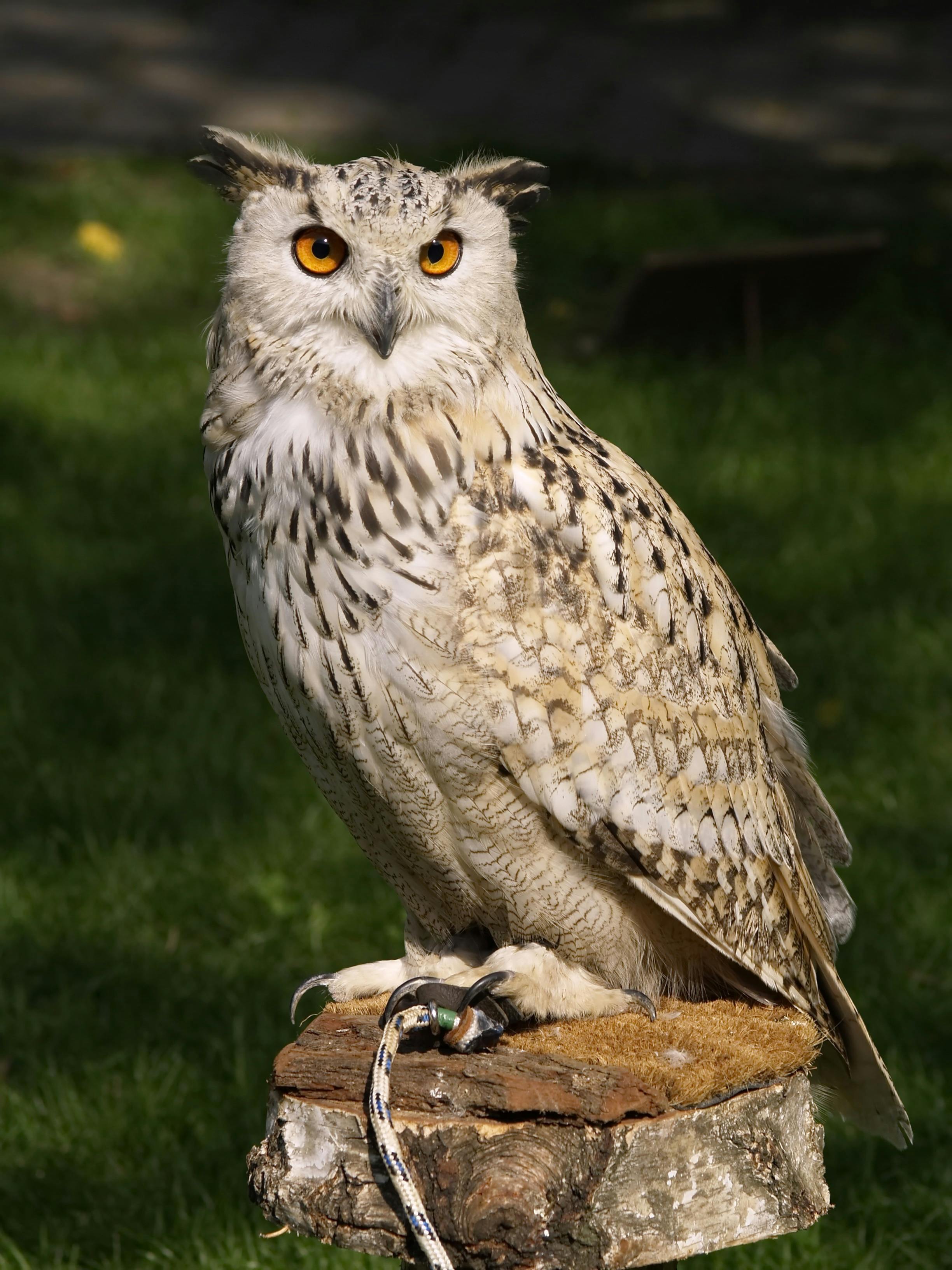
Imagine a world cloaked in absolute darkness. Not a glimmer of moonlight, not a flicker of starlight. For most creatures, this would be a death sentence, a guarantee of stumbling blindly into danger. But for the owl, it's merely a playground. How do these masters of the night navigate and hunt with such precision when we can barely see our own hands in front of our faces?
We've all experienced moments where our senses are limited. Perhaps walking in a new area and not being able to read the street signs because it's too dark, or trying to find something in a cluttered closet where things are hidden away. But how would you cope if that darkness was constant and your survival depended on finding the one tiny clue that leads to your next meal? Owls face that challenge every single night.
This post will unravel the fascinating secrets behind how owls hunt in complete darkness. We'll delve into the unique adaptations that allow them to thrive in a world devoid of light, exploring their specialized hearing, exceptional eyesight, and silent flight. Get ready to be amazed by the evolutionary marvel that is the nocturnal owl.
So, owls achieve their remarkable nighttime hunting prowess through a combination of factors. Their asymmetrical ear placement allows them to pinpoint the location of prey by sound with incredible accuracy. Their large, forward-facing eyes gather every available photon of light, while their specialized feathers ensure silent flight, preventing them from alerting their prey. By understanding these adaptations, we gain a deeper appreciation for the incredible world of nocturnal predators.
The Power of Asymmetrical Hearing
I remember once camping with friends and we were all sitting around the fire and someone thought they heard something walking behind us, in the forest, but because we were all so busy talking no one paid attention. It wasn't until we got back to the city that one of my friends said that it may have been an owl, and that they are silent, and often very close to people without you even realizing it.
Owls have an astonishingly precise auditory system. Their ears aren't placed symmetrically on their heads, with one ear typically positioned higher than the other. This seemingly subtle difference creates a crucial advantage. It allows owls to perceive minute differences in the timing and intensity of sounds reaching each ear. For example, if a mouse is rustling in the leaves to the right and slightly below the owl, the sound will reach the right ear a fraction of a second sooner and with slightly greater intensity than the left ear. The owl's brain instantly processes this information, triangulating the exact location of the prey with remarkable accuracy. This auditory map is so precise that owls can even hunt successfully under snow, pinpointing the location of voles scurrying beneath the surface.
Exceptional Eyesight in Low Light
Owls possess exceptionally large eyes relative to their body size. This is not just for show; it's a vital adaptation for gathering as much light as possible in dim environments. Think of it like a camera with a large aperture – it allows more light to enter the lens, resulting in a brighter image. An owl's eyes contain a high density of light-sensitive cells called rods, which are particularly sensitive to low light levels. Unlike cones, which are responsible for color vision in bright light, rods excel at detecting even the faintest glimmer of light. This allows owls to see with clarity in conditions that would render most other animals effectively blind. It's important to note that while owls have excellent low-light vision, their visual acuity in bright light is not as sharp as that of humans.
The Silent Flight Advantage
Imagine trying to sneak up on someone when you are a 2 foot bird, you would need to be completely silent. The owl's feathers are not only beautifully patterned but also possess a unique structure that enables nearly silent flight. The leading edges of their flight feathers are fringed with soft, comb-like structures that break up the flow of air, reducing turbulence and minimizing the rustling sound that is typically associated with birds in flight. Additionally, the velvety texture of their feathers absorbs sound, further dampening any noise produced during flight. This silent approach is crucial for surprising prey, as it prevents the owl from alerting potential targets before it's too late. A mouse, unaware of the impending danger, continues to forage, blissfully ignorant of the silent predator descending from above.
Hidden Secrets of Owl Hunting
One of the more hidden secrets of how owls hunt is their diet, they eat whole animals and then they regurgitate a compact pellet containing the indigestible parts, such as bones, fur, and feathers. These pellets provide valuable insights into the owl's diet and the ecosystem it inhabits. Scientists and researchers can dissect owl pellets to identify the types of prey the owl has been consuming, providing information about the abundance and distribution of small mammals, birds, and insects in the area. This information can be used to monitor the health of ecosystems and track changes in prey populations over time. The ability to dissect these pellets to show kids what owls are eating makes them a great tool for teaching children about the food chain.
Recommendations for Owl Enthusiasts
The best recommendation I can give for owl enthusiasts is to go outside and look for them! Owls are fascinating creatures, and it is truly incredible to see them in their natural habitat. Even when you cannot see them, you can hear them as they screech to each other. The best way to find owls is to go out at night in a natural area. If you are lucky, you may even be able to spot an owl pellet. If you do find one, you can dissect it to see what the owl has been eating. It is important to be respectful of owls and their habitat. Do not disturb them or their nests. It is important to keep your distance and observe from afar. The next time you see an owl, take a moment to appreciate its incredible adaptations and its role in the ecosystem. Remember, these silent hunters are a vital part of our natural world.
The Evolutionary Arms Race
The relationship between owls and their prey is a classic example of an evolutionary arms race. As owls have evolved to become more efficient hunters, their prey has also adapted to avoid being caught. Small mammals, for example, have developed exceptional hearing and senses of smell, allowing them to detect the presence of predators at a distance. They have also evolved camouflage and behavioral strategies, such as nocturnal activity patterns, to reduce their risk of being preyed upon. This constant back-and-forth between predator and prey drives the evolution of increasingly sophisticated adaptations on both sides. It's a testament to the power of natural selection and the intricate web of relationships that connect all living things.
Tips for Spotting Owls
Spotting owls in the wild can be a rewarding experience, but it requires patience, keen observation skills, and a bit of luck. Start by researching the owl species that are known to inhabit your area and learn about their preferred habitats and hunting behaviors. Owls often favor wooded areas, forests, and grasslands, particularly those with a good supply of prey. Look for signs of owl activity, such as owl pellets, feathers, or whitewash (owl droppings). The best time to look for owls is at dusk or dawn, when they are most active. Use binoculars to scan tree branches, cavities, and other potential roosting sites. Listen carefully for owl calls, which can vary depending on the species. Be respectful of owls and their habitat by avoiding loud noises and disturbances.
The Ethical Considerations of Owl Observation
When observing owls in their natural habitat, it's crucial to prioritize their well-being and avoid causing any disturbance. Owls are sensitive to human presence, and any disruption to their behavior can have negative consequences, particularly during breeding season. Keep a safe distance from owl nests and roosting sites, and avoid using flash photography, which can startle or disorient the birds. Never attempt to handle or feed owls, as this can disrupt their natural hunting behaviors and make them dependent on humans. Be mindful of the impact your presence may have on the surrounding environment, and avoid trampling vegetation or disturbing other wildlife. By following these ethical guidelines, you can enjoy the wonder of observing owls in the wild while ensuring their continued survival.
Fun Facts About Owls
Did you know that some owl species can turn their heads up to 270 degrees? This remarkable adaptation allows them to scan their surroundings for prey without having to move their entire bodies. Owls also have zygodactyl feet, meaning that they have two toes pointing forward and two toes pointing backward, providing them with a strong grip on branches and prey. Another fascinating fact is that owls swallow their prey whole and then regurgitate a pellet containing the indigestible parts, such as bones, fur, and feathers. These pellets can be used by scientists to study the owl's diet and the health of the ecosystem. Owls play a vital role in controlling rodent populations and maintaining the balance of nature.
How to Support Owl Conservation
Owls face a number of threats, including habitat loss, pesticide use, and climate change. Fortunately, there are many ways to support owl conservation and help protect these magnificent birds. You can start by supporting organizations that are dedicated to owl research, habitat restoration, and education. You can also make simple changes in your own life to reduce your impact on the environment, such as reducing your use of pesticides, supporting sustainable agriculture, and conserving energy. Planting native trees and shrubs can provide valuable habitat for owls and their prey. By working together, we can ensure that owls continue to thrive in our world for generations to come.
What if Owls Disappeared?
The disappearance of owls would have far-reaching consequences for ecosystems and human societies. As apex predators, owls play a crucial role in regulating populations of rodents and other small mammals. Without owls to keep these populations in check, they could explode, leading to increased crop damage, disease transmission, and other ecological imbalances. The loss of owls would also disrupt food webs and alter the structure of plant and animal communities. From a human perspective, the disappearance of owls would result in the loss of a valuable natural resource and a significant decline in the aesthetic and cultural value of our environment.
Top 5 Owl Adaptations for Night Hunting: A Listicle
Here's a quick rundown of the key adaptations that make owls such successful nighttime hunters:
- Asymmetrical Ear Placement: Allows for precise sound localization.
- Large, Forward-Facing Eyes: Gather maximum light in low-light conditions.
- High Density of Rods in Retina: Enhances low-light vision.
- Silent Flight Feathers: Reduces noise during flight, preventing prey detection.
- Sharp Talons and Beaks: Provide a secure grip and efficient killing mechanism.
These adaptations, working in concert, make the owl a true master of the night.
Question and Answer Section:
Here are some common questions about how owls hunt in complete darkness:
Q: Do owls only hunt at night?
A: While most owl species are primarily nocturnal, some species, such as the Northern Hawk Owl, are active during the day.
Q: Can owls see in complete darkness?
A: No, owls cannot see in absolute darkness. They rely on their exceptional hearing to locate prey in the absence of light.
Q: What is the purpose of an owl pellet?
A: Owl pellets are regurgitated masses of indigestible material, such as bones, fur, and feathers, that provide insights into the owl's diet.
Q: How can I help protect owls?
A: You can support owl conservation by reducing your use of pesticides, supporting sustainable agriculture, and protecting owl habitats.
Conclusion of How Owls Hunt in Complete Darkness
The ability of owls to hunt effectively in complete darkness is a testament to the power of natural selection. Their unique adaptations, including asymmetrical hearing, exceptional eyesight, and silent flight, allow them to thrive in a challenging environment where most other predators would struggle. By understanding these adaptations, we gain a deeper appreciation for the intricate web of life and the remarkable diversity of the natural world. Let us continue to learn from and protect these magnificent creatures for generations to come.
0 Response to "How Owls Hunt in Complete Darkness"
Post a Comment