The Importance of Bees in North American Ecosystems
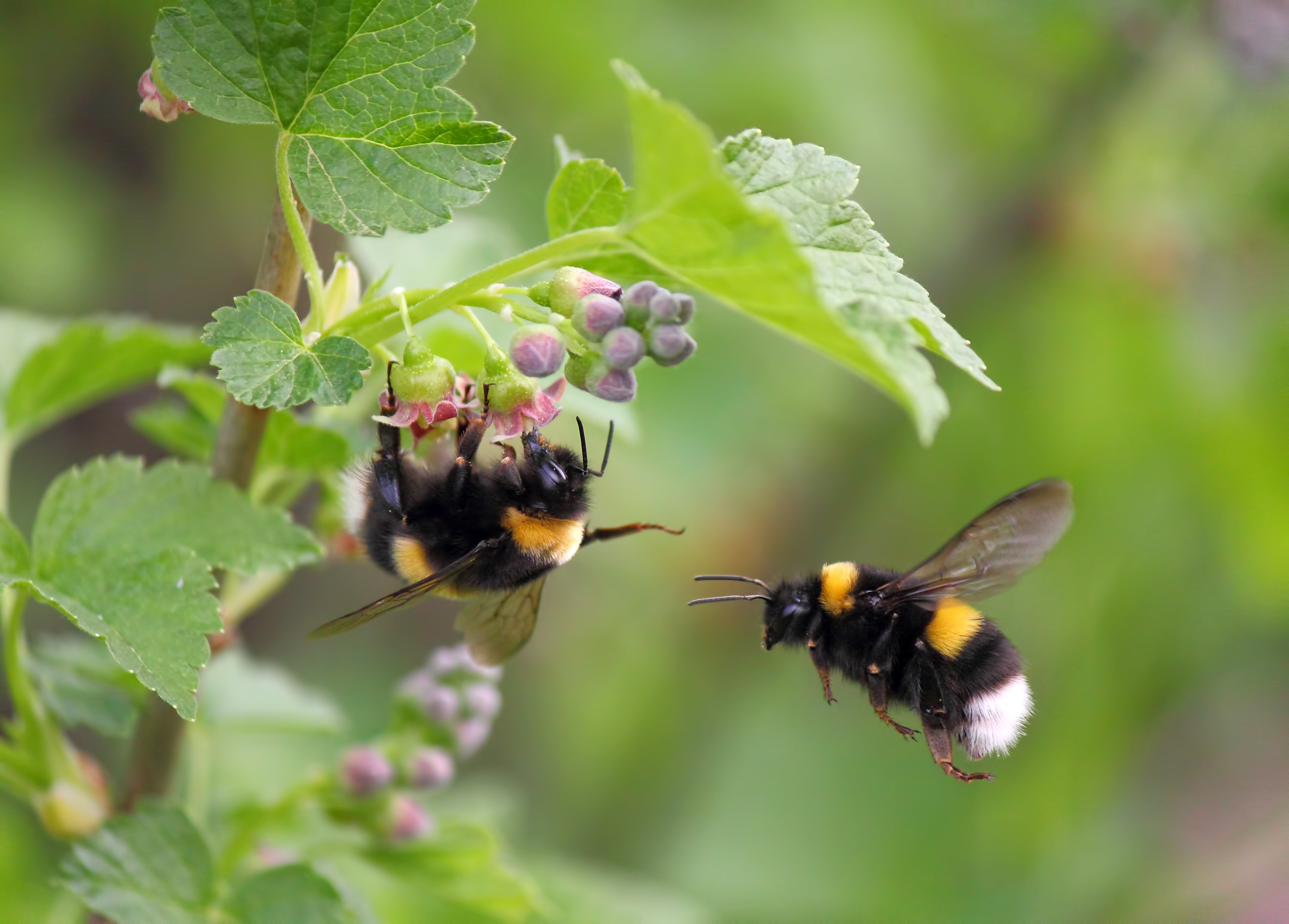
Imagine a world without juicy apples, plump berries, or vibrant wildflowers. Sounds pretty bleak, right? Well, that's a glimpse into a future we could face if we don't appreciate and protect our tiny, buzzing benefactors.
It's easy to overlook the small things, especially when they’re buzzing around your head! We might swat them away, fear their sting, and generally fail to appreciate the critical role they play in maintaining the delicate balance of our natural world. The reality is, a decline in bee populations isn't just about fewer honey sticks; it’s about potential disruptions to our food supply, economic stability, and the overall health of our ecosystems.
This post aims to highlight the absolutely crucial importance of bees within North American ecosystems. We'll explore their essential role as pollinators, the threats they face, and what we can do to help these vital creatures thrive. Understanding their significance is the first step in becoming a bee advocate!
Bees are the unsung heroes of our environment, tirelessly working to pollinate countless plants that provide us with food and sustain our ecosystems. Their work is the backbone of our agricultural systems and crucial for maintaining biodiversity. Understanding the threats they face, such as habitat loss, pesticide use, and climate change, is essential for effective conservation efforts. We need to consider the role of bees in pollination, biodiversity, ecosystem health, and agricultural stability. It’s not just about honey; it’s about life as we know it. Bees are crucial for pollination and the ecosystem.
The Incredible Pollination Power of Bees
I'll never forget a visit to an apple orchard a few years ago. The trees were bursting with blossoms, a fragrant pink and white spectacle. The orchard owner, a weathered man with a twinkle in his eye, pointed to the buzzing cloud surrounding each tree and said, "Those are my girls. They're the ones making the magic happen." He wasn't exaggerating. Bees, especially honeybees and native bee species, are master pollinators. They flit from flower to flower, gathering nectar and pollen, inadvertently transferring pollen grains that fertilize the plants and allow them to produce fruits, vegetables, and seeds. This process, known as pollination, is essential for the reproduction of many plant species, including a significant portion of the crops we rely on for food. Without bees, many of these plants would struggle to reproduce, leading to decreased yields and potential food shortages. It's a delicate dance between insect and plant, a partnership that has shaped our world for millennia.
Bees and Biodiversity
The importance of bees extends far beyond just our dinner plates. They are vital for maintaining biodiversity in North American ecosystems. Native bees, in particular, have co-evolved with specific plant species, forming intricate relationships that are crucial for the survival of both the bees and the plants. These specialized pollination systems are essential for maintaining the genetic diversity of plant populations, which in turn supports a wide range of other organisms, from insects and birds to mammals. When bee populations decline, it can have cascading effects throughout the entire ecosystem, leading to a loss of plant diversity and a decline in the populations of animals that depend on those plants. Protecting bees is therefore crucial for safeguarding the overall health and stability of our natural world. Their work is essential for genetic diversity and plants.
Bees in History and Mythology
Humans have recognized the value of bees for millennia, and they feature prominently in history and mythology across various cultures. In ancient Egypt, bees were associated with royalty and the sun god Ra, symbolizing diligence, order, and prosperity. Honey was used as a sweetener, medicine, and offering to the gods. The ancient Greeks revered bees as symbols of wisdom and eloquence, with honey believed to be the food of the gods. The Roman author Virgil wrote extensively about beekeeping in his Georgics, highlighting the importance of bees for agriculture and the economy. These historical connections demonstrate a long-standing appreciation for the crucial role that bees play in our lives and the natural world. Across the globe bees symbolize wisdom and royalty.
The Secret Life of Bees
Beyond their role as pollinators, bees lead fascinating and complex lives within their colonies. Honeybees, for example, exhibit a remarkable social structure, with each bee playing a specific role in the colony's survival. The queen bee is responsible for laying eggs, while worker bees perform a variety of tasks, including foraging for nectar and pollen, building and maintaining the hive, and caring for the young. The communication within the hive is equally impressive, with bees using a complex "waggle dance" to convey information about the location and quality of food sources. Understanding the intricate social behavior of bees is essential for developing effective conservation strategies. Their complex life is essential for survival.
Supporting Bee Populations: What You Can Do
Creating a Bee-Friendly Garden
One of the most effective ways to support bee populations is to create a bee-friendly garden. This involves planting a variety of native flowering plants that provide a continuous source of nectar and pollen throughout the growing season. Choose plants with different shapes and colors to attract a diverse range of bee species. Avoid using pesticides, herbicides, and other chemicals that can harm bees. Provide a source of water, such as a shallow dish with pebbles, for bees to drink. You can also create nesting habitat for native bees by providing undisturbed areas of bare ground or building a bee house. Even a small balcony garden can make a difference in supporting bee populations.
Tips for Protecting Bees
Beyond creating bee-friendly gardens, there are several other things you can do to protect bees. Support local beekeepers by buying their honey and beeswax products. Advocate for policies that reduce pesticide use and protect bee habitat. Educate yourself and others about the importance of bees and the threats they face. By working together, we can create a more bee-friendly world. Protecting bees is essential, and support local beekeepers.
Recognize Different Types of Bees
Not all bees are created equal. While honeybees are often the first that come to mind, North America is home to a diverse range of native bee species, each with its own unique characteristics and ecological roles. Bumblebees, for example, are important pollinators of tomatoes and other crops. Mason bees are highly efficient pollinators of fruit trees. Leafcutter bees are used commercially to pollinate alfalfa. Learning to identify different types of bees can help you appreciate their diversity and understand their specific needs. Each bee plays a different and unique role in pollination.
Fun Facts About Bees
Did you know that a honeybee can visit up to 5,000 flowers in a single day? Or that bees can fly up to 15 miles per hour? Or that the queen bee can lay up to 2,000 eggs per day? These are just a few of the fascinating facts about bees. They are truly remarkable creatures with a vital role to play in our world. Recognizing how important the queen bee is is essential.
How To Help Bees Thrive
Beyond the immediate actions, consider supporting organizations dedicated to bee research and conservation. Many groups work tirelessly to study bee behavior, habitat needs, and the impact of pesticides. Donate to their efforts, volunteer your time, or simply spread awareness about their work. Collective action is crucial for creating meaningful change and ensuring a future where bees can thrive.
What If We Lost The Bees?
The consequences of losing bees would be devastating. Our food supply would be severely impacted, leading to higher prices and potential shortages. Many plant species would decline, disrupting ecosystems and impacting wildlife. The economic impact on agriculture would be significant. In short, the loss of bees would have far-reaching and catastrophic consequences for our world.
Listicle: 5 Ways to Help Bees Today
1. Plant native flowering plants in your garden.
- Avoid using pesticides and herbicides.
- Provide a source of water for bees.
- Support local beekeepers.
- Educate others about the importance of bees. The best way to help is to plant more plants.
Question and Answer
Q: What is the main threat to bee populations?
A: Habitat loss, pesticide use, and climate change are all major threats to bee populations.
Q: What can I plant in my garden to attract bees?
A: Plant native flowering plants that provide a continuous source of nectar and pollen throughout the growing season.
Q: Are all bees honeybees?
A: No, North America is home to a diverse range of native bee species, each with its own unique characteristics.
Q: How can I support local beekeepers?
A: Buy their honey and beeswax products and advocate for policies that support beekeeping.
Conclusion of The Importance of Bees in North American Ecosystems
Bees are indispensable to the health and well-being of North American ecosystems. Their tireless pollination efforts are essential for our food supply, biodiversity, and the overall stability of our natural world. By understanding the threats they face and taking action to protect them, we can help ensure a future where bees continue to thrive and contribute to a vibrant and sustainable planet. It is up to us to help bees thrive!
0 Response to "The Importance of Bees in North American Ecosystems"
Post a Comment