All About Orcas: The Wolves of the Sea
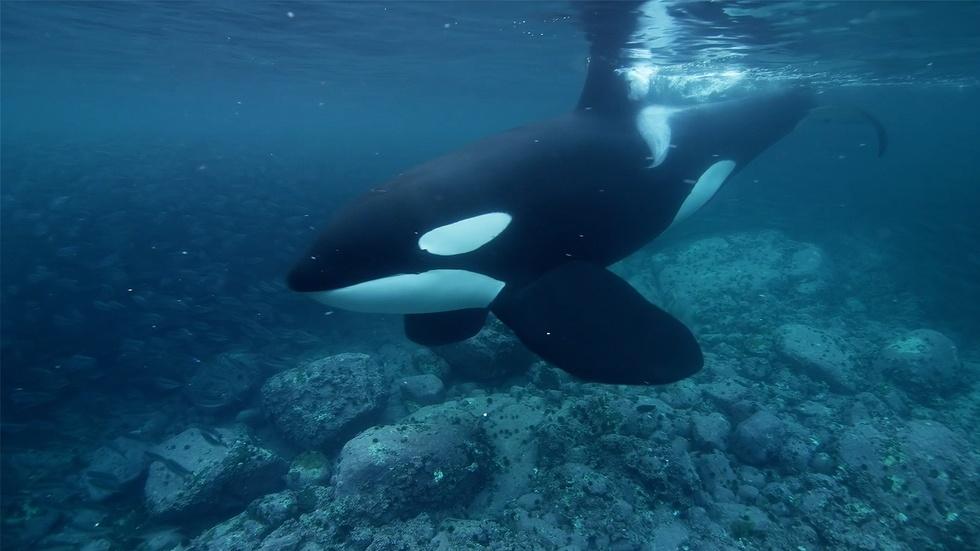
Imagine a creature of immense power and intelligence, a master strategist of the ocean depths, whose family bonds are stronger than steel. We're not talking about some mythical beast, but a real animal that roams our planet's oceans: the orca, often called the "wolf of the sea."
Many of us feel a deep fascination with these magnificent creatures, yet understanding their complex lives can feel overwhelming. Where do you even begin to learn about their social structures, hunting techniques, or the threats they face in our changing world? Finding reliable information that's both engaging and informative can be a challenge.
This blog post aims to provide you with a comprehensive and accessible guide to orcas. We'll explore their unique characteristics, behaviors, and ecological importance, offering a glimpse into the lives of these incredible marine mammals.
Prepare to dive deep into the world of orcas! We will uncover their sophisticated communication methods, learn about their diverse diets and hunting strategies, delve into their intricate social structures, and understand the challenges they face in today's oceans. Get ready to appreciate the complexity and majesty of these apex predators.
Understanding Orca Social Structures
The target of this section is to illuminate the fascinating social dynamics of orca pods, highlighting their matrilineal structures and cooperative behaviors. I remember watching a documentary about orcas once, and being utterly captivated by the way they communicated and worked together to hunt. It wasn't just instinct; it was a complex system of learned behaviors and shared knowledge passed down through generations. This reminded me of my own family, and it was eye opening and humbling, and left me with a newfound appreciation.
Orcas live in tight-knit family groups called pods, led by the oldest female, the matriarch. These pods can consist of several generations, all related through the mother's line. The bonds within these pods are incredibly strong, with members staying together for life. They cooperate in hunting, raising young, and protecting each other from threats. Different pods develop unique cultures, including distinct dialects and hunting techniques, which are passed down through generations through learning and imitation. This cultural diversity is one of the most fascinating aspects of orca behavior.
Understanding orca social structures is crucial for conservation efforts. Knowing how pods are organized and how they interact with each other can help scientists assess population sizes and track their movements. It also highlights the importance of protecting entire pods, as the loss of even one individual can have a significant impact on the group's well-being. Furthermore, it reinforces that disturbing family and their cultural traditions can be devastating for orcas and harmful to ecosystems.
What Makes Orcas Apex Predators?
This section explains why orcas hold the title of apex predators, exploring their intelligence, hunting strategies, and lack of natural predators. Orcas are at the top of the food chain, meaning they have no natural predators other than humans. This position is earned through a combination of intelligence, physical prowess, and sophisticated hunting techniques. Their brains are among the largest of all marine mammals, allowing them to develop complex strategies and adapt to different environments.
Orcas are incredibly versatile hunters, with their diets varying depending on their location and pod. Some pods specialize in hunting fish, while others target marine mammals like seals, sea lions, and even whales. Their hunting techniques are equally diverse, ranging from coordinated ambushes to individual pursuits. They use echolocation to locate prey, and their powerful bodies allow them to swim at high speeds and subdue even the largest animals. One particularly fascinating technique is wave-washing, where orcas work together to create waves that knock seals off ice floes.
Their predatory skills extends beyond hunting, as orcas also play a crucial role in maintaining the balance of marine ecosystems. By controlling populations of other species, they help prevent overgrazing and ensure the health of the ocean. Protecting orcas is not just about saving a single species; it's about preserving the integrity of the entire marine food web.
Orcas in History and Mythology
The goal here is to examine the historical and cultural significance of orcas in different societies, highlighting both reverence and fear. Throughout history, orcas have held different meanings for different cultures. Some indigenous communities revered them as powerful spirits, while others feared them as fierce predators. In some cultures, orcas were seen as symbols of strength, intelligence, and family, and were often depicted in art and mythology. For example, the Haida people of the Pacific Northwest carved orca figures into totem poles, believing that they possessed supernatural powers.
However, orcas were not always viewed in a positive light. In some Western cultures, they were seen as dangerous killers and were even hunted for sport. This perception stemmed from a lack of understanding of their behavior and a fear of the unknown. It wasn't until relatively recently that scientists began to study orcas in detail and discovered their complex social lives and intelligence.
Today, our understanding of orcas has evolved, and they are now widely recognized as intelligent and sentient beings. However, their historical portrayal as villains still lingers in some corners of society, highlighting the importance of education and conservation efforts to promote a more accurate and respectful view of these magnificent creatures. By understanding the history and mythology surrounding orcas, we can gain a deeper appreciation for their place in our world and work towards ensuring their survival for future generations.
The Hidden Secrets of Orca Communication
This section aims to unravel the complexities of orca communication, exploring their use of vocalizations, body language, and dialects. Orcas are highly vocal animals, using a variety of clicks, whistles, and pulsed calls to communicate with each other. These sounds serve different purposes, from locating prey to maintaining social bonds. Each pod has its own unique dialect, a set of vocalizations that are specific to that group. These dialects are learned from the mother and passed down through generations, serving as a form of cultural identity.
In addition to vocalizations, orcas also use body language to communicate. They may slap their tails on the water, breach out of the water, or rub against each other to convey different messages. These physical displays can signal aggression, excitement, or affection. Scientists are still working to decipher the full range of orca communication, but it is clear that they have a sophisticated system for sharing information and maintaining social cohesion.
The ability to communicate effectively is essential for orcas, as it allows them to coordinate hunting strategies, protect themselves from predators, and maintain strong family bonds. Understanding their communication methods is crucial for conservation efforts, as it can help us minimize disturbance to their natural behaviors and protect their habitats. By studying their calls, we can learn more about their movements, social interactions, and overall well-being.
Recommendations for Orca Conservation
The goal here is to outline specific actions that individuals and organizations can take to help protect orcas and their habitats. Orcas face numerous threats in today's oceans, including pollution, habitat loss, and climate change. By taking action to address these issues, we can help ensure their survival for future generations. One of the most important things we can do is to reduce our consumption of single-use plastics, which can end up in the ocean and harm marine life. We can also support sustainable seafood choices and avoid products that contribute to habitat destruction.
Organizations around the world are working to protect orcas through research, education, and advocacy. You can support these efforts by donating to reputable conservation organizations or volunteering your time. You can also educate your friends and family about the challenges facing orcas and encourage them to take action. Every little bit helps, and together we can make a difference.
In addition to individual actions, governments and corporations have a responsibility to protect orcas. This includes enacting stronger environmental regulations, reducing pollution, and investing in renewable energy sources. By working together, we can create a healthier ocean for orcas and all marine life.
The Impact of Captivity on Orcas
This section explores the ethical and physical consequences of keeping orcas in captivity, highlighting the importance of supporting responsible ecotourism instead. The life of an orca in captivity is a stark contrast to their natural existence. Confined to small tanks, they are deprived of the freedom to roam, hunt, and socialize with their families. This can lead to a variety of physical and psychological problems, including stress, aggression, and shortened lifespans. Orcas in captivity often exhibit abnormal behaviors, such as repetitive swimming patterns and self-harm.
The ethical implications of keeping orcas in captivity are also significant. These intelligent and social animals are forced to perform tricks for entertainment, denying them their natural dignity and autonomy. The arguments made against captivity include animal rights, well being, poor treatment, and shortened lives. Captivity should be a crime against these majestic creatures.
Instead of supporting captive orca shows, we can promote responsible ecotourism that allows people to observe orcas in their natural habitat. Whale watching tours, conducted by knowledgeable and respectful guides, can provide a unique opportunity to learn about these animals without causing them harm. By supporting responsible ecotourism, we can help protect orcas and their environment while also educating the public about the importance of conservation.
Tips for Responsible Orca Watching
This section provides guidelines for observing orcas in the wild in a way that minimizes disturbance and respects their natural behavior. If you are fortunate enough to have the opportunity to watch orcas in the wild, it is important to do so responsibly. This means maintaining a safe distance from the animals, avoiding sudden movements or loud noises, and not interfering with their natural behavior. Keep your distance, be observant, listen to the guides, and avoid using flash photography, as it can startle the animals.
When choosing a whale watching tour, look for operators that follow ethical guidelines and prioritize the well-being of the orcas. These operators will typically have trained naturalists on board who can provide information about the animals and their environment. They will also adhere to regulations that limit the number of boats in the area and the amount of time spent observing the orcas.
Remember, we are guests in their home, and it is our responsibility to treat them with respect. By following these tips, you can help ensure that orca watching is a sustainable and enjoyable activity for both humans and animals.
Understanding Orca Communication
The communication of orcas is a complex system of whistles, clicks, and pulsed calls, each serving a specific purpose. Imagine a symphony of sounds echoing beneath the waves, each note carrying a message, a warning, or a greeting. These vocalizations are not just random noises; they are carefully crafted signals that convey information about identity, location, and intent.
Orca pods have their own unique dialects, which are learned from their mothers and passed down through generations. These dialects are like accents, distinguishing one pod from another and reinforcing their cultural identity. Scientists can use these dialects to track the movements of different pods and study their social interactions.
In addition to vocalizations, orcas also use body language to communicate. They may slap their tails on the water to signal aggression, breach out of the water to display excitement, or rub against each other to express affection. These physical displays are often accompanied by vocalizations, creating a multi-sensory communication experience. The study of orca communication is an ongoing process, but it is clear that these animals have a sophisticated system for sharing information and maintaining social cohesion.
Fun Facts About Orcas
This section shares interesting and surprising facts about orcas, highlighting their unique characteristics and behaviors. Did you know that orcas are the largest members of the dolphin family? Despite their name, killer whales are actually highly intelligent and social dolphins. They are found in all oceans of the world, from the Arctic to the Antarctic.
Orcas have distinctive black and white markings that help them camouflage in the water. Their white bellies blend in with the sunlight, making them difficult to see from below, while their black backs blend in with the dark depths, making them difficult to see from above. These markings also serve as individual identifiers, allowing scientists to track different orcas over time.
Another fascinating fact about orcas is their ability to learn and adapt. They can be taught to perform tricks in captivity, but they also demonstrate remarkable problem-solving skills in the wild. They have been observed using tools to hunt prey and teaching their young how to do the same. These fun facts demonstrate the intelligence and adaptability of these magnificent creatures.
How to Support Orca Research
This section outlines ways to contribute to scientific research on orcas, helping to advance our understanding of these animals and their conservation needs. Supporting orca research is essential for understanding their behavior, ecology, and the threats they face. Scientists use a variety of methods to study orcas, including photo-identification, acoustic monitoring, and genetic analysis. These studies provide valuable insights into their population dynamics, social structures, and health.
There are many ways to support orca research. You can donate to reputable research organizations, volunteer your time, or participate in citizen science projects. Some organizations offer opportunities to adopt an orca, which provides financial support for research and conservation efforts. You can also spread awareness about orca research by sharing information with your friends and family.
By supporting orca research, we can help scientists gather the data they need to protect these magnificent creatures and their habitats. Understanding orca behavior allows us to take steps to protect them from negative human interactions. This includes noise pollution, pollutants, and declining food sources.
What If Orcas Disappeared?
This section explores the potential consequences of orca extinction, highlighting their ecological importance and the ripple effects that their loss would have on marine ecosystems. The disappearance of orcas would have devastating consequences for marine ecosystems. As apex predators, they play a crucial role in regulating populations of other species. Without orcas, these populations could explode, leading to overgrazing and other ecological imbalances.
For example, if orcas were to disappear from the North Pacific, the populations of sea otters could decline, leading to overgrazing of kelp forests by sea urchins. Kelp forests are vital habitats for many marine species, and their loss would have cascading effects throughout the food web. The extinction of orcas would also have economic consequences, as it would impact fisheries and tourism industries.
The disappearance of orcas would be a tragedy for both ecological and ethical reasons. These intelligent and social animals deserve to be protected, and we have a responsibility to ensure their survival. By taking action to address the threats they face, we can help prevent their extinction and preserve the health of our oceans.
Listicle: 10 Things You Didn't Know About Orcas
This section presents a list of ten surprising and informative facts about orcas, designed to engage readers and expand their knowledge.
- Orcas are the largest members of the dolphin family.
- Each orca pod has its own unique dialect.
- Orcas use echolocation to find prey in the dark depths.
- They can swim up to 30 miles per hour.
- Orcas have been known to hunt great white sharks.
- They live in tight-knit family groups called pods.
- Orcas have complex social structures and cooperative hunting strategies.
- They can hold their breath for up to 15 minutes.
- Orcas have distinctive black and white markings that help them camouflage.
- They are found in all oceans of the world.
These ten facts offer a glimpse into the fascinating lives of orcas. From their complex communication methods to their remarkable hunting abilities, these animals are truly awe-inspiring. By learning more about them, we can better appreciate their importance and work towards their conservation.
Question and Answer About Orcas: The Wolves of the Sea
Q1: What is the difference between an orca and a whale?
A: Orcas are actually the largest members of the dolphin family, which are toothed whales. So, in a way, theyarewhales!
Q2: What do orcas eat?
A: Orcas have diverse diets depending on their location and pod. Some eat fish, while others hunt marine mammals like seals, sea lions, and even whales.
Q3: Are orcas dangerous to humans?
A: Wild orcas have never been known to attack humans. However, orcas in captivity have been involved in incidents, highlighting the stress and unnatural environment they endure.
Q4: How can I help protect orcas?
A: You can reduce your plastic consumption, support sustainable seafood choices, donate to orca conservation organizations, and educate others about the challenges these animals face.
Conclusion of All About Orcas: The Wolves of the Sea
Orcas, the wolves of the sea, are truly remarkable creatures. Their intelligence, social complexity, and ecological importance make them a vital part of our planet's biodiversity. By understanding their lives and the threats they face, we can take action to protect them and ensure their survival for generations to come. Let's continue to learn, appreciate, and advocate for these magnificent animals and the oceans they call home.
0 Response to "All About Orcas: The Wolves of the Sea"
Post a Comment