Snakes of North America: Which Are Venomous?
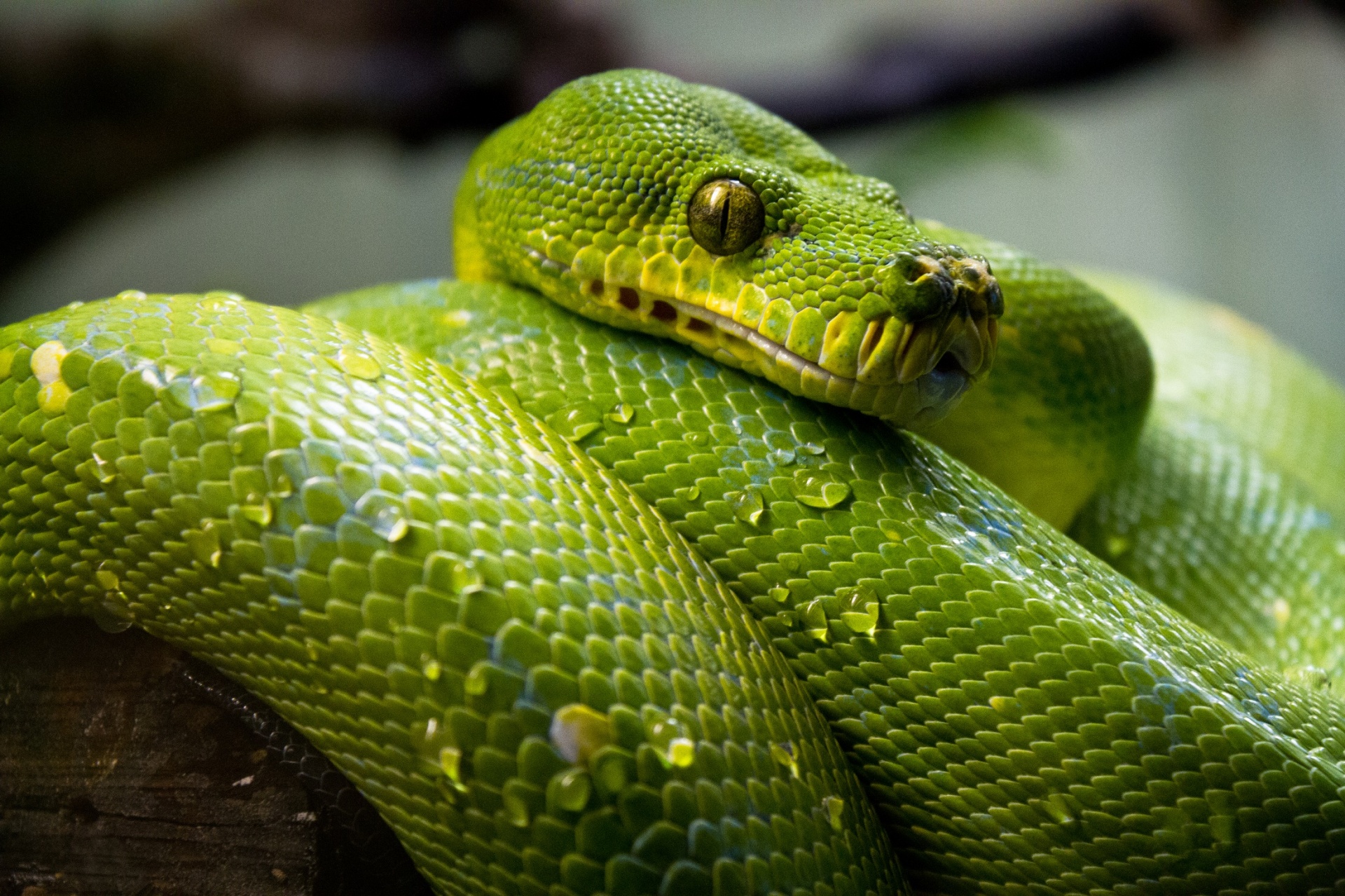
Imagine yourself hiking through a lush forest, sunlight dappling through the leaves, when suddenly, you spot a snake slithering across your path. A shiver runs down your spine. Is it dangerous? Is it venomous? Knowing the difference between a harmless snake and one that could pose a threat is crucial for anyone exploring the great outdoors in North America.
Many people feel uneasy around snakes. This unease often stems from a lack of knowledge and the potential for encountering a venomous species. It's understandable to worry about the risks involved, especially when venturing into areas where snakes are common. The ability to identify different types of snakes and understand their behavior is key to alleviating these concerns.
This post aims to provide you with the knowledge necessary to distinguish between venomous and non-venomous snakes in North America. We'll explore the characteristics of common venomous species, discuss their habitats, and offer tips for staying safe in snake country. By the end, you'll be better equipped to appreciate these fascinating creatures while minimizing the risks of an unpleasant encounter.
In North America, several venomous snake species exist, primarily belonging to the pit viper and coral snake families. Identifying these snakes is crucial for outdoor safety. Remember key features like triangular heads, elliptical pupils (in pit vipers), and specific color patterns (like the "red on yellow, kill a fellow" rhyme for coral snakes). Knowing where these snakes live and understanding their behavior can help you avoid potentially dangerous encounters. Stay alert, be respectful of their habitat, and learn basic snakebite first aid.
Identifying Venomous Snakes: A Personal Encounter
I'll never forget the time I stumbled upon a snake while camping in Arizona. It was coiled up near a rock, basking in the sun. My heart skipped a beat! I froze, trying to remember everything I'd ever read about venomous snakes. It had a triangular head and a pattern of dark blotches along its back. My instinct screamed, "Rattlesnake!" I slowly backed away, giving it plenty of space, and detoured around the area. Later, I consulted a field guide and confirmed my suspicion: it was indeed a Western Diamondback Rattlesnake. That experience drove home the importance of being able to quickly identify potentially dangerous snakes. While most snakes are harmless, knowing the venomous ones and how to react can make all the difference. Pit vipers, like rattlesnakes, copperheads, and cottonmouths, are characterized by their triangular heads, elliptical pupils, and heat-sensing pits between their eyes and nostrils. These pits allow them to detect warm-blooded prey, even in the dark. Coral snakes, on the other hand, are brightly colored with red, yellow, and black bands. Remember the rhyme: "Red on yellow, kill a fellow; red on black, venom lack." However, this rhyme only applies to coral snakes found in North America. Understanding these basic characteristics is your first line of defense against snakebite.
What Makes a Snake Venomous?
Venomous snakes possess specialized glands that produce venom, a complex mixture of toxins used to subdue prey and for defense. They deliver this venom through fangs, which are modified teeth. The venom can have various effects on the victim, depending on the species of snake and the composition of the venom. Some venoms are primarily neurotoxic, affecting the nervous system and causing paralysis, while others are hemotoxic, damaging blood cells and tissues. Pit vipers typically have hemotoxic venom, while coral snakes have neurotoxic venom. The severity of a snakebite depends on several factors, including the amount of venom injected, the size and health of the victim, and the location of the bite. Children and individuals with underlying health conditions are generally more vulnerable to the effects of venom. It's important to seek immediate medical attention if you are bitten by a venomous snake, as antivenom is often necessary to neutralize the venom and prevent serious complications.
The History and Myths Surrounding Venomous Snakes
Throughout history, snakes have held a prominent place in mythology and folklore, often representing both danger and healing. In some cultures, they are symbols of wisdom and transformation, while in others, they are associated with evil and treachery. Venomous snakes, in particular, have been feared and revered for their deadly potential. Many myths and legends surround snakebites, with tales of miraculous cures and fatal encounters. Some cultures believe that snakes possess supernatural powers and can control the weather or bring good fortune. In ancient Greece, the snake was a symbol of medicine, associated with the god Asclepius, whose staff is still used as a symbol of healthcare today. These historical and mythical associations have shaped our perceptions of snakes, often contributing to fear and misunderstanding. While it's important to respect the potential danger of venomous snakes, it's also crucial to separate fact from fiction and approach these creatures with knowledge and caution.
Hidden Secrets of Venomous Snakes: Beyond the Bite
Beyond their venom, snakes possess fascinating adaptations that allow them to thrive in diverse environments. Their scales provide protection and help them move efficiently, while their forked tongues allow them to "taste" the air and detect prey. Pit vipers have heat-sensing pits that enable them to hunt in the dark, while coral snakes use their bright colors to warn predators of their venomous nature. Snakes play an important role in the ecosystem, controlling populations of rodents and other small animals. They are also a valuable source of food for larger predators. Many snake species are facing threats from habitat loss, pollution, and persecution. Conservation efforts are crucial to protect these fascinating creatures and maintain the delicate balance of the natural world. Understanding the hidden secrets of venomous snakes, beyond their potential danger, can foster a greater appreciation for their role in the ecosystem and the importance of protecting them.
Recommendations for Safe Encounters with Snakes
The best way to avoid a snakebite is to prevent encounters in the first place. When hiking or exploring in snake country, wear sturdy boots and long pants to protect your legs. Stay on marked trails and avoid walking through tall grass or underbrush where snakes may be hiding. Be especially cautious when climbing rocks or reaching into crevices, as these are common places for snakes to seek shelter. Make noise as you walk to alert snakes to your presence, giving them a chance to move away. If you encounter a snake, remain calm and slowly back away, giving it plenty of space. Do not attempt to handle or harass the snake, as this will increase the likelihood of a bite. Educate yourself about the venomous snakes in your area and learn how to identify them. By following these simple precautions, you can significantly reduce your risk of a snakebite and enjoy your outdoor adventures with peace of mind. Carry a snake bite kit when possible in locations when snakes are common. It's better to be safe than sorry.
Identifying Characteristics of Common Venomous Snakes
To properly identify a venomous snake, you need to be aware of specific characteristics. For pit vipers, look for the triangular head shape, elliptical pupils (cat-eye shape), and the presence of heat-sensing pits between the eyes and nostrils. Rattlesnakes, of course, have a distinctive rattle at the end of their tail. Copperheads typically have a copper-colored head and hourglass-shaped markings on their body. Cottonmouths, also known as water moccasins, have a dark brown or black body and a white lining inside their mouth, which they display when threatened. Coral snakes are easily recognizable by their bright red, yellow, and black bands. Remember the rhyme "red on yellow, kill a fellow" to distinguish them from harmless snakes with similar patterns. It's important to note that snake coloration and patterns can vary depending on the species and location. Consulting a field guide specific to your region is the best way to accurately identify snakes in your area. When in doubt, it's always best to err on the side of caution and assume that any snake is venomous.
First Aid Tips for Snakebites
If you are bitten by a venomous snake, it's crucial to remain calm and seek immediate medical attention. Call 911 or your local emergency number to arrange for transportation to the nearest hospital. While waiting for help to arrive, take the following steps:
- Move away from the snake to avoid further bites.
- Remove any tight-fitting clothing or jewelry from the bitten limb, as swelling may occur.
- Immobilize the bitten limb and keep it below heart level.
- Clean the wound with soap and water.
- Do not attempt to suck out the venom or apply a tourniquet. These methods are ineffective and can cause further harm.
- If possible, take a picture of the snake to help medical professionals identify the species and administer the appropriate antivenom.
Antivenom is the most effective treatment for snakebites and should be administered as soon as possible. Time is of the essence, so don't delay seeking medical attention. With prompt and appropriate treatment, most snakebite victims can make a full recovery.
Geographic Distribution of Venomous Snakes
The distribution of venomous snakes varies across North America. Rattlesnakes are found in a wide range of habitats, from deserts and grasslands to forests and mountains, and are present in most states. Copperheads are more common in the eastern and central United States, while cottonmouths are typically found in the southeastern states, near bodies of water. Coral snakes are primarily found in the southern states, including Florida, Texas, and Arizona. Understanding the geographic distribution of venomous snakes in your area can help you assess your risk and take appropriate precautions. Before venturing into a new area, research the types of venomous snakes that are known to inhabit the region. This information can help you identify potential hazards and stay safe during your outdoor adventures. Local parks and wildlife agencies can provide valuable information about snake populations and safety guidelines.
Fun Facts About Venomous Snakes
Did you know that some rattlesnakes can live for over 20 years? Or that copperheads can change their color to blend in with their surroundings? Venomous snakes are fascinating creatures with unique adaptations and behaviors. Rattlesnakes use their rattle to warn potential predators of their presence, while coral snakes use their bright colors to advertise their venomous nature. Some snakes can even "fly" by gliding through the air using their flattened bodies as wings. Despite their reputation as dangerous predators, snakes play an important role in the ecosystem, controlling populations of rodents and other small animals. They are also a valuable source of food for larger predators. Learning about the fun facts and fascinating adaptations of venomous snakes can help you appreciate these creatures and overcome your fear of them. By understanding their behavior and their role in the environment, you can develop a greater respect for these often-misunderstood animals.
How to Coexist Safely with Venomous Snakes
Coexisting peacefully with venomous snakes requires a combination of knowledge, respect, and caution. Avoid creating habitats that attract snakes, such as piles of wood or debris near your home. Keep your yard clean and well-maintained, and trim bushes and shrubs to reduce hiding places. Seal any cracks or openings in your foundation to prevent snakes from entering your home. When hiking or exploring in snake country, be aware of your surroundings and take precautions to avoid encounters. Wear appropriate clothing and footwear, stay on marked trails, and make noise as you walk. If you encounter a snake, remain calm and slowly back away, giving it plenty of space. Do not attempt to handle or harass the snake. Educate yourself about the venomous snakes in your area and learn how to identify them. By following these simple guidelines, you can minimize your risk of a snakebite and coexist safely with these fascinating creatures. Remember, snakes are an important part of the ecosystem, and they deserve our respect and protection.
What If You Find a Snake in Your Home?
Finding a snake in your home can be a startling experience, but it's important to remain calm and take appropriate action. First, try to identify the snake from a safe distance. If you are unsure whether it is venomous, assume that it is and take extra precautions. Keep children and pets away from the snake. Open doors and windows to give the snake an escape route. If the snake does not leave on its own, call animal control or a professional wildlife removal service. Do not attempt to handle the snake yourself, as this could increase your risk of a bite. Stay away from the snake and observe it from a safe distance until help arrives. Once the snake has been removed, seal any cracks or openings in your foundation to prevent future intrusions. By taking these steps, you can safely and humanely remove a snake from your home and prevent future encounters.
List of Common Venomous Snakes in North America
Here's a list of some of the most common venomous snakes in North America:
- Rattlesnakes: Various species, including the Western Diamondback, Eastern Diamondback, Timber Rattlesnake, and Mojave Rattlesnake.
- Copperhead: Found in the eastern and central United States.
- Cottonmouth (Water Moccasin): Found in the southeastern United States, near bodies of water.
- Coral Snake: Found in the southern states, including Florida, Texas, and Arizona.
This list is not exhaustive, and there may be other venomous snake species in your area. Consult a field guide specific to your region for a complete list of venomous snakes and their identifying characteristics. Remember, it's always best to err on the side of caution and assume that any snake is venomous if you are unsure.
Question and Answer Section
Here are some frequently asked questions about venomous snakes in North America:
Q: How can I tell the difference between a venomous and non-venomous snake?
A: Look for key characteristics such as head shape (triangular vs. rounded), pupil shape (elliptical vs. round), and the presence of heat-sensing pits (in pit vipers). Color patterns can also be helpful, but remember that these can vary depending on the species and location.
Q: What should I do if I am bitten by a venomous snake?
A: Remain calm, seek immediate medical attention, and follow the first aid tips provided in this post. Do not attempt to suck out the venom or apply a tourniquet.
Q: Are all snakes dangerous?
A: No, most snakes are harmless and play an important role in the ecosystem. Only a small percentage of snakes are venomous and pose a threat to humans.
Q: How can I prevent snakes from entering my home?
A: Seal any cracks or openings in your foundation, keep your yard clean and well-maintained, and avoid creating habitats that attract snakes, such as piles of wood or debris.
Conclusion of Snakes of North America: Which Are Venomous?
Understanding which snakes in North America are venomous is crucial for safety and peace of mind when enjoying the outdoors. By learning to identify key characteristics, knowing their habitats, and practicing preventative measures, you can significantly reduce your risk of a snakebite. While fear is a natural response, knowledge is power. Equip yourself with the information necessary to appreciate these fascinating creatures from a safe distance and coexist responsibly in their environment. Remember to stay alert, stay informed, and stay safe.
0 Response to "Snakes of North America: Which Are Venomous?"
Post a Comment