Lion vs. Tiger: Who Would Win?
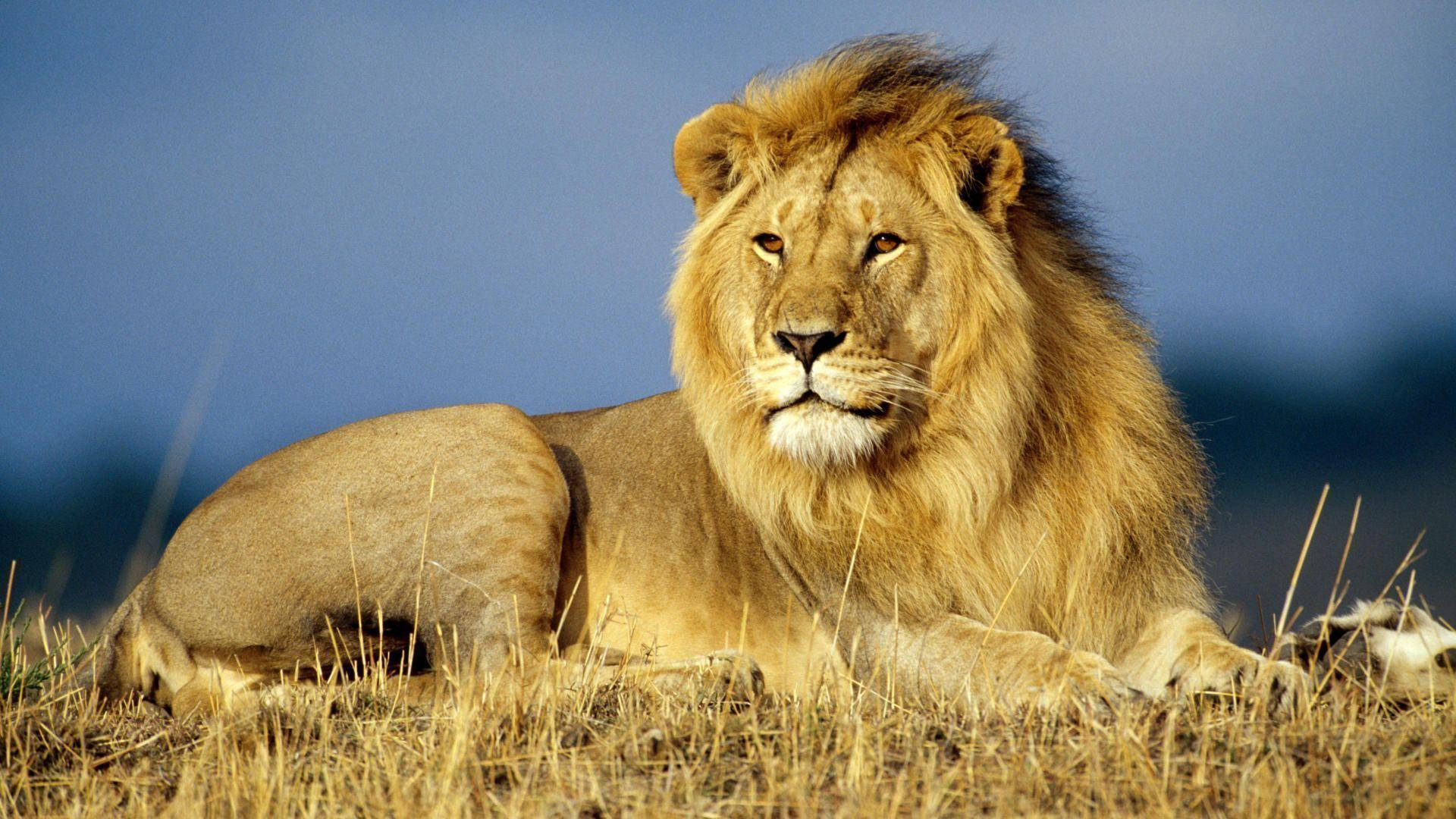
Since the dawn of time, humans have been fascinated by the animal kingdom, pitting creatures against each other in hypothetical battles of strength, skill, and survival. Among these imagined clashes, one reigns supreme in popularity: the epic showdown between the lion and the tiger. Who would emerge victorious in this battle of apex predators? Let's delve into the details.
Many of us have pondered this age-old question, leading to countless debates and discussions, but we are not sure about the real facts. We look at size, weight, teeth, habitat, and more to help us reach the answer.
While a definitive answer is impossible due to the variability of individual animals, a general consensus, leaning towards the tiger as the victor, is often reached. Tigers typically possess a slight advantage in size, agility, and overall fighting prowess. Their solitary hunting style also equips them with a higher degree of self-reliance and combat experience compared to lions, who often rely on their pride for support. However, a lion's mane could offer some protection, and their pack mentality might give them an edge in a group fight.
In the ultimate clash of titans, the tiger often edges out the lion as the likely winner. This conclusion is based on factors like size, agility, and solitary hunting experience. Although individual variations exist, and lions may have some advantages, tigers generally possess the tools for success in a hypothetical battle. The ongoing discussion reflects the lasting fascination with these apex predators.
Size and Strength: The Deciding Factors?
My grandfather, a former zookeeper, always used to say, "Don't underestimate the power of a cat, no matter how big or small." He had a healthy respect for all felines, but even he couldn't resist weighing in on the lion versus tiger debate. He'd spend hours discussing the subtle differences in their anatomy, comparing muscle mass and bite force. His personal experience with handling these magnificent animals gave him a unique perspective, leading him to believe that the tiger's slightly larger size and more muscular build would give it a significant advantage in a fight. This, combined with their inherent hunting skills, he argued, would make the tiger a formidable opponent.
The tiger's slight advantage in size and musculature often tips the scales in its favor. While both animals are incredibly powerful, the tiger typically outweighs the lion by a small margin, and its body is often more densely muscled. This translates to greater strength and potentially more devastating blows in a physical confrontation. Couple this with the tiger's solitary hunting style, which necessitates a higher degree of self-reliance and combat experience, and you have a recipe for a formidable fighter. However, it's important to remember that these are generalizations, and individual animals can vary greatly in size and strength.
Hunting Styles: Solitary Hunter vs. Pride Fighter
Lions and tigers employ drastically different hunting techniques, shaping their fighting styles. Lions, as pride members, often hunt cooperatively, relying on strategy and teamwork to bring down large prey. This cooperative approach can be effective in overwhelming their targets, but it also means they might not be as individually skilled in close-quarters combat. Tigers, on the other hand, are solitary hunters, relying on stealth, agility, and raw power to take down their prey. This solitary lifestyle forces them to hone their individual fighting skills, making them incredibly proficient in one-on-one combat situations. The independent nature of the tiger gives it an edge in individual battles.
The contrasting hunting styles of lions and tigers play a crucial role in shaping their fighting abilities. Lions, as social animals, rely on cooperation and teamwork when hunting. They often work together to ambush and bring down large prey, which requires strategic planning and coordination. While this cooperative approach can be highly effective, it also means that lions may not be as individually skilled in close-quarters combat. Tigers, conversely, are solitary hunters. They stalk their prey alone, relying on stealth, agility, and raw power to bring it down. This solitary lifestyle forces them to hone their individual fighting skills, making them incredibly proficient in one-on-one combat situations. The independent nature of the tiger, born from its hunting style, is a significant advantage in a hypothetical fight against a lion.
History and Myths: The Lion's "King" Title
For centuries, the lion has been dubbed the "king of the jungle," a title that carries significant weight in popular imagination. This association with royalty and dominance has undoubtedly influenced our perception of the lion's fighting prowess. But how much of this perception is based on fact versus myth? Lions have been ingrained in human culture and are seen as fierce and strong, and are a symbol of royalty.
The lion's title as the "king of the jungle" is largely a product of history and myth. In many cultures, the lion has been associated with royalty, courage, and strength, earning it a prominent place in art, literature, and folklore. This perception has undoubtedly influenced our view of the lion's fighting abilities, often elevating it to a position of perceived dominance. However, it's important to remember that the "king of the jungle" title is largely symbolic and doesn't necessarily reflect the lion's actual fighting prowess compared to other apex predators, such as the tiger. While lions are undoubtedly formidable creatures, their reputation as the "king" is more a product of cultural perception than scientific reality.
Hidden Secrets: Bite Force and Claw Power
Beyond size and hunting styles, the nitty-gritty details of bite force and claw power can significantly impact the outcome of a fight. Both lions and tigers possess incredibly powerful jaws and razor-sharp claws, but subtle differences in these physical attributes can make a crucial difference in a close-quarters battle. Looking at the real hidden secrets can lead to the real outcome of the winner.
The "hidden secrets" of a lion-tiger fight lie in the subtle differences in their physical attributes, particularly their bite force and claw power. While both animals are equipped with incredibly powerful jaws and razor-sharp claws, even slight variations in these areas can have a significant impact on the outcome of a close-quarters battle. For example, some studies suggest that tigers may have a slightly stronger bite force than lions, allowing them to inflict more damage with each bite. Similarly, the sharpness and size of their claws can also play a crucial role in determining the extent of the damage they can inflict on their opponent. These subtle advantages, often overlooked in the broader discussion, can be the deciding factor in a hypothetical fight between these two apex predators.
Recommendation: Respect Both Apex Predators
Regardless of who might win in a hypothetical fight, it's crucial to remember that both lions and tigers are magnificent creatures deserving of our respect and protection. They face numerous threats in the wild, including habitat loss, poaching, and human-wildlife conflict. Instead of focusing solely on which animal is "stronger," we should prioritize conservation efforts to ensure the survival of both species for generations to come. The recommendation is to let them both live and enjoy their life and freedom in the wild. It is our job to protect them, and help with their conservation.
My recommendation is to shift our focus from hypothetical battles to the real-world challenges facing both lions and tigers. These magnificent creatures are facing unprecedented threats in the wild, including habitat loss, poaching, and human-wildlife conflict. Instead of simply debating who is "stronger," we should prioritize conservation efforts aimed at protecting their habitats, combating poaching, and mitigating human-wildlife conflict. By focusing on conservation, we can ensure that both lions and tigers continue to thrive in the wild for generations to come. Ultimately, the "winner" should be a future where both species are safe and secure in their natural environments.
Key Differences in Anatomy
While both lions and tigers are formidable felines, there are some key anatomical differences that could influence the outcome of a fight. For example, lions possess a thick mane, which could offer some protection to their neck during a fight. Tigers, on the other hand, tend to have shorter, stockier bodies with more powerful forelimbs, which could give them an advantage in grappling and striking. These anatomical variations are important factors to consider when assessing the potential outcome of a hypothetical battle between these two apex predators. Considering the different anatomy could lead to knowing the winner of the battle.
A closer look at the anatomy of lions and tigers reveals some key differences that could potentially influence the outcome of a fight. One notable difference is the lion's mane, a thick growth of hair around the neck and shoulders that could provide some protection against bites and scratches. While the mane might offer a degree of defense, it could also hinder the lion's agility and maneuverability. Tigers, on the other hand, lack a mane but possess shorter, stockier bodies with more powerful forelimbs. This build could give them an advantage in grappling and striking, allowing them to deliver more forceful blows and maintain a stronger grip on their opponent. Additionally, tigers tend to have larger paws with sharper claws, further enhancing their ability to inflict damage. These anatomical variations, combined with their differing hunting styles and overall fighting strategies, make it difficult to definitively declare a "winner" in the lion versus tiger debate.
Tips for Appreciating Both Animals
The best way to engage with the lion versus tiger debate is to approach it with a sense of appreciation for both animals. Learn about their unique characteristics, their ecological roles, and the challenges they face in the wild. Visit zoos and wildlife sanctuaries that are committed to their conservation. By fostering a deeper understanding and appreciation for both species, we can move beyond the simplistic "who would win" question and focus on ensuring their long-term survival. Some of the tips include:
Learn about them
Find them in the wild
Help with their conservation
Here are some tips for truly appreciating both lions and tigers, moving beyond the hypothetical battles: First, immerse yourself in learning about their unique characteristics, behaviors, and ecological roles. Understand how they contribute to their ecosystems and the vital functions they perform. Second, support reputable zoos and wildlife sanctuaries that are committed to the conservation of both species. These institutions often play a critical role in breeding programs, research, and education. Finally, consider donating to organizations that are working to protect lion and tiger habitats in the wild, combat poaching, and mitigate human-wildlife conflict. By actively engaging with these animals and supporting their conservation, we can move beyond the simplistic "who would win" question and focus on ensuring their long-term survival in their natural environments.
Habitat Considerations
The environments in which lions and tigers live also play a crucial role in shaping their fighting abilities. Lions typically inhabit open grasslands and savannas, while tigers prefer dense forests and jungles. These contrasting habitats have influenced their hunting styles, agility, and overall survival strategies. Understanding these habitat considerations is essential for a more nuanced understanding of the lion versus tiger debate. Understanding the habitat helps with knowing the strengths and weaknesses of the animals.
The different habitats inhabited by lions and tigers have a significant impact on their fighting abilities. Lions, typically found in open grasslands and savannas, have evolved to hunt in cooperative groups, relying on teamwork and strategic planning to bring down large prey. This open environment also favors long-distance running and endurance, which could be advantageous in a prolonged fight. Tigers, on the other hand, prefer dense forests and jungles, where they rely on stealth, agility, and camouflage to ambush their prey. This environment has honed their individual hunting skills and made them incredibly proficient in close-quarters combat. Their ability to navigate dense vegetation and launch surprise attacks could give them an edge in a more confined space. Therefore, the environment in which a hypothetical fight takes place could significantly influence the outcome, favoring either the lion's endurance and cooperative skills in open terrain or the tiger's agility and ambush tactics in a more confined space.
Fun Facts About Lions and Tigers
Did you know that a lion's roar can be heard up to 5 miles away? Or that tigers have unique stripe patterns, like human fingerprints? These fascinating facts highlight the unique beauty and complexity of these amazing creatures. Learning more about them can spark a deeper appreciation for their place in the natural world. Each one is so beautiful and strong, and they play a big role in this world.
Here are some fun facts about lions and tigers that highlight their unique beauty and complexity: Did you know that a lion's roar can be heard up to 5 miles away? This powerful vocalization serves as a warning to rivals and helps to establish their territory. On the other hand, tigers have unique stripe patterns, much like human fingerprints, allowing researchers to identify individual animals in the wild. Furthermore, lions are the only cat species that live in social groups called prides, while tigers are solitary hunters. These fascinating details underscore the distinct characteristics of each species and provide a glimpse into their incredible adaptations and behaviors. Learning more about these amazing creatures can spark a deeper appreciation for their place in the natural world and inspire us to support their conservation.
How to Help Lions and Tigers
There are many ways to contribute to the conservation of lions and tigers. You can donate to reputable conservation organizations, support sustainable tourism initiatives, and advocate for stronger wildlife protection laws. Every action, no matter how small, can make a difference in ensuring a future for these iconic species. We are all in this together and we can help them.
Here are some concrete ways you can contribute to the conservation of lions and tigers: First, consider donating to reputable conservation organizations that are working to protect their habitats, combat poaching, and mitigate human-wildlife conflict. Research different organizations to ensure that your donations are being used effectively and transparently. Second, support sustainable tourism initiatives that promote responsible wildlife viewing and contribute to local communities. Look for eco-lodges and tour operators that prioritize conservation and community involvement. Finally, advocate for stronger wildlife protection laws and policies that protect lion and tiger habitats and punish those who engage in poaching or illegal wildlife trade. By taking these actions, you can play a significant role in ensuring a future for these iconic species and preserving their place in the natural world.
What if Lions and Tigers Fought More Often?
While lions and tigers rarely encounter each other in the wild, it's interesting to consider what the impact would be if they did. Increased competition for resources could lead to population declines in both species, potentially disrupting entire ecosystems. This scenario underscores the importance of maintaining healthy and balanced ecosystems to prevent such conflicts from occurring. This will impact the ecosystem of the animals, and affect the lives of these animals. It is not a good thing for this to happen.
Imagine a world where lions and tigers fought more frequently. The increased competition for resources, such as prey and territory, could lead to population declines in both species. This, in turn, could disrupt entire ecosystems, affecting the populations of other animals and plants that rely on these apex predators to maintain balance. The decline in prey species could also negatively impact other predators in the area, leading to a cascade of ecological consequences. Moreover, the constant conflict could lead to increased stress and injuries for both lions and tigers, further impacting their health and reproductive success. This scenario underscores the importance of maintaining healthy and balanced ecosystems to prevent such conflicts from occurring and to ensure the long-term survival of both lions and tigers.
Listicle: Top 5 Reasons the Tiger Might Win
1. Slightly larger size and weight
- More muscular build
- Solitary hunting experience
- Potentially stronger bite force
- Greater agility in dense environments
Here's a listicle highlighting the top 5 reasons why the tiger might emerge victorious in a hypothetical fight against a lion:
- Slightly larger size and weight: Tigers tend to be slightly larger and heavier than lions, giving them a potential advantage in terms of raw power.
- More muscular build: Tigers often possess a more muscular build compared to lions, which translates to greater strength and potentially more devastating blows.
- Solitary hunting experience: The tiger's solitary hunting style forces them to hone their individual fighting skills, making them incredibly proficient in one-on-one combat situations.
- Potentially stronger bite force: Some studies suggest that tigers may have a slightly stronger bite force than lions, allowing them to inflict more damage with each bite.
- Greater agility in dense environments: Tigers' agility and maneuverability in dense forests and jungles could give them an edge in a confined space.
Question and Answer
Q: What is the average size difference between a lion and a tiger?
A: Tigers are generally slightly larger, with some subspecies weighing up to 670 pounds, while lions typically weigh between 330 and 550 pounds.
Q: Do lions and tigers ever encounter each other in the wild?
A: Historically, they did in some regions of Asia, but today, their ranges rarely overlap.
Q: What is the most significant advantage a tiger has over a lion?
A: Many experts believe it's the tiger's solitary hunting experience, making them more skilled in individual combat.
Q: Besides size, what other factors could influence the outcome of a fight?
A: Factors like age, health, aggression level, and even luck could play a role.
Conclusion of Lion vs. Tiger: Who Would Win?
The debate over who would win between a lion and a tiger is a fascinating thought experiment that highlights the unique strengths and characteristics of these magnificent creatures. While a definitive answer is impossible, the tiger's slight advantage in size, agility, and solitary hunting experience often tips the scales in its favor. Ultimately, the most important thing is to appreciate and protect both of these apex predators, ensuring their survival for generations to come.
0 Response to "Lion vs. Tiger: Who Would Win?"
Post a Comment