Cat Climbs into Refrigerator When Open
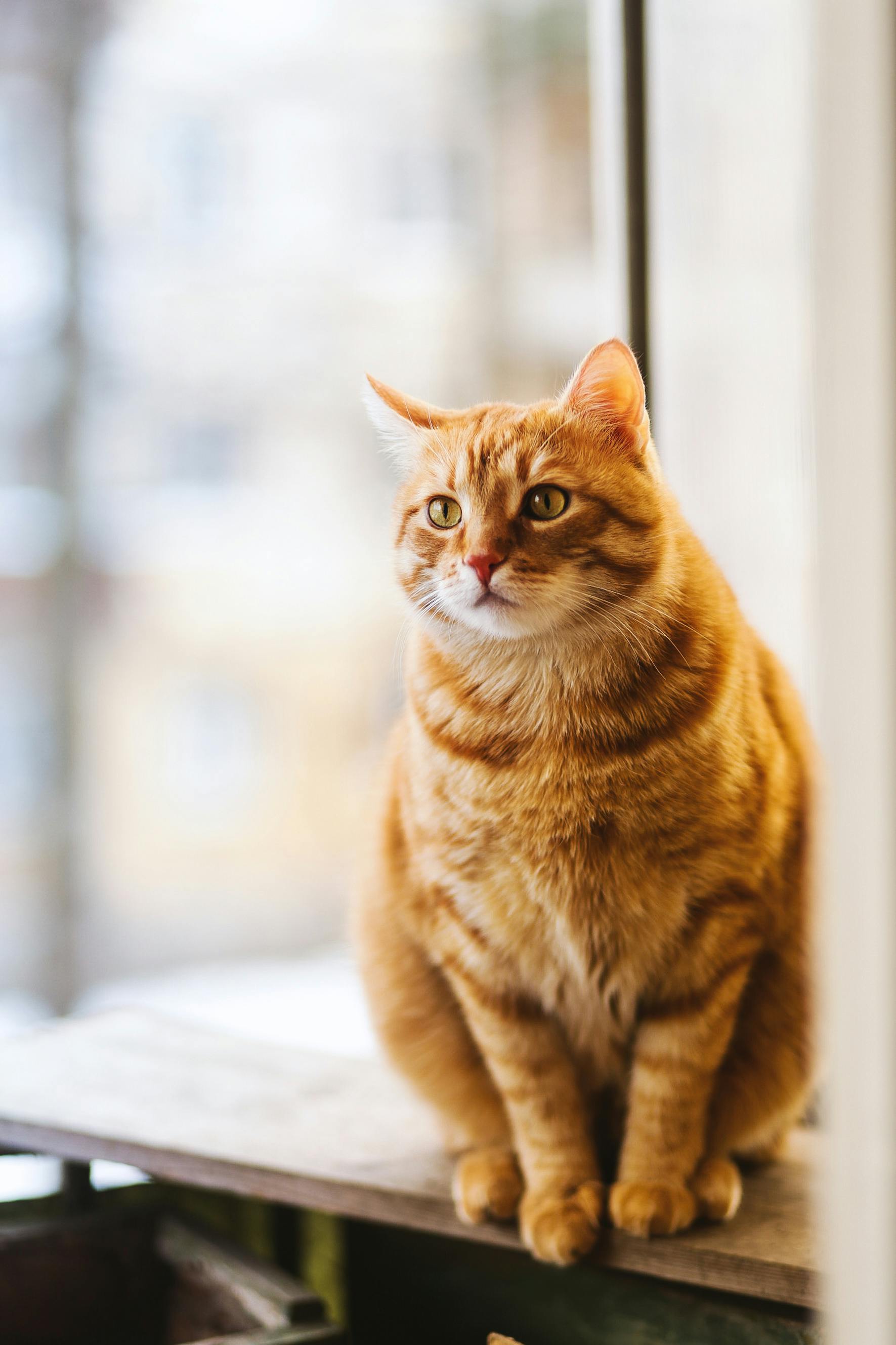
Ever opened your refrigerator, only to be greeted by a pair of gleaming eyes and a twitching tail? It's a scenario many cat owners know all too well. That sudden chill in the air isn't just from the fridge; it's the realization that your feline friend has decided your appliance is the perfect place for an impromptu adventure.
The frustration is understandable. Discovering your cat nestled amongst the milk and leftovers can be alarming, unsanitary, and potentially dangerous for your furry companion. Concerns about food contamination, the cat getting trapped, and the overall disruption to your kitchen routine are valid and pressing.
This article addresses the common problem of cats entering refrigerators when the door is opened. We'll explore the reasons behind this behavior, potential dangers, and, most importantly, how to prevent it, ensuring both your cat's safety and the integrity of your food.
Understanding why cats are drawn to refrigerators, recognizing the risks involved, and implementing strategies to deter them are crucial for responsible cat ownership. From curiosity and seeking cool environments to potential health hazards, we'll cover all the bases to help you keep your cat safe and your fridge cat-free.
The Allure of the Fridge: Why Do Cats Do This?
I remember the first time my cat, Mittens, pulled this stunt. I was reaching for the cream for my coffee when,whoosh, she zipped past my legs and into the refrigerator before I could even blink. It was comical, yes, but also concerning. Was she okay? What if she got locked in? I quickly learned that curiosity, combined with a quest for comfort, often drives this behavior. Cats are naturally inquisitive creatures, and an open refrigerator presents a novel environment filled with interesting smells and, importantly, a welcome coolness, especially during warmer months. My Mittens, I realized, was probably just trying to escape the summer heat! Beyond curiosity and temperature regulation, cats might also be drawn to specific smells in the refrigerator, like fish or meat. They could even be looking for a quiet, secluded spot to feel safe and secure. Understanding these motivations is the first step in addressing the problem and redirecting their attention elsewhere.
Potential Dangers: More Than Just a Chilly Adventure
While a cat's brief foray into the refrigerator might seem harmless, it's important to acknowledge the potential dangers involved. The most obvious risk is the possibility of the cat getting trapped inside. If the door accidentally closes, or if the cat is unable to open it from the inside, they could face suffocation or hypothermia. Even a short period of time in a confined, cold space can be harmful. Furthermore, refrigerators often contain foods that are toxic to cats, such as chocolate, onions, and certain dairy products. Ingesting these items could lead to serious health issues. Another concern is the potential for contamination. Cats can carry bacteria and parasites that could be transferred to food items, posing a risk to human health. Ultimately, preventing your cat from entering the refrigerator is a matter of ensuring their safety and maintaining a hygienic environment.
A History of Curiosity: Cats and Confined Spaces
The fascination cats have with confined spaces isn't a new phenomenon. Throughout history and in various cultures, cats have been associated with boxes, baskets, and other small enclosures. This behavior likely stems from their evolutionary instincts. In the wild, small spaces provide a sense of security and protection from predators, allowing cats to observe their surroundings undetected. This instinctual preference for enclosed areas can easily translate to the refrigerator, which, from a cat's perspective, might seem like a cozy and safe haven. Myths and folklore often depict cats as secretive and enigmatic creatures, further reinforcing the idea that they enjoy hidden nooks and crannies. Understanding the historical and evolutionary roots of this behavior can provide valuable insights into why cats are so drawn to confined spaces, including our refrigerators.
The Hidden Secrets: What Your Cat is Really Thinking
Beyond the obvious reasons of curiosity and comfort, there might be deeper, more nuanced reasons why your cat is attracted to the refrigerator. Consider the scent profile within the fridge. It's a concentrated blend of various smells – meats, cheeses, vegetables, and more. This olfactory symphony might be incredibly stimulating for a cat's sensitive nose. Furthermore, the refrigerator might represent a forbidden zone, adding to its allure. Cats, like humans, are often drawn to things they're not supposed to have. The thrill of sneaking into a restricted area could be a significant motivator. Finally, consider the attention your cat receives when it enters the refrigerator. Even negative attention, like being scolded or pulled out, can be reinforcing, especially if your cat is feeling neglected or bored. Unraveling these hidden secrets can help you better understand your cat's motivations and develop more effective strategies for redirection.
Recommendations: Keeping Your Cat Safe and Your Fridge Cat-Free
Preventing your cat from entering the refrigerator requires a multi-faceted approach. Firstly, ensure that your cat has plenty of alternative sources of stimulation. Provide them with toys, scratching posts, and climbing structures to keep them entertained and prevent boredom. Secondly, create a comfortable and cool environment for your cat, especially during warmer months. Provide them with access to shaded areas, fans, or even cooling mats. Thirdly, consider using deterrents to discourage them from approaching the refrigerator. Sticky tape or motion-activated sprays can be effective in creating an unpleasant experience. Most importantly, be consistent with your efforts. Every time your cat approaches the refrigerator, gently redirect them to a more appropriate activity. With patience and consistency, you can successfully break this habit and keep your cat safe and your fridge cat-free.
Understanding Cat Behavior: More Than Just Mischief
It's easy to dismiss a cat's refrigerator escapades as mere mischief, but understanding the underlying reasons for this behavior is crucial. Cats are intelligent and sensitive creatures, and their actions are often driven by specific needs or desires. A cat that consistently enters the refrigerator might be seeking attention, trying to escape a stressful environment, or simply bored and looking for something to do. By observing your cat's behavior in other contexts, you can gain valuable insights into their motivations. Are they clingy and demanding of attention? Are they easily startled or anxious? Are they spending long periods of time alone? Addressing these underlying issues can be more effective than simply trying to deter them from the refrigerator. A happy and well-adjusted cat is less likely to engage in unwanted behaviors.
Practical Tips: A Step-by-Step Guide to Prevention
Here's a step-by-step guide to help you prevent your cat from entering the refrigerator:
1.Identify the triggers: When is your cat most likely to enter the refrigerator? Is it during meal preparation, when you're distracted, or at specific times of the day?
2.Create a distraction: Before opening the refrigerator, engage your cat in a different activity. Offer them a toy, give them a treat, or start a play session.
3.Use deterrents: Place sticky tape or motion-activated sprays near the refrigerator to discourage them from approaching.
4.Supervise and redirect: Whenever you open the refrigerator, keep a close eye on your cat and gently redirect them if they attempt to enter.
5.Reinforce positive behavior: Reward your cat for staying away from the refrigerator. Offer them praise, treats, or affection when they exhibit desired behavior.
6.Secure the refrigerator: If all else fails, consider installing a childproof lock on the refrigerator door to prevent your cat from opening it.
Addressing Underlying Issues: Beyond the Refrigerator
Sometimes, a cat's refrigerator obsession is a symptom of a larger problem. If your cat is consistently seeking attention, they might be feeling neglected or bored. Ensure that they have plenty of opportunities for play, interaction, and enrichment. Provide them with a variety of toys, scratching posts, and climbing structures. Consider adopting a second cat to provide companionship. If your cat is anxious or stressed, try to identify the source of their anxiety and address it. Provide them with a safe and secure space where they can retreat when they feel overwhelmed. Consult with your veterinarian about potential anti-anxiety medications or therapies. By addressing these underlying issues, you can significantly reduce your cat's likelihood of entering the refrigerator and improve their overall well-being.
Fun Facts: The Quirky World of Cats and Refrigerators
Did you know that some cats are so adept at opening refrigerators that they can even bypass childproof locks? Their intelligence and dexterity are truly remarkable! Another fun fact is that cats are crepuscular animals, meaning they are most active during dawn and dusk. This might explain why they are more likely to enter the refrigerator during these times when they are feeling particularly energetic and curious. Interestingly, some cat owners have reported that their cats only enter the refrigerator when they are feeling unwell. The cool environment might provide them with some relief from fever or discomfort. Finally, it's worth noting that cats have a much more sensitive sense of smell than humans. They can detect odors that we can't even perceive, which might explain their fascination with the complex scent profile of the refrigerator.
How To: Train Your Cat to Stay Away From the Fridge
Training your cat to stay away from the refrigerator requires patience, consistency, and positive reinforcement. Start by teaching your cat a "leave it" command. Hold a treat in your hand and present it to your cat. When they reach for it, say "leave it" and close your hand. When they back away, immediately give them the treat from your other hand. Repeat this exercise several times until your cat consistently backs away when you say "leave it." Next, apply this command to the refrigerator. Whenever your cat approaches the refrigerator, say "leave it" and redirect them to a more appropriate activity. Reward them with praise, treats, or affection when they comply. Be consistent with your commands and rewards, and eventually, your cat will learn to associate the refrigerator with the "leave it" command and avoid it altogether.
What If: My Cat Won't Stop Going in the Fridge?
If your cat continues to enter the refrigerator despite your best efforts, it's important to consult with your veterinarian or a certified cat behaviorist. They can help you identify any underlying medical or behavioral issues that might be contributing to this behavior. In some cases, a cat's refrigerator obsession might be a sign of a medical condition, such as hyperthyroidism or cognitive dysfunction. A veterinarian can perform a thorough examination and rule out any potential medical causes. A cat behaviorist can help you develop a customized training plan that addresses your cat's specific needs and motivations. They can also provide you with guidance on how to create a more stimulating and enriching environment for your cat. Don't hesitate to seek professional help if you're struggling to resolve this issue on your own.
Listicle: 5 Reasons Why Your Cat Loves the Refrigerator
Here are five key reasons why your cat might be drawn to the refrigerator:
1.The Coolness Factor: Refrigerators offer a refreshing escape from the heat, especially during warmer months.
2.Olfactory Adventure: The refrigerator is a treasure trove of intriguing smells that stimulate a cat's sensitive nose.
3.A Sense of Security: The enclosed space provides a sense of safety and protection.
4.The Forbidden Zone: The refrigerator might represent a restricted area, adding to its allure.
5.Attention Seeking: Entering the refrigerator might be a way for your cat to get your attention, even if it's negative.
Question and Answer Section
Q: Is it dangerous for my cat to go into the refrigerator?
A: Yes, there are several potential dangers. Your cat could get trapped, eat toxic foods, or contaminate your food.
Q: How can I stop my cat from going into the refrigerator?
A: Try using deterrents like sticky tape, redirecting their attention with toys, and making sure they have a cool, comfortable space to relax.
Q: What if my cat is constantly trying to get into the refrigerator?
A: It could be a sign of boredom, anxiety, or even a medical issue. Consult with your vet or a cat behaviorist.
Q: Are there any foods in the refrigerator that are particularly dangerous for cats?
A: Yes, chocolate, onions, garlic, grapes, raisins, and certain dairy products can be toxic to cats.
Conclusion of Cat Climbs into Refrigerator When Open
Ultimately, addressing the issue of your cat climbing into the refrigerator is about understanding their motivations, providing a safe and stimulating environment, and implementing consistent training strategies. By taking the time to understand your cat's behavior and address their underlying needs, you can successfully deter them from entering the refrigerator and ensure their safety and well-being. Remember to be patient, consistent, and always consult with your veterinarian or a certified cat behaviorist if you have any concerns or difficulties. With a little effort, you can keep your cat safe, your food secure, and your kitchen a peaceful haven for both you and your furry friend.
0 Response to "Cat Climbs into Refrigerator When Open"
Post a Comment