Cat Climbs into Suitcase Before Every Trip
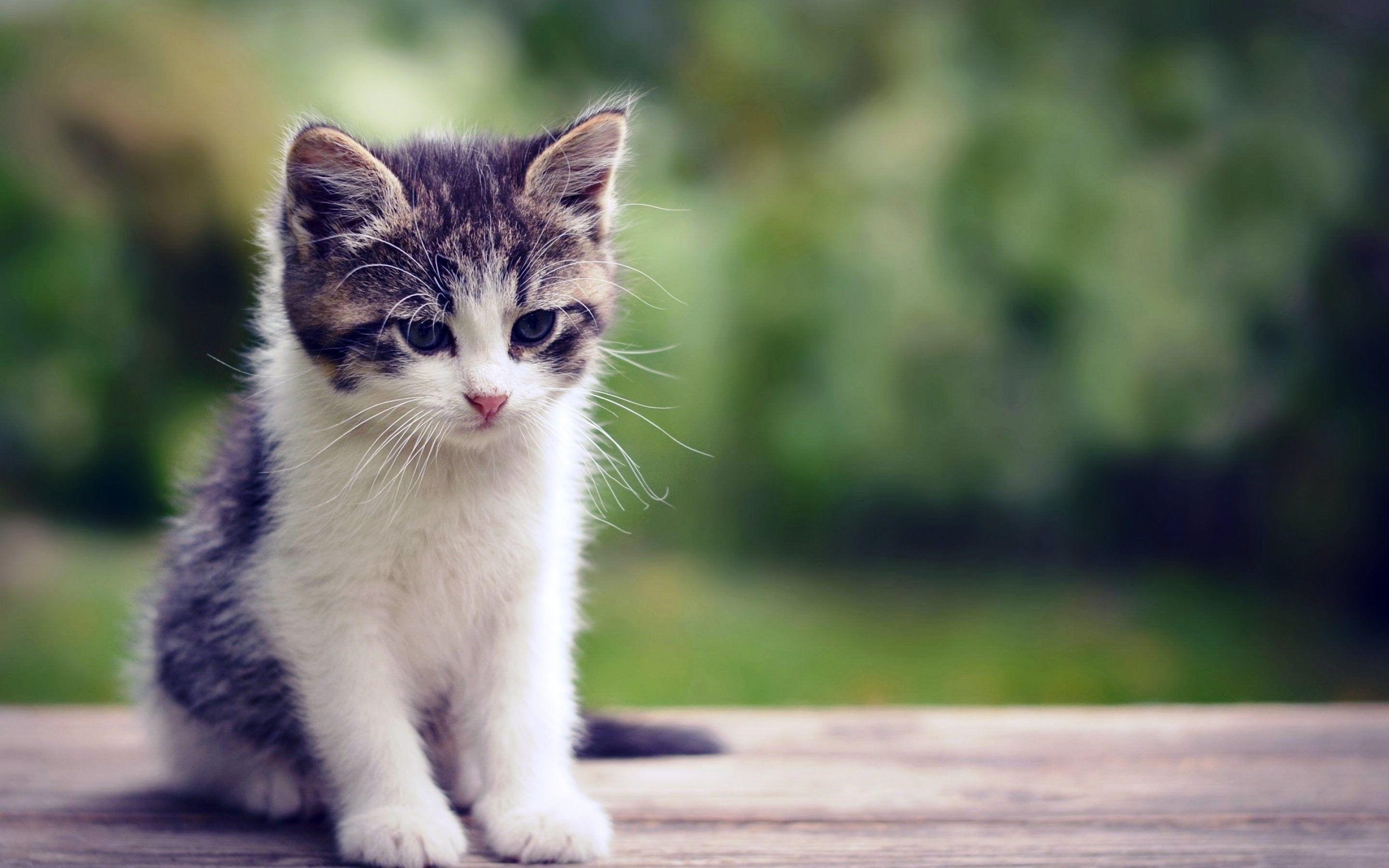
Packing for a trip should be a joyous occasion, filled with anticipation of adventures to come. But for many cat owners, the sight of an open suitcase triggers a furry, four-legged invasion. Suddenly, your carefully chosen outfits are covered in cat hair, and your toiletries are being used as a makeshift napping spot. It's a universal feline phenomenon: the suitcase ambush.
It can be frustrating, can't it? You're trying to get everything organized, make sure you haven't forgotten anything vital, and all the while, you're playing a constant game of "remove the cat from the luggage." There's the guilt, too, the feeling that your trip preparations are causing your beloved pet distress. You wonder, are they just being naughty, or is there something more to it?
This article aims to unravel the mystery behind why cats are so drawn to suitcases. We'll explore the reasons behind this behavior, offer some solutions to deter your cat from turning your luggage into a personal playground, and help you understand what's really going on in their furry little minds. We'll address the underlying anxieties your cat might be experiencing and give you practical tips for making travel preparations less stressful for both of you.
We'll explore the psychology of suitcase-loving cats, looking at scent marking, anxiety, and the allure of confined spaces. You'll learn practical tips for diverting your cat's attention, making your suitcase less appealing, and creating a more relaxed environment during your pre-trip chaos. Understanding these drivers behind suitcase behavior will not only preserve your packing sanity but also strengthen the bond you share with your feline friend, turning stressful travel prep into a moment of connection and understanding.
The Psychology Behind the Suitcase Invasion
I remember the first time Whiskers, my tabby, decided my suitcase was his personal throne. I was packing for a weekend getaway, and as soon as I unzipped the bag, he was in there, kneading my clothes and purring like a motor. At first, I thought it was cute, but after the fifth time I had to evict him, I started to get a little exasperated. It made me wonder, what was so appealing about that suitcase? Why was he so determined to be a stowaway?
Turns out, there are a few key psychological factors at play. Firstly, cats are scent-driven creatures. Your suitcase, especially if it's been stored away, is a blank canvas for them to mark with their own scent. By rubbing against your clothes and bedding, they're claiming it as their territory and mixing their familiar scent with yours. This is a comfort mechanism for them, and it also serves as a way to signal to other cats that "this is my stuff."
Secondly, cats often crave enclosed spaces. Suitcases provide that sense of security and privacy they instinctively seek out. It's like a little den, a place where they feel safe and protected. This is particularly true if they're feeling anxious or stressed by the change in routine that precedes a trip. They might see the suitcase as a refuge from the chaos, a place where they can retreat and feel in control.
Finally, the attention factor can't be ignored. Cats are smart creatures, and they quickly learn that certain behaviors get them attention, even if it's negative attention. If you scold them or pick them up and move them, they're still getting a reaction from you, which can be reinforcing. In some cases, the suitcase invasion is simply a way for them to get your attention and remind you that they're there and they need you.
What Does It Mean When a Cat Enters a Suitcase?
When your cat jumps into your suitcase, it's more than just a cute or annoying quirk. It's a form of communication, a way for them to express their feelings and needs. It's important to understand this underlying message to address the behavior effectively. So, what exactly is your cat trying to tell you?
Often, it's about comfort and security. The suitcase, with its enclosed space and your familiar scent, provides a sense of safety and predictability in a time of disruption. Cats thrive on routine, and the preparations for a trip can be quite unsettling for them. The packing, the change in your schedule, the arrival of luggage – all these things can trigger anxiety. The suitcase becomes a haven, a place where they can feel grounded amidst the chaos.
It can also be a sign of separation anxiety. Cats are often more attached to their owners than we realize, and they can sense when you're about to leave. Jumping into your suitcase might be their way of trying to come with you, or at least to leave their scent on your belongings so that they can still feel close to you while you're away. They may also be nervous about who is going to be looking after them whilst you are away or if they are going to be safe in your house.
Furthermore, it can be a territorial behavior. Cats are very particular about their territory, and they like to mark it with their scent. Your suitcase, with its unfamiliar smells, becomes a new object to claim. By rubbing against it and leaving their scent, they're asserting their ownership and incorporating it into their domain.
The History and Myth of Suitcase-Loving Cats
While the internet is full of hilarious photos and anecdotes of cats in suitcases, the behavior itself isn't exactly new. Cats have been curious creatures for centuries, and their penchant for enclosed spaces has likely been observed since they first became domesticated. While there aren't any specific historical accounts of suitcase-loving cats from ancient times, we can infer that this behavior has been around for as long as cats have had access to boxes, baskets, and other similar containers.
The mythos surrounding cats often portrays them as independent and mysterious creatures, drawn to the unknown. This image is reinforced by their tendency to explore hidden corners and squeeze into tight spaces. The suitcase, with its promise of travel and adventure, fits perfectly into this narrative. It's a portal to a different world, a chance to experience new smells and sensations, even if it's just vicariously through the owner's journey.
The internet has undoubtedly amplified this phenomenon, turning it into a viral sensation. The combination of cute cats and relatable human frustration is irresistible. Social media has allowed cat owners to share their experiences and create a sense of community around this shared quirk. The "cat in a suitcase" meme has become a symbol of feline curiosity and the challenges of cat ownership, making it a lighthearted and humorous topic that resonates with people around the world.
From a more practical standpoint, the rise of modern travel and the increased availability of suitcases have likely contributed to the prevalence of this behavior. As travel becomes more commonplace, cats have more opportunities to interact with suitcases and develop this particular habit. It's a modern twist on an age-old feline instinct, adapted to the realities of contemporary life.
Hidden Secrets of Cats and Suitcases
Beyond the obvious reasons of comfort, security, and scent marking, there might be some hidden secrets behind your cat's obsession with suitcases. Understanding these deeper motivations can help you better address the behavior and create a more harmonious environment for your feline friend.
One hidden secret is the element of control. Cats are naturally independent creatures, and they value their ability to make choices and exert control over their environment. When your routine is disrupted by travel preparations, they may feel like they're losing control. Jumping into your suitcase might be their way of reasserting their dominance and reminding you that they're still in charge, at least in their own minds. This control may also have to do with what they are thinking, such as when am I going to be fed next. Cats like to know when they are going to be fed.
Another secret lies in the anticipation of change. Cats are highly sensitive to changes in their environment, and they can pick up on subtle cues that indicate something is about to happen. Your packing routine, the presence of luggage, the change in your demeanor – all these things can signal to your cat that a departure is imminent. They might be drawn to the suitcase as a way to investigate the situation and prepare themselves for the upcoming transition.
Furthermore, some cats might simply be bored. If they're not getting enough stimulation or attention, they might see the suitcase as a novel and exciting object to explore. It's a new texture, a new smell, a new place to hide and play. In this case, the suitcase invasion might be a sign that they need more enrichment and mental stimulation in their daily lives.
Recommendations for Cats and Suitcases
So, what can you do to deter your cat from turning your suitcase into their personal playground? Here are some practical recommendations that can help you manage this behavior and make travel preparations less stressful for everyone involved:
First and foremost, create a comfortable and inviting alternative space for your cat. This could be a cozy bed, a cat tree, or even a cardboard box filled with soft blankets. Make sure this space is in a quiet and safe location where they can retreat and feel secure. Encourage them to use this space by placing treats or toys inside, and spend time with them there, petting and playing.
Secondly, make your suitcase less appealing. Close it when you're not actively packing, and store it in a closet or room that your cat doesn't have access to. If that's not possible, try covering it with a sheet or blanket to make it less visually appealing. You can also try placing double-sided tape around the edges of the suitcase, as cats generally dislike the sticky texture. You can also try using scent deterrants.
Thirdly, redirect their attention. When you start packing, engage your cat in a fun activity, such as playing with a toy or grooming them. This will help to distract them from the suitcase and provide them with positive attention. You can also try giving them a treat puzzle or a stuffed toy to keep them occupied.
Understanding Cat Behavior
To effectively address your cat's suitcase obsession, it's crucial to understand the underlying motivations driving this behavior. As mentioned earlier, cats are creatures of habit and routine. Any disruption to their established patterns can trigger anxiety and lead to unwanted behaviors. The packing process, with its flurry of activity and unfamiliar objects, can be particularly unsettling for them. Think about how you behave when you are travelling, is it different to how you usually behave? This can affect your cat and how they see you, and make them react in different ways than usual.
Another key factor is the territorial nature of cats. They have a strong sense of ownership over their environment, and they like to mark their territory with their scent. Your suitcase, with its unfamiliar smells and textures, represents a potential threat to their established domain. By jumping into the suitcase and rubbing against your belongings, your cat is essentially claiming it as their own and integrating it into their territory.
Additionally, cats are naturally curious creatures, and they're often drawn to new and interesting objects. Your suitcase, with its unfamiliar shape and contents, can be a source of fascination for them. They might simply be exploring the new addition to their environment, trying to understand what it is and what it means.
Tips to Keep Cats Out of Suitcases
So, you've tried the recommendations above, but Whiskers is still determined to make your suitcase his personal sanctuary? Don't despair! Here are some additional tips to help you keep your cat out of your luggage and maintain your packing sanity:
Create a "safe zone": Designate a specific area in your home as your cat's "safe zone." This could be a quiet room, a cozy corner, or even just a comfortable bed. Make sure this space is filled with familiar objects and scents that your cat finds comforting, such as their favorite blanket, toys, and scratching post. Encourage them to spend time in this zone by placing treats or toys inside, and make sure they have access to fresh water and food.
Use a deterrent spray: There are several commercially available deterrent sprays that are designed to discourage cats from entering certain areas. These sprays typically contain ingredients that cats find unpleasant, such as citrus or herbal scents. Spray the deterrent around your suitcase and packing area to make it less appealing to your cat. Be sure to test the spray on a small, inconspicuous area first to make sure it doesn't damage any of your belongings.
Provide alternative entertainment: If your cat is simply bored, providing them with alternative entertainment can help to redirect their attention away from your suitcase. Try giving them a new toy, engaging them in a play session, or even just spending some quality time petting and cuddling them. A tired and entertained cat is less likely to be interested in exploring your luggage.
Cat's Needs When You Are Away
Ensuring your cat's needs are met while you're away is paramount to their well-being and can also help reduce their anxiety, which in turn can lessen the likelihood of them seeking refuge in your suitcase. Before you embark on your journey, take the time to carefully consider and address your cat's physical and emotional requirements. This includes ensuring they have access to fresh food and water, a clean litter box, and a comfortable and safe environment. Also, consider how often someone is going to feed them, and whether it is the same time you would feed them.
If you're leaving your cat in the care of a friend, family member, or professional pet sitter, be sure to provide them with detailed instructions on your cat's feeding schedule, medication requirements, and any other special needs. It's also helpful to share information about your cat's personality, preferences, and any potential behavioral issues. The more information you can provide, the better equipped your caregiver will be to provide your cat with the care and attention they need.
In addition to physical needs, it's also important to consider your cat's emotional well-being. Cats are social creatures, and they can become lonely and anxious when left alone for extended periods of time. If possible, try to arrange for someone to visit your cat at least once a day to provide them with companionship, playtime, and attention. Even a short visit can make a big difference in your cat's mood and behavior. You can also leave on the radio or TV for them, so they can hear voices, if they are used to this.
Fun Facts About Cats and Suitcases
Did you know that the "cat in a suitcase" phenomenon is so widespread that it has spawned countless memes and social media trends? A quick search online will reveal a treasure trove of hilarious photos and videos of cats squeezing themselves into luggage of all shapes and sizes. It's a universal experience that cat owners around the world can relate to.
Another fun fact is that cats aren't the only animals that are drawn to suitcases. Dogs, rabbits, and even the occasional ferret have been known to hop into luggage from time to time. However, cats are undoubtedly the most frequent offenders, perhaps due to their natural curiosity and love of enclosed spaces. What other animals do you know that jumps into suitcases?
The average cat can fit into a surprisingly small suitcase. Cats are incredibly flexible creatures, and they can contort their bodies into all sorts of positions to squeeze into tight spaces. Some cats have even been known to fit into suitcases that appear to be much smaller than their actual size. It's a testament to their agility and determination.
Finally, the "cat in a suitcase" phenomenon has even inspired artists and designers. You can find cat-themed luggage tags, stickers, and even entire suitcases designed to look like cats. It's a testament to the enduring appeal of this quirky and endearing feline behavior.
How to Help Your Cat Adjust to Travel Preparations
The key to minimizing your cat's anxiety and preventing them from turning your suitcase into their personal hideaway is to create a more positive and predictable environment during travel preparations. Here's how you can help your cat adjust to the upcoming change:
Gradual desensitization: Instead of suddenly pulling out your suitcase and starting to pack, introduce it gradually over a few days. Leave the suitcase open in a common area where your cat can explore it at their own pace. Place familiar objects, such as their favorite blanket or toys, inside the suitcase to make it more inviting. The more comfortable they get with the suitcase, the less likely they are to see it as a threat.
Positive reinforcement: Associate the suitcase with positive experiences. Whenever your cat approaches the suitcase, give them a treat or offer them praise and affection. This will help them to develop a positive association with the suitcase and reduce their anxiety. This will hopefully make the process less stressful for both parties.
Maintain a consistent routine: During travel preparations, try to maintain as much of your cat's normal routine as possible. Feed them at the same time, play with them regularly, and spend quality time with them. This will help them to feel more secure and grounded during a time of change. Ensure they have what they need throughout the day.
What If Your Cat Absolutely Refuses to Stay Out of the Suitcase?
Despite your best efforts, some cats are simply determined to make your suitcase their own. If your cat absolutely refuses to stay out of the luggage, it's important to remain patient and understanding. Scolding or punishing them will only increase their anxiety and make the situation worse.
In this case, you might need to resort to a more creative solution. One option is to designate a "cat-approved" suitcase. Find an old suitcase or carrier that your cat can use as their own personal space. Place it in a quiet and comfortable location, and fill it with soft blankets and toys. Encourage your cat to use this suitcase by placing treats inside and spending time with them there. This can give them the sense of security they are looking for.
Another option is to simply accept that your cat is going to be involved in the packing process. Allow them to explore the suitcase and sniff your belongings, but gently redirect them if they start to get in the way. You can even let them "help" you pack by placing a few of their favorite toys inside the suitcase. This can make the packing process more enjoyable for both of you.
Ultimately, the goal is to find a solution that works for both you and your cat. Remember that your cat's behavior is often driven by anxiety and a need for security. By addressing these underlying needs, you can create a more peaceful and harmonious environment during travel preparations.
Listicle: 7 Reasons Cats Love Suitcases
Let's break down the suitcase fascination with a fun listicle:
1. Scent Central: Your suitcase is a blank canvas of smells, ripe for feline scent-marking.
2. Cozy Cave: It's a ready-made den, offering a sense of security.
3. Attention Grabber: A surefire way to get your attention, even if it's negative.
4. Anxiety Relief: Packing disrupts their routine, and the suitcase offers comfort.
5. Territorial Imperative: Marking their territory on a new object.
6. Boredom Buster: Something new and exciting to explore.
7. Travel Buddy Dreams: Maybe they just want to come with you!
Question and Answer
Q: Why does my cat only get in the suitcase when I'm packing for a trip?
A: It's likely due to the change in routine and the anxiety associated with your upcoming departure. They may also be trying to come with you!
Q: Will scolding my cat stop them from getting in the suitcase?
A: No, scolding will likely only increase their anxiety and make the behavior worse. Positive reinforcement and redirection are more effective.
Q: Is there a specific type of suitcase that cats prefer?
A: Not really. Cats are drawn to all types of suitcases, regardless of size, shape, or material.
Q: My cat seems genuinely distressed when I pack. What can I do?
A: Try creating a "safe zone" for them, maintaining a consistent routine, and using calming pheromone diffusers. If their anxiety is severe, consult with your veterinarian.
Conclusion of Cat Climbs into Suitcase Before Every Trip
The mystery of the suitcase-loving cat is a complex mix of instinct, emotion, and curiosity. By understanding the underlying reasons behind this behavior, you can address your cat's needs and create a more harmonious environment during travel preparations. Remember, patience, understanding, and a little bit of creativity can go a long way in resolving this common feline quirk. And who knows, maybe one day you'll even find yourself enjoying the pre-trip cuddles in your suitcase!
0 Response to "Cat Climbs into Suitcase Before Every Trip"
Post a Comment