Whales That Sing in Dialects
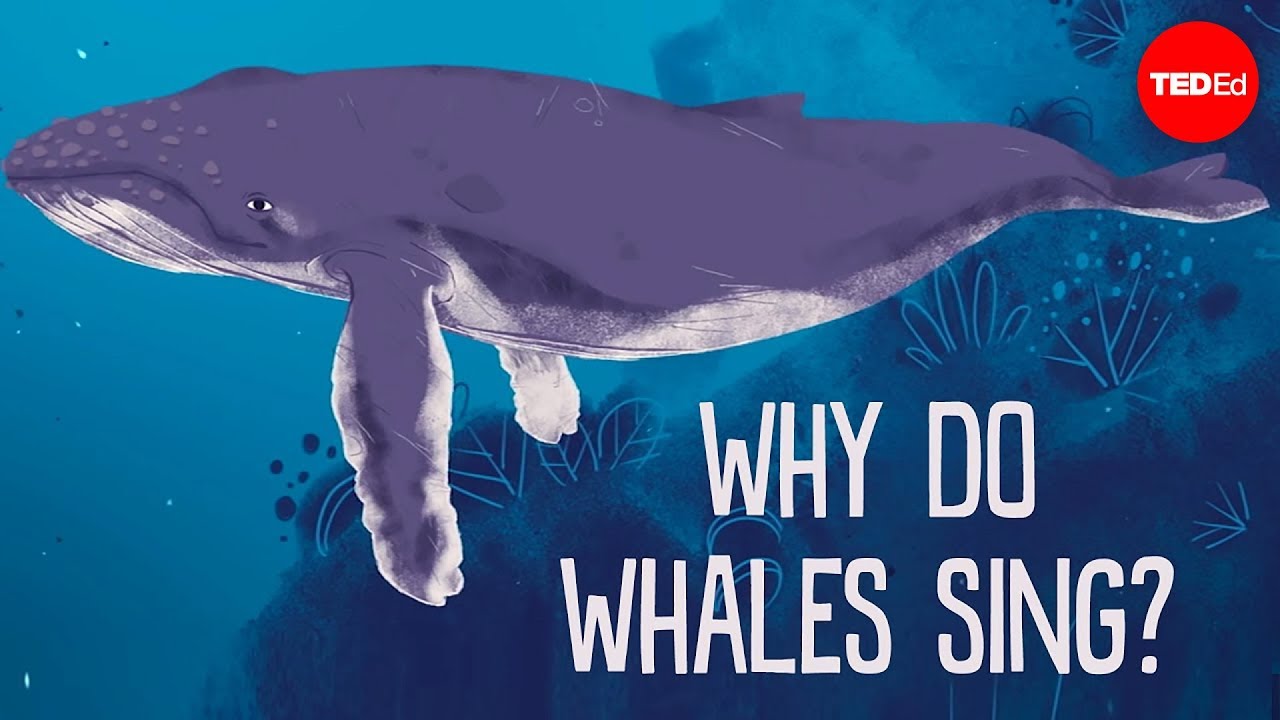
Imagine a vast, underwater concert hall where the performers are giants of the deep. They aren't just making noise; they're crafting complex melodies, passing down songs through generations, and even, unbelievably, singing in different dialects. This isn't science fiction; it's the real world of whales.
For years, the nuances of whale communication remained a mystery, frustrating scientists and nature enthusiasts alike. The sheer scale of the ocean, coupled with the complexity of whale behavior, made deciphering their songs a monumental challenge. Understanding the intricate details of these vocalizations, and how they vary across populations, felt like trying to learn a language without a dictionary or grammar book.
This article aims to shed light on the fascinating world of whale song, exploring how these magnificent creatures communicate, the regional variations in their "languages," and what these dialects tell us about their social structures and migratory patterns. It's for anyone captivated by marine life, linguistics, or the sheer wonder of the natural world.
We'll delve into the science behind whale song, examining how researchers are using hydrophones and advanced analysis techniques to unravel the mysteries of their underwater conversations. We'll explore the concept of whale dialects, the geographical variations in their songs, and the implications for conservation efforts. Key terms like whale vocalizations, marine bioacoustics, cetacean communication, and underwater acoustics will be discussed. Ultimately, we'll uncover how these majestic animals express themselves through song and what their melodies reveal about their lives.
The Significance of Whale Dialects
I remember the first time I heard recordings of different humpback whale populations. I was working on a marine conservation project in Hawaii, and the researchers were analyzing acoustic data collected from the North Pacific. At first, the songs sounded similar, but as I listened more closely, I started to discern subtle differences in rhythm, pitch, and even the specific "phrases" used. It was like hearing different accents within the same language. This experience ignited my fascination with whale dialects and the cultural transmission of song within whale populations. Each population had a unique song, and these songs changed over time, but within a population the whales all tended to sing a similar song. These subtle variations tell us about the culture and geographic boundaries of whale populations. The study of whale dialects allows us to better understand how whale populations are structured and how they interact with one another. Whale dialects are not static; they evolve over time, influenced by factors such as cultural exchange, migration patterns, and environmental changes. By monitoring these changes, we can gain valuable insights into the health and resilience of whale populations in the face of human-induced stressors such as noise pollution and climate change.
Decoding Whale Song: What Are They Saying?
Decoding whale song is like attempting to decipher an alien language, yet scientists are making remarkable progress. While we can't definitively translate their songs into human terms, we can analyze the structure, patterns, and variations within their vocalizations to understand their potential meaning. For instance, certain song structures are associated with mating displays, while others may be used for communication within a pod or for long-distance signaling. The complexity of whale song suggests that it serves multiple purposes, including maintaining social bonds, coordinating hunting strategies, and even transmitting cultural knowledge. Researchers use hydrophones to record whale sounds and then use specialized software to analyze the recordings. By comparing songs from different populations and across different time periods, scientists can identify distinct dialects and track changes in song structure. The analysis of whale song is a complex and ongoing process, but it is providing valuable insights into the lives and behavior of these magnificent creatures.
History and Myth of Whales Singing in Dialects
The idea of whales singing has captivated human imagination for centuries, appearing in myths, legends, and literature across various cultures. Historically, sailors and coastal communities reported hearing strange and haunting melodies emanating from the ocean depths, often attributing them to mythical creatures or supernatural forces. With the advent of underwater recording technology, scientists were able to confirm that these melodies were indeed produced by whales, revealing the complex and fascinating world of whale song. However, the concept of whale dialects is a more recent discovery, emerging as researchers began to analyze and compare whale songs from different populations. The study of whale dialects has opened up new avenues for understanding whale culture, communication, and social structure. As scientists continue to unravel the mysteries of whale song, we are gaining a deeper appreciation for the complexity and intelligence of these magnificent creatures.
The Hidden Secrets of Whale Communication
Beneath the surface of their beautiful melodies lie hidden secrets of whale communication. While much of what whales communicate remains a mystery, scientists are beginning to uncover the nuances and complexities of their vocalizations. Whale songs are not simply random sounds; they are highly structured and patterned, with specific phrases and motifs that are repeated and varied. The complexity of whale song suggests that it serves multiple purposes, including conveying information about identity, location, reproductive status, and environmental conditions. In addition to song, whales also use a variety of other vocalizations, such as clicks, whistles, and pulsed calls, to communicate with one another. These vocalizations are used in a variety of contexts, including foraging, social interaction, and predator avoidance. The study of whale communication is a challenging but rewarding endeavor, offering insights into the lives and behavior of these magnificent creatures. As we continue to explore the underwater world, we are sure to uncover even more secrets of whale communication.
Recommendations for Experiencing Whale Song
Experiencing whale song firsthand is an unforgettable experience that can deepen your appreciation for these magnificent creatures. One of the best ways to hear whale song is to go on a whale watching tour in an area known for whale activity. Many tour operators use hydrophones to amplify the sounds of whales, allowing passengers to listen to their songs in real-time. Another option is to listen to recordings of whale song, which are widely available online and in nature documentaries. When listening to whale song, try to imagine the whales themselves, swimming in the vast ocean depths, communicating with one another through their complex and beautiful melodies. You can also support whale conservation efforts by donating to organizations that are working to protect whales and their habitats. By learning more about whales and their songs, you can become an advocate for their protection and help to ensure that these magnificent creatures continue to thrive for generations to come.
Understanding the Role of Marine Bioacoustics
Marine bioacoustics is the science of sound in the ocean environment, and it plays a crucial role in understanding whale communication and behavior. Scientists use hydrophones to record underwater sounds and then analyze the recordings to identify different types of whale vocalizations. By studying the acoustic environment of whales, researchers can gain insights into their habitat use, migration patterns, and social interactions. Marine bioacoustics also helps us understand the impact of human activities, such as shipping noise and sonar, on whale populations. Noise pollution can interfere with whale communication, disrupt their foraging behavior, and even cause physical harm. By monitoring the acoustic environment and mitigating noise pollution, we can help protect whales and other marine animals. The field of marine bioacoustics is constantly evolving, with new technologies and analytical techniques being developed to study the complex world of underwater sound.
Tips for Identifying Whale Dialects
Identifying whale dialects requires careful analysis of whale song recordings and a keen ear for subtle variations in sound. Start by listening to recordings of whale songs from different populations, paying attention to the overall structure, rhythm, and pitch of the songs. Look for distinct phrases or motifs that are unique to certain populations. Use spectrograms, which are visual representations of sound frequencies over time, to compare the acoustic characteristics of different whale songs. Consult with experts in marine bioacoustics to get their insights and guidance. Remember that whale dialects can evolve over time, so it's important to stay up-to-date on the latest research and findings. With practice and dedication, you can learn to identify whale dialects and contribute to our understanding of whale communication and behavior. By identifying whale dialects, we can better understand the population structure and genetic diversity of whale populations, which is essential for effective conservation efforts.
The Future of Whale Song Research
The future of whale song research is bright, with new technologies and analytical techniques promising to unlock even more secrets of whale communication. Advances in underwater recording technology are allowing scientists to capture higher-quality recordings of whale songs, even in remote and challenging environments. Artificial intelligence and machine learning algorithms are being used to analyze vast amounts of acoustic data and identify patterns and variations in whale song. Satellite tracking technology is providing insights into whale migration patterns and habitat use, allowing researchers to study how whale songs vary across different geographic regions. Collaboration between scientists, conservationists, and indigenous communities is essential for advancing our understanding of whale song and protecting these magnificent creatures. As we continue to explore the underwater world, we are sure to uncover even more secrets of whale communication and behavior.
Fun Facts About Whales That Sing in Dialects
Did you know that humpback whales are the most well-known singers among whale species? Their complex songs can last for up to 30 minutes and are repeated for hours on end. Male humpback whales are the primary singers, and their songs are thought to play a role in mating displays and attracting females. Whale songs can travel for hundreds of miles underwater, allowing whales to communicate with one another over vast distances. Whale dialects are not limited to humpback whales; other whale species, such as blue whales and orcas, also exhibit regional variations in their vocalizations. Whale songs can change over time, with new phrases and motifs being added or removed. Scientists believe that these changes may reflect cultural transmission and social learning within whale populations. The study of whale song is a fascinating and ongoing process, revealing the complexity and intelligence of these magnificent creatures.
How To Contribute to Whale Song Research
Contributing to whale song research is easier than you might think! Citizen science initiatives allow anyone to participate in data collection and analysis. You can listen to whale song recordings online and help identify different types of vocalizations. You can report whale sightings and provide information about their behavior. You can support whale conservation organizations by donating your time or money. You can educate others about the importance of protecting whales and their habitats. By getting involved in whale song research, you can help advance our understanding of these magnificent creatures and contribute to their conservation. Citizen science projects often provide training and resources to help volunteers get started, and they offer a valuable opportunity to learn about whale song and marine conservation. Even small contributions can make a big difference in the effort to protect whales and their habitats.
What if Whales Stopped Singing?
The thought of whales stopping singing is a chilling prospect, as it would signal a significant disruption to their communication, social structure, and overall well-being. Whale songs play a crucial role in mating displays, social bonding, and navigation. If whales were to stop singing, it could lead to reduced reproductive success, weakened social cohesion, and increased vulnerability to environmental threats. The loss of whale song would also have a profound impact on the marine ecosystem, as whales play an important role in maintaining biodiversity and nutrient cycling. Noise pollution from human activities, such as shipping and sonar, is already interfering with whale communication and causing stress to whale populations. It is crucial that we take steps to mitigate noise pollution and protect the acoustic environment of whales. By preserving whale song, we can help ensure the health and resilience of whale populations and the marine ecosystem as a whole.
Top 5 Fascinating Facts About Whale Dialects
Here are five fascinating facts about whale dialects that will blow your mind: 1. Humpback whale songs are culturally transmitted, meaning that they are learned from other whales rather than being genetically programmed.
2. Whale dialects can change over time, with new phrases and motifs being added or removed, reflecting cultural evolution within whale populations.
3. Different humpback whale populations around the world have distinct song dialects, allowing researchers to track their movements and interactions.
4. Blue whales, the largest animals on Earth, also exhibit regional variations in their vocalizations, suggesting the presence of distinct dialects.
5. Orcas, or killer whales, have highly complex social structures, and their dialects reflect the different clans and communities within their populations. These facts highlight the complexity and intelligence of whales and the importance of studying their dialects to understand their communication, social behavior, and cultural evolution.
Question and Answer Section
Q: What causes whale dialects?
A: Whale dialects are believed to arise through a combination of cultural transmission and geographic isolation. As whales learn songs from one another, regional variations can emerge and persist over time, especially if populations are separated by distance or other barriers.
Q: How do scientists study whale dialects?
A: Scientists use hydrophones to record whale songs and then analyze the recordings using specialized software to identify distinct patterns and variations. They also compare songs from different populations and across different time periods to track changes in dialects.
Q: Why are whale dialects important?
A: Whale dialects provide insights into the cultural diversity, social structure, and genetic relationships of whale populations. They also help us understand how whales communicate and adapt to their environment.
Q: What can we do to protect whale dialects?
A: We can protect whale dialects by reducing noise pollution in the ocean, supporting whale conservation efforts, and educating others about the importance of these magnificent creatures.
Conclusion of Whales That Sing in Dialects
The world of whales that sing in dialects is a testament to the complexity and wonder of the natural world. These majestic creatures, with their intricate melodies and cultural traditions, offer us a glimpse into a hidden realm of communication and social interaction. By studying whale dialects, we can gain a deeper understanding of their lives, their behavior, and their role in the marine ecosystem. It is our responsibility to protect these magnificent creatures and their acoustic environment, ensuring that their songs continue to echo through the oceans for generations to come. From the cultural transmission of humpback whale songs to the regional variations in blue whale vocalizations, the study of whale dialects is providing valuable insights into the lives and behavior of these magnificent creatures.
0 Response to "Whales That Sing in Dialects"
Post a Comment