This Lizard Can Run on Water – Is It Even Real?
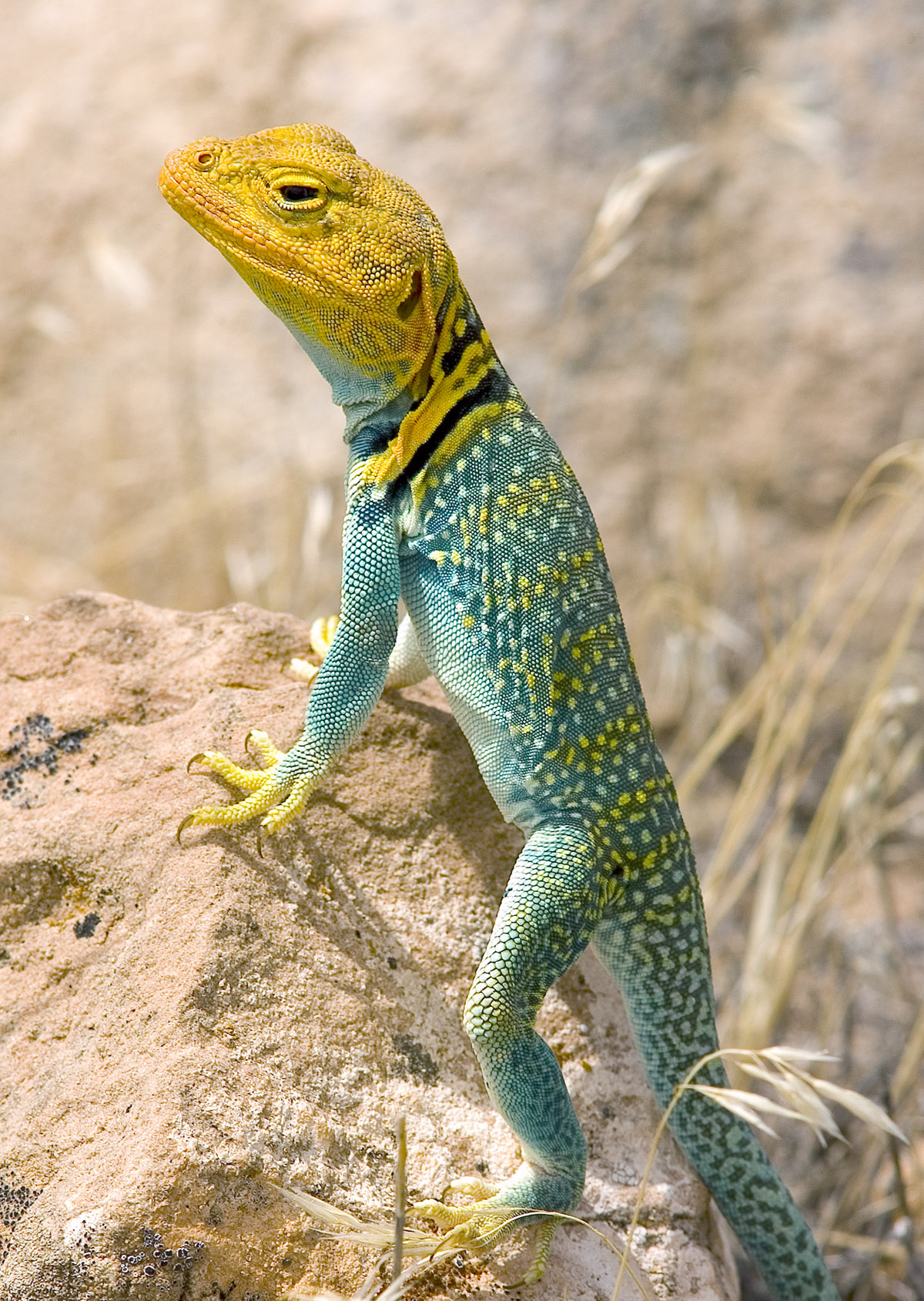
Imagine a creature so seemingly impossible, it defies the very laws of physics. A reptile that can literally walk on water. Sounds like something out of a fantasy novel, right? But believe it or not, this isn't fiction. There's a lizard out there that can perform this incredible feat, leaving many to wonder: is it even real?
We often encounter extraordinary claims with a healthy dose of skepticism. The natural world is full of surprises, but some things just sound too good to be true. The idea of an animal defying gravity and effortlessly gliding across water seems like something reserved for superhero movies, not real-life biology. This can lead to confusion and a desire for clear, understandable information.
This article aims to answer that very question: Is the lizard that can run on water real? We'll dive into the fascinating world of the basilisk lizard, exploring its unique adaptations and the science behind its seemingly impossible ability. We'll separate fact from fiction, providing a clear explanation of how this remarkable reptile achieves its watery sprints.
The basilisk lizard, often called the "Jesus Christ lizard," is indeed real. Its ability to run on water is thanks to a combination of factors, including specialized fringed toes, rapid leg movements, and the creation of air pockets. This article explores the science behind this amazing feat, delves into its habitat and behavior, and addresses common misconceptions. Keywords: basilisk lizard, Jesus Christ lizard, water running, animal adaptation, reptile biology, surface tension.
The Science Behind the "Jesus Christ Lizard"
When I first saw a video of a basilisk lizard running across water, I was absolutely floored. It looked like something out of a cartoon! My initial reaction was disbelief, quickly followed by intense curiosity. How could an animal possibly do that? It spurred me to do some research, and I was amazed to learn about the complex interplay of physics and biology that allows this behavior. It truly highlights the incredible adaptations that can arise through evolution.
The basilisk lizard's ability to run on water isn't magic; it's science. The key lies in their large, fringed toes that splay out upon contact with the water's surface. These fringes increase the surface area of their feet, allowing them to distribute their weight more effectively. They also slap the water with great force, creating an air pocket. This air pocket provides temporary support, allowing them to take another step before sinking. Combine this with incredibly rapid leg movements, and you have a recipe for watery locomotion. While they can't sustain this indefinitely – eventually, fatigue sets in, and they'll sink – it's enough to escape predators or reach safety on the other side of a stream or pond. This adaptation is crucial for their survival in their natural habitat, which often includes rainforests with numerous waterways.
What is a Basilisk Lizard?
The basilisk lizard, belonging to the genus Basiliscus, is a group of lizards native to Central and South America. They are known for their striking appearance, including prominent crests on their heads and backs, and of course, their amazing ability to run on water. There are four species of basilisk lizards, each with its own unique characteristics, but they all share the signature water-running capability, albeit with varying degrees of proficiency.
These lizards are typically found near bodies of water, such as rivers, streams, and ponds, where they can easily escape predators by utilizing their water-running skills. They are omnivorous, feeding on insects, small vertebrates, and fruits. Their size varies depending on the species, but they can range from a few inches to over two feet in length. The basilisk lizard's unique adaptation is a prime example of natural selection at work. Over generations, lizards with slightly larger feet and faster leg movements would have been more successful at escaping predators in aquatic environments, leading to the evolution of this extraordinary ability. This ability provides them with a significant survival advantage in their challenging rainforest environment.
History and Myth of the Water-Running Lizard
The basilisk lizard's ability to run on water has captured the human imagination for centuries. Its nickname, "Jesus Christ lizard," stems from the biblical account of Jesus walking on water. This association has imbued the lizard with a sense of the miraculous and the extraordinary. Historically, the lizard's behavior has been interpreted in various ways, from a symbol of divine power to a marvel of the natural world.
The name "basilisk" itself has historical roots, originating from Greek mythology. In mythology, the basilisk was a legendary reptile with the power to kill with a single glance. While the real basilisk lizard is far from being a deadly monster, the name reflects the awe and respect it commands. Early explorers and naturalists were captivated by this creature, documenting its unique behavior and contributing to its widespread recognition. Today, the basilisk lizard continues to fascinate scientists and nature enthusiasts alike, serving as a reminder of the amazing diversity and ingenuity of life on Earth. Its image is often used in popular culture, further cementing its place in our collective consciousness.
Hidden Secrets of the Basilisk Lizard's Water-Running Ability
While the basic principles of the basilisk lizard's water-running ability are well understood, there are still some hidden secrets and nuances to be discovered. For instance, the exact angle at which they slap the water, the precise coordination of their limbs, and the role of their tail in maintaining balance are all areas of ongoing research.
Researchers are also exploring the potential applications of the basilisk lizard's biomechanics in engineering. The principles behind their water-running ability could inspire the development of new types of robots or vehicles that can traverse aquatic environments with greater efficiency. Furthermore, studying the microscopic structure of their fringed toes could lead to the creation of more effective non-slip surfaces. The basilisk lizard, therefore, not only offers insights into the natural world but also has the potential to inspire technological innovation. Its hidden secrets may hold the key to future advancements in various fields, making it a subject of continued scientific interest.
Recommendations for Further Learning About Basilisk Lizards
If you're fascinated by the basilisk lizard and want to learn more, there are numerous resources available. Documentaries, scientific articles, and educational websites offer a wealth of information about their biology, behavior, and conservation status. Visiting a zoo or aquarium that houses basilisk lizards can provide a firsthand opportunity to observe these amazing creatures in action.
For those interested in the scientific aspects, searching for research papers on basilisk lizard locomotion and biomechanics will provide a deeper understanding of the underlying principles. Additionally, exploring the broader field of animal adaptation can offer valuable context and insights into the evolutionary processes that shaped the basilisk lizard's unique abilities. Engaging with scientific communities and participating in citizen science projects can also be a rewarding way to contribute to our understanding of these remarkable reptiles. The more we learn about the basilisk lizard, the better equipped we are to appreciate and protect this amazing species and its fragile rainforest habitat.
Basilisk Lizard Conservation
While not currently considered endangered, the basilisk lizard faces threats from habitat loss and the pet trade. Protecting their rainforest habitat is crucial for ensuring their long-term survival. Sustainable forestry practices and conservation efforts aimed at preserving biodiversity are essential. Additionally, responsible pet ownership is vital. Purchasing basilisk lizards from reputable breeders who prioritize animal welfare and avoiding the illegal wildlife trade can help to reduce the pressure on wild populations.
Furthermore, educating local communities about the importance of basilisk lizards and their role in the ecosystem can foster a greater appreciation for these creatures and encourage their protection. Supporting organizations that work to conserve rainforests and promote sustainable livelihoods for local communities is another way to contribute to the conservation of basilisk lizards and other rainforest species. By taking these steps, we can help ensure that future generations have the opportunity to marvel at the amazing ability of the basilisk lizard to run on water.
Tips for Observing Basilisk Lizards in the Wild
If you ever have the opportunity to visit Central or South America, consider taking a guided tour of a rainforest ecosystem. Local guides often have extensive knowledge of the local flora and fauna, including the best spots to observe basilisk lizards. Be sure to bring binoculars and a camera to capture their amazing water-running abilities. Remember to observe them from a respectful distance and avoid disturbing their natural habitat.
When observing basilisk lizards in the wild, patience is key. These lizards are often shy and elusive, so it may take some time to spot them. Look for them near bodies of water, especially in areas with dense vegetation. Be mindful of your surroundings and avoid making loud noises or sudden movements that could startle them. If you are fortunate enough to witness a basilisk lizard running on water, consider yourself lucky! It's a truly remarkable sight that you won't soon forget. Remember to share your observations and photos with others to help raise awareness about these amazing creatures and the importance of protecting their habitat.
Ethical Considerations for Basilisk Lizard Photography
When photographing basilisk lizards, it's essential to prioritize their well-being. Avoid using flash photography, as it can disorient and stress the animals. Maintain a respectful distance and avoid approaching them too closely. Never attempt to handle or capture them, as this can cause them harm. If you are using a drone for aerial photography, be sure to maintain a safe distance and avoid flying too close to the lizards. Remember that the primary goal is to document their behavior in a way that does not negatively impact their lives or their environment.
By following these ethical guidelines, you can ensure that your photography contributes to a greater understanding and appreciation of basilisk lizards without causing them any harm. Share your photos responsibly, and use them as an opportunity to educate others about the importance of protecting these amazing creatures and their fragile rainforest habitat. Remember that responsible wildlife photography is about capturing stunning images while also respecting the animals and their environment.
Fun Facts About the Basilisk Lizard
Beyond their water-running ability, basilisk lizards possess other fascinating traits. They are excellent climbers and swimmers, able to navigate through the rainforest canopy with ease. Their long tails provide balance and act as a rudder in the water. They also have the ability to change color slightly, allowing them to blend in with their surroundings.
Another fun fact is that juvenile basilisk lizards are even better at running on water than adults. Their lighter weight makes it easier for them to maintain their buoyancy and speed. Basilisk lizards also have a unique defense mechanism: they can detach their tails when threatened by a predator. The detached tail continues to wiggle, distracting the predator and allowing the lizard to escape. These fun facts highlight the diverse adaptations and survival strategies that have made the basilisk lizard such a successful species in its rainforest environment. Their ability to adapt to a variety of environments and their unique defense mechanisms contribute to their overall resilience.
How to Help Protect Basilisk Lizards and Their Habitat
There are several ways you can contribute to the protection of basilisk lizards and their rainforest habitat. Supporting organizations that work to conserve rainforests is a great way to make a difference. You can also reduce your consumption of products that contribute to deforestation, such as unsustainable palm oil and beef. Educating yourself and others about the importance of rainforest conservation is another crucial step. Finally, consider making a donation to a conservation organization or volunteering your time to support their efforts.
By taking these actions, you can help ensure that future generations have the opportunity to witness the amazing sight of a basilisk lizard running on water. Every effort, no matter how small, can contribute to the conservation of these amazing creatures and their fragile ecosystem. Remember that protecting biodiversity is essential for maintaining the health of our planet and ensuring a sustainable future for all. We all have a role to play in protecting the basilisk lizards and their rainforest home.
What If the Basilisk Lizard Lost Its Water-Running Ability?
If the basilisk lizard were to lose its water-running ability, it would likely face significant challenges in its rainforest environment. It would become more vulnerable to predators and less able to escape danger. It would also have difficulty accessing food and resources in aquatic habitats. Over time, this could lead to a decline in their population and potentially even extinction.
The loss of their water-running ability would also have ripple effects on the entire ecosystem. The basilisk lizard plays a role in controlling insect populations and serves as a food source for larger predators. The disruption of their role in the food web could have cascading consequences for other species. This scenario underscores the importance of preserving the basilisk lizard's unique adaptation and protecting the rainforest environment that sustains it. It serves as a reminder of the interconnectedness of life and the potential consequences of losing even a single species.
Listicle: 5 Reasons Why the Basilisk Lizard is Amazing
1. They can run on water! This is their most famous and impressive ability, allowing them to escape predators and navigate aquatic environments.
2. They are excellent climbers and swimmers, able to traverse the rainforest canopy with ease.
3. They have the ability to change color slightly, allowing them to blend in with their surroundings.
4. They can detach their tails when threatened by a predator, distracting the predator and allowing them to escape.
5. They are an important part of the rainforest ecosystem, playing a role in controlling insect populations and serving as a food source for larger predators.
These five reasons highlight the incredible adaptations and survival strategies that have made the basilisk lizard such a successful species. They are a testament to the power of evolution and the amazing diversity of life on Earth. The basilisk lizard's unique combination of skills and traits makes it a truly remarkable creature, worthy of our admiration and protection. From their water-running prowess to their color-changing camouflage, these lizards are a marvel of the natural world.
Question and Answer About This Lizard Can Run on Water – Is It Even Real?
Q: Is it true that the basilisk lizard can actually run on water?
A: Yes, it is! This remarkable ability is due to a combination of factors, including specialized fringed toes, rapid leg movements, and the creation of air pockets.
Q: How does the basilisk lizard manage to stay afloat while running on water?
A: The basilisk lizard's fringed toes increase the surface area of their feet, allowing them to distribute their weight more effectively. They also slap the water with great force, creating an air pocket that provides temporary support.
Q: Where do basilisk lizards live?
A: Basilisk lizards are native to Central and South America, where they are typically found near bodies of water in rainforest ecosystems.
Q: Are basilisk lizards dangerous to humans?
A: No, basilisk lizards are not dangerous to humans. They are relatively small and shy creatures that pose no threat.
Conclusion of This Lizard Can Run on Water – Is It Even Real?
The basilisk lizard's ability to run on water is a testament to the incredible power of adaptation and the wonders of the natural world. It's a real phenomenon, explained by science, and a reminder of the amazing diversity of life on our planet. By understanding and appreciating these unique creatures, we can better protect them and their fragile ecosystems for generations to come.
0 Response to "This Lizard Can Run on Water – Is It Even Real?"
Post a Comment