The Strange Sleep Habits of Giraffes
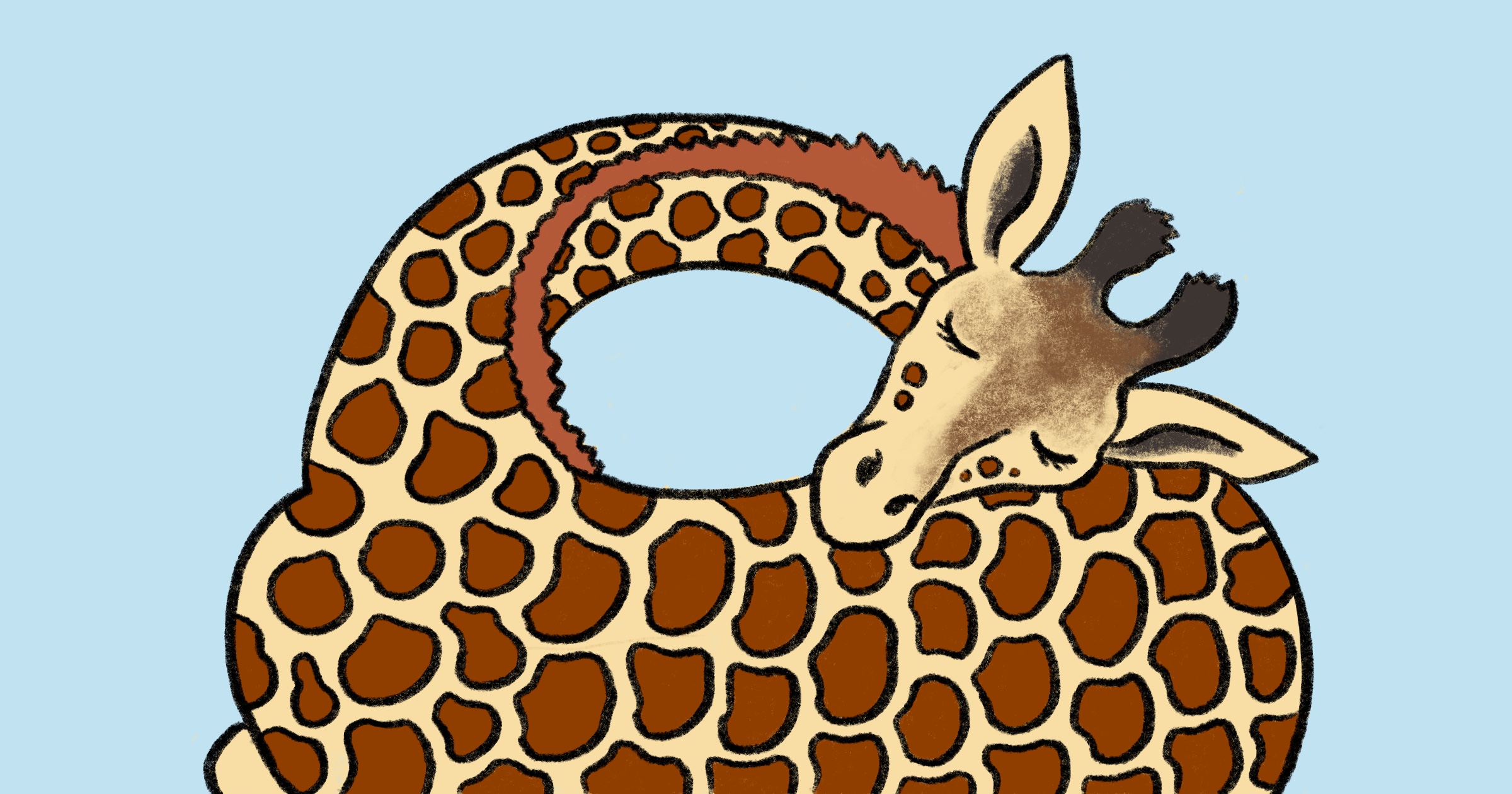
Imagine drifting off to sleep standing up, only to be jolted awake minutes later. Now, picture doing that multiple times a day, and that's a glimpse into the peculiar sleep routine of a giraffe. But why do these gentle giants have such odd sleeping habits? Let's delve into the fascinating world of giraffe slumber!
It's easy to assume all animals sleep soundly for hours, tucked away in a cozy den. However, the reality is often quite different, especially for creatures who face constant threats from predators or have unique physical challenges. For giraffes, finding a comfortable and safe way to rest presents a real challenge, impacting their overall well-being.
This article aims to shed light on the unusual sleep patterns of giraffes. We'll explore the reasons behind their short sleep durations, their preferred sleeping positions, and the evolutionary factors that have shaped their unique approach to rest. Prepare to be amazed by the secrets of giraffe sleep!
Giraffes, those towering icons of the African savanna, are famous for their height, but their sleep habits are equally intriguing. They typically sleep for very short periods, often just a few minutes at a time, accumulating a total of only 30 minutes to 4 hours of sleep per day. They can sleep standing or lying down, and these behaviors are influenced by predator avoidance and energy conservation. Keywords: giraffes, sleep habits, sleep duration, standing sleep, lying down sleep, predator avoidance, energy conservation.
A Quick Nap or a Full Night's Rest?
I remember visiting the zoo as a child and being utterly captivated by the giraffes. They seemed so regal and almost otherworldly, standing tall and graceful. I never once thought about how they might sleep. It was only later, while researching wildlife, that I stumbled upon the bizarre reality of their sleep schedules. The thought of only getting a few minutes of rest at a time sounds exhausting!
Giraffes have evolved to prioritize survival over deep, restful sleep. Their vulnerability to predators, such as lions and hyenas, necessitates constant vigilance. Sleeping for extended periods would leave them defenseless. This is why they typically opt for short naps throughout the day and night, allowing them to remain alert and ready to flee if danger arises. The ability to sleep standing up, though perhaps uncomfortable, is a crucial adaptation for quick escapes. When they do lie down, it's often with their necks curved back to keep an eye on their surroundings. Even in a seemingly relaxed position, giraffes are never truly off guard. Their sleep habits are a testament to the constant balancing act between rest and survival in the harsh African environment.
Why So Little Sleep? The Evolutionary Advantage
Why do giraffes sleep so little? The answer lies in their evolutionary history and the challenges they face in their environment. As mentioned earlier, predator avoidance is a primary factor. However, there's more to the story than just avoiding lions. Their immense size also plays a role. Getting up and down from a lying position requires a significant amount of energy, making short, frequent naps more efficient than long periods of sleep.
Imagine being a giraffe: you're tall, exposed, and a prime target for predators. Lying down makes you even more vulnerable and requires considerable effort to stand back up. Every movement expends precious energy, so minimizing unnecessary activity is crucial. Over time, natural selection has favored giraffes with shorter sleep cycles and the ability to sleep standing up. This allows them to conserve energy while maintaining a high level of alertness. The ability to quickly transition from rest to action is a life-saving adaptation that has enabled them to thrive in a challenging environment. Their sleep habits are a direct result of the constant pressure to survive, making them a fascinating example of evolutionary adaptation.
Myths and Legends Surrounding Giraffe Sleep
Interestingly, giraffe sleep habits are not often discussed in folklore or myths. Their imposing presence and gentle nature tend to inspire awe and respect, but their sleep patterns haven't captured the imagination in the same way as, say, the hibernation of bears or the nocturnal habits of owls. This could be because giraffe sleep is so subtle and infrequent that it's easily overlooked.
However, in some African cultures, giraffes are seen as symbols of foresight and grace. Their ability to see long distances is associated with wisdom and understanding. While there aren't specific myths about their sleep, it's plausible that their short naps are interpreted as a sign of constant alertness and awareness. This perception reinforces their image as watchful protectors of the savanna. The lack of specific sleep-related myths might also stem from the difficulty of observing giraffes in their natural habitat. Their elusive behavior and vast territory make it challenging to study their habits in detail. As a result, their sleep remains somewhat mysterious, adding to their overall mystique. Despite the lack of explicit legends, the quiet grace and constant vigilance of giraffes continue to inspire reverence and fascination.
Unveiling the Hidden Secrets of Giraffe Sleep
One of the lesser-known aspects of giraffe sleep is the potential for them to enter REM (Rapid Eye Movement) sleep, the stage associated with dreaming. While it's difficult to study this in the wild, observations of captive giraffes suggest that they do experience REM sleep, although it's extremely brief and infrequent. This raises intriguing questions about the content of their dreams and the cognitive processes that occur during their short periods of deep sleep.
Another hidden secret is the possibility of individual variation in sleep patterns. Just like humans, some giraffes might require more sleep than others. Factors such as age, health, and social status could influence their sleep needs. However, more research is needed to fully understand these individual differences. Furthermore, the impact of environmental factors, such as temperature and food availability, on giraffe sleep is still largely unknown. Do they sleep more during periods of abundance or less during times of scarcity? These are questions that scientists are still trying to answer. Unraveling the mysteries of giraffe sleep requires a combination of field observations, captive studies, and advanced technologies. As we continue to learn more about these magnificent creatures, we'll gain a deeper appreciation for the complexities of their lives and the remarkable adaptations that allow them to thrive in their environment.
Recommendations for Observing Giraffe Sleep in the Wild
If you ever have the opportunity to observe giraffes in their natural habitat, be patient and observant. Look for subtle signs of drowsiness, such as drooping eyelids or a slight swaying motion. Keep a respectful distance and avoid making loud noises that could startle them. Remember, their sleep is essential for their survival, and it's important to minimize any disturbance.
Consider using binoculars or a spotting scope to get a closer look without getting too close. Pay attention to the behavior of other animals in the area, as they can provide clues about the presence of predators. If you see a giraffe lying down, observe its neck position and breathing pattern. Is it relaxed and still, or is it constantly scanning its surroundings? These observations can provide valuable insights into their sleep habits. Remember to document your observations with notes and photographs, as this information can contribute to our understanding of these fascinating creatures. By following these recommendations, you can have a rewarding and educational experience while respecting the natural behavior of giraffes.
Giraffe Sleep in Captivity: A Different Story?
The sleep habits of giraffes in zoos and wildlife sanctuaries can differ significantly from those in the wild. With reduced threats from predators, captive giraffes often exhibit longer sleep durations and may even sleep lying down more frequently. However, the artificial environment can also present challenges, such as limited space and social stress, which can impact their sleep quality.
Studies have shown that captive giraffes tend to sleep more during the day than at night, possibly due to the absence of nocturnal predators. They also tend to sleep in shorter bouts, similar to their wild counterparts, but the overall amount of sleep is generally higher. The type of enclosure and the social dynamics within the giraffe herd can also influence their sleep patterns. Giraffes in larger, more naturalistic enclosures tend to exhibit more diverse sleep behaviors. While captivity provides a safe environment for giraffes, it's important to create conditions that promote natural behaviors, including healthy sleep patterns. Zoos and wildlife sanctuaries can achieve this by providing ample space, enrichment activities, and stable social groups. By understanding the unique sleep needs of captive giraffes, we can improve their welfare and ensure they thrive in their artificial environment.
Tips for Promoting Healthy Sleep in Captive Giraffes
Creating a comfortable and stimulating environment is crucial for promoting healthy sleep in captive giraffes. Provide ample space for them to move around and engage in natural behaviors, such as browsing and socializing. Offer a variety of enrichment activities to keep them mentally stimulated and prevent boredom. This could include puzzle feeders, scratching posts, and opportunities to interact with their environment in novel ways.
Establish a consistent daily routine to help regulate their sleep-wake cycle. This includes feeding times, cleaning schedules, and opportunities for social interaction. Minimize disturbances during their designated sleep periods, such as loud noises or bright lights. Consider providing soft bedding material in their sleeping areas to encourage them to lie down and rest comfortably. Monitor their sleep patterns regularly and consult with a veterinarian or animal behaviorist if you notice any unusual behavior. By implementing these tips, you can create a supportive environment that promotes healthy sleep and overall well-being for captive giraffes. Remember, a well-rested giraffe is a happier and healthier giraffe.
The Role of Social Dynamics in Giraffe Sleep
Social dynamics play a significant role in the sleep patterns of giraffes, particularly within a herd. Dominant individuals may have priority access to the safest sleeping spots, while younger or less assertive giraffes may be relegated to more exposed areas. The presence of other giraffes can provide a sense of security, allowing individuals to relax and sleep more soundly. However, social stress and competition for resources can also disrupt sleep patterns.
Studies have shown that giraffes tend to sleep in close proximity to each other, possibly to provide mutual protection and social support. The presence of a sentinel giraffe, who remains awake and vigilant, can allow other members of the herd to sleep more deeply. Social bonding and cooperative behavior are crucial for maintaining a stable and harmonious social structure, which in turn promotes healthy sleep patterns. Understanding the complex interplay between social dynamics and sleep is essential for managing giraffe populations in both wild and captive settings. By creating environments that foster social cohesion and minimize stress, we can improve the overall well-being of these magnificent creatures.
Fun Facts About Giraffe Sleep You Probably Didn't Know
Did you know that baby giraffes sleep more than adults? They can sleep for up to two hours at a time, often curled up on the ground for safety. Another fascinating fact is that giraffes can sleep with one eye open, allowing them to remain vigilant for predators even while resting. They also have the shortest sleep requirement of any mammal, needing only a few minutes of sleep at a time to function optimally.
Furthermore, giraffes have specialized neck muscles that allow them to sleep standing up without straining their necks. These muscles act as a natural support system, preventing their heads from drooping. The fact that they can sleep standing up is an incredible adaptation that allows them to conserve energy while remaining alert. These fun facts highlight the unique and fascinating aspects of giraffe sleep, reminding us of the remarkable adaptations that allow them to thrive in their environment.
How to Study Giraffe Sleep in the Wild (Without Disturbing Them)
Studying giraffe sleep in the wild requires patience, careful observation, and a commitment to minimizing disturbance. Utilize remote sensing technologies, such as camera traps and acoustic recorders, to gather data without directly interacting with the animals. These tools can capture valuable information about their sleep patterns, social interactions, and environmental conditions.
Employ non-invasive methods, such as fecal hormone analysis, to assess their stress levels and overall health. Avoid approaching giraffes too closely or making loud noises that could startle them. Respect their natural behavior and prioritize their well-being above all else. Collaborate with local communities and conservation organizations to gain access to study sites and build trust with the people who live alongside giraffes. By adopting ethical and sustainable research practices, we can gain a deeper understanding of giraffe sleep without compromising their welfare or their natural environment.
What If Giraffes Couldn't Sleep? The Consequences
If giraffes were unable to sleep, the consequences would be devastating. Chronic sleep deprivation would lead to a decline in their cognitive function, impairing their ability to forage, avoid predators, and navigate their environment. Their immune systems would weaken, making them more susceptible to diseases. They would become increasingly irritable and aggressive, disrupting their social structure and leading to increased conflict within the herd.
Ultimately, the inability to sleep would significantly reduce their lifespan and threaten their survival. Sleep is essential for all animals, and giraffes are no exception. It allows them to repair and restore their bodies, consolidate memories, and maintain their overall health and well-being. Understanding the importance of sleep for giraffes is crucial for their conservation and management. By protecting their habitat and minimizing disturbances, we can ensure that they continue to thrive for generations to come.
10 Fascinating Facts About Giraffe Sleep (Listicle)
1. Giraffes are the mammals with the shortest sleep duration, typically less than 4 hours daily.
2. They often sleep standing up as a means of quick escape from predators.
3. Giraffes can sleep lying down, but this is less frequent and requires more energy to get up.
4. Baby giraffes sleep more than adults, sometimes up to 2 hours at a stretch.
5. Giraffes have strong neck muscles that allow them to sleep standing without their heads drooping.
6. They might sleep with one eye open to stay vigilant for predators.
7. Social dynamics within the herd can affect individual sleep patterns.
8. Captive giraffes might sleep more due to reduced predator threats.
9. REM sleep in giraffes is brief and infrequent, but likely occurs.
10. Research continues to uncover more about the mysteries of giraffe sleep habits.
Question and Answer about The Strange Sleep Habits of Giraffes
Q: How long do giraffes sleep each day?
A: Giraffes typically sleep for a total of 30 minutes to 4 hours per day.
Q: Why do giraffes sleep standing up?
A: Sleeping standing up allows them to quickly escape from predators.
Q: Do giraffes dream?
A: While difficult to study, giraffes likely experience brief periods of REM sleep, suggesting they may dream.
Q: How do social dynamics affect giraffe sleep?
A: Social hierarchy and the presence of other giraffes can influence sleep patterns, with dominant individuals often having access to safer sleeping spots.
Conclusion of The Strange Sleep Habits of Giraffes
The sleep habits of giraffes are a testament to their remarkable adaptation to a challenging environment. From their short sleep durations to their ability to sleep standing up, every aspect of their sleep is shaped by the need to avoid predators and conserve energy. As we continue to learn more about these magnificent creatures, we gain a deeper appreciation for the complexities of their lives and the ingenious strategies they employ to survive.
0 Response to "The Strange Sleep Habits of Giraffes"
Post a Comment