How Animals Use Magnetic Fields
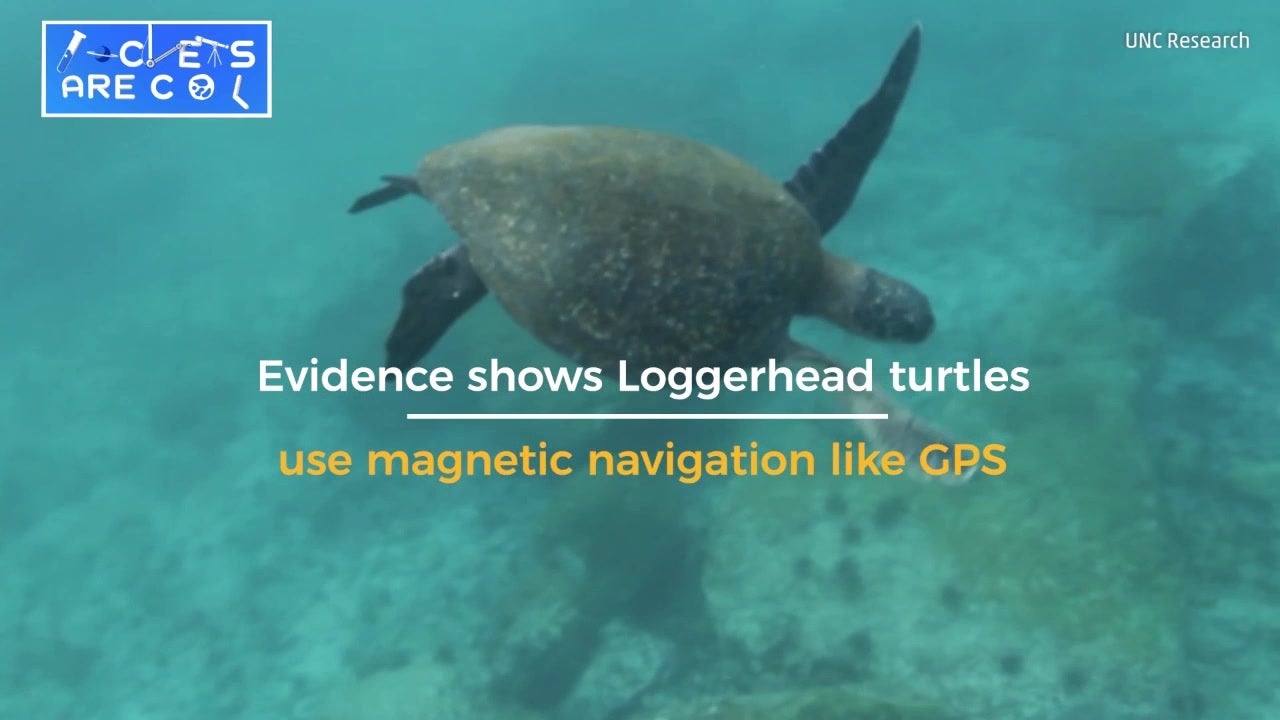
Imagine navigating the world without a GPS, map, or even landmarks. Sounds impossible, right? Yet, countless creatures on our planet do just that, relying on an invisible force field to guide their journeys. It's a superpower hidden in plain sight: the ability to sense and utilize Earth's magnetic field.
Ever wonder how birds migrate thousands of miles each year, returning to the same nesting grounds? Or how sea turtles navigate the vast oceans, finding their way back to the very beaches where they were born? These incredible feats seem almost magical, prompting us to question the secrets behind their navigational prowess.
Many animals use the Earth's magnetic field as a navigational tool. This ability, known as magnetoreception, allows them to perceive the direction and intensity of magnetic fields, providing them with a sense of direction, location, and even altitude. From birds and sea turtles to insects and even some mammals, magnetoreception plays a crucial role in migration, homing, and spatial orientation.
This article explores the fascinating world of animal magnetoreception. We'll delve into the science behind this incredible ability, examining how different animals sense magnetic fields and the various ways they use this information to navigate their environment. We'll also explore some of the mysteries that still surround this phenomenon, including the precise mechanisms involved and the full extent of its influence on animal behavior. Keywords that will be discussed throughout this article are magnetoreception, animal navigation, magnetic fields, migration, homing, spatial orientation, cryptochrome, magnetite, and geomagnetic field.
The Science Behind Magnetoreception
I remember the first time I learned about magnetoreception. I was watching a nature documentary about sea turtles, and I was absolutely amazed by their ability to navigate across vast stretches of ocean. It sparked a curiosity in me that led me down a rabbit hole of research, and I've been fascinated by the topic ever since. It's truly mind-boggling to think that these animals have a built-in compass that guides them through the world.
The science behind magnetoreception is complex and still not fully understood, but researchers have identified two main mechanisms that are likely involved: cryptochrome-based magnetoreception and magnetite-based magnetoreception.
Cryptochromes are light-sensitive proteins found in the eyes of many animals, including birds and insects. When exposed to light, cryptochromes undergo a chemical reaction that is sensitive to magnetic fields. This reaction is thought to create a signal that the animal can use to determine the direction of the magnetic field.
Magnetite is a magnetic mineral that has been found in the brains and other tissues of various animals, including birds, fish, and sea turtles. These magnetite crystals are thought to act as tiny compass needles, aligning themselves with the Earth's magnetic field and providing the animal with a sense of direction.
It's likely that both cryptochrome-based and magnetite-based magnetoreception play a role in animal navigation, and that different animals may rely on different mechanisms to varying degrees.
How Different Animals Use Magnetic Fields
Different animals use magnetic fields in a variety of ways, depending on their needs and their environment. Migratory birds, for example, use magnetic fields to determine their heading and to stay on course during long flights. Sea turtles use magnetic fields to navigate back to their natal beaches to lay their eggs. Salmon use magnetic fields to find their way back to the streams where they were born to spawn. Even honeybees use magnetic fields to build their honeycombs and to communicate with each other.
The Earth's magnetic field provides a consistent and reliable source of information that animals can use to navigate and orient themselves. This is especially important for animals that live in environments where other cues, such as landmarks or sunlight, may be unreliable or unavailable.
Magnetoreception is a remarkable adaptation that allows animals to thrive in a wide range of environments. By understanding how animals use magnetic fields, we can gain a greater appreciation for the complexity and ingenuity of the natural world.
The History and Myth of Magnetoreception
While the scientific study of magnetoreception is relatively recent, the idea that animals might be sensitive to magnetic fields has been around for centuries. Ancient mariners, for example, observed that pigeons could navigate back to their home ports even when they were released far out at sea, leading some to speculate that they were using some sort of magnetic sense.
In some cultures, animals that are believed to have a strong sense of direction, such as birds and fish, are often associated with spiritual or mystical powers. These beliefs may stem from a deep-seated understanding of the animal's ability to navigate using cues that are imperceptible to humans.
The first scientific evidence of magnetoreception was discovered in the 1960s, when researchers found that birds could be disoriented by magnetic fields. Since then, there has been a growing body of research that has confirmed the existence of magnetoreception in a wide range of animals.
As our understanding of magnetoreception grows, we are beginning to unravel some of the mysteries of animal navigation and to appreciate the remarkable adaptations that allow animals to thrive in their environments.
The Hidden Secrets of Magnetoreception
Despite the significant progress that has been made in understanding magnetoreception, there are still many mysteries that remain. For example, we don't yet know exactly how cryptochromes and magnetite crystals interact to produce a magnetic sense. We also don't know how the brain processes the information that is received from these magnetic sensors.
One of the biggest challenges in studying magnetoreception is that it is a very subtle sense. Animals are not consciously aware of the magnetic fields that they are sensing, and it can be difficult to design experiments that can isolate the effects of magnetic fields from other cues.
Another challenge is that magnetoreception may be influenced by a variety of factors, such as light, temperature, and the animal's internal state. This makes it difficult to compare results from different studies and to draw firm conclusions about the mechanisms involved.
Despite these challenges, researchers are continuing to make progress in understanding the hidden secrets of magnetoreception. By using a combination of experimental techniques, theoretical models, and advanced imaging technologies, they are slowly but surely unraveling the mysteries of this remarkable sense.
Recommendations for Further Research
There are many exciting avenues for future research in the field of magnetoreception. One area of focus is to further investigate the molecular mechanisms that underlie cryptochrome-based and magnetite-based magnetoreception. This could involve identifying the specific genes that are involved in the production of these magnetic sensors and studying how these sensors interact with the nervous system.
Another area of focus is to explore the role of magnetoreception in different animal behaviors. This could involve studying how animals use magnetic fields to navigate in different environments, to find food, and to avoid predators.
It would also be valuable to investigate the effects of human activities on animal magnetoreception. This could involve studying how electromagnetic pollution, such as radio waves and power lines, affects the ability of animals to sense magnetic fields.
By pursuing these research directions, we can gain a deeper understanding of magnetoreception and its role in the natural world. This knowledge can be used to protect animal populations and to mitigate the impacts of human activities on the environment.
Future Research and Conservation Efforts
Magnetoreception is a vital sense for many animals, playing a key role in their survival and ability to thrive in their respective environments. As we continue to explore the complexities of this fascinating ability, future research should focus on understanding the potential impacts of human activities on animal magnetoreception.
Electromagnetic pollution, caused by radio waves, power lines, and other technological advancements, could disrupt the magnetic fields that animals rely on for navigation and orientation. By studying the effects of these disruptions, we can develop strategies to mitigate their impacts and protect animal populations.
Conservation efforts should also focus on preserving natural habitats that provide animals with the necessary conditions for magnetoreception. This includes protecting areas from development and pollution, as well as maintaining natural magnetic field patterns. By ensuring that animals have access to the resources they need, we can help them to maintain their magnetic sense and to continue to thrive in their environments.
In addition to protecting animal populations, research on magnetoreception can also have practical applications for humans. For example, a better understanding of how animals sense magnetic fields could lead to the development of new navigation technologies. It could also help us to understand and treat certain neurological disorders that affect human spatial orientation.
By continuing to invest in research on magnetoreception, we can unlock the secrets of this remarkable sense and use this knowledge to benefit both animals and humans alike.
Practical Applications of Magnetoreception Knowledge
Understanding how animals use magnetic fields can have several practical applications. One area is in developing new navigation technologies. By mimicking the way animals sense and process magnetic information, we could create more accurate and reliable navigation systems for vehicles, robots, and even humans.
Another potential application is in the field of medicine. Some neurological disorders can affect a person's sense of spatial orientation. By studying how animals use magnetic fields to navigate, we may be able to develop new treatments for these disorders.
Magnetoreception research can also be used to improve conservation efforts. By understanding how animals use magnetic fields to find their way back to their breeding grounds, we can develop better strategies for protecting these areas. We can also use this knowledge to help animals that have been displaced by natural disasters or human activities.
The study of magnetoreception is a fascinating and complex field with the potential to benefit both animals and humans. By continuing to explore this area of research, we can unlock the secrets of animal navigation and use this knowledge to create a better world.
Protecting Animals from Magnetic Field Disruption
As we've discussed, magnetoreception is a delicate sense that can be disrupted by various factors, including electromagnetic pollution and changes in the Earth's magnetic field. Protecting animals from these disruptions is crucial for their survival and well-being.
One way to protect animals is to reduce electromagnetic pollution. This can be achieved by implementing stricter regulations on radio waves and power lines, as well as by developing new technologies that emit less electromagnetic radiation.
It's also important to monitor changes in the Earth's magnetic field. Scientists can use satellite data and ground-based measurements to track these changes and to identify areas where the magnetic field is becoming weaker or more unstable.
By understanding the factors that can disrupt magnetoreception, we can develop strategies to mitigate their impacts and protect animal populations. This includes implementing responsible land use practices, reducing pollution, and promoting sustainable development.
Fun Facts About Animal Magnetoreception
Did you know that some migratory birds can sense the Earth's magnetic field with such precision that they can use it to determine their latitude and longitude? It's like having a built-in GPS system!
Sea turtles have an even more remarkable ability. They can use magnetic fields to navigate back to the very beaches where they were born, even after spending years traveling thousands of miles across the ocean.
Even some insects, such as honeybees, can sense magnetic fields. They use this ability to build their honeycombs and to communicate with each other.
Magnetoreception is a truly amazing adaptation that allows animals to thrive in a wide range of environments. By understanding how animals use magnetic fields, we can gain a greater appreciation for the complexity and ingenuity of the natural world.
How to Learn More About Magnetoreception
If you're fascinated by the topic of magnetoreception and want to learn more, there are many resources available. You can start by searching for articles and books on the topic. There are also many websites and organizations that are dedicated to studying magnetoreception.
You can also attend lectures and conferences on magnetoreception. These events provide an opportunity to learn from experts in the field and to network with other enthusiasts.
Another way to learn more about magnetoreception is to get involved in research. Many universities and research institutions offer opportunities for students and volunteers to participate in magnetoreception research projects.
By taking advantage of these resources, you can deepen your understanding of magnetoreception and contribute to the growing body of knowledge about this fascinating sense.
What If Magnetoreception Disappeared?
Imagine a world where migratory birds suddenly lost their ability to navigate using magnetic fields. They would become disoriented and unable to find their way back to their breeding grounds. This could lead to a dramatic decline in bird populations.
Sea turtles would face a similar fate. Without their magnetic sense, they would be unable to navigate back to their natal beaches to lay their eggs. This could threaten the survival of these ancient reptiles.
Even insects would be affected. Honeybees, for example, would be unable to build their honeycombs properly, which could impact their ability to produce honey.
The loss of magnetoreception would have a profound impact on the natural world. It would disrupt ecosystems, threaten animal populations, and alter the delicate balance of nature. This highlights the importance of protecting animals from factors that can disrupt their magnetic sense.
Listicle: Top 5 Animals That Use Magnetoreception
1. Migratory Birds: These avian travelers rely on the Earth's magnetic field to navigate their long journeys, ensuring they reach their breeding and wintering grounds with remarkable accuracy.
- Sea Turtles: From hatchlings to adults, sea turtles use magnetoreception to find their way back to their natal beaches, completing a life cycle rooted in magnetic guidance.
- Salmon: These fish navigate upstream to their spawning grounds using magnetic cues, demonstrating the importance of magnetoreception in their reproductive success.
- Honeybees: These social insects use magnetic fields to build their honeycombs and communicate with each other, highlighting the role of magnetoreception in their complex social structure.
- Some Mammals: While less studied, some mammals, like bats and rodents, are believed to use magnetoreception for spatial orientation and navigation, showcasing the diverse applications of this sense across the animal kingdom.
Question and Answer About How Animals Use Magnetic Fields
Q: What is magnetoreception?
A: Magnetoreception is the ability of an organism to detect and respond to magnetic fields. It's like having a built-in compass that helps animals navigate and orient themselves.
Q: How do animals sense magnetic fields?
A: There are two main mechanisms that are thought to be involved: cryptochrome-based magnetoreception and magnetite-based magnetoreception. Cryptochromes are light-sensitive proteins that react to magnetic fields, while magnetite is a magnetic mineral that acts like a tiny compass needle.
Q: What animals use magnetoreception?
A: Many animals use magnetoreception, including migratory birds, sea turtles, salmon, honeybees, and some mammals.
Q: Why is magnetoreception important?
A: Magnetoreception is important for animal navigation, homing, and spatial orientation. It allows animals to find their way back to their breeding grounds, to find food, and to avoid predators.
Conclusion of How Animals Use Magnetic Fields
The ability of animals to sense and utilize Earth's magnetic field is a testament to the intricate adaptations that have evolved over millions of years. Magnetoreception is a remarkable sense that plays a vital role in the lives of countless creatures, enabling them to navigate vast distances, find their way home, and thrive in their environments. As we continue to unravel the mysteries of magnetoreception, we gain a deeper appreciation for the complexity and ingenuity of the natural world.
0 Response to "How Animals Use Magnetic Fields"
Post a Comment