Deep in the Caves: Animals That Live Without Light
Imagine a world cloaked in perpetual darkness, a realm where the sun's rays never penetrate. It sounds like something out of a science fiction novel, doesn't it? But this world exists right here on Earth, hidden deep within caves. And within these lightless labyrinths, life thrives in the most unexpected and fascinating ways.
Exploring the natural world, you might wonder about the creatures that call these dark, subterranean environments home. How do they survive without sunlight, the very foundation of most ecosystems? What unique adaptations have they developed to navigate and thrive in this challenging world? It's a mystery that begs to be unraveled.
This blog post aims to shed light (pun intended!) on the incredible animals that have adapted to life in caves. We'll delve into their unique adaptations, explore the challenges they face, and discover the beauty and fragility of these hidden ecosystems. We will uncover the secrets of the animals living in the deep, dark caves.
We'll journey into the depths to meet eyeless fish, albino amphibians, and a whole host of other creatures that have evolved to thrive in the absence of light. We will explore their evolutionary adaptions, their ecological roles, and the secrets of their survival. You'll gain a newfound appreciation for the resilience of life and the incredible diversity of our planet, even in its most obscure corners. Get ready to explore a hidden world, a world of perpetual night, and the extraordinary creatures that call it home.
Life Without Light: Adaptation and Evolution
My fascination with cave life started during a family vacation to Kentucky as a child. Mammoth Cave National Park was on the itinerary, and while I was initially more excited about the above-ground attractions, the cave tour completely captivated me. The sheer scale of the cave system was awe-inspiring, but what really grabbed my attention was the ranger's description of the animals that lived there. Eyeless fish, pale salamanders, and bizarre insects – it sounded like something out of a fantasy novel. It sparked a curiosity that's stayed with me ever since.
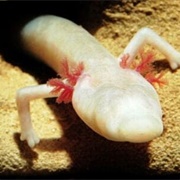
These animals have overcome one of the most fundamental challenges for living organisms: the absence of light. They've adapted through a process called troglomorphism, which involves a suite of physical and behavioral changes. Many cave animals, like the aforementioned fish and salamanders, have lost their eyes altogether. Vision becomes useless in the dark, and energy is better spent on developing other senses. Their sense of touch, smell, and hearing become incredibly acute. They often have elongated limbs and antennae to help them navigate and find food in the dark. Their bodies may lack pigmentation, resulting in a pale or translucent appearance. This is because producing pigment is energy-intensive and offers no advantage in a lightless environment.
The lack of sunlight also has a profound impact on the food chain within caves. Since photosynthesis is impossible, the primary source of energy comes from outside the cave. This can include organic matter washed in by streams, bat guano, or the remains of animals that venture too far into the darkness. Cave animals have adapted to exploit these limited resources, often becoming highly specialized feeders. They have adapted in such a way that they live perfectly in these caves and some of them cannot survive outside. Understanding these adaptations is key to appreciating the unique and fragile nature of cave ecosystems.
What Defines a Cave Animal?
So, what exactly qualifies an animal as a "cave animal"? It's not as simple as just being found in a cave. There's a whole spectrum, ranging from animals that occasionally visit caves to those that are entirely dependent on them for survival. At the most basic level, you have "trogloxenes," which are animals that use caves for shelter or roosting but forage outside. Bats are a prime example. They roost in caves during the day but fly out at night to hunt insects.
Then there are "troglophiles," which can complete their life cycle both inside and outside of caves. They tolerate the cave environment but aren't entirely reliant on it. Many species of spiders, crickets, and beetles fall into this category. They might find refuge in caves from harsh weather or predators, but they can also thrive in other dark and humid environments.
Finally, you have "troglobites," the true cave specialists. These are animals that have evolved specifically to live in caves and cannot survive outside of them. They exhibit the troglomorphic adaptations we discussed earlier, such as loss of eyes and pigment, and elongated appendages. Troglobites are the most vulnerable to habitat disturbance because they are completely dependent on the stable and fragile environment of the cave. These are the animals that truly define a cave environment and their adaptations represent millions of years of evolution.
History and Myths Surrounding Cave Creatures
For centuries, caves have held a place of mystery and intrigue in human cultures. They've been seen as gateways to the underworld, shelters for mythical beasts, and places of spiritual significance. It's no surprise that cave animals have often been shrouded in folklore and superstition.
In many cultures, caves are associated with the afterlife or the realm of spirits. The darkness and unfamiliar sounds of caves can create a sense of unease and wonder, leading to tales of supernatural beings and strange creatures lurking within. Some cave animals, like bats, have been particularly demonized due to their nocturnal habits and association with darkness. Other cave animals, like cave salamanders or olms, may have been mistaken for larval dragons or other mythical creatures, especially in areas where these animals are relatively unknown to the general public.
However, as scientific understanding has grown, the myths surrounding cave animals have gradually been replaced with knowledge and appreciation. Early explorers and naturalists were fascinated by the unique adaptations of cave creatures, leading to a growing body of scientific research. The study of cave animals has not only shed light on the processes of evolution and adaptation but has also helped us to understand the importance of protecting these fragile ecosystems. Even with scientific advancements, the allure of the unknown within caves persists, continuing to inspire both researchers and the public alike. The combination of scientific inquiry and the lingering mystique of caves keeps these unique ecosystems captivating.
Unveiling the Hidden Secrets of Caves
Caves are more than just holes in the ground; they are complex and dynamic ecosystems with their own unique set of rules. The absence of light is the most obvious factor, but there are other key elements that shape the lives of cave animals. The humidity levels are typically very high, often close to 100%, which is essential for the survival of many cave-dwelling organisms. The temperature is usually constant and close to the average annual temperature of the region.
Nutrient availability is another critical factor. As mentioned earlier, the primary source of energy for cave ecosystems comes from outside the cave. This can be in the form of organic matter washed in by streams, bat guano, or the remains of animals that venture too far inside. The flow of energy through a cave ecosystem is complex and often limited, making cave animals highly dependent on the stability of their environment. Disturbances to the flow of water, the availability of guano, or the overall climate can have cascading effects on the entire cave ecosystem.
One of the most fascinating secrets of caves is the presence of chemosynthetic bacteria. These bacteria obtain energy from chemical compounds rather than sunlight, forming the base of the food chain in some cave systems. They can oxidize minerals like sulfur or iron, releasing energy that other organisms can then utilize. Chemosynthetic bacteria are particularly important in caves that lack any input of organic matter from the surface, making them truly independent ecosystems. These hidden secrets reveal that caves are not just barren voids but complex and interconnected habitats with a remarkable ability to support life in the face of extreme conditions.
Recommendations for Cave Exploration
If you're intrigued by cave animals and want to experience their world firsthand, there are several ways to explore caves responsibly. First and foremost, always go with a guided tour or experienced spelunker. Caves can be dangerous places, with uneven terrain, slippery surfaces, and the potential for getting lost. A knowledgeable guide can ensure your safety and provide valuable insights into the cave's geology, history, and ecology.
When visiting a cave, it's crucial to minimize your impact on the environment. Stick to designated trails, avoid touching cave formations, and never disturb or handle any animals you encounter. The oils on your skin can damage delicate cave formations, and any disruption to the cave ecosystem can have negative consequences for the animals that live there. Leave no trace of your visit – pack out everything you pack in, and avoid using flash photography, which can disorient cave animals.
For those who want to learn more about cave animals, there are many resources available. Museums, nature centers, and universities often have exhibits and programs dedicated to cave biology. You can also find a wealth of information online, including websites, articles, and documentaries about cave ecosystems. By educating yourself and practicing responsible cave exploration, you can help protect these fragile environments and ensure that future generations can appreciate the wonders of cave life. Consider joining a local caving club or conservation organization to contribute to the preservation of these unique habitats.
The Importance of Cave Conservation
Cave conservation is essential because cave ecosystems are incredibly fragile and vulnerable to human activities. The animals that live in caves are often highly specialized and have limited ranges, making them particularly susceptible to extinction. Pollution, habitat destruction, and climate change all pose significant threats to cave environments.
Pollution can enter caves through surface runoff, groundwater contamination, or direct dumping of waste. This can contaminate water sources, disrupt nutrient cycles, and harm cave animals. Habitat destruction can occur through mining, quarrying, or construction activities that damage or destroy cave formations. Climate change can alter temperature and humidity patterns, impacting the survival of cave animals that are adapted to specific environmental conditions. The introduction of invasive species can also disrupt cave ecosystems, outcompeting native species for resources or preying on them.
Protecting caves requires a multi-faceted approach, including stricter regulations on pollution and development near caves, conservation efforts to restore damaged habitats, and education programs to raise awareness about the importance of cave conservation. Responsible cave exploration is also crucial, as discussed earlier. By taking these steps, we can help ensure that these unique and valuable ecosystems are preserved for future generations. Caves also hold valuable historical and archaeological significance, often containing evidence of past human activity, making their preservation even more critical.
Tips for Spotting Cave Wildlife
Spotting cave wildlife can be a rewarding experience, but it requires patience, careful observation, and a little bit of luck. Remember to move slowly and quietly, minimizing any disturbance to the cave environment. Use a flashlight or headlamp with a red filter to reduce the impact on sensitive animals. The red light is less disruptive to their natural behaviors.
Look for signs of animal activity, such as tracks, droppings, or webs. Pay attention to the walls, ceilings, and floors of the cave, as well as any pools or streams of water. Many cave animals are small and well-camouflaged, so you'll need to look closely to spot them. Listen for any unusual sounds, such as the chirping of crickets, the rustling of leaves, or the dripping of water. These sounds can often lead you to hidden creatures.
When you do spot an animal, observe it from a distance and avoid approaching or touching it. Take photos if you can, but turn off the flash to avoid startling the animal. Remember that cave animals are often fragile and easily disturbed, so it's important to respect their space and minimize your impact on their habitat. It's also crucial to be aware of any potential dangers, such as venomous spiders or scorpions, and to take appropriate precautions.
Understanding Troglobites: The True Cave Dwellers
Troglobites are the animals that are most uniquely adapted to life in caves. They have evolved over many generations to thrive in the dark, humid, and nutrient-poor environment of caves. Their adaptations often include loss of eyes and pigment, elongated appendages, and a slower metabolism. They represent the pinnacle of cave adaptation and are found only in caves.
The loss of eyes is a common adaptation among troglobites, as vision is of little use in the dark. Instead, they rely on other senses, such as touch, smell, and hearing, to navigate and find food. Their sense of touch is often enhanced by elongated antennae or sensory hairs that can detect subtle vibrations in the air or water. Their sense of smell is also highly developed, allowing them to locate food sources from a distance.
The elongated appendages of troglobites help them to navigate the complex and uneven terrain of caves. They may have longer legs, antennae, or cerci (tail-like appendages) that allow them to feel their way around in the dark. Their slower metabolism is an adaptation to the limited availability of food in caves. By reducing their energy requirements, they can survive for longer periods without eating. Troglobites are truly remarkable creatures that have adapted to one of the most challenging environments on Earth. Their survival depends on the preservation of their cave habitats, which are increasingly threatened by human activities.
Fun Facts About Cave Animals
The world of cave animals is full of surprises and fascinating adaptations. Did you know that some cave fish can live for over 100 years? Their slow metabolism and stable environment contribute to their long lifespans. There are also cave-dwelling spiders that can survive for months without food, thanks to their ability to store energy in their bodies.
One of the most intriguing cave animals is the olm, a blind salamander found in caves of Central and Southeastern Europe. Olms can survive for up to 10 years without food and can live for over 100 years. They also have the ability to regenerate lost limbs, making them a subject of intense scientific interest.
Another fascinating fact is that some cave animals have developed unique ways to attract mates in the dark. Some cave beetles, for example, use bioluminescence (the production of light) to signal to potential partners. Others rely on pheromones (chemical signals) to communicate in the absence of light. These fun facts highlight the incredible diversity and adaptability of cave animals, demonstrating the power of evolution to shape life in even the most extreme environments. The study of cave animals continues to reveal new and exciting discoveries, further enriching our understanding of the natural world.
How to Support Cave Conservation Efforts
Supporting cave conservation efforts is essential for protecting these fragile ecosystems and the unique animals that live in them. There are many ways to get involved, from making donations to volunteering your time. One of the most effective ways to support cave conservation is to donate to organizations that are dedicated to protecting caves and their inhabitants. These organizations often conduct research, manage cave preserves, and educate the public about the importance of cave conservation.
Volunteering your time is another great way to support cave conservation efforts. Many organizations rely on volunteers to help with tasks such as cave cleanups, trail maintenance, and monitoring of cave animals. You can also participate in citizen science projects, which involve collecting data on cave ecosystems and sharing it with researchers.
Educating yourself and others about the importance of cave conservation is also crucial. Share what you've learned with your friends, family, and community. Encourage them to visit caves responsibly and to support organizations that are working to protect these unique environments. By working together, we can ensure that caves and their inhabitants are preserved for future generations. Additionally, supporting sustainable tourism practices in cave regions can help protect these areas while also benefiting local communities.
What If Cave Ecosystems Disappeared?
The disappearance of cave ecosystems would have profound and far-reaching consequences. It would not only lead to the extinction of countless unique species but also disrupt the delicate balance of nature and impact human societies. Many cave animals play important roles in their ecosystems, such as controlling populations of insects or serving as food sources for other animals. Their loss would trigger a cascade of effects, potentially leading to further extinctions and ecosystem instability.
Caves also provide essential ecosystem services to humans. They serve as important sources of groundwater, which is used for drinking, irrigation, and industrial purposes. Caves also help to regulate water flow, preventing floods and droughts. The loss of cave ecosystems would threaten these vital resources, impacting human communities that rely on them.
Furthermore, caves hold significant cultural and historical value. They often contain evidence of past human activity, providing insights into the lives of our ancestors. The disappearance of caves would mean the loss of this valuable heritage. It is imperative that we take action to protect cave ecosystems and prevent their disappearance. By supporting cave conservation efforts, we can help ensure that these unique and valuable environments are preserved for future generations.
A List of Amazing Cave Creatures
Here's a quick list of some of the most amazing cave creatures:
1.Texas Blind Salamander: This eyeless amphibian relies on sensory organs to navigate its dark habitat.
2.Kentucky Cave Shrimp: A translucent crustacean that feeds on bacteria and organic matter.
3.Olm: A blind salamander with the ability to regenerate lost limbs.
4.Eyeless Cave Fish: Various species of fish that have lost their sight and developed heightened senses of touch and smell.
5.Kauai Cave Wolf Spider: A fearsome predator that hunts other cave invertebrates.
6.Bistrița Cave Snail: A tiny snail that is adapted to live in cold, dark waters.
7.Brazilian cavefish: The Brazilian cavefish is a blind fish species that lives in caves in Brazil. The fish has no eyes or pigment.
These are just a few examples of the incredible diversity of life that can be found in caves.
Question and Answer
Here are some frequently asked questions about cave animals: Q:How do cave animals find food in the dark?
A: Cave animals have adapted to find food in the dark using a variety of strategies, including enhanced senses of touch, smell, and hearing. Some also rely on chemosynthesis, a process where bacteria produce energy from chemical compounds rather than sunlight.
Q: Why do some cave animals lose their eyes?
A: In the absence of light, vision becomes useless, and energy is better spent on developing other senses. Over time, natural selection favors individuals with reduced or absent eyes, as they can allocate more resources to other adaptations.
Q: What are the biggest threats to cave animals?
A: The biggest threats to cave animals include pollution, habitat destruction, climate change, and the introduction of invasive species. Human activities can disrupt the delicate balance of cave ecosystems, leading to the decline or extinction of cave animals.
Q: How can I help protect cave animals?
A: You can help protect cave animals by supporting cave conservation efforts, practicing responsible cave exploration, and educating others about the importance of cave conservation. You can also reduce your impact on the environment by reducing pollution, conserving water, and supporting sustainable practices.
Conclusion of Deep in the Caves: Animals That Live Without Light
The world of cave animals is a testament to the power of adaptation and the resilience of life. These creatures have overcome the challenges of darkness, limited food, and isolation to thrive in some of the most extreme environments on Earth. By understanding their unique adaptations, the threats they face, and the importance of cave conservation, we can help ensure that these hidden ecosystems are preserved for future generations. Let's continue to explore, learn, and protect the incredible world of cave animals, ensuring that their stories continue to unfold for years to come. These ecosystems, though hidden, are vital threads in the tapestry of life on Earth, and their conservation is our shared responsibility.
0 Response to "Deep in the Caves: Animals That Live Without Light"
Post a Comment