What to Do If You Encounter a Wild Animal
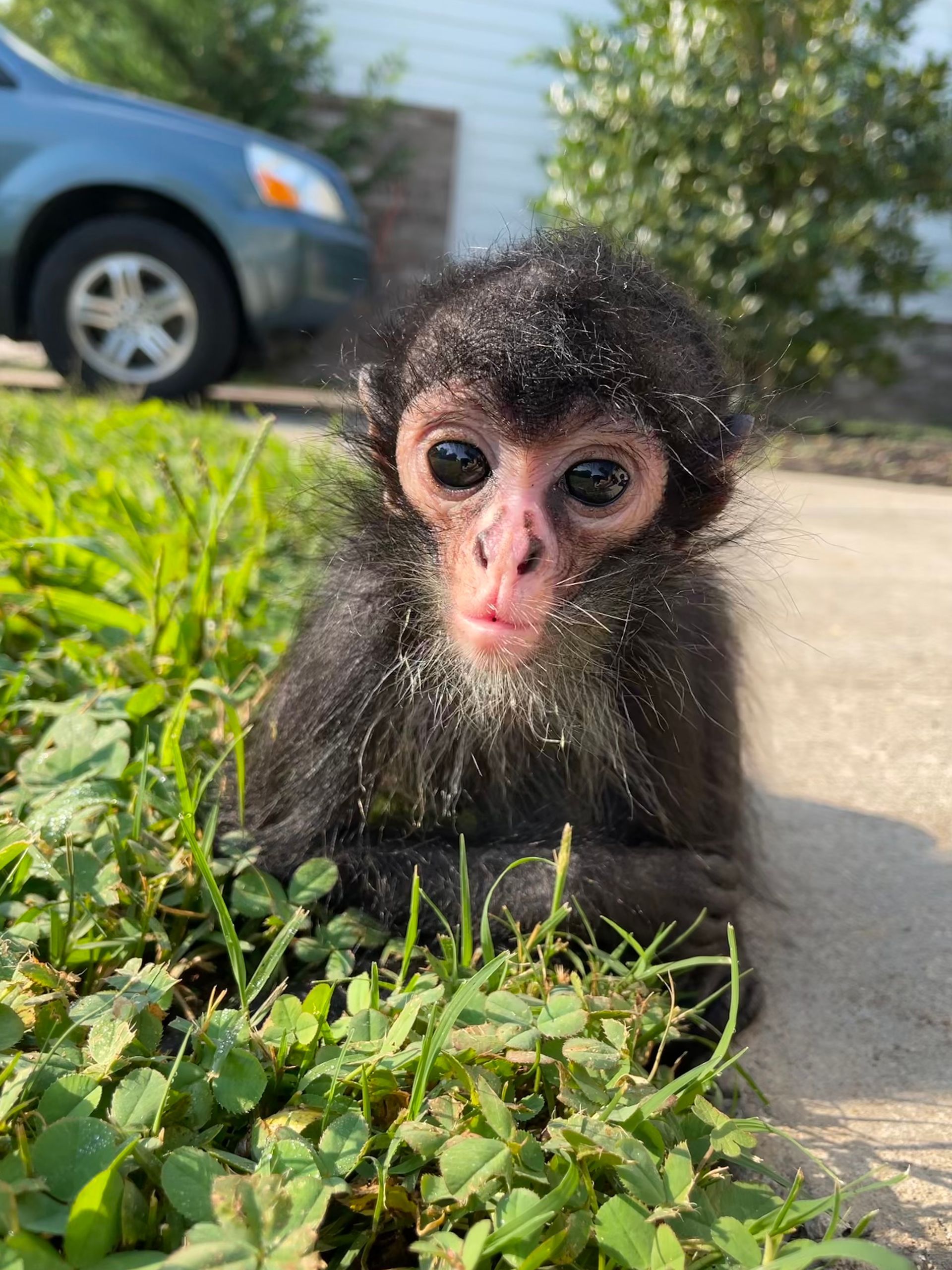
Imagine this: you're enjoying a peaceful hike in the woods, the sun dappling through the trees, birds chirping overhead. Suddenly, a rustling in the bushes – and there it is, a wild animal! What do you do? Do you freeze? Run? Knowing how to react in that crucial moment can make all the difference between a memorable nature encounter and a potentially dangerous situation.
Many of us enjoy venturing into natural habitats, whether it's for hiking, camping, or simply a quiet walk in a park. But the thought of encountering a wild animal can be unnerving. Concerns about safety, potential attacks, and the unknown can cast a shadow over our outdoor adventures. We want to appreciate wildlife from a safe distance, but uncertainty about the correct course of action when faced with an unexpected encounter can lead to anxiety and fear.
This guide provides practical advice on what to do if you encounter a wild animal. We'll cover general safety guidelines, specific tips for different types of animals, and how to minimize your risk of an encounter in the first place. By being informed and prepared, you can enjoy the beauty of nature with confidence and respect for its inhabitants.
Remember to stay calm, assess the situation, and give the animal space. Avoid direct eye contact with predators, and never approach or feed wild animals. Make noise to alert them to your presence, and back away slowly if possible. Knowing how to react is key to a safe encounter. Topics covered include animal encounters, wildlife safety, outdoor safety, hiking safety, and camping safety.
Understanding Animal Behavior
Understanding animal behavior is absolutely crucial to staying safe in the wilderness. I remember once, hiking in Yellowstone, I rounded a bend and came face-to-face with a bison. My heart leaped into my throat! Luckily, I remembered what I'd read about bison: they're often more interested in their grazing than in people, but they can be aggressive if they feel threatened. I slowly and calmly backed away, keeping an eye on it, and gave it a wide berth. It continued to graze, seemingly unconcerned. This experience reinforced the importance of knowing the common behaviors of the animals in the areas I hike.
Wild animals, whether they are mammals, birds, or reptiles, have unique behaviors that are influenced by their environment, their social structures, and their individual personalities. Recognizing signs of aggression, fear, or territoriality is crucial for making informed decisions in an encounter. For instance, a bear standing on its hind legs isn't necessarily preparing to attack; it might just be trying to get a better view or scent of its surroundings. Similarly, a mountain lion that stares intently at you is assessing you as a potential threat or prey. Knowing the difference between these behaviors allows you to react appropriately, such as making yourself look larger and making noise to deter a bear, or slowly backing away while maintaining eye contact with a mountain lion.
Beyond individual animal behavior, understanding broader ecological dynamics can also enhance your safety. Knowing when animals are most active (dawn and dusk for many mammals), where they tend to congregate (near water sources or food sources), and how they respond to changes in weather can help you anticipate potential encounters and adjust your route or behavior accordingly. By immersing yourself in the natural world and learning about the creatures that inhabit it, you become a more informed and responsible visitor, capable of navigating potentially challenging situations with confidence and respect for wildlife.
Identifying Potential Hazards
Identifying potential hazards involves recognizing which animals pose the greatest risks in a particular area and understanding the specific threats they present. This knowledge is crucial for taking proactive measures to minimize your risk of an encounter and preparing for a safe response should one occur.
The first step in identifying potential hazards is to research the local wildlife. Before venturing into a new area, familiarize yourself with the types of animals that inhabit the region, their typical behaviors, and their potential dangers. Resources such as park websites, wildlife guides, and local experts can provide valuable information. Understanding whether you're in bear country, mountain lion territory, or snake-infested terrain will help you tailor your approach accordingly. Beyond specific animal threats, it's also important to consider environmental factors that may increase the risk of encounters. Areas with dense vegetation, abundant water sources, or high concentrations of prey animals are more likely to attract predators. Similarly, seasonal changes such as mating season or hibernation periods can affect animal behavior and increase the likelihood of encounters. By carefully assessing the environment and understanding the local wildlife, you can proactively identify potential hazards and take steps to mitigate your risk.
Once you've identified potential hazards, it's essential to understand the specific threats they pose. Large predators such as bears and mountain lions can pose a direct threat to human safety through attacks, while venomous snakes can inflict painful and potentially life-threatening bites. Other animals, such as rodents and ticks, may carry diseases that can be transmitted to humans through bites or contact. Understanding the specific risks associated with each type of animal will help you prioritize your safety measures. For example, in bear country, carrying bear spray and practicing proper food storage techniques are essential for minimizing the risk of an attack. In snake-infested terrain, wearing sturdy boots and avoiding walking through tall grass can help prevent bites.
The History and Mythology of Wildlife Encounters
Humans have always had a complex relationship with wildlife, shaping the history and mythology of cultures around the world. From ancient cave paintings depicting hunts to folklore tales of animal spirits, wildlife has been both a source of sustenance and a symbol of power and mystery.
In many indigenous cultures, animals are revered as sacred beings with spiritual significance. They are often seen as guides, protectors, or messengers from the spirit world. Stories and rituals surrounding wildlife encounters serve to teach lessons about respect for nature, the importance of balance, and the interconnectedness of all living things. For example, in some Native American traditions, the bear is considered a powerful symbol of strength and healing, while the wolf represents loyalty and intuition. Encounters with these animals are interpreted as signs or omens, providing guidance and insight into one's life journey.
As human societies evolved, the relationship with wildlife often shifted from one of reverence to one of domination and control. With the rise of agriculture and urbanization, wild animals were increasingly seen as threats to crops, livestock, and human safety. Hunting became a way to protect communities from dangerous predators, and stories of heroic hunters slaying mythical beasts became ingrained in folklore and mythology. Over time, these narratives contributed to a perception of wildlife as something to be feared and conquered, rather than respected and protected.
In contemporary society, attitudes towards wildlife are becoming more nuanced and conservation-minded. While concerns about safety and property damage persist, there is a growing awareness of the ecological importance of wildlife and the need to coexist peacefully with other species. Conservation efforts, wildlife sanctuaries, and responsible tourism practices are all contributing to a shift in perspective towards a more balanced and sustainable relationship with wildlife.
Hidden Secrets to Staying Safe
Beyond the common knowledge of not approaching animals or feeding them, there are some lesser-known strategies that can significantly improve your safety during a wildlife encounter. These "hidden secrets" often involve understanding animal behavior and adapting your actions accordingly.
One such secret is the concept of "bubble space." Every animal has a personal bubble, a zone of comfort that, if invaded, can trigger a defensive or aggressive response. The size of this bubble varies depending on the species, individual animal, and the circumstances of the encounter. Generally, the closer you get to an animal, the more likely it is to feel threatened and react negatively. Therefore, maintaining a safe distance is crucial. But simply staying far away isn't always enough. You also need to be aware of the animal's body language. Is it showing signs of stress, such as raised fur, flattened ears, or a tense posture? If so, you're already too close and need to back away slowly.
Another hidden secret is the power of non-threatening communication. Animals are highly attuned to human emotions and intentions. If you approach an animal with fear or aggression, it will likely respond in kind. Instead, try to project a sense of calm and respect. Speak in a low, gentle voice, avoid direct eye contact (which can be perceived as a challenge), and move slowly and deliberately. These subtle cues can help to reassure the animal that you're not a threat and reduce the likelihood of a conflict.
Finally, remember that knowledge is your best defense. The more you know about the animals in your area, the better prepared you'll be to handle an encounter. Learn about their feeding habits, mating seasons, and preferred habitats. Understand their warning signs and defensive behaviors. And always carry the appropriate safety gear, such as bear spray in bear country or a first-aid kit for treating bites or scratches. By combining common sense with specialized knowledge and proactive strategies, you can significantly reduce your risk of a wildlife encounter and ensure a safe and enjoyable experience in the great outdoors.
Recommended Actions During Encounters
The recommended actions you take during a wildlife encounter should be tailored to the specific animal you encounter and the situation at hand. However, there are some general principles that apply across most scenarios.
The first and most important principle is to remain calm. Panic can cloud your judgment and lead to impulsive actions that could escalate the situation. Take a deep breath, assess the environment, and try to think clearly. The second principle is to create space between yourself and the animal. If the animal is approaching you, slowly back away while maintaining eye contact (except with predators, where you should avoid direct eye contact). If the animal is stationary, give it a wide berth and detour around it. The goal is to give the animal a clear escape route and reduce its sense of being trapped or threatened.
The third principle is to make yourself appear larger and more intimidating. This is particularly important when dealing with predators such as bears or mountain lions. Stand tall, raise your arms above your head, and spread your jacket or shirt to increase your apparent size. Make loud noises, such as shouting or clapping your hands, to further deter the animal. The fourth principle is to use available tools for defense. If you have bear spray, be prepared to use it. If you have a hiking stick or other object, use it to create a barrier between yourself and the animal. The fifth principle is to know when to fight back. In rare cases, an animal may attack despite your best efforts to deter it. If this happens, fight back aggressively, targeting the animal's eyes, nose, and other vulnerable areas. Use any available weapon to inflict as much damage as possible.
By following these principles and adapting your actions to the specific situation, you can increase your chances of a safe outcome during a wildlife encounter. Remember that prevention is always the best strategy, so take proactive measures to avoid encounters in the first place.
Specific Actions for Different Animals
While general safety guidelines are important, it's crucial to understand that different animals require different approaches during an encounter. A strategy that works for a bear may be ineffective or even dangerous with a snake or a moose. Understanding the specific behaviors and threats posed by each animal is essential for making informed decisions in a stressful situation.
When encountering a bear, the recommended actions depend on whether it's a black bear or a grizzly bear and on the bear's behavior. For black bears, making yourself look large and intimidating, making noise, and slowly backing away is usually effective. If a black bear attacks, fight back aggressively. For grizzly bears, the same principles apply, but bear spray is highly recommended. If a grizzly bear attacks, use the bear spray and continue to fight back. When encountering a mountain lion, the most important thing is to avoid running. Running can trigger the lion's predatory instincts and make you a more appealing target. Instead, stand tall, make eye contact, and slowly back away. If the lion attacks, fight back aggressively.
When encountering a snake, the best approach is to give it plenty of space and avoid disturbing it. If you see a snake in your path, carefully step around it. If you accidentally step on a snake, it may bite in self-defense. If you are bitten by a venomous snake, seek medical attention immediately. When encountering a moose, be aware that these animals can be unpredictable and aggressive, especially during mating season. Give them plenty of space and avoid approaching them. If a moose charges, try to get behind a tree or other large object for protection. By understanding the specific behaviors and threats posed by different animals, you can tailor your response to the situation and increase your chances of a safe outcome.
Essential Tips for Safe Encounters
Beyond knowing what to do during an encounter, there are several essential tips that can help you prevent encounters from happening in the first place. These tips focus on responsible behavior in wild areas and minimizing your impact on wildlife.
One of the most important tips is to make noise while hiking. Animals are less likely to be surprised by your presence if they can hear you coming. Talking, singing, or wearing a bell can alert animals to your presence and give them a chance to move away before you get too close. Another essential tip is to be aware of your surroundings. Pay attention to tracks, scat, and other signs of animal activity. Avoid areas with dense vegetation or limited visibility, where animals may be hiding. Be especially cautious at dawn and dusk, when many animals are most active.
Proper food storage is crucial for preventing encounters with bears and other animals that are attracted to human food. Store food in bear-resistant containers or hang it from a tree at least 10 feet off the ground and 4 feet from the trunk. Never leave food scraps or wrappers behind, as these can attract animals to your campsite or hiking trail. Respect wildlife by observing them from a safe distance and never approaching or feeding them. Feeding wild animals can alter their natural behaviors and make them dependent on humans for food. It can also increase their risk of disease and make them more likely to approach people in the future.
Understanding Animal Tracks
Understanding animal tracks is a valuable skill for anyone venturing into the wilderness. Tracks can provide clues about the types of animals that are present in an area, their movements, and their behaviors. By learning to identify different animal tracks, you can gain a better understanding of the local ecosystem and increase your awareness of potential wildlife encounters.
To begin learning about animal tracks, start by familiarizing yourself with the basic characteristics of different track types. Tracks are typically categorized by the animal's foot structure, such as paw prints, hoof prints, or claw marks. Paw prints are common for mammals like dogs, cats, and bears, while hoof prints are characteristic of ungulates like deer, elk, and moose. Claw marks can indicate the presence of predators or animals that dig for food. Once you've learned to identify the basic track types, you can start to focus on the specific features that differentiate one animal's tracks from another. Size, shape, and the presence of claws or webbing can all provide valuable clues.
In addition to individual track identification, it's also important to consider the overall pattern of tracks in an area. A single set of tracks can tell you which way an animal was moving, while multiple sets of tracks can reveal information about their social behavior and habitat preferences. For example, a series of deer tracks leading to a watering hole might indicate a regular drinking route, while a cluster of bear tracks near a berry patch could suggest a feeding area. By combining track identification skills with observations of the surrounding environment, you can gain a deeper understanding of animal ecology and improve your ability to anticipate potential encounters.
Fun Facts About Wildlife Encounters
Wildlife encounters can be fascinating and educational experiences, and there are many interesting facts to learn about the interactions between humans and animals in the wild.
Did you know that most wild animals are more afraid of humans than we are of them? Many animals will actively avoid contact with humans if given the chance. Encounters typically occur when animals are surprised, feel threatened, or are attracted to human food. Another fun fact is that the vast majority of wildlife encounters do not result in injury. While attacks can happen, they are relatively rare. Most encounters involve animals simply observing humans from a distance or moving away without incident.
It's also interesting to note that certain areas are more prone to wildlife encounters than others. National parks, wilderness areas, and areas with abundant wildlife populations tend to have higher rates of encounters. Understanding the local ecology and animal behavior can help you anticipate potential encounters and take appropriate precautions. Finally, wildlife encounters can have both positive and negative impacts on animals. Positive encounters, such as those involving wildlife rehabilitation or conservation efforts, can help to protect and preserve endangered species. However, negative encounters, such as those involving habitat destruction or human-caused injuries, can have devastating consequences for wildlife populations. By learning about wildlife encounters and promoting responsible behavior in wild areas, we can help to ensure a positive future for both humans and animals.
How to Minimize Your Risk of Encounters
Minimizing your risk of wildlife encounters involves a combination of proactive planning, responsible behavior, and environmental awareness. By taking these steps, you can reduce the likelihood of encountering animals in the wild and increase your safety during outdoor activities.
Before venturing into a wild area, research the local wildlife and understand the potential hazards. Learn about the types of animals that inhabit the region, their typical behaviors, and their potential dangers. Contact local park rangers or wildlife officials for information on recent animal sightings and safety recommendations. When planning your route, choose trails that are well-maintained and have good visibility. Avoid areas with dense vegetation, limited sightlines, or known animal habitats. Be especially cautious at dawn and dusk, when many animals are most active.
During your outing, make noise to alert animals to your presence. Talking, singing, or wearing a bell can help to prevent surprise encounters. Be aware of your surroundings and pay attention to tracks, scat, and other signs of animal activity. Avoid approaching or disturbing animals, and never attempt to feed them. Store food properly to prevent attracting animals to your campsite or hiking trail. Use bear-resistant containers or hang food from a tree at least 10 feet off the ground and 4 feet from the trunk. By following these guidelines, you can minimize your risk of wildlife encounters and enjoy a safe and rewarding experience in the great outdoors.
What If You Are Attacked?
Despite your best efforts to avoid or deter an encounter, there is always a chance that you could be attacked by a wild animal. Knowing how to respond in this situation could save your life.
The first thing to remember is to remain calm and assess the situation. Determine the type of animal that is attacking you and the severity of the attack. If the animal is a predator, such as a bear or mountain lion, your primary goal is to protect your head and neck. Lie face down on the ground, cover your head with your arms, and spread your legs to make it harder for the animal to turn you over. If the animal is a non-predator, such as a deer or moose, your goal is to create space and deter further aggression. Use any available object, such as a hiking stick or rock, to defend yourself. Shout loudly and make aggressive gestures to intimidate the animal.
If the attack is severe, seek medical attention immediately. Even if you don't think you're seriously injured, it's important to get checked by a doctor to rule out any internal injuries or infections. Report the attack to local wildlife officials so that they can take appropriate action to prevent future incidents. Remember that every attack is different, and there is no one-size-fits-all solution. The key is to remain calm, assess the situation, and act decisively to protect yourself.
Top 5 Things to Remember During a Wildlife Encounter
Here's a quick list of the five most important things to remember if you encounter a wild animal:
- Stay calm: Panic can cloud your judgment and lead to dangerous actions.
- Create space: Give the animal room to escape and reduce its sense of being threatened.
- Make yourself look large: This can deter predators and make you appear less vulnerable.
- Make noise: Alert the animal to your presence and avoid surprising it.
- Know your resources: Be aware of your surroundings and use any available tools for defense.
Keeping these five points in mind can help you respond effectively to a wildlife encounter and increase your chances of a safe outcome.
Question and Answer
Here are some frequently asked questions about wildlife encounters:
Q: What should I do if I see a baby animal alone?
A: The best thing to do is leave it alone. In most cases, the mother is nearby and will return to care for the baby. If you are concerned that the baby is injured or orphaned, contact a local wildlife rehabilitator for advice.
Q: Is it safe to hike with my dog in areas with wildlife?
A: Hiking with your dog can increase your risk of encountering wildlife, as dogs can disturb animals and provoke aggressive responses. Keep your dog on a leash and under control at all times. Be aware of the potential dangers and take extra precautions to protect yourself and your dog.
Q: What is bear spray, and how do I use it?
A: Bear spray is a powerful aerosol deterrent that can be used to stop a bear attack. It contains a concentrated form of capsaicin, the active ingredient in chili peppers. To use bear spray, remove the safety clip, aim at the bear's face, and press the nozzle to release a cloud of spray. Use it in short bursts, and be prepared to use the entire can if necessary. Practice using your bear spray before venturing into bear country.
Q: How can I tell if an animal is rabid?
A: Rabies is a serious viral disease that can affect mammals, including humans. Signs of rabies in animals can include unusual behavior, such as aggression, disorientation, or paralysis. If you suspect that an animal is rabid, avoid contact with it and report it to local animal control or health officials.
Conclusion of What to Do If You Encounter a Wild Animal
Understanding what to do if you encounter a wild animal is a crucial aspect of responsible outdoor recreation. By being informed, prepared, and respectful of wildlife, you can minimize your risk of encounters and ensure a safe and enjoyable experience in nature. Remember to research the local wildlife, make noise while hiking, store food properly, and know how to respond in different situations. With a little knowledge and common sense, you can coexist peacefully with wildlife and appreciate the beauty and wonder of the natural world.
0 Response to "What to Do If You Encounter a Wild Animal"
Post a Comment