The Shortest and Longest Animal Lifespans
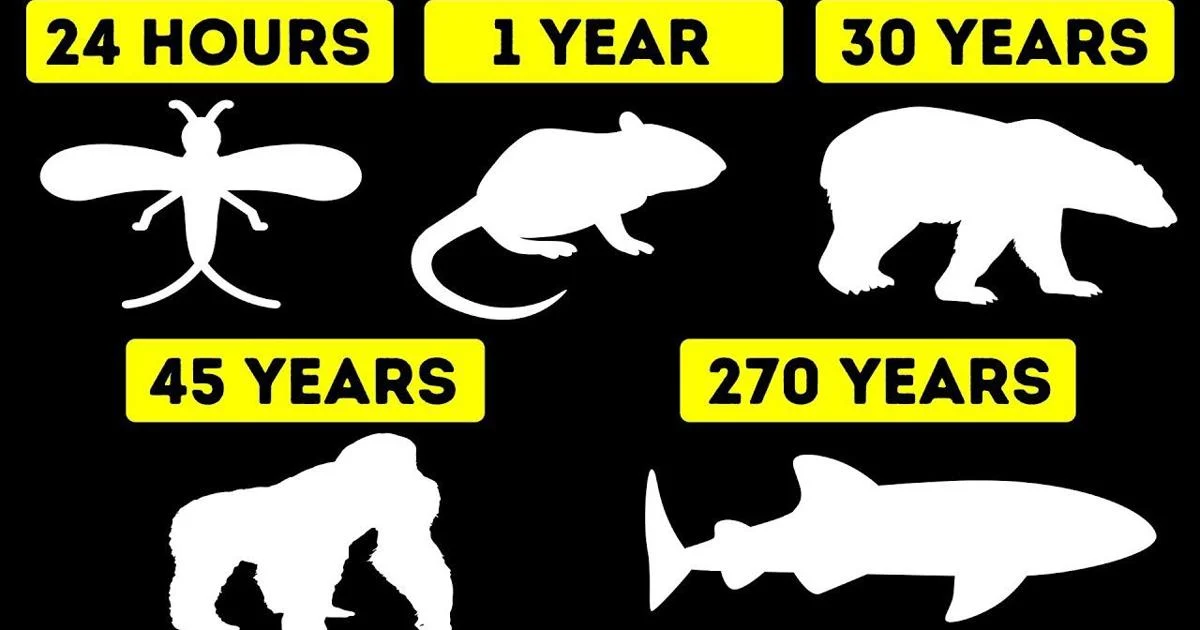
Ever wondered who the sprinters and marathoners are in the animal kingdom's lifespan race? Some creatures blink in and out of existence within days, while others patiently observe centuries unfold. It's a fascinating, and sometimes surprising, exploration of life's incredible diversity.
We often take for granted the varying lengths of lives around us. The fleeting existence of a mayfly compared to the multi-generational sagas of giant tortoises might not cross our minds in daily life. This gap in awareness can lead to a lack of appreciation for the delicate balance of ecosystems and the unique challenges each species faces.
Today, we're diving deep into the astonishing spectrum of animal lifespans. From the ephemeral mayfly to the ageless jellyfish and everything in between, we'll uncover the secrets behind these remarkable differences and explore the factors that influence how long a creature can call Earth home.
This journey through the animal kingdom reveals the remarkable diversity in lifespans, shaped by factors like size, metabolism, environment, and genetics. From the mayfly's brief day to the Greenland shark's centuries, understanding these differences provides a richer appreciation for the natural world and the constant cycle of life and death. We'll touch upon key concepts like telomeres, metabolic rates, and environmental pressures as we explore the world of animal longevity and brevity.
The Ephemeral Existence: Shortest Lifespans
I remember watching a nature documentary once that focused on mayflies. I was completely blown away by their lifecycle - spending almost their entire lives as nymphs underwater, sometimes for years, only to emerge as adults for a single day, sometimes just a few hours. Their sole purpose is to reproduce before they die. It really hit home how precious and fleeting life can be. This sparked my curiosity to find out about other animals with the shortest lifespans.
The shortest lifespans in the animal kingdom often belong to insects, with the mayfly being a prime example. Some species of mayfly live for only a few hours as adults. Their entire adult life is dedicated to reproduction. This extreme brevity is driven by the fact that they lack functional mouthparts as adults and cannot feed, relying solely on energy reserves built up during their larval stage. Other short-lived creatures include certain species of nematodes, which may only live for a few days, and some types of plankton. The key to understanding these short lifespans lies in their rapid reproduction rates. They compensate for their high mortality by producing vast numbers of offspring, ensuring the survival of their species. Environmental factors also play a crucial role. Many of these creatures are prey animals, and their short lifespans are also a product of their position in the food chain. The concept of r-selection, where species prioritize rapid reproduction over individual longevity, is also very applicable to these animals. The short life strategy is a gamble, but it is one that works for them.
Centuries of Wisdom: Longest Lifespans
On the other end of the spectrum, we find animals that seem to defy the aging process. The Greenland shark, for instance, can live for over 400 years! Giant tortoises are known to live for well over a century, and some species of jellyfish, like the Turritopsis dohrnii, are believed to be biologically immortal, reverting to their polyp stage when threatened or injured. But what exactly determines these remarkable lifespans?
The longest lifespans are often associated with slow metabolic rates, large body size, and specific environmental adaptations. The Greenland shark's slow growth and cold-water habitat contribute to its exceptional longevity. Giant tortoises have protective shells and a slow metabolic rate, allowing them to conserve energy and live for centuries. But perhaps the most intriguing case is the Turritopsis dohrniijellyfish. This species has the ability to revert back to its polyp stage, effectively avoiding death. This process, known as transdifferentiation, allows the jellyfish to potentially live indefinitely. This immortality isn't guaranteed, as they can still die from predation or disease. But the potential for indefinite life is a marvel of nature. Scientists are actively studying these long-lived species to understand the genetic and cellular mechanisms that contribute to their longevity, hoping to unlock the secrets of aging and potentially apply them to human health. The study of these creatures reveals how natural selection has produced a wide range of life histories in response to different environments and pressures.
Myths and Legends of Animal Longevity
Throughout history, certain animals have been associated with extreme longevity and even immortality, often blurring the lines between reality and myth. The phoenix, a mythical bird that cyclically regenerates or is otherwise born again, symbolizes renewal and immortality in many cultures. Legends surrounding certain trees, like the Methuselah tree, a bristlecone pine estimated to be over 4,800 years old, also reflect this fascination with longevity.
In ancient Egypt, the scarab beetle was revered for its perceived ability to self-create, representing rebirth and immortality. In many cultures, turtles and tortoises are seen as symbols of longevity and wisdom, reflecting their slow pace and long lifespans. These myths and legends highlight humanity's enduring fascination with extending life and overcoming death. The search for the fountain of youth is a testament to this desire. While true immortality remains elusive, the study of long-lived animals offers insights into the biological processes that govern aging and the potential for extending healthy lifespans. The line between fact and fiction blurs as we explore the extremes of animal lifespans and the cultural narratives that surround them. The ongoing research into these remarkable creatures could one day lead to breakthroughs that significantly impact human health and longevity.
Unveiling the Secrets of Aging
Scientists are constantly working to unravel the mysteries of aging, and studying animals with exceptionally long lifespans offers valuable clues. One key area of research is telomeres, protective caps on the ends of chromosomes that shorten with each cell division. Some long-lived animals have mechanisms to maintain or even lengthen their telomeres, potentially slowing down the aging process.
Another area of focus is metabolic rate. Animals with slower metabolic rates tend to live longer, suggesting that reducing cellular damage from metabolic processes can extend lifespan. The role of genetics is also crucial. Certain genes have been identified that are associated with longevity in various species. By studying these genes, scientists hope to understand how they influence the aging process and potentially develop interventions that can promote healthy aging in humans. Environmental factors also play a significant role. A healthy diet, regular exercise, and minimizing exposure to toxins can all contribute to a longer lifespan. The interplay between genetics, environment, and lifestyle is complex, but understanding these factors is key to unlocking the secrets of aging and extending the human healthspan. Ultimately, the goal is not just to live longer, but to live healthier and more fulfilling lives as we age.
Recommendations for a Longer, Healthier Life
While we may not be able to achieve the lifespans of Greenland sharks or immortal jellyfish, there are definitely steps we can take to promote a longer and healthier life. Adopting a healthy lifestyle, including a balanced diet rich in fruits and vegetables, regular exercise, and adequate sleep, is crucial.
Managing stress is also important, as chronic stress can accelerate the aging process. Practicing mindfulness, meditation, or other relaxation techniques can help reduce stress levels and improve overall well-being. Regular medical checkups are also essential for early detection and treatment of potential health problems. Avoiding smoking and excessive alcohol consumption is also crucial for preventing age-related diseases. Furthermore, engaging in mentally stimulating activities can help maintain cognitive function as we age. Staying socially connected and maintaining strong relationships can also contribute to a longer and happier life. The key is to adopt a holistic approach that addresses both physical and mental well-being. While genetics play a role in determining lifespan, lifestyle choices have a significant impact on how long and how well we live. The pursuit of longevity should not be solely focused on extending lifespan but rather on maximizing healthspan, ensuring that we can enjoy a high quality of life throughout our later years.
Factors Influencing Lifespan
Numerous factors influence how long an animal lives. Body size often correlates with lifespan, with larger animals generally living longer than smaller ones. Metabolic rate also plays a significant role, with slower metabolisms associated with longer lifespans. Environmental conditions, such as temperature and resource availability, can also affect lifespan. Animals living in harsh environments may have shorter lifespans due to increased stress and limited resources.
Diet also influences lifespan, with some diets promoting longer lifespans than others. The genetic makeup of an animal also plays a crucial role in determining its lifespan. Certain genes are associated with increased longevity, while others are linked to shorter lifespans. Evolutionary pressures also shape lifespan, with species adapting to their environments in ways that maximize their reproductive success and survival. The interplay between these factors is complex, and understanding how they interact is key to unlocking the secrets of aging and longevity. For example, the naked mole-rat, a small rodent with an unusually long lifespan, exhibits several adaptations that contribute to its longevity, including a slow metabolic rate, resistance to cancer, and unique social structure. By studying these adaptations, scientists hope to gain insights into the mechanisms of aging and potentially develop interventions that can promote healthy aging in humans. The diversity of life histories in the animal kingdom provides a wealth of information for understanding the complex processes that govern aging and lifespan.
Tips for Promoting Longevity
While we can't control our genes entirely, we can definitely influence our lifespan through lifestyle choices. Prioritizing a healthy diet is paramount. Load up on fruits, vegetables, and whole grains, and limit processed foods, sugary drinks, and unhealthy fats. Regular physical activity is also crucial. Aim for at least 30 minutes of moderate-intensity exercise most days of the week.
Getting enough sleep is essential for physical and mental health. Aim for 7-8 hours of quality sleep each night. Managing stress is also important. Find healthy ways to cope with stress, such as yoga, meditation, or spending time in nature. Staying socially connected is also beneficial. Nurture your relationships and engage in social activities. Avoiding smoking and excessive alcohol consumption is also crucial for preventing age-related diseases. Regular medical checkups are essential for early detection and treatment of potential health problems. Furthermore, engaging in mentally stimulating activities can help maintain cognitive function as we age. By adopting these healthy habits, we can significantly increase our chances of living a longer and healthier life. Remember, it's never too late to start making positive changes in your lifestyle. Every small step you take towards a healthier lifestyle can make a difference in your overall well-being and longevity.
The Role of Genetics in Longevity
Genetics play a significant role in determining lifespan, although the extent of their influence is still being investigated. Studies of twins have shown that genetics account for a significant portion of the variation in lifespan. Certain genes have been identified that are associated with increased longevity in various species, including humans. These genes often play a role in DNA repair, antioxidant defense, and immune function.
However, genetics are not the only determinant of lifespan. Lifestyle factors, such as diet, exercise, and smoking, also play a significant role. Even if you inherit genes that predispose you to a shorter lifespan, you can still improve your chances of living a longer and healthier life by adopting a healthy lifestyle. The interplay between genetics and environment is complex, and understanding how they interact is key to unlocking the secrets of aging and longevity. Epigenetics, the study of how environmental factors can alter gene expression, is also playing an increasingly important role in our understanding of aging. Epigenetic changes can accumulate over time and contribute to age-related diseases. By understanding how these changes occur, scientists hope to develop interventions that can reverse or prevent them. The field of genetics is constantly evolving, and new discoveries are being made all the time. As we learn more about the role of genetics in aging, we will be better able to develop personalized strategies for promoting longevity and preventing age-related diseases. The future of aging research lies in integrating genetics, epigenetics, and lifestyle factors to develop a comprehensive understanding of the aging process.
Fun Facts About Animal Lifespans
Did you know that some species of goldfish can live for over 40 years with proper care? Or that the quahog clam is one of the longest-lived animals on Earth, with some individuals living for over 500 years? These are just a few of the fascinating facts about animal lifespans.
The immortal jellyfish,Turritopsis dohrnii, is capable of reverting back to its polyp stage when threatened or injured, effectively avoiding death. The bowhead whale is one of the longest-lived mammals, with some individuals living for over 200 years. The naked mole-rat is a small rodent with an unusually long lifespan, living up to 30 years, which is remarkable for its size. These animals exhibit unique adaptations that contribute to their longevity, such as slow metabolic rates, resistance to cancer, and efficient DNA repair mechanisms. Studying these animals can provide valuable insights into the aging process and potentially lead to new strategies for promoting healthy aging in humans. The diversity of life histories in the animal kingdom is truly astounding, and there is always something new to learn about the amazing ways that animals have adapted to their environments. From the shortest-lived insects to the longest-lived mammals, each species has its own unique story to tell.
How to Research Animal Lifespans
If you're curious to learn more about animal lifespans, there are many resources available. Online databases like the Animal Diversity Web and the Encyclopedia of Life provide detailed information about various species, including their lifespans. Scientific journals publish research articles on animal longevity and aging.
Museums and zoos often have exhibits that showcase the lifespans of different animals. Nature documentaries can provide a fascinating glimpse into the lives of long-lived species. Books on animal biology and ecology can also offer valuable information. When researching animal lifespans, it's important to be aware of the limitations of the data. Lifespan estimates are often based on observations of animals in captivity, which may not accurately reflect their lifespans in the wild. Furthermore, lifespan can vary depending on environmental conditions and individual factors. By consulting a variety of sources and critically evaluating the information, you can gain a more comprehensive understanding of the fascinating world of animal lifespans. The more you research, the more you'll appreciate the incredible diversity of life on Earth and the unique adaptations that allow animals to thrive in a wide range of environments. The search for knowledge is a journey, and the more you learn, the more you realize how much more there is to discover.
What If Humans Lived as Long as Greenland Sharks?
Imagine a world where humans could live for 400 years or more, like the Greenland shark. The societal implications would be profound. Retirement ages would be pushed back dramatically, and careers might span multiple centuries. The accumulation of knowledge and experience within individuals would be unprecedented.
The concept of family would also change significantly, with multiple generations living together for extended periods. The impact on population growth would be substantial, requiring new strategies for resource management and sustainability. Healthcare systems would need to adapt to the challenges of managing the health of individuals over centuries. The pace of technological and social change might slow down, as older generations with vast experience exert a greater influence on society. However, the potential for innovation and progress could also be accelerated, as individuals have more time to develop their skills and pursue their passions. The ethical considerations of extending human lifespan are also significant, including questions of fairness, access to resources, and the potential for social inequality. While the prospect of living for centuries may seem appealing, it also raises complex challenges that would need to be addressed to ensure a just and equitable society. The future of humanity depends on our ability to adapt to change and to create a world that is sustainable and fulfilling for all.
Listicle: Top 5 Longest-Lived Animals
Here's a quick list of some of the longest-lived animals on Earth:
- Greenland Shark: Can live for over 400 years.
- Ocean Quahog Clam: Some individuals live for over 500 years.
- Aldabra Giant Tortoise: Can live for well over 100 years.
- Bowhead Whale: Some individuals live for over 200 years.
- Turritopsis dohrnii(Immortal Jellyfish):Biologically immortal.
These remarkable creatures showcase the incredible diversity of life on Earth and the fascinating adaptations that allow them to live for so long. Their longevity is often attributed to a combination of factors, including slow metabolic rates, efficient DNA repair mechanisms, and adaptations to their environments. Studying these animals can provide valuable insights into the aging process and potentially lead to new strategies for promoting healthy aging in humans. The secrets of longevity are hidden within their cells and their unique life histories. As we continue to explore the natural world, we will undoubtedly discover even more long-lived species and unlock new mysteries of aging. The pursuit of knowledge is a never-ending journey, and the more we learn, the more we realize how much more there is to discover.
Question and Answer
Here are some frequently asked questions about animal lifespans:
Q: What is the shortest lifespan of any animal?
A: Some species of mayflies live for only a few hours as adults.
Q: What is the longest lifespan of any animal?
A: The ocean quahog clam can live for over 500 years.
Q: What factors influence animal lifespans?
A: Factors include body size, metabolic rate, environment, genetics, and diet.
Q: Can humans extend their lifespans?
A: Yes, through healthy lifestyle choices, such as a balanced diet, regular exercise, and stress management.
Conclusion of The Shortest and Longest Animal Lifespans
Exploring the range of animal lifespans offers a humbling perspective on the diversity and fragility of life. From the fleeting mayfly to the ancient Greenland shark, each creature plays a unique role in the intricate web of ecosystems. Understanding the factors that influence lifespan provides valuable insights into the aging process and inspires us to appreciate the preciousness of time, no matter how long it may be.
0 Response to "The Shortest and Longest Animal Lifespans"
Post a Comment