The Sacred Cows of India
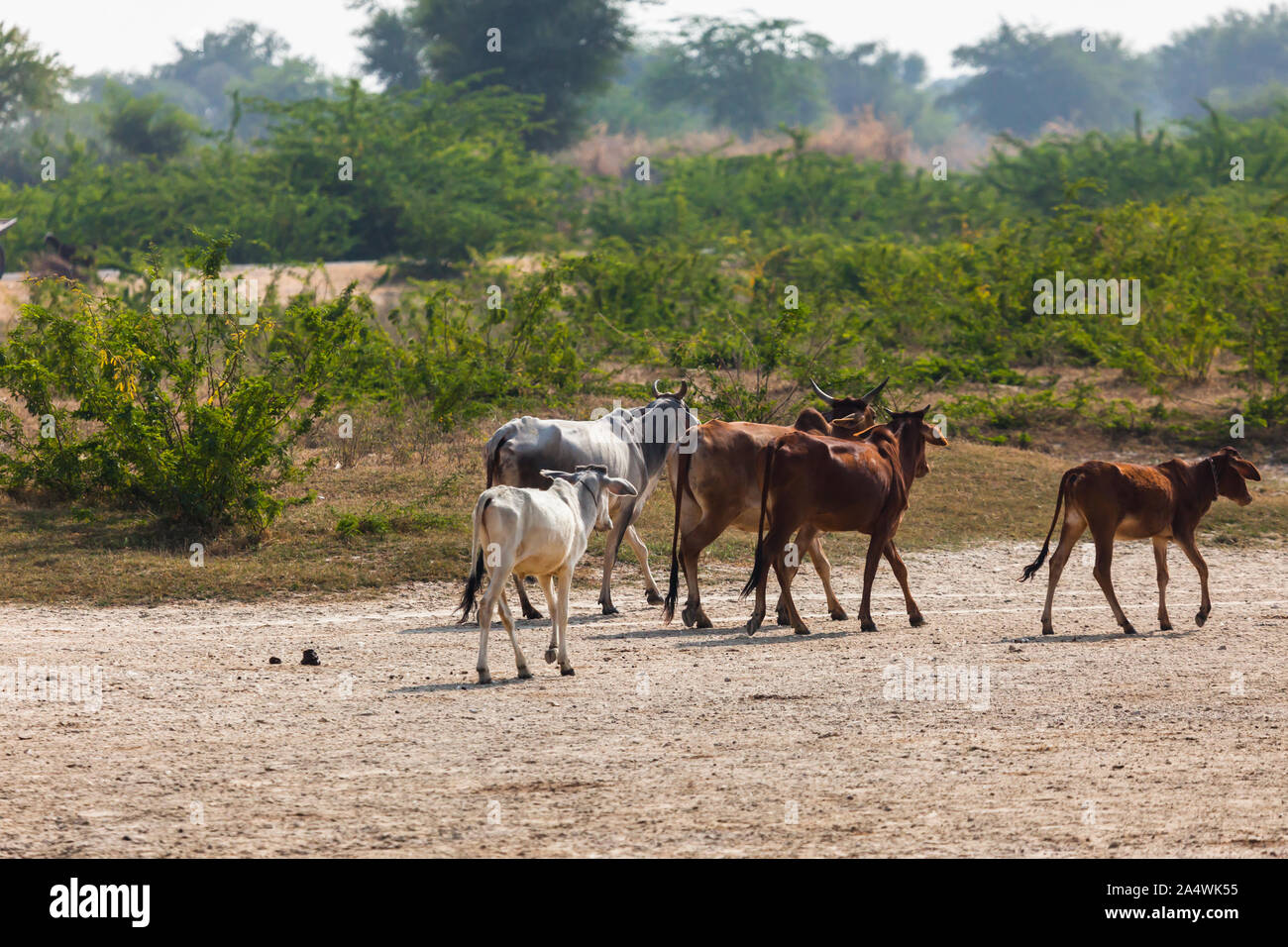
Imagine a world where animals roam freely, revered not just for their utility, but for their very essence. A world where one animal, in particular, holds a special place in the hearts and minds of millions. That's the world of India and its sacred cows, a topic steeped in history, religion, and cultural significance.
Navigating the intricate tapestry of Indian culture can sometimes feel like walking a tightrope. The presence of freely roaming cattle, while deeply ingrained in the nation's heritage, also presents daily practical difficulties. Balancing respect for tradition with the demands of modern life is a constant negotiation.
The concept of sacred cows in India centers on the Hindu belief in the sanctity of all life, with the cow elevated to a symbol of motherhood, abundance, and selfless giving. Protecting them is seen as an act of piety, and their well-being is deeply intertwined with the spiritual and moral fabric of Indian society.
This exploration delves into the heart of India's relationship with its cattle, tracing the historical roots of reverence, exploring the myths and legends surrounding them, uncovering the practical and economic implications, and ultimately understanding their enduring significance in the social and cultural landscape. We will discuss everything from the underlying religious beliefs to modern-day challenges. Key themes include Hinduism, animal welfare, cultural preservation, and the evolving dynamics of tradition in a contemporary world.
Personal Connection: My Village Experience
I remember visiting a small village in Rajasthan a few years ago. The first thing that struck me wasn't the vibrant colors or the bustling market, but the sheer number of cows peacefully wandering through the streets. They weren't pets, nor were they strictly wild; they simply existed, an accepted part of the community. One particular cow, adorned with a tilak (mark) on its forehead, seemed to be the center of attention, receiving gentle pats and offerings of food from the villagers. It was a powerful display of respect and reverence.
This experience brought the concept of "sacred cow" to life for me. It wasn't just an abstract religious idea, but a tangible, lived reality. The cow represented more than just an animal; it symbolized sustenance, prosperity, and a connection to the divine. This reverence stems from ancient Hindu scriptures that extol the virtues of the cow as a symbol of motherhood and selfless giving. The cow provides milk, which nourishes, and its byproducts are used in agriculture and fuel. It's seen as a gentle, nurturing creature that embodies the qualities of compassion and patience. Understanding this deep-seated belief is crucial to grasping the role of cows in Indian society and why their protection is so paramount. It is also intertwined with the belief in ahimsa or non-violence, a central tenet of Hinduism and Jainism, which advocate for respect for all living beings.
Unpacking the Term: What Does "Sacred Cow" Actually Mean?
At its core, the term "sacred cow" in India refers to the special status afforded to cattle, stemming from Hindu religious beliefs and cultural traditions. It's not just about religious devotion; it's about a deeply ingrained respect for life and a recognition of the cow's crucial role in sustaining families and communities. The term encompasses a whole complex of beliefs, practices, and social norms that govern the interaction between humans and cattle.
Beyond the religious and cultural aspects, there are also practical considerations. Cows provide milk, butter, and yogurt, essential components of the Indian diet. Their dung is used as fertilizer and fuel, and their labor is used in agriculture. In many rural communities, the cow is a vital part of the household economy. But more than this, the cow represents the divine feminine, the nurturer and provider. To harm a cow is seen as an affront to the goddess and a violation of dharma (righteous conduct). Protecting cows is thus an act of religious piety and a moral imperative. This is why laws exist in many Indian states that prohibit or restrict the slaughter of cows. The debate over these laws is often contentious, highlighting the complex interplay between religious beliefs, economic realities, and political considerations. Understanding this multi-layered context is essential to truly grasp the significance of the "sacred cow" in India.
History and Myth: Tracing the Roots of Reverence
The reverence for cows in India stretches back millennia, with evidence found in ancient scriptures and archaeological findings. The Vedas, the oldest Hindu texts, mention the cow as a symbol of wealth and prosperity. Over time, this reverence evolved into a more profound spiritual significance. Hindu mythology is replete with stories that highlight the cow's divine nature and its connection to various deities.
One popular myth tells the story of Kamadhenu, the divine cow that grants all wishes. Kamadhenu is considered the mother of all cows and is often depicted as a beautiful creature with the head of a woman, the wings of a bird, and the tail of a peacock. This myth reinforces the idea that cows are not just animals but sacred beings with special powers. Other stories link cows to Lord Krishna, a major Hindu deity, who is often depicted as a cowherd, playing his flute amidst the cattle. This association further elevates the status of cows and reinforces their connection to the divine. The gradual shift from the cow as a symbol of wealth to a symbol of divinity reflects the evolving nature of Hindu religious beliefs. The rise of vegetarianism in India, particularly among certain castes, also contributed to the cow's elevated status. As the practice of eating beef became increasingly taboo, the cow became even more strongly associated with purity and non-violence.
Hidden Secrets: Beyond the Obvious
While the sacred status of cows in India is widely known, there are some less obvious aspects that are worth exploring. For instance, the concept of "gau raksha" (cow protection) has become a powerful political force in recent years. Groups advocating for stricter laws against cow slaughter have gained prominence, often using aggressive tactics to enforce their views.
This has led to incidents of violence and even killings, raising concerns about religious intolerance and the erosion of secular values. Another hidden secret is the economic importance of the cow in rural India. While many people associate sacred cows with unproductive animals roaming the streets, in reality, cows are a valuable asset for many families. They provide milk, which can be sold for income, and their dung is used as fertilizer and fuel, reducing reliance on expensive chemical alternatives. The "gomutra" (cow urine) and "gobar" (cow dung) are also used in traditional medicine and are believed to have healing properties. There is a growing market for these products, further contributing to the economic value of cows. The challenge lies in balancing the economic benefits of cows with the religious sentiments surrounding their protection. Finding sustainable and humane ways to manage cattle populations is crucial for ensuring both the welfare of the animals and the economic well-being of the communities that depend on them.
Recommendations: Navigating the Cultural Landscape
If you're planning a trip to India, it's important to be aware of the cultural significance of cows and to be respectful of local customs. Avoid consuming beef in public places, and refrain from making disparaging remarks about cows or Hindu beliefs. Remember that these animals are revered by millions, and your words and actions can have a significant impact.
If you're interested in learning more about the sacred cows of India, consider visiting a gaushala (cow shelter). These shelters provide a safe haven for abandoned or injured cows and offer a glimpse into the care and attention that these animals receive. You can also learn about the various ways in which cows contribute to the Indian economy and culture. Another recommendation is to engage in respectful dialogue with locals about their beliefs and practices. Ask questions, listen attentively, and try to understand the cultural context behind the reverence for cows. Avoid making assumptions or generalizations based on your own cultural background. Ultimately, navigating the cultural landscape of India requires sensitivity, open-mindedness, and a willingness to learn. By respecting local customs and engaging in meaningful dialogue, you can gain a deeper appreciation for the rich and complex tapestry of Indian society.
Modern Challenges: Balancing Tradition and Progress
In contemporary India, the sacred cow presents a unique set of challenges. The growing urban population and the increasing demand for land have led to conflicts between humans and animals. Stray cattle often roam the streets of cities, causing traffic congestion and posing a safety hazard. Managing these populations in a humane and sustainable way is a complex task that requires innovative solutions.
One approach is to improve the infrastructure and resources of gaushalas. By providing better facilities and care for abandoned or injured cows, these shelters can help to reduce the number of stray animals on the streets. Another approach is to promote the use of technology to track and manage cattle populations. GPS tracking devices can be used to monitor the movements of cows and to identify areas where they are causing problems. In addition, efforts are being made to educate the public about responsible cattle ownership. By encouraging people to take better care of their animals and to prevent them from becoming stray, it is possible to reduce the number of cows that are roaming the streets. The challenge lies in finding solutions that are both effective and respectful of religious beliefs. It is important to engage with local communities and religious leaders to find common ground and to develop strategies that are acceptable to all stakeholders.
Practical Tips: Showing Respect
When traveling in India, there are simple yet meaningful ways to demonstrate respect for the sacred status of cows. Firstly, be mindful of your actions, especially when driving. Give cows the right of way and avoid honking or startling them. If you see a cow in distress, consider offering assistance or alerting a local animal welfare organization.
Secondly, be mindful of your food choices. While consuming beef is not illegal in all parts of India, it is generally considered disrespectful to do so in public places. Opt for vegetarian or other non-beef dishes when dining out. Thirdly, avoid wearing leather products, especially belts or shoes, in temples or other sacred sites. Leather is considered impure by some Hindus, and wearing it in a sacred space may be seen as offensive. Finally, consider donating to a gaushala or other animal welfare organization. Your contribution can help to provide care and shelter for abandoned or injured cows and to promote the humane treatment of animals. By following these simple tips, you can demonstrate your respect for the sacred cows of India and contribute to a more harmonious cultural exchange. Remember that even small gestures of kindness and understanding can make a big difference.
The Economic Impact: Beyond the Religious Aspect
The reverence for cows in India has significant economic implications, both positive and negative. On the one hand, the cow provides milk, which is a valuable source of income for many rural families. Cow dung is also used as fertilizer and fuel, reducing reliance on expensive chemical alternatives. The "gomutra" (cow urine) and "gobar" (cow dung) are also used in traditional medicine and are believed to have healing properties.
However, the sacred status of cows can also lead to economic challenges. The ban on cow slaughter in many states means that farmers are often unable to sell unproductive or aging cows, leading to overpopulation and strain on resources. Stray cattle can also damage crops and compete with livestock for grazing land. The challenge lies in finding ways to balance the economic benefits of cows with the need for sustainable agricultural practices. This requires innovative solutions, such as promoting the use of artificial insemination to improve the quality of cattle breeds, developing alternative uses for cow dung, and implementing humane methods of managing stray cattle populations. The economic impact of the sacred cow is a complex issue that requires careful consideration and a nuanced approach. By addressing the challenges and maximizing the benefits, it is possible to ensure that the cow continues to play a positive role in the Indian economy.
Fun Facts: Did You Know?
Did you know that in some parts of India, cows are given ID cards? This is part of an effort to track and manage cattle populations. Also, cow urine is used in some traditional Ayurvedic medicines and is believed to have antibacterial and antifungal properties. And, many Indian languages have specific words for different types of cows, based on their color, breed, and age.
The reverence for cows extends beyond religious beliefs and into everyday life. Cows are often seen as symbols of good luck and are even featured in advertisements and artwork. In some villages, cows are decorated with flowers and garlands during festivals and celebrations. The Indian government has also launched various initiatives to promote cow protection and to support the dairy industry. These initiatives include providing subsidies to farmers for purchasing cows, promoting the use of cow dung as fertilizer, and establishing cow shelters. The cultural significance of cows is deeply ingrained in Indian society, and these fun facts offer a glimpse into the various ways in which cows are revered and celebrated. From ID cards to Ayurvedic medicines, the cow plays a multifaceted role in the lives of millions of Indians.
How To: Respect Cows in India
Respecting cows in India is a simple matter of being mindful and considerate. Avoid actions that could startle or harm them, such as driving aggressively around them or making loud noises. When visiting temples or other sacred sites, remove your shoes and avoid wearing leather products.
Be mindful of your food choices and avoid consuming beef in public places. If you see a cow in distress, offer assistance or alert a local animal welfare organization. You can also show your respect by supporting local businesses that promote sustainable agricultural practices and humane treatment of animals. Another way to show respect is to learn about the cultural significance of cows in India. Understanding the religious beliefs and traditions that underpin the reverence for cows can help you to appreciate the importance of these animals in Indian society. By being informed and considerate, you can contribute to a more harmonious cultural exchange and demonstrate your respect for the sacred cows of India.
What If: Cows Weren't Sacred?
Imagine a scenario where the sacred status of cows in India suddenly vanished. The economic and social consequences would be profound. The dairy industry would likely undergo significant changes, with increased efficiency and potentially lower prices for consumers. However, many rural families who rely on cows for their livelihood would face economic hardship.
The cultural landscape would also be dramatically altered. The reverence for cows has shaped countless traditions, festivals, and artistic expressions. The loss of this reverence would likely lead to a decline in vegetarianism and a shift in dietary habits. The environmental impact is difficult to predict. On the one hand, a decrease in the cow population could reduce methane emissions and alleviate pressure on grazing lands. On the other hand, the loss of cow dung as fertilizer could lead to increased reliance on chemical alternatives. Ultimately, the hypothetical scenario where cows are no longer sacred highlights the deep and multifaceted ways in which these animals are intertwined with Indian society. The economic, social, and cultural consequences would be far-reaching and would likely transform the fabric of Indian life.
Listicle: 5 Fascinating Facts About India's Sacred Cows
1. The concept is rooted in Hinduism, where cows symbolize motherhood and selfless giving.
2. Many Indian states have laws prohibiting or restricting cow slaughter.
3. Cow dung is used as fertilizer, fuel, and even in traditional medicine.
4. Stray cattle are a common sight in Indian cities, often causing traffic congestion.
5. "Gau raksha" (cow protection) has become a powerful political movement in recent years.
These facts provide a glimpse into the complex and fascinating world of India's sacred cows. The reverence for cows is deeply ingrained in Indian culture and has shaped countless aspects of society, from religious beliefs to economic practices. While the sacred status of cows presents certain challenges, it also reflects a deep respect for life and a recognition of the cow's crucial role in sustaining families and communities. By understanding these fascinating facts, we can gain a deeper appreciation for the cultural significance of cows in India and the challenges and opportunities that arise from their revered status.
Question and Answer
Q: Why are cows considered sacred in India?
A: Cows are considered sacred in India due to their association with Hindu deities, their role in providing milk and sustenance, and their symbolism of motherhood and selfless giving.
Q: Is it illegal to kill a cow in India?
A: It depends on the state. Many Indian states have laws prohibiting or restricting cow slaughter, but these laws vary widely.
Q: What is "gau raksha"?
A: "Gau raksha" (cow protection) is a movement that advocates for stricter laws against cow slaughter and seeks to protect cows from harm.
Q: What are some of the challenges associated with the sacred status of cows in India?
A: Some of the challenges include managing stray cattle populations, balancing religious beliefs with economic needs, and addressing conflicts between cow protection groups and those who depend on cattle for their livelihood.
Conclusion of The Sacred Cows of India
The sacred cows of India represent a complex and multifaceted phenomenon, deeply rooted in religious beliefs, cultural traditions, and economic realities. Understanding their significance requires navigating a delicate balance between reverence and practicality, tradition and progress. While the challenges are undeniable, the enduring presence of these gentle creatures serves as a reminder of the interconnectedness of life and the importance of respecting all beings.
0 Response to "The Sacred Cows of India"
Post a Comment