The Real-Life Story of Hachiko the Loyal Dog
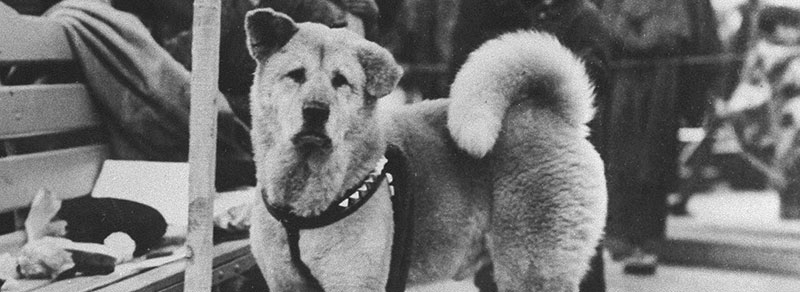
Have you ever heard a story so heartwarming, so devoted, that it brought tears to your eyes? A tale that speaks to the unwavering bond between humans and animals? Prepare to be moved by the true story of Hachiko, a dog whose loyalty transcended life itself.
We all yearn for connection, for someone or something to believe in us, to be there, no matter what. When that connection is broken, the void left behind can feel immense. The story of Hachiko touches upon this universal longing, the ache of absence, and the hope that maybe, just maybe, devotion can bridge even the greatest divides.
This article aims to tell the remarkable story of Hachiko, a real-life Akita Inu who became a symbol of unwavering loyalty. We'll delve into his life, his bond with his owner, and the enduring legacy he left behind, inspiring countless people around the world.
Hachiko's story is a testament to the extraordinary capacity for love and devotion that exists within the animal kingdom. He embodies the unwavering bond between humans and animals, teaching us about loyalty, patience, and the enduring power of connection. His legacy continues to inspire, reminding us to cherish the relationships we have and to appreciate the simple, profound love that our animal companions offer.
My Personal Connection to Hachiko's Story
Growing up, I always had dogs. They were more than just pets; they were family. One particular golden retriever, named Buddy, was my constant companion. He’d greet me at the door after school, follow me around the house, and listen patiently (or so it seemed) as I poured out my adolescent angst. When Buddy passed away after a long, happy life, the grief was immense. It felt like losing a piece of myself. It was then that I truly understood the depth of the bond we can share with these animals. The story of Hachiko resonated with me on a profound level because it captured that very essence of unwavering loyalty and the pain of separation. Hachiko's daily ritual of waiting at the Shibuya train station for his owner, Professor Ueno, even years after the professor's death, is a powerful image of love and devotion. His story transcends cultural boundaries, touching the hearts of people worldwide because it reflects the universal human experience of loss and the enduring hope for reunion. The Akita breed, known for their loyalty and independence, further enhances Hachiko's legacy. His story has been immortalized in books, films, and statues, ensuring that his memory and the lessons of his life will continue to inspire generations to come. Learning more about Hachiko's real life, and not just the dramatized movie versions, solidified him in my mind as not just a storybook character, but a figure whose existence demonstrates the potential for deep, meaningful connection between humans and animals.
The Unfolding of Hachiko's Life
Hachiko's story began in 1923, when he was born on a farm near the city of Odate, in Akita Prefecture, Japan. He was an Akita Inu, a breed known for its loyalty and dignity. Professor Hidesaburo Ueno, a professor in the agriculture department at the University of Tokyo, adopted Hachiko as a pet. The two quickly formed a deep bond. Every day, Hachiko would accompany Professor Ueno to the Shibuya train station, where the professor would catch the train to work. At the end of the day, Hachiko would return to the station to greet him. This routine continued until May 21, 1925, when Professor Ueno suffered a cerebral hemorrhage at work and died. Hachiko, unaware of his owner's fate, continued to wait at the station every day for the next nine years, nine months, and fifteen days. He became a fixture at the station, capturing the hearts of commuters and locals alike. Initially, some people were wary of Hachiko, but his unwavering devotion eventually earned him their respect and affection. The story of the loyal dog spread throughout Japan, and Hachiko became a national symbol of loyalty. The key to understanding the enduring power of Hachiko's story lies in the simplicity of his devotion. He didn't perform elaborate tricks or feats of strength; he simply waited. This unwavering commitment resonated with people who had experienced loss, felt forgotten, or longed for connection.
The History and Myth Surrounding Hachiko
While the core of Hachiko's story is rooted in verifiable facts, time and retelling have naturally embellished certain aspects, blurring the line between history and myth. The fundamental truth remains: Hachiko was a real dog, Professor Ueno was his owner, and he waited at Shibuya station for years after the professor's death. However, the extent to which Hachiko understood the professor's passing, and the specific details of his daily life during those waiting years, are subject to interpretation and storytelling. Some accounts portray Hachiko as a lonely, neglected figure, constantly yearning for his lost owner. Others emphasize the kindness he received from the local community, who provided him with food and shelter. The legend of Hachiko grew in the 1930s, fueled by newspaper articles and word-of-mouth. He became a symbol of national pride and a model of unwavering loyalty, particularly during a time of increasing militarism in Japan. Statues of Hachiko were erected, and his story was incorporated into textbooks, solidifying his place in Japanese culture. The story transcends its specific cultural context, touching upon universal themes of love, loss, and the enduring power of hope. The "myth" of Hachiko, therefore, isn't about factual inaccuracies, but rather about the deeper meaning and emotional resonance that his story holds for people around the world. It is a myth that reminds us of the inherent goodness in animals and the profound impact they can have on our lives.
Unveiling Hidden Secrets of Hachiko's Story
Beyond the well-known narrative of Hachiko's unwavering loyalty, there are lesser-known details that add depth and nuance to his story. For example, Hachiko wasn't always welcomed at the Shibuya train station. Initially, some vendors and commuters were annoyed by his presence, viewing him as a stray. However, the kindness of others, particularly a former gardener of Professor Ueno who recognized Hachiko and provided him with food, gradually won over the community. Another interesting aspect is the role of Kai, another Akita dog who was owned by Professor Ueno before Hachiko. While Kai didn't achieve the same level of fame, he was also known for his loyalty and affection towards the professor. His existence highlights Professor Ueno's love for the Akita breed and his ability to form deep bonds with animals. Furthermore, the artist Teru Ando created the original bronze statue of Hachiko that was erected at Shibuya Station in
1934. Ando was a prominent sculptor, and his involvement in the project elevated Hachiko's status as a national symbol. The statue itself became a meeting place and a symbol of hope for those waiting for loved ones. These hidden details provide a more complete picture of Hachiko's life and the circumstances surrounding his remarkable story. They reveal the challenges he faced, the kindness he received, and the artistic contributions that helped to immortalize his legacy. The key to unlocking these secrets is to go beyond the simplified narrative and delve into the historical context, the personal accounts of those who knew Hachiko, and the artistic representations that have shaped his image over time.
Recommendations for Experiencing Hachiko's Legacy
If you're moved by Hachiko's story and want to experience his legacy firsthand, there are several ways to do so. The most obvious is to visit the bronze statue of Hachiko at the Shibuya train station in Tokyo. It's a popular meeting spot and a poignant reminder of his unwavering loyalty. Take a moment to reflect on his story and the impact he has had on people around the world. Another recommendation is to watch the film "Hachi: A Dog's Tale," starring Richard Gere. While a Hollywood adaptation, it captures the essence of Hachiko's devotion and is a touching tribute to the bond between humans and animals. Be prepared to shed a few tears! You can also explore the Akita Dog Museum in Odate, Japan, Hachiko's birthplace. The museum showcases the history of the Akita breed and Hachiko's story, providing a deeper understanding of his cultural significance. For a more immersive experience, consider reading "Hachiko Waits" by Leslea Newman, a children's book that beautifully tells the story of Hachiko from a child's perspective. It's a great way to introduce the story to younger audiences and to appreciate its universal themes. Finally, simply reflecting on your own relationships with animals and expressing gratitude for their unwavering loyalty is a powerful way to honor Hachiko's legacy. Remember the lessons he taught us about love, patience, and the enduring power of connection. These recommendations offer different avenues for engaging with Hachiko's story, allowing you to connect with his legacy on a personal and meaningful level.
Exploring the Akita Breed and Its Significance
To fully appreciate Hachiko's story, it's essential to understand the Akita breed and its significance in Japanese culture. The Akita Inu is a large, powerful dog originating from the mountainous region of Akita in northern Japan. They were originally bred for hunting bear, boar, and deer, and were also used as guard dogs and fighting dogs. Akitas are known for their loyalty, courage, and dignity. They are fiercely protective of their families and can be wary of strangers. However, with proper socialization and training, they can be loving and affectionate companions. In Japan, the Akita is considered a national treasure and is a symbol of good health, happiness, and long life. They are often given as gifts to new parents and those recovering from illness. The Akita's thick double coat provides excellent insulation against the harsh winters of northern Japan. Their curled tail and erect ears are distinctive features of the breed. While Akitas are intelligent dogs, they can also be independent and stubborn. They require experienced owners who can provide consistent training and socialization. Hachiko's unwavering loyalty is often attributed to the Akita breed's inherent traits. His devotion to Professor Ueno exemplifies the Akita's strong bond with their families. Understanding the breed's history, temperament, and cultural significance allows for a deeper appreciation of Hachiko's story and its enduring appeal. The Akita breed continues to be admired and cherished around the world, a testament to their unique qualities and their role in shaping one of the most heartwarming stories ever told.
Practical Tips for Embodying Hachiko's Loyalty in Your Own Life
While we may not be able to replicate Hachiko's exact situation, we can certainly learn from his example and strive to embody his unwavering loyalty in our own lives. One practical tip is to be present and attentive in your relationships. Put down your phone, make eye contact, and truly listen to what your loved ones have to say. Show them that you value their thoughts and feelings. Another tip is to be reliable and dependable. Keep your promises, be on time, and follow through on your commitments. Let people know that they can count on you, no matter what. Practice forgiveness and understanding. Everyone makes mistakes, and it's important to be able to forgive those who have wronged you. Try to see things from their perspective and offer them a second chance. Show appreciation for the people in your life. Tell them how much you value their presence and how grateful you are for their support. Small acts of kindness can go a long way. Be a supportive friend and family member. Offer your help when needed, provide encouragement during difficult times, and celebrate their successes. Remember that loyalty is a two-way street. It's important to be loyal to those who are loyal to you. Show them the same love, respect, and support that they have shown you. These practical tips can help you to cultivate stronger, more meaningful relationships based on loyalty, trust, and mutual respect. By embodying Hachiko's unwavering devotion, you can create a more fulfilling and connected life for yourself and those around you.
The Enduring Power of Animal Companionship
Hachiko's story serves as a powerful reminder of the unique and profound bond that can exist between humans and animals. Animal companions offer us unconditional love, unwavering support, and a sense of connection that can be difficult to find elsewhere. They don't judge us, they don't criticize us, and they're always happy to see us, even when we're feeling down. Studies have shown that owning a pet can have numerous health benefits, including reducing stress, lowering blood pressure, and increasing physical activity. Pets can also provide a sense of purpose and companionship, particularly for those who live alone or are feeling isolated. Caring for an animal requires responsibility and commitment, but the rewards are immeasurable. The love and affection that we receive from our animal companions enrich our lives in countless ways. Hachiko's story is a testament to the enduring power of this bond, and it reminds us to cherish the relationships we have with our animal friends. Their loyalty, devotion, and unconditional love make them an invaluable part of our lives. Whether it's a dog, a cat, a bird, or any other animal, the companionship they offer can bring joy, comfort, and a sense of belonging that can make all the difference in the world. So take a moment to appreciate your animal companions and the unique bond you share. They are a gift, and their love is a treasure to be cherished.
Fun Facts About Hachiko That You Probably Didn't Know
Beyond the well-known details of Hachiko's story, there are some lesser-known and fun facts that add to his legend. For instance, Hachiko's likeness has appeared on postage stamps in Japan, further solidifying his status as a national symbol. The stamps were issued in 1994 to commemorate the 70th anniversary of his death. Also, during World War II, the original bronze statue of Hachiko at Shibuya Station was melted down for scrap metal to support the war effort. However, after the war, a new statue was commissioned and erected in its place. Did you know that Hachiko had a favorite food? According to some accounts, he loved grilled chicken skewers, which were often offered to him by vendors at the Shibuya station. The practice of returning to the same spot to wait for someone is not unique to dogs. While not quite as long-lasting, cats have also been known to exhibit similar behavior when their owners have moved or passed away. Hachiko's story has inspired not only movies and books but also numerous works of art, including paintings, sculptures, and even manga comics. The Akita breed almost disappeared during World War II due to food shortages and government orders to cull non-military dogs. However, dedicated breeders managed to preserve the breed, ensuring that Hachiko's legacy would continue. These fun facts provide a glimpse into the cultural impact of Hachiko's story and the enduring fascination with his unwavering loyalty. They highlight the ways in which his memory has been preserved and celebrated throughout the years, making him a timeless symbol of love and devotion.
How to Honor Hachiko's Legacy in Your Own Life
Honoring Hachiko's legacy doesn't require grand gestures; it's about incorporating his spirit of loyalty, compassion, and unwavering devotion into your daily life. Start by strengthening the bonds with your loved ones, both human and animal. Make time for meaningful interactions, listen attentively, and offer your support during challenging times. Show your appreciation for the people and animals who enrich your life. Express your gratitude through words, gestures, and acts of kindness. Volunteer your time at a local animal shelter or rescue organization. Providing care and companionship to animals in need is a wonderful way to honor Hachiko's memory and to make a difference in the lives of vulnerable creatures. Support organizations that promote animal welfare and responsible pet ownership. Educate yourself and others about the importance of treating animals with respect and compassion. Be a responsible pet owner. Provide your animal companions with proper care, nutrition, and exercise. Make sure they receive regular veterinary checkups and vaccinations. Practice patience and understanding. Animals, like humans, have their own unique personalities and quirks. Embrace their individuality and offer them your unwavering love and support. Share Hachiko's story with others. By spreading his message of loyalty and devotion, you can inspire others to cultivate stronger, more meaningful relationships. These are just a few ways to honor Hachiko's legacy and to embody his spirit in your own life. By living with compassion, loyalty, and unwavering devotion, you can contribute to a world where all beings are treated with kindness and respect.
What If Hachiko's Story Had a Different Ending?
It's a natural human tendency to imagine alternative scenarios, especially when faced with a poignant story like Hachiko's. What if Professor Ueno had survived and returned to Shibuya Station? The heartwarming reunion would have been a joyous celebration of their enduring bond. Hachiko's fame might have been less pronounced, but his life would have been filled with the companionship he so deeply craved. Alternatively, what if Hachiko had given up waiting and found a new home with a loving family? While it might seem like a happier ending on the surface, it would have diminished the power of his unwavering loyalty and the profound message his story conveys. What if Hachiko had been mistreated or neglected during his years of waiting? This darker scenario would have highlighted the cruelty that animals can sometimes face and would have served as a stark reminder of the importance of animal welfare. What if Hachiko's story had never been publicized? His tale of devotion might have remained a local legend, unknown to the world. While his impact on the lives of those who knew him would still have been significant, his ability to inspire and touch hearts globally would have been lost. These "what if" scenarios underscore the importance of the actual events that unfolded. Hachiko's unwavering loyalty, the kindness of the community, and the power of his story to resonate with people worldwide are all essential elements of his enduring legacy. While it's natural to wonder about alternative possibilities, it's important to appreciate the beauty and significance of the story as it actually happened.
Top 5 Lessons We Can Learn From The Real-Life Story of Hachiko
Hachiko's story offers profound lessons that transcend cultural boundaries and resonate with people of all ages. Here are five key takeaways:
- Unwavering Loyalty: Hachiko's devotion to Professor Ueno, even after his death, exemplifies the true meaning of loyalty. It reminds us to be steadfast and reliable in our relationships, offering unwavering support to those we care about.
- The Power of Unconditional Love: Hachiko's love for Professor Ueno was unconditional. He didn't expect anything in return; he simply loved him wholeheartedly. This reminds us to embrace unconditional love in our own lives, accepting others for who they are and offering our affection freely.
- The Importance of Patience: Hachiko waited patiently at Shibuya Station for years, never giving up hope that his beloved owner would return. This teaches us the value of patience in the face of adversity, reminding us to persevere and to never lose hope.
- The Enduring Bond Between Humans and Animals: Hachiko's story highlights the unique and profound connection that can exist between humans and animals. It reminds us to cherish our animal companions and to treat them with kindness, respect, and compassion.
- The Lasting Impact of Simple Acts of Devotion: Hachiko's actions were simple – he simply waited. Yet, his unwavering devotion had a profound impact on the world, inspiring countless people to embrace loyalty, compassion, and love. These lessons offer valuable guidance for navigating our relationships, embracing empathy, and living a more meaningful life. Hachiko's story serves as a timeless reminder of the power of love and the enduring impact of simple acts of devotion.
Question and Answer About The Real-Life Story of Hachiko
Here are some frequently asked questions about the remarkable story of Hachiko:
Question 1: Is Hachiko's story a true story?
Answer: Yes, Hachiko's story is based on true events. He was a real Akita dog who lived in Japan in the 1920s and 1930s. His unwavering loyalty to his owner, Professor Ueno, is well-documented.
Question 2: How long did Hachiko wait at the Shibuya train station?
Answer: Hachiko waited at the Shibuya train station for over nine years, nine months, and fifteen days after Professor Ueno's death.
Question 3: What happened to Hachiko after Professor Ueno's death?
Answer: Hachiko was initially cared for by Professor Ueno's relatives, but he would often escape and return to the Shibuya train station. Eventually, he became a fixture at the station, where he was cared for by local vendors and commuters.
Question 4: Why is Hachiko's story so famous?
Answer: Hachiko's story is famous because it embodies the true meaning of loyalty, love, and devotion. His unwavering commitment to his owner, even after his death, has touched the hearts of people around the world and made him a symbol of the enduring bond between humans and animals.
Conclusion of The Real-Life Story of Hachiko
The story of Hachiko is more than just a tale of a loyal dog; it's a testament to the enduring power of love, devotion, and the unbreakable bond between humans and animals. His unwavering faithfulness continues to inspire, reminding us to cherish the relationships we have and to appreciate the simple, profound love that our animal companions offer. Hachiko's legacy lives on, a timeless symbol of loyalty that will continue to touch hearts for generations to come.
0 Response to "The Real-Life Story of Hachiko the Loyal Dog"
Post a Comment