The Longest Tails in the Animal Kingdom
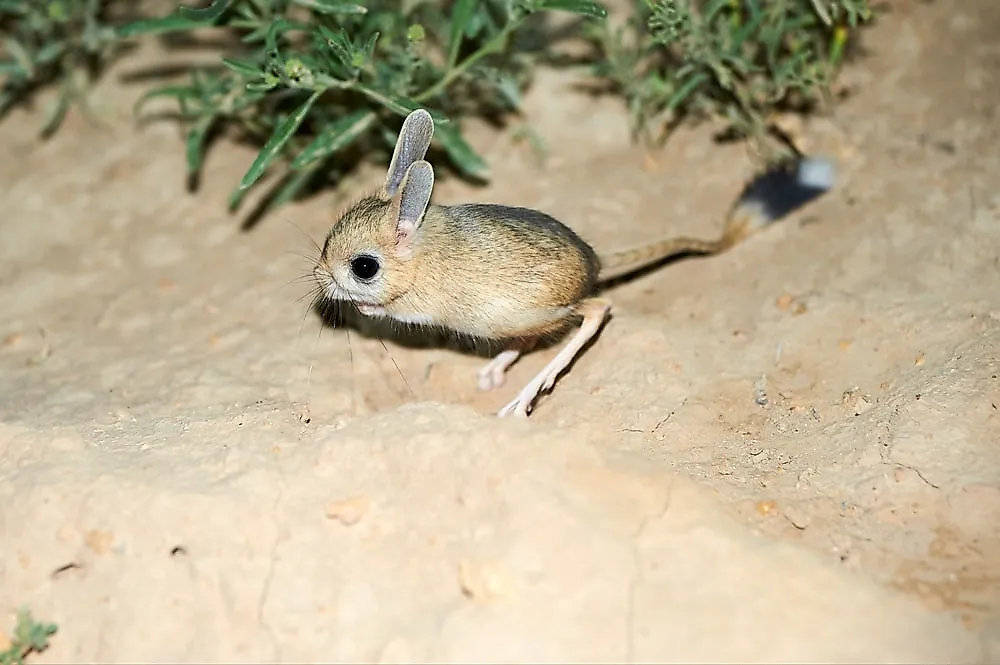
Ever stopped to think about the incredible variety of tails in the animal kingdom? From the peacock's flamboyant train to a squirrel's bushy rudder, tails serve all sorts of purposes. But have you ever wondered which animal boasts the absolute longest tail, proportionally or in sheer length?
We often admire the beauty and grace of animals, but sometimes overlook the practical challenges that come with certain physical traits. Imagine navigating dense forests with an excessively long tail, or the energy required to maintain and maneuver such an appendage. These evolutionary trade-offs highlight the fascinating balance between form and function in the natural world. It makes you question what are the potential risks to survival of such species.
This exploration into the world of animal tails aims to uncover the creatures with the most impressive caudal appendages. We'll delve into the science behind these magnificent tails, exploring their purpose, the challenges they present, and the evolutionary forces that shaped them.
From the ornamental plumage of birds to the prehensile grips of mammals, tails play a vital role in animal survival. We'll journey across continents and dive into various habitats to discover the animals that truly take the lead in the "longest tail" competition. We'll discuss the influence of sexual selection, the role of tails in balance and communication, and the sheer wonder of these elongated extensions. Prepare to be amazed by the diversity and ingenuity of nature's designs!
The Reigning Champion: The Reeve's Pheasant
My fascination with animal tails started young, during a childhood trip to a local wildlife sanctuary. I remember being absolutely mesmerized by a Reeve's pheasant, its tail stretching seemingly forever behind it. It was a sight that truly sparked a lifelong curiosity about the natural world. The male Reeve's Pheasant (Syrmaticus reevesii) holds the record for the longest natural tail of any bird, and in proportion to its body size, of any animal. These majestic birds, native to the mountainous forests of China, can grow to be quite large, but it's their tail that truly sets them apart. A male Reeve's Pheasant can grow to around 2.1 m (7 ft) with the tail making up around
1.8 m (6 ft) of that length.
The extraordinary length of the Reeve's Pheasant's tail is primarily a result of sexual selection. The longer and more impressive the tail, the more attractive the male is to potential mates. This is because a long, healthy tail is an indication of good genes and overall fitness. It signals to females that the male is strong enough to survive despite the handicap of such an unwieldy appendage. It also suggests that the male is resistant to disease and has access to ample resources to maintain such a magnificent display. The brighter and more vibrant colours a male has, the more likely he is to be selected by a female of the species.
The Purpose of Such Length
What good is such an extravagant tail? The most obvious answer, as mentioned earlier, is sexual selection. But the tail also plays a role in courtship displays. During mating rituals, male Reeve's Pheasants will fan out their tails, creating a stunning visual spectacle designed to impress potential mates. The sheer size and beauty of the tail can be enough to win over a female's affections.
However, such an immense tail also presents some challenges. Imagine trying to navigate through dense undergrowth with a tail that's nearly six feet long. It requires a great deal of energy to carry around and can make the bird more vulnerable to predators. The tail can easily get tangled in branches, slowing the bird down and making it easier to catch. It could also be damaged making it less attractive to females. The evolution of such a trait shows the powerful role sexual selection plays in shaping the physical characteristics of animals, sometimes at the expense of practicality. It also shows that a female of the species cares about having a high quality mate that is less likely to catch a disease and die.
History and Myth Surrounding Long Tails
Throughout history, long tails have often been associated with status, power, and beauty. In many cultures, birds with long, elaborate tails, like the peacock or the Reeve's Pheasant, have been revered as symbols of wealth and good fortune. The ancient Chinese emperors, for example, often used pheasant feathers to adorn their clothing and headdresses, signifying their high rank and divine right to rule.
Myths and legends surrounding long tails abound. In some cultures, they are believed to possess magical powers or to be a connection to the spirit world. The quetzal, a brightly colored bird with a long, flowing tail, was sacred to the Mayans and Aztecs. Its feathers were used in religious ceremonies and were thought to bring good luck and prosperity. It has also been said that the longer the tail, the longer the life of the creature. This can be taken in both a literal and metaphorical sense. A long tail signifies a long life or signifies an animal is old with plenty of history behind them.
Hidden Secrets Within the Tail
Beyond their obvious visual appeal, tails can reveal a wealth of information about an animal's health and genetics. Scientists can analyze the structure and coloration of a tail to determine an animal's age, diet, and even its level of stress. The tail feathers of birds, for example, can contain traces of heavy metals and other pollutants, providing valuable insights into the environmental conditions in which the bird lives.
The tail can also serve as a storehouse for energy reserves. Some animals, like the fat-tailed dunnart, store fat in their tails to help them survive periods of food scarcity. This allows them to draw upon these reserves when food is scarce. A long tail can also play a crucial role in balance and locomotion. Animals like squirrels use their bushy tails to help them navigate through trees, acting as a counterbalance during jumps and climbs. Tails can also act as rudders, helping animals steer while swimming or flying.
Recommendations for Tail Enthusiasts
If you're fascinated by long tails, there are many ways to explore this topic further. Consider visiting a local zoo or wildlife sanctuary to observe these amazing creatures in person. Many zoos have Reeve's Pheasants, and seeing one in person is truly a sight to behold.
There are also numerous documentaries and books that delve into the science and natural history of animal tails. "The Book of Tails" by Sarah Rossi is a great resource for learning about the different types of tails found in the animal kingdom and the functions they serve. You could even research your local wildlife to see what animals have interesting tails in your region.
The Evolutionary Arms Race
The evolution of long tails is often driven by what scientists call an "evolutionary arms race." This is a process in which two or more species exert selective pressure on each other, leading to the evolution of increasingly extreme traits. In the case of long tails, females prefer males with longer tails, driving males to develop even longer tails over time. This, in turn, may lead to the evolution of even more discerning females who prefer even longer tails.
This arms race can also be driven by predator-prey interactions. If predators are more likely to target animals with shorter tails, then selection will favor animals with longer tails that are harder to catch. However, this can also lead to the evolution of predators that are better adapted to catching animals with long tails. It is a constant back-and-forth, pushing the evolution of both species in new directions.
Tips for Appreciating Animal Tails
Next time you're out in nature, take a moment to appreciate the diversity and beauty of animal tails. Observe how different animals use their tails for balance, communication, and defense. Consider the evolutionary pressures that have shaped the tails of different species and the challenges these animals face in maintaining such extravagant appendages.
You can also appreciate the art and symbolism of tails in human culture. Look for examples of tails in art, literature, and mythology. Think about the ways in which tails have been used to represent power, beauty, and freedom. Whether it's the flowing tail of a horse in a classical painting or the mischievous tail of a cartoon character, tails have always captured our imagination and inspired our creativity.
The Price of Beauty
While a long tail may be attractive to potential mates, it can also come with a significant cost. A long tail can make an animal more vulnerable to predators, as it can be more difficult to escape or hide with such a large appendage. It can also require a great deal of energy to maintain, which can be a drain on the animal's resources.
This highlights the trade-offs that animals face in the evolutionary process. Sometimes, the traits that make an animal more attractive to mates are also the traits that make it more vulnerable to predators or more susceptible to disease. The challenge is to find a balance between these competing pressures, evolving traits that maximize reproductive success while minimizing the risks of survival. This is a constant balancing act that drives the evolution of all living things.
Fun Facts About Long Tails
Did you know that some animals can detach their tails as a defense mechanism? Lizards, for example, can shed their tails when threatened, allowing them to escape from predators while the predator is distracted by the wriggling tail. The lizard will eventually grow a new tail, although it may not be as long or as brightly colored as the original.
Another fun fact is that some animals use their tails to communicate with each other. Squirrels, for example, use their bushy tails to signal danger to other squirrels. They will flick their tails back and forth to warn others of approaching predators. Beavers also use their tails to communicate, slapping them on the water to warn others of danger. These communication methods highlight the importance of tails in the social lives of many animals.
How to Observe Animal Tails in the Wild
If you're interested in observing animal tails in the wild, there are a few things you can do to increase your chances of success. First, do some research to find out what animals with interesting tails live in your area. Then, choose a location where these animals are likely to be found, such as a forest, park, or wetland.
When you're out in the field, be patient and observant. Look for signs of animal activity, such as tracks, droppings, or nests. If you spot an animal, observe it from a distance, being careful not to disturb it. Pay attention to the way the animal uses its tail for balance, communication, and defense. With a little patience and practice, you'll be amazed at the diversity and beauty of animal tails that you can find in the wild.
What if Tails Disappeared?
Imagine a world without tails. How would squirrels navigate through trees? How would peacocks attract mates? How would lizards escape from predators? The loss of tails would have a profound impact on the animal kingdom, altering the behavior, ecology, and evolution of countless species.
Many animals would struggle to survive without their tails. Birds would have difficulty flying, fish would have trouble swimming, and mammals would lose their sense of balance. The natural world would be a much less diverse and interesting place without these remarkable appendages. It highlights the interconnectedness of all living things and the importance of preserving biodiversity.
Listicle of Animals With Impressive Tails
1.Reeve's Pheasant: The undisputed champion with the longest tail in the world.
2.Peacock: Known for its elaborate and colorful tail feathers.
3.Quetzal: A sacred bird with a long, flowing tail.
4.Squirrel: Uses its bushy tail for balance and communication.
5.Lizard: Can detach its tail as a defense mechanism.
6.Spider-tailed Horned Viper*Uses its tail to mimic a spider and lure birds to its location
7.Giraffe*Uses its tail for communication and swatting away flies
8.Monkeys*Use its tail to grasp onto tree branches
9.Beavers*Slaps tails in the water to communicate there is danger
10.ScorpionsUses tail to sting and inject venom
Question and Answer
Q:What is the purpose of a long tail?
A: Long tails can serve a variety of purposes, including sexual selection, balance, communication, and defense.
Q: Which animal has the longest tail?
A: The Reeve's Pheasant has the longest tail in the world, relative to its body size.
Q: Can animals detach their tails?
A: Yes, some animals, like lizards, can detach their tails as a defense mechanism.
Q: How can I observe animal tails in the wild?
A: Do some research to find out what animals with interesting tails live in your area, choose a location where these animals are likely to be found, and be patient and observant.
Conclusion of The Longest Tails in the Animal Kingdom
The animal kingdom is filled with wonders, and the incredible diversity of tails is just one example. From the Reeve's Pheasant's record-breaking appendage to the squirrel's bushy balancer, tails play a vital role in the survival and success of countless species. By understanding the science and natural history of tails, we can gain a deeper appreciation for the beauty and complexity of the natural world.
0 Response to "The Longest Tails in the Animal Kingdom"
Post a Comment