Animals With the Sharpest Teeth
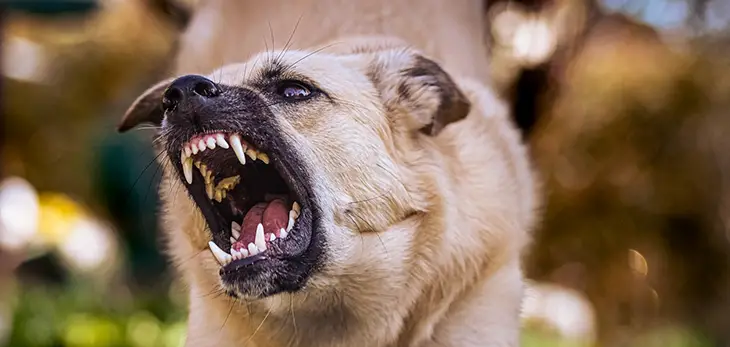
Ever wondered what creature boasts the most formidable set of chompers in the animal kingdom? It's not always the obvious predators that come to mind. Some of the sharpest teeth belong to creatures you might never suspect, playing crucial roles in their survival and ecosystems.
We often think about teeth in terms of big, scary predators. But what about the smaller animals? What about the animals whose teeth are adapted for unique diets? It's frustrating when you try to understand the nuances of dental power across the animal kingdom and find information is scattered, incomplete, or only focused on the "usual suspects."
This blog post aims to shed light on the fascinating world of animal dentition, exploring which creatures possess the sharpest teeth, how they use them, and why their dental weaponry is so crucial to their existence. We'll delve into the surprising contenders and uncover the secrets behind their remarkable dental adaptations.
We've journeyed through the animal kingdom to highlight some of nature's most impressive dental weaponry. From the cone snail's harpoon-like teeth to the piranha's razor-sharp bite, and even the seemingly gentle sea urchin's self-sharpening teeth, the diversity and specialization are truly astounding. Understanding these adaptations provides a window into the intricate relationships between animals, their diets, and their survival strategies.
The Surprising Contender: The Cone Snail
The cone snail is probably the last animal you'd expect to be featured on a list of animals with the sharpest teeth! My own introduction to these creatures came during a snorkeling trip in Hawaii. I was mesmerized by their beautifully patterned shells and almost reached out to pick one up – thankfully, my guide stopped me just in time! He explained that these seemingly harmless snails possess a venomous harpoon-like tooth that can be deadly. This encounter sparked my lifelong fascination with the hidden dangers and incredible adaptations found in nature.
The cone snail doesn't have teeth in the traditional sense. Instead, it possesses a radula, a tongue-like structure covered in tiny, harpoon-shaped teeth. Each tooth is a hollow, barbed dart filled with potent venom. These harpoons are launched with incredible speed and accuracy, injecting the venom into unsuspecting prey, which can range from worms to small fish, depending on the species of cone snail. The venom paralyzes the prey, allowing the snail to reel it in and consume it. The sharpness of these harpoons is critical for penetrating the prey's skin and delivering the venom effectively. The cone snail’s "teeth" showcase an incredible example of evolutionary adaptation for predatory success, highlighting how even seemingly innocuous creatures can possess incredibly sophisticated and dangerous weaponry. This adaptation makes them formidable predators in their marine environments, demonstrating the remarkable diversity and ingenuity of nature's designs. The cone snail also uses this method for self-defense.
The Piranha's Razor-Sharp Bite
Piranhas! The very name evokes images of frenzied feeding and razor-sharp teeth stripping flesh from bone in seconds. And while their reputation might be somewhat exaggerated, the truth about their dentition is no less impressive. Their teeth are not only incredibly sharp but also tightly interlocked, forming a formidable shearing surface capable of tearing through meat with remarkable efficiency.
Piranhas are native to the Amazon and other South American rivers, and their teeth are perfectly adapted for their carnivorous diet. The teeth are triangular and serrated, resembling tiny blades that slice through flesh with ease. What sets them apart is the powerful jaw muscles that allow them to exert immense bite force. This combination of sharp teeth and strong jaws enables piranhas to quickly and efficiently consume their prey, which can include fish, crustaceans, insects, and even larger animals that venture too close to the water's edge. The interlocking arrangement of their teeth is particularly noteworthy. This creates a unified cutting surface that distributes the force of the bite evenly, preventing individual teeth from breaking or becoming dislodged. This is crucial for dealing with tough hides and bones. Piranhas use their sharp teeth in a coordinated effort, working together to quickly strip a carcass clean. They are considered a keystone species for their role in consuming carcasses and controlling insect populations.
The Ancient Origins of Sharp Teeth
The quest for sharper, more effective teeth is as old as the animal kingdom itself. The earliest vertebrates already possessed tooth-like structures, and throughout evolutionary history, teeth have undergone countless modifications and adaptations to suit different diets and lifestyles. Examining fossils reveals the incredible diversity of dental forms that have existed over millions of years, showcasing the evolutionary arms race between predators and prey.
The evolution of sharp teeth is intimately linked to the evolution of predation. As predators evolved more effective hunting strategies, prey animals, in turn, developed defenses to avoid becoming dinner. This led to an escalating cycle of adaptations and counter-adaptations, with predators evolving sharper teeth and stronger jaws, and prey developing tougher hides, faster reflexes, or defensive weaponry of their own. Some of the earliest examples of sharp teeth can be found in ancient sharks, whose fossilized teeth reveal serrated edges and pointed cusps designed for tearing through flesh. Over time, these basic designs have been refined and modified in countless ways, giving rise to the diverse array of dental forms we see in animals today. The myth surrounding animals with sharp teeth is often a fear-based response, rooted in human anxieties about being vulnerable to predators. Sharp teeth represent power, aggression, and the potential for harm, tapping into our primal instincts. But the history of teeth is deeply connected to the history of evolution, and the study of the sharpest teeth unveils the constant interplay between survival and adaptation.
Unlocking the Secrets of Enamel
The secret to having the sharpest teeth doesn't just lie in their shape; it also lies in their composition. Enamel, the outermost layer of teeth, is the hardest substance in the vertebrate body. Its strength and durability are essential for withstanding the forces of biting and chewing. The microscopic structure of enamel is incredibly complex, consisting of tightly packed crystals of hydroxyapatite, a mineral composed of calcium and phosphate. The arrangement of these crystals contributes to enamel's exceptional hardness and resistance to wear and tear.
The composition of enamel varies slightly among different species, reflecting differences in diet and lifestyle. For example, animals that consume abrasive foods, such as grasses or seeds, tend to have enamel with a higher mineral content, making it more resistant to wear. The arrangement of the hydroxyapatite crystals can also vary, influencing the enamel's fracture resistance and its ability to withstand impact. Interestingly, even the presence of trace elements, such as fluoride, can affect enamel's properties, making it more resistant to acid erosion. Scientists are constantly studying the structure and composition of enamel in different animals, hoping to unlock the secrets to its exceptional properties and potentially develop new materials for dental implants and other biomedical applications. The study of enamel is not just about understanding the mechanics of biting and chewing; it also provides insights into the fundamental principles of materials science and the intricate ways in which biological structures are adapted to their environment.
Recommendations for Appreciating Animal Dentition
Instead of being fearful, we can learn to appreciate the amazing adaptations of animal teeth. One way to do this is by visiting natural history museums and observing the skeletal displays of different animals. Pay close attention to the shape, size, and arrangement of their teeth, and consider how these features relate to their diet and lifestyle.
Another way to deepen your understanding of animal dentition is by reading books and articles on the subject. There are many excellent resources available, ranging from popular science books to scientific research papers. Look for information about the evolution of teeth, the different types of teeth found in animals, and the role of teeth in feeding and defense. Documentaries are another fantastic way to learn about animal teeth in action. Observing animals in their natural habitats allows you to see how they use their teeth to capture prey, process food, and defend themselves. From the snapping jaws of crocodiles to the gnawing teeth of beavers, there's a whole world of dental adaptations waiting to be discovered. By taking the time to learn about animal dentition, you can gain a deeper appreciation for the diversity and ingenuity of nature.
The Sea Urchin's Self-Sharpening Teeth
You might not expect a sea urchin, a spiny, slow-moving creature that grazes on algae, to possess particularly impressive teeth. However, these seemingly harmless invertebrates boast a unique and fascinating dental adaptation: self-sharpening teeth! Sea urchins have five teeth arranged in a beak-like structure called Aristotle's lantern. These teeth are constantly growing and being worn down as the urchin scrapes algae off rocks and other surfaces.
What makes these teeth so remarkable is their ability to self-sharpen. As the urchin grinds its teeth against hard surfaces, the softer parts of the tooth wear away, exposing the harder, sharper edges. This process ensures that the teeth remain constantly sharp and effective for grazing. The teeth are composed of a complex matrix of calcium carbonate crystals and organic material. The arrangement of these materials is crucial for the self-sharpening mechanism to work. The teeth grow continuously from their base, and as they are worn down at the tip, new material is constantly being added. This continuous growth and wear ensures that the teeth remain at an optimal length and shape for grazing. Sea urchins are important herbivores in marine ecosystems, helping to control algae growth and maintain the balance of coral reefs and other habitats. Their self-sharpening teeth are essential for their survival, allowing them to efficiently graze on algae and play their role in the marine food web. They also use their sharp teeth for digging holes into rocks. As an added bonus, the teeth are incredibly durable.
Tips for Maintaining Your Own Pearly Whites
While we may not have the specialized teeth of a piranha or the self-sharpening teeth of a sea urchin, we can still learn from these incredible adaptations. Maintaining good oral hygiene is essential for preserving the health and sharpness of our own teeth.
Brush your teeth at least twice a day with fluoride toothpaste. This helps to remove plaque and bacteria, preventing cavities and gum disease. Floss daily to remove food particles and plaque from between your teeth and along the gum line. Visit your dentist regularly for checkups and cleanings. Your dentist can detect early signs of dental problems and provide professional cleaning to remove stubborn plaque and tartar buildup. Limit your consumption of sugary and acidic foods and drinks. These can erode tooth enamel, making your teeth more vulnerable to decay. Consider using a mouthwash to help kill bacteria and freshen your breath. By following these simple tips, you can keep your teeth healthy, strong, and sharp for years to come. Also, using toothpaste with fluoride will help keep your teeth healthy and strong and help them maintain their structural integrity. Just as animals have developed amazing adaptations to maintain their teeth, we too can take steps to protect our own dental health.
The Importance of Dental Hygiene in the Animal Kingdom
It might seem surprising, but dental hygiene is important for animals, too! While they don't brush and floss like we do, many animals have natural mechanisms for keeping their teeth clean and healthy. Some animals, like crocodiles, have symbiotic relationships with birds that pick parasites and food debris from their teeth. Other animals, like deer, have saliva that contains enzymes that help break down food particles and prevent plaque buildup.
Even the texture of their food can play a role in dental hygiene. Animals that eat tough, fibrous foods often have cleaner teeth than animals that eat soft, processed foods. This is because the abrasive action of chewing tough foods helps to scrape away plaque and tartar. In captivity, zoos and aquariums often provide animals with enrichment items that promote natural dental hygiene behaviors. For example, they might give primates hard fruits and vegetables to chew on, or provide large carnivores with bones to gnaw on. Maintaining good dental hygiene is essential for the overall health and well-being of animals. Dental problems can lead to pain, infection, and difficulty eating, which can negatively impact an animal's quality of life. Also, the animal is less likely to contract any types of disease in the mouth. Therefore, it's important for zookeepers and veterinarians to monitor the dental health of animals in their care and provide appropriate dental treatment when necessary.
Fun Facts About Animal Teeth
Did you know that sharks are constantly losing and regrowing their teeth? A shark can lose thousands of teeth in its lifetime! Or that elephants have teeth that are constantly being replaced throughout their lives? As one set of teeth wears down, another set grows in to take its place.
Another fascinating fact is that some animals, like rodents, have incisors that never stop growing. They constantly gnaw on things to keep their incisors from becoming too long. And then there is the narwhal, whose tusk is actually an elongated tooth! These are just a few of the many amazing facts about animal teeth. The world of animal dentition is full of surprises, and there's always something new to learn about the incredible adaptations that have evolved to suit different diets and lifestyles. The teeth of beavers are orange because they contain iron, which strengthens the enamel and makes it more resistant to acid erosion. The teeth of a giant anteater are only present during its embryonic stage; after hatching, the teeth disappear. The teeth of the vampire bat are so sharp that their bites are often painless.
How to Study Animal Teeth
If you're fascinated by animal teeth and want to learn more, there are many ways to study them. One approach is to examine skulls and skeletons in museums and research collections. By carefully observing the shape, size, and arrangement of the teeth, you can gain valuable insights into the animal's diet and lifestyle.
Another approach is to study dental casts and models. These replicas allow you to examine the teeth in detail without damaging the original specimens. You can also use microscopes to examine the microscopic structure of enamel and other tooth tissues. For a more hands-on experience, you can participate in archaeological digs or paleontological expeditions. These experiences provide opportunities to excavate and analyze fossilized teeth, shedding light on the evolution of dentition over millions of years. Finally, consider taking a course in zoology, anatomy, or paleontology. These courses will provide you with a solid foundation in the science of animal teeth and prepare you for more advanced research. Studying animal teeth is a fascinating way to explore the diversity of the natural world and gain a deeper appreciation for the intricate adaptations that have evolved to suit different diets and lifestyles. Many museums have dedicated staff that will give tours of the collection.
What if Animals Lost Their Sharp Teeth?
Imagine a world where piranhas lost their razor-sharp teeth, cone snails lost their venomous harpoons, and sea urchins lost their self-sharpening grinders. The consequences for these animals, and for the ecosystems they inhabit, would be dramatic. Piranhas would struggle to capture and consume prey, potentially leading to starvation and population decline. Cone snails would be unable to paralyze their victims, making it difficult to feed and reproduce. Sea urchins would be less efficient at grazing on algae, potentially leading to overgrowth of algae and disruption of coral reef ecosystems.
The loss of sharp teeth would also have cascading effects on other species. Predators that rely on piranhas as a food source would suffer, while prey species that are normally consumed by piranhas might experience population explosions. The entire food web would be disrupted, potentially leading to widespread ecological imbalances. This scenario highlights the importance of specialized adaptations in the natural world. Sharp teeth are not just a cosmetic feature; they are essential tools that enable animals to survive and thrive in their respective environments. The teeth are not just for acquiring food, some animals also use their teeth to defend their territory. The loss of these teeth would not only impact their ability to feed and reproduce, but also make them more vulnerable to predators.
Listicle of Animals With Surprisingly Sharp Teeth
Let's dive into a quick list of animals that you might not expect to have such impressive dental weaponry:
- The Cone Snail: As mentioned earlier, its venomous harpoon-like teeth are a deadly surprise.
- The Sea Urchin: Self-sharpening teeth for constant algae grazing.
- The Lamprey: This jawless fish has a tooth-lined sucker mouth for latching onto prey and rasping away flesh.
- The Wobbegong Shark: These ambush predators have needle-sharp teeth hidden in their fringed mouths.
- The Cookiecutter Shark: They use their sharp teeth to carve out circular plugs of flesh from larger animals.
This list highlights the incredible diversity of dental adaptations in the animal kingdom. From the venomous harpoons of cone snails to the self-sharpening teeth of sea urchins, nature has devised countless ways for animals to acquire food and survive in their respective environments. The lamprey's tooth-lined sucker is a gruesome but effective adaptation for parasitic feeding, while the wobbegong shark's needle-sharp teeth are perfect for snaring unsuspecting prey. The cookiecutter shark's unique feeding strategy is particularly noteworthy, as it allows them to obtain a meal without killing their host. By exploring these lesser-known examples of dental weaponry, we gain a deeper appreciation for the remarkable diversity and ingenuity of the natural world.
Question and Answer about Animals With the Sharpest Teeth
Here are some common questions about animals and their sharp teeth:
Q: What makes teeth sharp?
A: Sharpness comes from a combination of factors, including the shape of the tooth, the composition of the enamel, and the arrangement of the tooth tissues.
Q: Do all carnivores have sharp teeth?
A: While many carnivores have sharp teeth for tearing flesh, some have teeth adapted for crushing bones or grinding insects.
Q: Are human teeth sharp?
A: Human teeth are relatively blunt compared to those of carnivores, as they are adapted for a more omnivorous diet.
Q: Can animals regrow their teeth?
A: Some animals, like sharks, can regrow their teeth continuously. Others, like humans, have a limited number of sets of teeth.
Conclusion of Animals With the Sharpest Teeth
Exploring the world of animal dentition reveals a fascinating array of adaptations driven by the need to survive and thrive. From the cone snail's venomous harpoons to the piranha's razor-sharp bite and the sea urchin's self-sharpening teeth, each example highlights the incredible diversity and ingenuity of nature's designs. Understanding these adaptations not only deepens our appreciation for the natural world but also provides insights into the fundamental principles of evolution and ecology.
0 Response to "Animals With the Sharpest Teeth"
Post a Comment