The Longest Animal Migrations
Imagine undertaking a journey that spans continents, a trek so arduous it would test the limits of any human endurance. Now, picture doing it not once, but every single year, driven by an instinct older than time itself. This is the reality for some of the world's most incredible creatures, those that embark on the longest animal migrations on Earth.
We often think about our own travels, the planning, the packing, the minor inconveniences. But what about the creatures facing starvation, predation, and sheer exhaustion as they traverse vast distances? Their journeys are not leisurely vacations; they are desperate struggles for survival, fueled by the primal need to find food and reproduce.
This blog post is dedicated to exploring the amazing feats of endurance displayed by animals undertaking the longest migrations. We will delve into the specific species, the distances they cover, the reasons behind their journeys, and the threats they face along the way. We'll also look at the science behind migration and the incredible adaptations that make these journeys possible.
From the epic voyages of the Arctic Tern to the long walks of the Monarch butterfly, the incredible journeys of these animals highlight the interconnectedness of our planet and the challenges they face in a changing world. We'll uncover amazing facts, explore historical perspectives, and provide recommendations for learning more about these awe-inspiring natural events. Prepare to be amazed by the resilience and determination of the creatures that undertake the longest animal migrations.
A Personal Encounter with Migration
I'll never forget the first time I witnessed a small part of the great Monarch butterfly migration. I was driving through central Mexico, near the Monarch Butterfly Biosphere Reserve, and the air was thick with orange and black. It wasn't just a few butterflies; it was a living cloud, an endless stream moving purposefully southward. I pulled over, mesmerized. Seeing them in such numbers, understanding that each tiny creature was on a multi-generational journey of thousands of miles, instilled a profound respect for the natural world. I felt a connection to something ancient and powerful, a rhythm of the Earth that had existed long before humans walked the planet. It made me realize how fragile these journeys are, how easily disrupted by habitat loss and climate change.
The Monarch butterfly migration, though smaller in scale than some others, perfectly exemplifies the dedication and challenges inherent in long-distance travel for animals. These butterflies, weighing less than a gram, travel up to 3,000 miles from Canada and the United States to their overwintering grounds in Mexico. It's a journey that takes multiple generations, with each generation playing a vital role in completing the cycle. They navigate using a combination of the sun's position and the Earth's magnetic field, incredible feats of natural engineering. Their story is a reminder that even the smallest creatures are capable of extraordinary things, and that their survival is inextricably linked to our own.
Understanding Animal Migration
At its core, animal migration is the seasonal movement of animals from one region or habitat to another. This movement is often driven by the need to find food, water, suitable breeding grounds, or more favorable climates. It's a strategy that has evolved over millennia, allowing animals to exploit resources that are only available at certain times of the year or in specific locations.
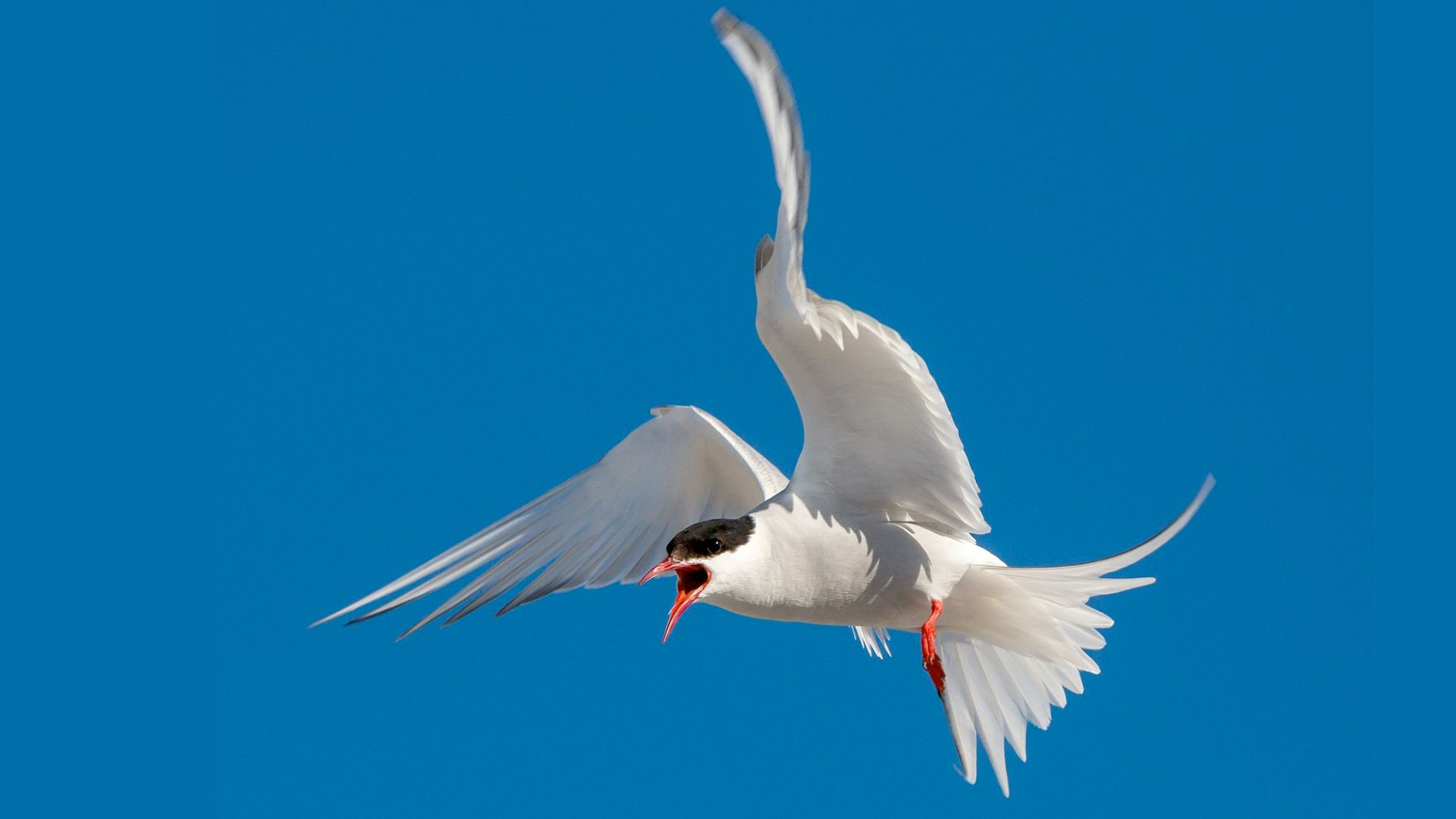
The term "longest animal migration" usually refers to the species that travel the farthest distance, either in a single generation or over the course of their lifespan. However, distance isn't the only factor. The complexity of the migration route, the challenges faced along the way, and the importance of the migration to the species' survival are all important considerations. For example, the Arctic Tern holds the record for the longest migration of any animal, traveling over 44,000 miles each year between its breeding grounds in the Arctic and its wintering grounds in the Antarctic. This incredible journey exposes them to a variety of environmental conditions and requires tremendous energy expenditure. Other notable migrations include those of the Humpback Whale, which travels thousands of miles between its feeding grounds in polar waters and its breeding grounds in warmer waters, and the Wildebeest, which undertakes massive circular migrations across the African savanna in search of grazing land and water. Each of these migrations is a testament to the incredible adaptability and resilience of the animal kingdom.
History and Myth
The phenomenon of animal migration has captivated humans for centuries. Before the advent of modern science, people often attributed these movements to supernatural forces or simply couldn't explain them. For instance, some believed that birds hibernated underwater during the winter, while others thought they transformed into different species altogether. The arrival and departure of migratory animals were often tied to seasonal festivals and religious ceremonies, reflecting the importance of these movements to human societies.
In many cultures, migratory animals are symbols of change, renewal, and the interconnectedness of life. They represent the cyclical nature of the seasons and the constant flow of energy and resources throughout the planet. The annual return of salmon to their spawning grounds, for example, has been a vital source of food for indigenous communities for thousands of years, and the salmon themselves have become symbols of perseverance and resilience. As scientific understanding of animal migration has grown, the myths and legends have gradually given way to more accurate explanations. However, the sense of awe and wonder that these journeys inspire remains as strong as ever. Modern tracking technologies have allowed us to follow individual animals on their migratory routes, providing unprecedented insights into their behavior and the challenges they face. This knowledge is crucial for conservation efforts aimed at protecting these incredible journeys for future generations.
Hidden Secrets of Migration
One of the most fascinating aspects of animal migration is the incredible navigational abilities of these creatures. How do they find their way across vast distances, often to the exact same location year after year? The answer lies in a complex interplay of sensory cues, including the Earth's magnetic field, the position of the sun and stars, and even the scent of the air. Some animals, like sea turtles, are born with an innate understanding of their migratory route, while others learn from their elders.
The Arctic Tern, for example, relies on a combination of the sun's position and the Earth's magnetic field to navigate its incredible journey. They can even compensate for the effects of wind and ocean currents to stay on course. Salmon, on the other hand, use their sense of smell to find their way back to their natal streams, following the unique chemical signature of the water. The Monarch butterfly uses its antennae to detect the Earth's magnetic field, allowing it to orient itself during its multi-generational migration. These are just a few examples of the incredible sensory adaptations that enable animals to navigate their migratory routes. Scientists are still unraveling the mysteries of animal navigation, but one thing is clear: these creatures possess a remarkable ability to sense and interpret their environment, allowing them to undertake journeys that would be impossible for humans without the aid of technology.
Recommendations for Learning More
If you're fascinated by animal migration, there are many ways to learn more. Start by exploring online resources such as the National Geographic website, the World Wildlife Fund website, and the websites of various research institutions that study animal migration. These sites offer articles, videos, and interactive maps that can provide a wealth of information about specific species and their migratory routes.
Consider visiting a wildlife refuge or national park that is known for its migratory wildlife. Many of these locations offer guided tours and educational programs that can provide a more in-depth understanding of the animals and their habitats. You can also participate in citizen science projects, such as tracking Monarch butterflies or reporting sightings of migratory birds. These projects allow you to contribute to scientific research while also learning more about the animals themselves. Finally, read books and watch documentaries about animal migration. There are many excellent resources available, including "Winged Migration," a stunning documentary that follows the journeys of migratory birds across the globe, and "Tracking Giants: The Secret Lives of Whales," a book that explores the migrations of whales and the challenges they face. By exploring these resources, you can deepen your understanding and appreciation for the incredible phenomenon of animal migration.
The Challenges of Migration
While animal migration is an incredible feat of endurance and navigation, it's also fraught with challenges. Migratory animals face a wide range of threats, including habitat loss, climate change, pollution, and overexploitation. Habitat loss is one of the most significant threats, as it deprives animals of essential breeding grounds, feeding areas, and stopover locations along their migratory routes. Deforestation, urbanization, and agricultural expansion are all contributing to habitat loss around the world.
Climate change is also having a profound impact on migratory animals. Changes in temperature, precipitation patterns, and sea levels are disrupting the timing of migrations and altering the availability of food and water. For example, some migratory birds are arriving at their breeding grounds earlier than usual, only to find that their food sources are not yet available. Pollution, including chemical pollutants and plastic debris, can contaminate habitats and harm migratory animals. Overexploitation, such as hunting and fishing, can also deplete populations of migratory species. For example, some species of migratory birds are hunted along their migratory routes, reducing their chances of survival. Protecting migratory animals requires a coordinated effort to address these threats, including habitat conservation, climate change mitigation, pollution reduction, and sustainable management of natural resources. International cooperation is also essential, as many migratory species cross national borders during their journeys.
Tips for Protecting Migratory Animals
Even though the challenges facing migratory animals are daunting, there are many things we can do to help protect them. One of the most important things is to support conservation efforts aimed at preserving and restoring habitats. This can include donating to conservation organizations, volunteering at local parks or wildlife refuges, and advocating for policies that protect natural areas. We can also reduce our impact on the environment by making sustainable choices in our daily lives. This can include reducing our carbon footprint, conserving water, and avoiding the use of harmful pesticides and herbicides.
Another important step is to educate ourselves and others about the importance of animal migration and the threats facing migratory species. By raising awareness, we can inspire others to take action and support conservation efforts. We can also support sustainable tourism practices that benefit local communities while minimizing the impact on migratory animals and their habitats. This can include choosing eco-friendly tour operators, respecting wildlife viewing guidelines, and supporting local businesses that are committed to conservation. By taking these steps, we can all play a role in protecting migratory animals and ensuring that their incredible journeys continue for generations to come.
The Role of Citizen Science
Citizen science plays a vital role in understanding and protecting migratory animals. By participating in citizen science projects, ordinary people can contribute valuable data that helps scientists track migratory movements, monitor population trends, and assess the impacts of environmental changes. There are many different types of citizen science projects related to animal migration, including bird monitoring programs, butterfly counts, and whale sighting surveys. These projects often involve collecting data in the field, such as recording the number of birds seen at a particular location or photographing butterflies to identify their species.
Citizen scientists can also contribute data online, by reporting sightings of migratory animals or sharing photos and videos. The data collected by citizen scientists is used by researchers to create maps of migratory routes, estimate population sizes, and identify important habitats. This information is essential for developing effective conservation strategies and managing migratory species. Citizen science projects also provide valuable educational opportunities, allowing participants to learn more about animal migration and the challenges facing migratory species. By participating in citizen science, people can become more engaged in conservation and make a real difference in protecting migratory animals.
Fun Facts About Migration
Did you know that some migratory birds can sleep while they fly? Or that some whales can hold their breath for over an hour? Animal migration is full of fascinating facts that highlight the incredible adaptations and abilities of these creatures. For example, the Arctic Tern can fly the equivalent of three trips to the moon and back during its lifetime, traveling over 1.5 million miles. The Bar-tailed Godwit can fly non-stop for over 7,000 miles, from Alaska to New Zealand, without stopping to eat or rest. The Monarch butterfly undergoes a multi-generational migration, with each generation playing a role in completing the journey.
Some migratory animals use the Earth's magnetic field to navigate, while others rely on the position of the sun and stars. Salmon can find their way back to their natal streams by following the unique chemical signature of the water. These are just a few examples of the incredible adaptations that enable animals to undertake these epic journeys. Learning about these fun facts can help us appreciate the remarkable abilities of migratory animals and inspire us to protect them and their habitats. The more we learn about animal migration, the more we realize the interconnectedness of all living things and the importance of preserving biodiversity.
How to Observe Animal Migration
Witnessing an animal migration firsthand is an unforgettable experience. Whether it's watching a flock of birds soaring overhead, a pod of whales breaching the surface, or a cloud of butterflies fluttering past, these events are a reminder of the power and beauty of nature. To observe animal migration, it's important to know when and where to go. Many migratory animals follow predictable routes and schedules, so you can plan your trip accordingly. Check local wildlife guides and online resources to find out when and where to see specific species.
When observing animal migration, it's important to do so responsibly. Maintain a safe distance from the animals, avoid disturbing their habitat, and follow any guidelines provided by park rangers or wildlife officials. Use binoculars or a spotting scope to get a closer look without getting too close. Be patient and respectful, and remember that you are a guest in their home. You can also use technology to track migratory animals in real-time. Many organizations use GPS tracking devices to monitor the movements of migratory birds, whales, and other species. By following these animals online, you can gain a better understanding of their migratory routes and the challenges they face.
What If Migrations Ceased?
The thought of animal migrations ceasing altogether is a chilling one. The consequences would be far-reaching, impacting ecosystems, economies, and human societies around the world. Migratory animals play a vital role in maintaining the health and balance of ecosystems. They disperse seeds, pollinate plants, control pest populations, and provide food for other animals. If migrations were to cease, these ecological functions would be disrupted, leading to cascading effects throughout the food web. For example, the decline of migratory birds could lead to an increase in insect pests, which could damage crops and forests. The loss of migratory fish could impact fishing industries and the livelihoods of coastal communities.
The cessation of migrations would also have significant cultural and economic consequences. Many cultures have strong traditions and ceremonies associated with migratory animals. The loss of these animals would be a devastating blow to these cultural identities. In addition, many economies rely on migratory animals for tourism, recreation, and food. The decline of these animals could lead to job losses and economic hardship. Protecting migratory animals is not only an environmental imperative, but also a social and economic one. By taking action to conserve these incredible journeys, we can ensure that future generations will have the opportunity to witness and benefit from the wonder of animal migration.
Listicle: 5 Amazing Migratory Journeys
1.The Arctic Tern: This seabird holds the record for the longest migration of any animal, traveling over 44,000 miles each year between its breeding grounds in the Arctic and its wintering grounds in the Antarctic.
2.The Monarch Butterfly: This iconic butterfly undertakes a multi-generational migration of up to 3,000 miles, from Canada and the United States to its overwintering grounds in Mexico.
3.The Humpback Whale: These gentle giants migrate thousands of miles between their feeding grounds in polar waters and their breeding grounds in warmer waters.
4.The Wildebeest: These African ungulates undertake massive circular migrations across the savanna in search of grazing land and water.
5.The Salmon: These fish migrate from the ocean to their natal streams to spawn, overcoming incredible obstacles along the way.
These are just a few examples of the many amazing migratory journeys that take place around the world. Each of these migrations is a testament to the incredible adaptability and resilience of the animal kingdom. By learning more about these journeys, we can gain a greater appreciation for the importance of protecting migratory animals and their habitats.
Question and Answer about The Longest Animal Migrations
Q: What is the longest animal migration in terms of distance?
A: The Arctic Tern holds the record, traveling over 44,000 miles annually between the Arctic and Antarctic.
Q: Why do animals migrate?
A: Primarily to find food, water, suitable breeding grounds, or more favorable climates.
Q: What are some of the biggest threats to migratory animals?
A: Habitat loss, climate change, pollution, and overexploitation.
Q: How can I help protect migratory animals?
A: Support conservation efforts, reduce your environmental impact, and educate others about the importance of animal migration.
Conclusion of The Longest Animal Migrations
The longest animal migrations are among the most remarkable phenomena in the natural world, showcasing incredible feats of endurance, navigation, and adaptation. These journeys are not only awe-inspiring but also essential for the health of ecosystems and the well-being of human societies. As we have explored the various aspects of animal migration, from the specific species that undertake these journeys to the challenges they face and the ways we can help protect them, it is clear that these migrations are a vital part of our planet's biodiversity. It is our responsibility to ensure that these incredible journeys continue for generations to come.
0 Response to "The Longest Animal Migrations"
Post a Comment