The Hunting Strategies of Big Cats
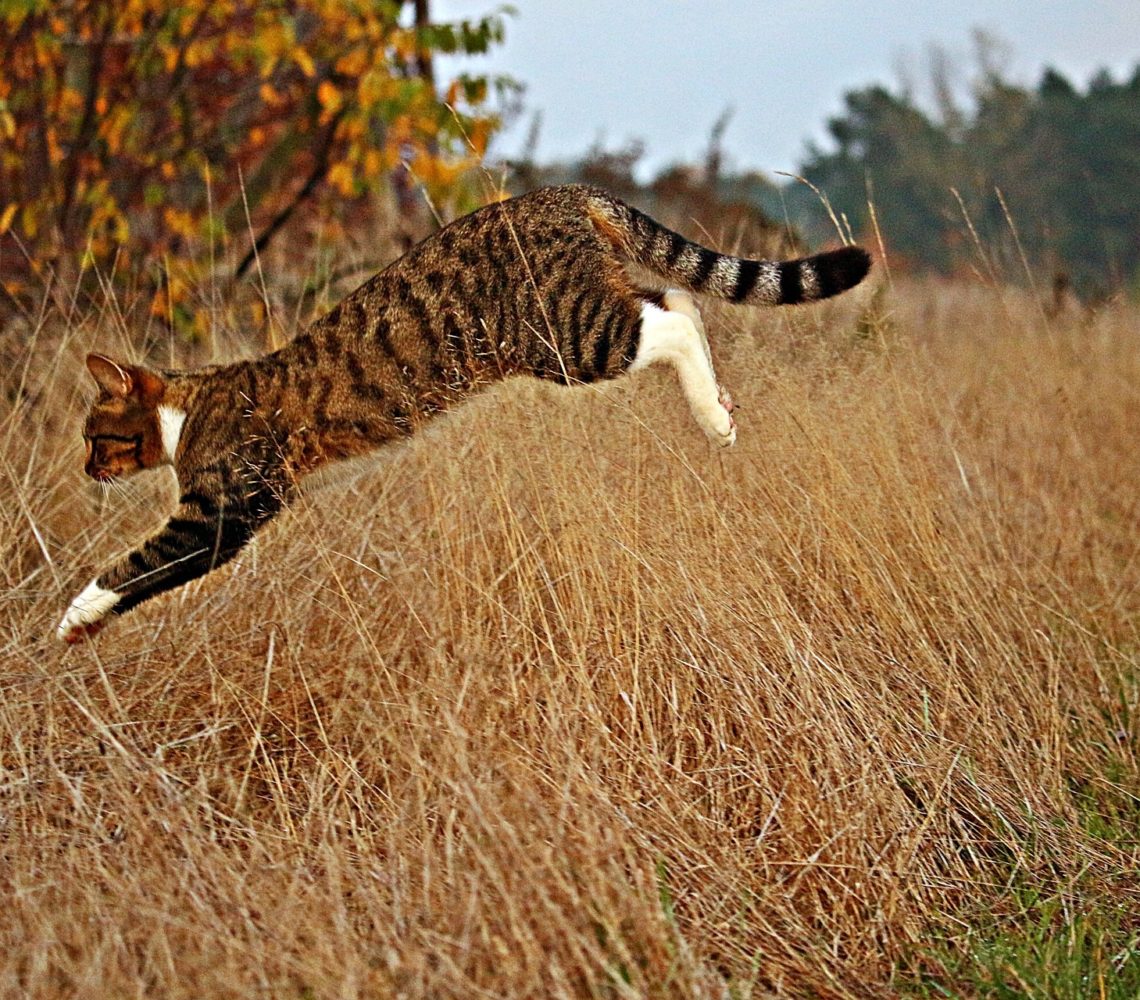
Imagine a world where stealth, power, and instinct collide in a breathtaking ballet of survival. The realm of big cats is precisely that – a world where apex predators reign supreme, their very existence woven into the fabric of the food chain. But how exactly do these magnificent creatures secure their place at the top? It's not just about brute force; it's a sophisticated game of strategy, adaptation, and honed skill that has evolved over millennia.
Ever find yourself captivated by nature documentaries showcasing lions on the hunt, yet left wondering about the intricacies behind their success or failure? Maybe you've pondered the differences between a tiger's solitary pursuit and a cheetah's high-speed chase, curious about the factors that dictate their hunting styles. Or perhaps you're simply intrigued by the sheer adaptability of these incredible animals, their ability to thrive in diverse environments while facing constant challenges in their pursuit of sustenance. These uncertainties and unanswered questions can leave you feeling like you're only scratching the surface of a truly fascinating subject.
This article aims to illuminate the captivating world of big cat hunting strategies. We will delve into the diverse techniques employed by these apex predators, exploring how factors like environment, prey availability, and social structure shape their hunting behaviors. From the collaborative hunts of lions to the solitary ambushes of leopards, we will unravel the secrets behind their success, providing a comprehensive understanding of their strategic prowess.
In this exploration, we'll uncover the specific adaptations that make big cats such formidable hunters. We'll examine the different hunting techniques, from stalking and ambush to cooperative hunting and high-speed chases. We will discuss how factors like habitat, prey type, and social dynamics influence these strategies. Key terms we'll explore include ambush predation, cooperative hunting, stalking behavior, camouflage, and sensory adaptations.
The Art of Ambush: Patience and Precision
The target of this section is to understand and appreciate the "ambush" hunting strategy employed by various big cats, focusing on their techniques and adaptations for successful surprise attacks.
I remember watching a nature documentary once about a leopard in the African savanna. It was a master of camouflage, blending seamlessly with the tall grasses. For what seemed like an eternity, it remained motionless, eyes fixed on a distant gazelle. The tension was palpable, even through the screen. Then, in a sudden burst of speed, it exploded from its hiding place, a blur of spots against the golden landscape. Although the gazelle escaped that time, the sheer power and precision of the leopard's ambush were unforgettable.
Ambush predation is a common strategy among big cats, particularly those that inhabit dense forests or grasslands where concealment is readily available. Leopards, jaguars, and tigers are all skilled ambush hunters. Their success hinges on a combination of patience, camouflage, and explosive speed. They rely on blending into their surroundings to remain undetected by their prey. This often involves having coat patterns that mimic the surrounding vegetation, allowing them to become virtually invisible. When an unsuspecting prey animal ventures close enough, the cat launches a sudden and powerful attack, aiming for a quick kill. This strategy is particularly effective against prey that are wary or difficult to pursue in open terrain. The element of surprise is crucial, as it minimizes the chance of the prey escaping. The ambush predator conserves energy by remaining still for extended periods and expending energy only during the short, intense burst of the attack.
Cooperative Hunting: Strength in Numbers
Cooperative hunting involves a group of big cats working together to bring down prey that would be too difficult or dangerous for a single individual to tackle. This strategy is most famously employed by lions. In a lion pride, the females typically do the bulk of the hunting. They coordinate their movements to encircle and isolate their target, using a variety of tactics to confuse and disorient the prey. Some lions may act as "wings," flanking the prey and driving it towards the center of the ambush. Others may lie in wait, ready to pounce when the opportunity arises. Communication is key to successful cooperative hunting. Lions use a combination of vocalizations, body language, and visual cues to coordinate their movements and ensure that each member of the pride knows their role.
This strategy allows lions to take down large prey animals, such as zebras, wildebeest, and even buffalo, which provide a substantial amount of food for the entire pride. Cooperative hunting also offers protection from other predators and allows the lions to defend their territory more effectively. The success of cooperative hunting depends on several factors, including the size and composition of the pride, the availability of prey, and the terrain. Prides with a strong social structure and experienced hunters are more likely to be successful in their hunts.
The Myth and History of Big Cat Hunts
The hunting strategies of big cats are steeped in history and myth. For centuries, humans have been fascinated by these apex predators, often viewing them as symbols of power, strength, and cunning. In many cultures, big cats are revered as deities or spiritual guides, their hunting prowess admired and emulated. Ancient Egyptians worshipped the lion-headed goddess Sekhmet, who was associated with war, healing, and protection. In Asian cultures, tigers are often seen as guardians and protectors, their image adorning temples and homes. The myths and legends surrounding big cats often reflect the human understanding of their hunting behavior. For example, the stealth and cunning of leopards are often associated with mystery and deception. The collaborative hunting of lions is seen as a symbol of teamwork and social harmony.
Historically, the hunting strategies of big cats have also influenced human hunting techniques. Indigenous cultures have long studied the behavior of these predators, adapting their own hunting methods to mimic their success. For example, some tribes have learned to use camouflage and ambush tactics, similar to those employed by leopards and tigers. Others have adopted cooperative hunting strategies, working together to drive prey into traps or ambushes. The relationship between humans and big cats has always been complex, marked by both admiration and fear. As human populations have grown, the habitats of big cats have shrunk, leading to increased conflict between humans and these apex predators. Understanding the hunting strategies of big cats is crucial for developing effective conservation strategies that can help to protect these magnificent animals and ensure their survival for future generations.
Hidden Secrets: Sensory Acuity in Hunting
One of the most remarkable aspects of big cat hunting strategies is their reliance on highly developed senses. While their physical prowess is undeniable, it is their keen senses that truly set them apart as apex predators. Vision, hearing, and smell all play crucial roles in their ability to locate, track, and capture prey. Big cats have exceptional night vision, allowing them to hunt effectively in low-light conditions. Their eyes are equipped with a reflective layer called the tapetum lucidum, which amplifies incoming light, enhancing their ability to see in the dark. This adaptation is particularly important for nocturnal hunters like leopards and tigers.
Their hearing is also incredibly acute, allowing them to detect the faintest sounds of approaching prey. Their large, mobile ears can be swiveled to pinpoint the exact location of a sound, even if it is obscured by vegetation or distance. Smell is another essential sense for big cats. They use their sense of smell to track prey, identify other members of their species, and detect potential threats. Some big cats, like tigers, even use scent marking to establish their territory and communicate with other individuals. The interplay of these senses allows big cats to create a detailed sensory map of their surroundings, providing them with a significant advantage in the hunt. By combining their physical strength with their sensory acuity, big cats have evolved into some of the most successful predators on Earth.
Recommendations for Big Cat Conservation
Understanding the hunting strategies of big cats is not just an academic exercise; it is crucial for developing effective conservation strategies to protect these magnificent animals. As human populations continue to grow and encroach upon their habitats, big cats face increasing threats from habitat loss, poaching, and conflict with humans. To ensure their survival, it is essential to implement a range of conservation measures that address these challenges.
One of the most important steps is to protect and restore their natural habitats. This involves establishing protected areas, such as national parks and wildlife reserves, and working to reduce deforestation and habitat fragmentation. It is also crucial to address the issue of poaching, which is driven by the demand for big cat body parts in traditional medicine and the illegal wildlife trade. This requires strengthening law enforcement efforts, increasing penalties for poaching, and working to reduce demand for these products. Another key aspect of big cat conservation is to mitigate conflict with humans. This can be achieved through education and outreach programs that promote coexistence and provide communities with the tools and resources they need to protect their livestock from big cat predation. By implementing these conservation measures, we can help to ensure that big cats continue to thrive in the wild for generations to come.
The Future of Big Cat Hunting: Adaptation and Resilience
The future of big cat hunting is intertwined with the challenges they face in a rapidly changing world. Climate change, habitat loss, and human encroachment are all posing significant threats to their survival. However, big cats are remarkably adaptable creatures, and their ability to adjust their hunting strategies in response to these challenges will be crucial for their long-term survival. One of the key adaptations that big cats may need to make is to adjust their prey selection. As their traditional prey becomes scarce, they may need to shift to alternative food sources, such as smaller animals or livestock. This could lead to increased conflict with humans, as big cats may be forced to prey on domestic animals to survive.
Another potential adaptation is to modify their hunting techniques. For example, some big cats may learn to hunt in new environments or to use different strategies to capture prey. They may also become more reliant on scavenging, feeding on carcasses of animals that have died from other causes. The ability of big cats to adapt to these changes will depend on a number of factors, including their genetic diversity, their social structure, and the availability of suitable habitat. By studying their hunting strategies and their responses to environmental changes, we can gain valuable insights into their resilience and develop more effective conservation strategies to protect them for future generations. In the face of adversity, their instinct to survive and adapt will be their greatest asset.
Tips for Observing Big Cats in the Wild
For those fortunate enough to witness big cats in their natural habitat, it's an experience that leaves a lasting impression. However, observing these magnificent creatures requires respect, caution, and a deep understanding of their behavior. Here are some tips to ensure a safe and responsible wildlife viewing experience.
First and foremost, always maintain a safe distance. Big cats are powerful predators, and approaching them too closely can be dangerous for both you and the animal. Use binoculars or a telephoto lens to get a closer view without disturbing them. Secondly, be aware of your surroundings. Pay attention to the animal's body language and behavior. If it appears agitated or threatened, back away slowly and quietly. Thirdly, avoid making sudden movements or loud noises. Big cats are easily startled, and a sudden disturbance could trigger an attack. Fourthly, never attempt to feed or interact with big cats. Feeding them can alter their natural hunting behavior and make them dependent on humans. Lastly, respect their habitat. Avoid littering or damaging the environment. By following these simple tips, you can enjoy a safe and rewarding wildlife viewing experience while minimizing your impact on these incredible animals.
The Ethical Considerations of Wildlife Tourism
When considering wildlife tourism, especially involving apex predators like big cats, ethical considerations are paramount. It's crucial to ensure that tourism practices do not negatively impact the animals' well-being or their natural environment. Sustainable tourism operators prioritize the animals' needs and minimize disturbance, adhering to guidelines that promote responsible viewing. This includes maintaining safe distances, avoiding feeding, and respecting their natural behaviors. Ethical wildlife tourism also benefits local communities by providing economic opportunities and promoting conservation efforts. By supporting responsible tour operators, visitors can contribute to the long-term protection of big cats and their habitats. It's essential to choose experiences that prioritize the animals' welfare and contribute to their conservation, ensuring that future generations can also marvel at these magnificent creatures in their natural environment.
Fun Facts About Big Cat Hunting
The world of big cat hunting is full of fascinating and surprising facts. Did you know, for example, that a lion's roar can be heard up to 5 miles away? This powerful vocalization is used to communicate with other members of the pride and to warn off rivals. Or that a cheetah can accelerate from 0 to 60 miles per hour in just three seconds, making it the fastest land animal on Earth? This incredible speed is essential for catching their prey, which includes gazelles, impalas, and other swift-footed animals.
Another interesting fact is that tigers have unique stripe patterns, just like human fingerprints. These stripes provide camouflage in the dense forests and grasslands where they live, helping them to ambush their prey. Leopards are also masters of camouflage, their spotted coats allowing them to blend seamlessly into the trees and bushes. They are also incredibly strong climbers, often dragging their prey up into trees to protect it from scavengers. These are just a few of the many fascinating facts that highlight the incredible adaptations and hunting strategies of big cats.
How to Support Big Cat Conservation Efforts
Supporting big cat conservation is easier than you might think, and every action, no matter how small, can make a difference. One of the most effective ways to help is by supporting reputable conservation organizations that are working to protect big cats and their habitats. These organizations often conduct research, implement anti-poaching patrols, and work with local communities to promote coexistence.
Another way to support big cat conservation is by making informed consumer choices. Avoid purchasing products made from big cat body parts, such as fur, bones, or teeth. Be mindful of the palm oil used in many processed foods and personal care products, as the production of palm oil is a major driver of deforestation in Southeast Asia, which is home to tigers and other big cats. You can also support sustainable tourism initiatives that benefit local communities and promote conservation. By making conscious choices and supporting organizations that are working to protect big cats, you can help to ensure that these magnificent animals continue to thrive in the wild.
What If Big Cats Disappeared?
The disappearance of big cats would have a catastrophic impact on ecosystems worldwide. As apex predators, they play a crucial role in regulating prey populations and maintaining the balance of nature. Without big cats to control their numbers, prey animals like deer and wild pigs could overpopulate, leading to overgrazing and habitat destruction. This, in turn, would have a ripple effect on other species, disrupting the entire food chain. The loss of big cats would also have significant economic consequences. Wildlife tourism, which generates billions of dollars annually, would be severely impacted, as many tourists travel specifically to see these magnificent animals in their natural habitats.
The cultural significance of big cats would also be lost. For centuries, they have been revered as symbols of power, strength, and beauty, inspiring art, literature, and mythology. Their disappearance would be a profound loss for humanity, a reminder of our failure to protect the natural world. It is imperative that we take action to conserve big cats and prevent this ecological and cultural tragedy from occurring.
Listicle: Top 5 Big Cat Hunting Adaptations
1.Camouflage: Their coats provide excellent camouflage, allowing them to blend into their surroundings and ambush their prey undetected.
2.Exceptional Vision: Their keen eyesight, particularly in low-light conditions, helps them spot prey from a distance and track them effectively.
3.Powerful Muscles: Their strong muscles enable them to run at high speeds, pounce with force, and take down large prey.
4.Sharp Claws and Teeth: Their retractable claws and sharp teeth are essential for capturing and killing prey quickly and efficiently.
5.Cooperative Hunting Skills: Some big cats, like lions, have developed cooperative hunting strategies, allowing them to take down larger and more challenging prey.
Question and Answer
Q: What is the most common hunting strategy used by big cats?
A: Ambush predation is a very common strategy, where they use camouflage and patience to surprise their prey.
Q: Do all big cats hunt in groups?
A: No, while lions are known for cooperative hunting, many other big cats like tigers and leopards are solitary hunters.
Q: How do big cats use their senses when hunting?
A: They rely on a combination of excellent vision, hearing, and smell to locate, track, and capture their prey.
Q: What can I do to help protect big cats and their hunting grounds?
A: You can support reputable conservation organizations, make informed consumer choices, and promote sustainable tourism.
Conclusion of The Hunting Strategies of Big Cats
The hunting strategies of big cats are a testament to the power of evolution and adaptation. These magnificent creatures have honed their skills over millennia, developing a diverse range of techniques to survive in a challenging world. By understanding their hunting behaviors, we can gain a deeper appreciation for their ecological role and the importance of protecting them. Conservation efforts are essential to ensure that these apex predators continue to thrive in the wild, maintaining the balance of nature and inspiring awe for generations to come.
0 Response to "The Hunting Strategies of Big Cats"
Post a Comment