Savanna Superstars: Wildlife of Africa’s Plains
Imagine standing on an endless plain, the African sun warming your skin as a gentle breeze rustles through the tall grasses. In the distance, you spot a herd of elephants gracefully moving across the horizon, their silhouettes painting a picture of raw beauty against the vibrant sky. This is the savanna, a realm teeming with life, and home to some of the most incredible creatures on Earth.
Many find themselves captivated by the sheer diversity and spectacle of the African savanna, yet struggle to truly grasp the intricate relationships between its inhabitants. It can be challenging to understand the delicate balance of the ecosystem, the survival strategies employed by each species, and the threats they face in an ever-changing world. Where do you even begin to learn about these incredible animals?
This blog post aims to shed light on the wonders of the African savanna, focusing on its iconic wildlife and the vital role they play in maintaining this fragile ecosystem. We'll delve into the lives of these "Savanna Superstars," exploring their unique adaptations, behaviours, and the challenges they face in the modern world.
Prepare to embark on a journey through the heart of Africa, where we will uncover the secrets of lions, elephants, giraffes, zebras, and many other fascinating creatures. We’ll explore their habitats, hunting techniques, social structures, and the ongoing conservation efforts aimed at protecting these magnificent animals for generations to come. Join us as we celebrate the "Savanna Superstars" and discover the magic of Africa's plains.
The Majestic Lion: King of the Savanna
I remember watching a nature documentary as a child and being utterly mesmerized by the lions. Their powerful roars, their regal presence, and their undeniable hunting prowess made them seem like mythical creatures. It wasn't just their physical strength that captivated me, but also the intricate social dynamics within their prides. The way they cooperated to bring down prey, the fierce protection they offered their cubs, and the complex hierarchy that governed their lives – it all painted a picture of a highly intelligent and adaptable species. From the tiny dik-dik to the African Buffalo, lions rule the plains, and each species holds a vital key to the health of this fragile ecosystem.
The African lion is undeniably the "king" of the savanna, a title earned through its strength, cunning, and social organization. Living in prides, these apex predators work together to hunt large prey, such as zebras, wildebeest, and buffalo. Male lions, with their impressive manes, are responsible for defending the pride's territory, while the females primarily handle the hunting and raising of cubs. Lions play a crucial role in regulating prey populations, preventing overgrazing and maintaining the overall health of the savanna ecosystem. However, lions face numerous threats, including habitat loss, human-wildlife conflict, and poaching. Conservation efforts are essential to ensure their survival and the continued stability of the savanna ecosystem. The lion's roar symbolizes the spirit of the African plains and serves as a reminder of the importance of preserving this iconic species. The future of lions depends on our collective commitment to protecting their habitat and mitigating the threats they face. By supporting conservation organizations and promoting responsible tourism, we can help ensure that future generations will have the opportunity to witness the majesty of the African lion in its natural habitat.
The Gentle Giant: The African Elephant
What is it about elephants that captures our hearts so completely? Perhaps it's their immense size coupled with their gentle nature, or maybe it's their complex social bonds and apparent intelligence. Whatever the reason, the African elephant is a symbol of the savanna, a creature both powerful and vulnerable. Their ability to alter landscapes by their eating habits has a huge effect on the environment, for better or for worse. In addition, their migratory habits impact plant life and other animal habits, all combining to make this species one of the most important on the African continent.
The African elephant, the world's largest land animal, is a keystone species that plays a critical role in shaping the savanna ecosystem. Their feeding habits, such as browsing on trees and shrubs, help to maintain open grasslands and prevent the encroachment of dense forests. Elephants also disperse seeds, create waterholes, and provide habitat for other animals. Their tusks, made of ivory, have unfortunately made them targets for poachers, leading to significant population declines. Conservation efforts focus on protecting elephants from poaching, mitigating human-wildlife conflict, and preserving their habitat. Elephants are highly intelligent and social animals, living in close-knit family groups led by a matriarch. These herds travel vast distances in search of food and water, playing a vital role in connecting different areas of the savanna. The preservation of African elephants is crucial not only for their own survival but also for the overall health and biodiversity of the savanna ecosystem. Their presence enriches the landscape and contributes to the intricate web of life that makes the African savanna so unique. By supporting anti-poaching initiatives and promoting sustainable land management practices, we can help ensure that these gentle giants continue to roam the African plains for generations to come.
Savanna Myths and Legends: Animal Symbolism
Across cultures and throughout history, the animals of the African savanna have been imbued with symbolic meaning. The lion represents courage and royalty, the elephant wisdom and memory, the giraffe grace and foresight, and the zebra individuality and balance. These symbolic associations reflect the deep connection between humans and the natural world, and the respect and admiration we hold for these magnificent creatures. Understanding the myths and legends surrounding savanna animals can provide valuable insights into the cultural values and beliefs of the people who share their habitat.
Throughout history and across various cultures, the animals of the African savanna have been woven into myths and legends, symbolizing different aspects of human life and the natural world. The lion, often regarded as the "king of the jungle" (though technically it inhabits the savanna), represents courage, strength, and leadership. The elephant, with its remarkable memory and intelligence, symbolizes wisdom, patience, and good fortune. The giraffe, with its towering height, represents vision, foresight, and the ability to see beyond the immediate horizon. Even the zebra, with its unique stripes, symbolizes individuality, balance, and the harmony of opposites. These symbolic associations reflect the deep connection between humans and the animals of the savanna, highlighting the respect and admiration that these creatures inspire. In many African cultures, animals are also seen as totems, representing ancestral spirits and guiding forces. Understanding these myths and legends can provide valuable insights into the cultural values and beliefs of the people who share the savanna ecosystem. These ancient stories remind us of our shared history with these animals and the importance of preserving their legacy for future generations. The symbolism attributed to these animals is more than just folklore; it represents a deep understanding of their behavior, their role in the ecosystem, and their importance to the human spirit. By recognizing the cultural significance of these animals, we can foster a greater appreciation for their value and work towards their continued protection.
Secrets of Survival: Adaptations of Savanna Wildlife
The African savanna presents a unique set of challenges for its inhabitants. From scorching heat and prolonged droughts to the constant threat of predators, survival requires specialized adaptations. The giraffe's long neck allows it to reach high into the trees for food, the zebra's stripes provide camouflage, and the cheetah's speed enables it to outrun its prey. These adaptations are not merely physical traits but also behavioral strategies that have evolved over millennia to ensure the survival of these incredible species.
The African savanna, with its alternating wet and dry seasons, presents a unique set of challenges for its inhabitants. To thrive in this environment, the wildlife has evolved a remarkable array of adaptations, both physical and behavioral. The giraffe's iconic long neck allows it to reach high into the trees to browse on leaves that are inaccessible to other herbivores. The zebra's distinctive stripes, once thought to be a form of camouflage, are now believed to disrupt biting insects, providing a crucial defense against disease. The cheetah, the fastest land animal, possesses incredible speed and agility, enabling it to chase down its prey. Even the seemingly slow-moving tortoise has a hard shell for protection and the ability to conserve water for extended periods. These adaptations are not merely random traits; they are the result of natural selection, where individuals with advantageous characteristics are more likely to survive and reproduce, passing those traits on to their offspring. Understanding these adaptations helps us appreciate the intricate web of life on the savanna and the resilience of its inhabitants. The secrets of survival on the savanna are a testament to the power of evolution and the remarkable ability of animals to adapt to their environment. By studying these adaptations, we can gain a deeper understanding of the natural world and the importance of preserving biodiversity.
Planning a Savanna Safari: A Wildlife Enthusiast's Guide
Dreaming of witnessing the "Savanna Superstars" in their natural habitat? Planning a safari can be an overwhelming task, but with careful research and preparation, you can create an unforgettable experience. Consider the time of year, the specific animals you want to see, and the type of accommodation that suits your needs. Choosing a reputable tour operator with experienced guides is crucial for a safe and enriching safari. Remember to pack appropriate clothing, sunscreen, insect repellent, and a good pair of binoculars to fully appreciate the wonders of the African savanna.
A safari to the African savanna is a dream for many wildlife enthusiasts, offering a chance to witness the "Savanna Superstars" in their natural habitat. Planning such a trip can seem daunting, but with careful research and preparation, you can create an unforgettable experience. Start by considering the time of year, as different seasons offer unique wildlife viewing opportunities. The dry season, typically from June to October, is often considered the best time for game viewing, as animals congregate around water sources, making them easier to spot. Choose a reputable tour operator with experienced guides who can provide valuable insights into the local ecosystem and ensure your safety. Select the type of accommodation that suits your needs and budget, from luxurious lodges to more rustic campsites. Pack appropriate clothing, including lightweight, breathable fabrics, as well as sunscreen, insect repellent, and a good pair of binoculars for optimal wildlife viewing. Responsible tourism is essential, so be mindful of your impact on the environment and support local communities. A safari is not just a vacation; it's an opportunity to connect with nature and witness the beauty and fragility of the African savanna. By planning carefully and respecting the environment, you can create a truly memorable and impactful experience.
The Great Migration: A Spectacle of Nature
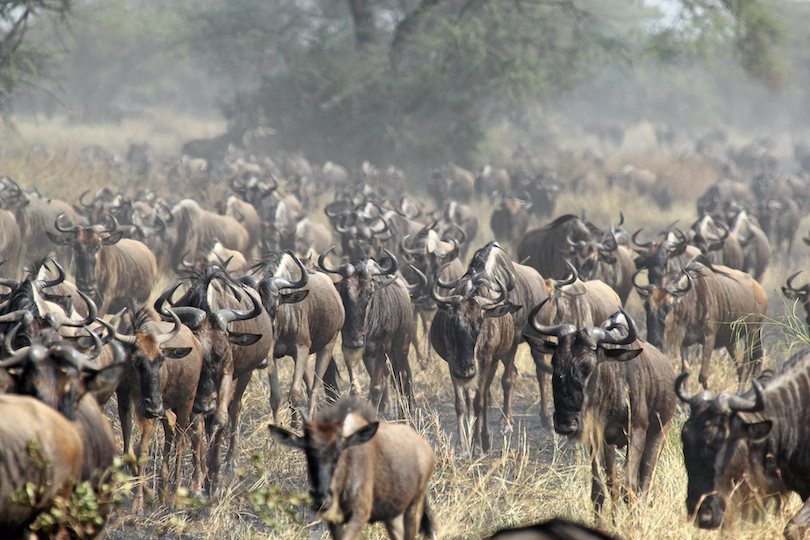
The Great Migration is one of the most awe-inspiring natural events on Earth. Millions of wildebeest, zebras, and other herbivores embark on a circular journey across the Serengeti and Masai Mara ecosystems in search of greener pastures. This epic migration is driven by rainfall patterns and the availability of grazing land. Witnessing this immense movement of animals is a truly unforgettable experience, showcasing the power and resilience of nature.
The Great Migration, a breathtaking spectacle of nature, is one of the most awe-inspiring events on Earth. Millions of wildebeest, accompanied by zebras, gazelles, and other herbivores, embark on a circular journey across the Serengeti and Masai Mara ecosystems, driven by the search for greener pastures and water. This epic migration is dictated by rainfall patterns, as the animals follow the nutritious grasses that sprout after seasonal rains. The journey is fraught with danger, as the migrating herds must navigate treacherous river crossings, avoid predators such as lions, cheetahs, and crocodiles, and endure the harsh conditions of the African plains. Witnessing the Great Migration is a truly unforgettable experience, a testament to the power and resilience of nature. The sheer scale of the movement, the constant motion, and the raw drama of survival create a spectacle that is unmatched anywhere else on Earth. The Great Migration is not just a visual phenomenon; it is a vital ecological process that shapes the entire savanna ecosystem. The grazing of the migrating herds helps to maintain the grasslands, preventing the encroachment of trees and shrubs, and providing habitat for other animals. The migration also supports a complex food web, with predators relying on the herbivores for sustenance and scavengers cleaning up the carcasses. By understanding the dynamics of the Great Migration, we can gain a deeper appreciation for the interconnectedness of life on the savanna and the importance of preserving this remarkable natural phenomenon.
Photography Tips for Capturing Savanna Wildlife
The African savanna offers unparalleled opportunities for wildlife photography. To capture stunning images of the "Savanna Superstars," consider the following tips: use a telephoto lens to get close to the action, shoot during the golden hours (early morning and late afternoon) for the best light, use a fast shutter speed to freeze motion, and be patient – wildlife photography requires time and persistence. Always respect the animals and their environment, maintaining a safe distance and avoiding any actions that could disturb them.
The African savanna is a photographer's paradise, offering unparalleled opportunities to capture stunning images of its diverse wildlife. To make the most of your photographic adventure, consider these helpful tips. Invest in a good telephoto lens, as it will allow you to get close to the action without disturbing the animals. Shoot during the golden hours, the period shortly after sunrise and before sunset, when the light is soft, warm, and creates a magical atmosphere. Use a fast shutter speed to freeze motion, especially when photographing fast-moving animals like cheetahs or birds in flight. Be patient, as wildlife photography requires time, persistence, and a keen eye for detail. Anticipate animal behavior, predict their movements, and be ready to capture those fleeting moments of action or interaction. Always respect the animals and their environment, maintaining a safe distance and avoiding any actions that could disturb them. Ethical wildlife photography is crucial, ensuring that your pursuit of stunning images does not harm the animals or their habitat. Finally, don't be afraid to experiment with different angles, compositions, and camera settings to create unique and compelling images. The African savanna is a canvas of endless possibilities, and with a little preparation and creativity, you can capture the beauty and drama of the "Savanna Superstars" in their natural habitat.
The Impact of Climate Change on Savanna Ecosystems
Climate change poses a significant threat to savanna ecosystems. Rising temperatures, altered rainfall patterns, and increased frequency of droughts can have devastating consequences for wildlife. Changes in vegetation patterns can reduce food availability for herbivores, leading to population declines. Increased human-wildlife conflict, as animals search for water and resources in human-dominated areas, is another concern. Addressing climate change and implementing sustainable land management practices are crucial for protecting savanna ecosystems and the "Savanna Superstars" that call them home.
Climate change is one of the most pressing threats facing savanna ecosystems worldwide. Rising temperatures, altered rainfall patterns, and increased frequency and intensity of droughts are already having significant impacts on savanna wildlife and their habitats. Changes in vegetation patterns, such as the encroachment of woody plants into grasslands, can reduce food availability for herbivores, leading to population declines and ecosystem imbalances. Increased human-wildlife conflict is another major concern, as animals are forced to search for water and resources in human-dominated areas due to drought and habitat loss. The loss of biodiversity, the disruption of ecological processes, and the increased vulnerability of local communities are just some of the consequences of climate change on savanna ecosystems. To mitigate these impacts, it is crucial to reduce greenhouse gas emissions, implement sustainable land management practices, and support conservation efforts that help savanna wildlife adapt to a changing climate. This includes protecting and restoring key habitats, promoting water conservation, and empowering local communities to manage their resources sustainably. The future of savanna ecosystems and the "Savanna Superstars" that call them home depends on our collective action to address climate change and build a more resilient and sustainable world. Ignoring this threat will have catastrophic consequences for the biodiversity and the livelihoods of millions of people who depend on these ecosystems.
Fun Facts About Savanna Animals
Did you know that a giraffe's spots are like fingerprints, unique to each individual? Or that a cheetah can accelerate from 0 to 60 miles per hour in just three seconds? The African savanna is full of fascinating facts and quirky behaviors. Male lions sleep up to 20 hours a day, while vultures have a bald head to keep clean when feeding on carcasses. Learning these fun facts adds another layer of appreciation for the incredible diversity and adaptability of savanna wildlife.
The African savanna is teeming with fascinating creatures, each with its own unique quirks and adaptations. Here are a few fun facts to spark your curiosity: Did you know that a giraffe's spots are as unique as human fingerprints? No two giraffes have the same pattern. Cheetahs, the world's fastest land animals, can accelerate from 0 to 60 miles per hour in just three seconds! Male lions, despite their reputation as fierce hunters, often spend up to 20 hours a day sleeping. Vultures, the unsung heroes of the savanna, have bald heads to keep them clean when feeding on carcasses. Zebras' stripes are not only visually striking but also help to confuse biting insects. Elephants communicate with each other using infrasound, low-frequency rumbles that can travel for miles. Hippos, despite their bulky appearance, can run surprisingly fast on land and are highly aggressive. Learning these fun facts adds another layer of appreciation for the incredible diversity and adaptability of savanna wildlife. Each animal has evolved unique strategies to survive and thrive in this challenging environment, showcasing the power of natural selection and the interconnectedness of life on the African plains. These facts also serve as a reminder of the importance of conservation efforts to protect these amazing animals and their habitats.
How to Support Savanna Conservation
There are many ways to contribute to the conservation of savanna ecosystems and protect the "Savanna Superstars." Support reputable conservation organizations that work on the ground to combat poaching, protect habitats, and promote community-based conservation. Reduce your carbon footprint by making sustainable choices in your daily life. Educate yourself and others about the importance of savanna conservation. Even small actions can make a big difference in safeguarding these precious ecosystems for future generations.
The future of the African savanna and its magnificent wildlife depends on our collective action. There are many ways to contribute to the conservation of these precious ecosystems and protect the "Savanna Superstars" for generations to come. Support reputable conservation organizations that work on the ground to combat poaching, protect habitats, and promote community-based conservation. These organizations often rely on donations and volunteers to carry out their vital work. Reduce your carbon footprint by making sustainable choices in your daily life, such as reducing energy consumption, using public transportation, and supporting eco-friendly products. Climate change is a major threat to savanna ecosystems, so reducing your impact on the environment is crucial. Educate yourself and others about the importance of savanna conservation, spreading awareness about the threats facing these ecosystems and the actions that can be taken to protect them. Even small actions, such as supporting sustainable tourism, avoiding products made from endangered species, and advocating for stronger conservation policies, can make a big difference. Community-based conservation is essential, empowering local communities to manage their resources sustainably and benefit from the presence of wildlife. By working together, we can ensure that the African savanna remains a vibrant and thriving ecosystem for the benefit of both wildlife and people.
What If the Savanna Disappeared?
Imagine a world without the African savanna. The loss of this vital ecosystem would have devastating consequences, not only for the wildlife that depends on it but also for the global environment. The savanna plays a crucial role in carbon sequestration, regulating water cycles, and supporting biodiversity. The disappearance of the savanna would lead to widespread habitat loss, species extinctions, and significant economic and social impacts. Protecting the savanna is not just about preserving iconic animals; it's about safeguarding the health of our planet.
The disappearance of the African savanna would have catastrophic consequences, not only for the wildlife that call it home but also for the global environment and human communities. The savanna plays a vital role in carbon sequestration, absorbing and storing large amounts of carbon dioxide from the atmosphere, helping to regulate the global climate. It also plays a crucial role in regulating water cycles, influencing rainfall patterns and providing water resources for millions of people. The loss of the savanna would lead to widespread habitat loss, species extinctions, and the disruption of ecological processes. The iconic animals that depend on the savanna, such as lions, elephants, giraffes, and zebras, would face imminent extinction, along with countless other species of plants and animals. The economic and social impacts would be devastating, particularly for the local communities that rely on the savanna for their livelihoods. The loss of grazing lands, water resources, and tourism opportunities would have profound consequences for their well-being. Protecting the savanna is not just about preserving iconic animals; it's about safeguarding the health of our planet, protecting biodiversity, and ensuring the livelihoods of millions of people. The consequences of inaction are too great to ignore. We must act now to conserve the savanna and ensure its continued existence for future generations.
Top 5 Savanna Superstars and Their Unique Adaptations
Here's a quick list of five remarkable savanna animals and their extraordinary adaptations: 1. Giraffe: Long neck for reaching high foliage.
2. Cheetah: Unmatched speed for hunting.
3. Zebra: Camouflage stripes for insect confusion.
4. Elephant: Versatile trunk for feeding and communication.
5. Lion: Cooperative hunting and social structure.
The African savanna is home to a remarkable array of animals, each with its own unique adaptations that allow it to thrive in this challenging environment. Here's a quick list of five "Savanna Superstars" and their extraordinary adaptations: 1. Giraffe: With its iconic long neck, the giraffe can reach high into the trees to browse on leaves that are inaccessible to other herbivores.
2. Cheetah: The fastest land animal, the cheetah possesses unmatched speed and agility, enabling it to chase down its prey.
3. Zebra: The zebra's distinctive stripes are not only visually striking but also help to confuse biting insects, providing a crucial defense against disease.
4. Elephant: The elephant's versatile trunk is used for a variety of purposes, including feeding, drinking, communication, and manipulating objects.
5. Lion: Living in prides, lions exhibit cooperative hunting and a complex social structure, allowing them to take down large prey and defend their territory. These adaptations are not merely random traits; they are the result of natural selection, where individuals with advantageous characteristics are more likely to survive and reproduce, passing those traits on to their offspring. Understanding these adaptations helps us appreciate the intricate web of life on the savanna and the resilience of its inhabitants. The "Savanna Superstars" are a testament to the power of evolution and the remarkable ability of animals to adapt to their environment. By studying these adaptations, we can gain a deeper understanding of the natural world and the importance of preserving biodiversity.
Question and Answer about Savanna Superstars: Wildlife of Africa’s Plains
Here are some frequently asked questions about the wildlife of Africa's plains, designed to deepen your understanding and appreciation for these incredible creatures.
Q: What is the biggest threat to savanna wildlife?
A: Habitat loss and poaching are the two biggest threats. As human populations grow, savanna ecosystems are being converted into farmland and settlements, reducing the available habitat for wildlife. Poaching for ivory, rhino horn, and bushmeat continues to decimate populations of iconic species.
Q:How can I help protect savanna animals?
A: Support reputable conservation organizations that work on the ground to protect habitats and combat poaching. Make sustainable choices in your daily life to reduce your carbon footprint. Educate yourself and others about the importance of savanna conservation. Consider visiting the savanna on a responsible tourism safari, which can generate income for local communities and support conservation efforts.
Q:What is the role of predators in the savanna ecosystem?
A: Predators play a crucial role in regulating prey populations, preventing overgrazing, and maintaining the overall health of the ecosystem. By keeping herbivore populations in check, predators help to maintain biodiversity and prevent the dominance of any one species.
Q:What makes the savanna unique compared to other ecosystems?
A: The savanna is characterized by its open grasslands with scattered trees, its distinct wet and dry seasons, and its high diversity of large herbivores and predators. The interplay between fire, grazing, and rainfall patterns shapes the structure and function of the savanna ecosystem, creating a unique and dynamic environment.
Conclusion of Savanna Superstars: Wildlife of Africa’s Plains
The African savanna is a treasure trove of biodiversity, home to some of the most iconic and fascinating creatures on Earth. By understanding their adaptations, behaviors, and the challenges they face, we can better appreciate the importance of conserving these "Savanna Superstars" and the ecosystems they inhabit. Let's work together to ensure that future generations can witness the magic of Africa's plains and the incredible wildlife that calls them home.
0 Response to "Savanna Superstars: Wildlife of Africa’s Plains"
Post a Comment