Legendary Racehorses in History
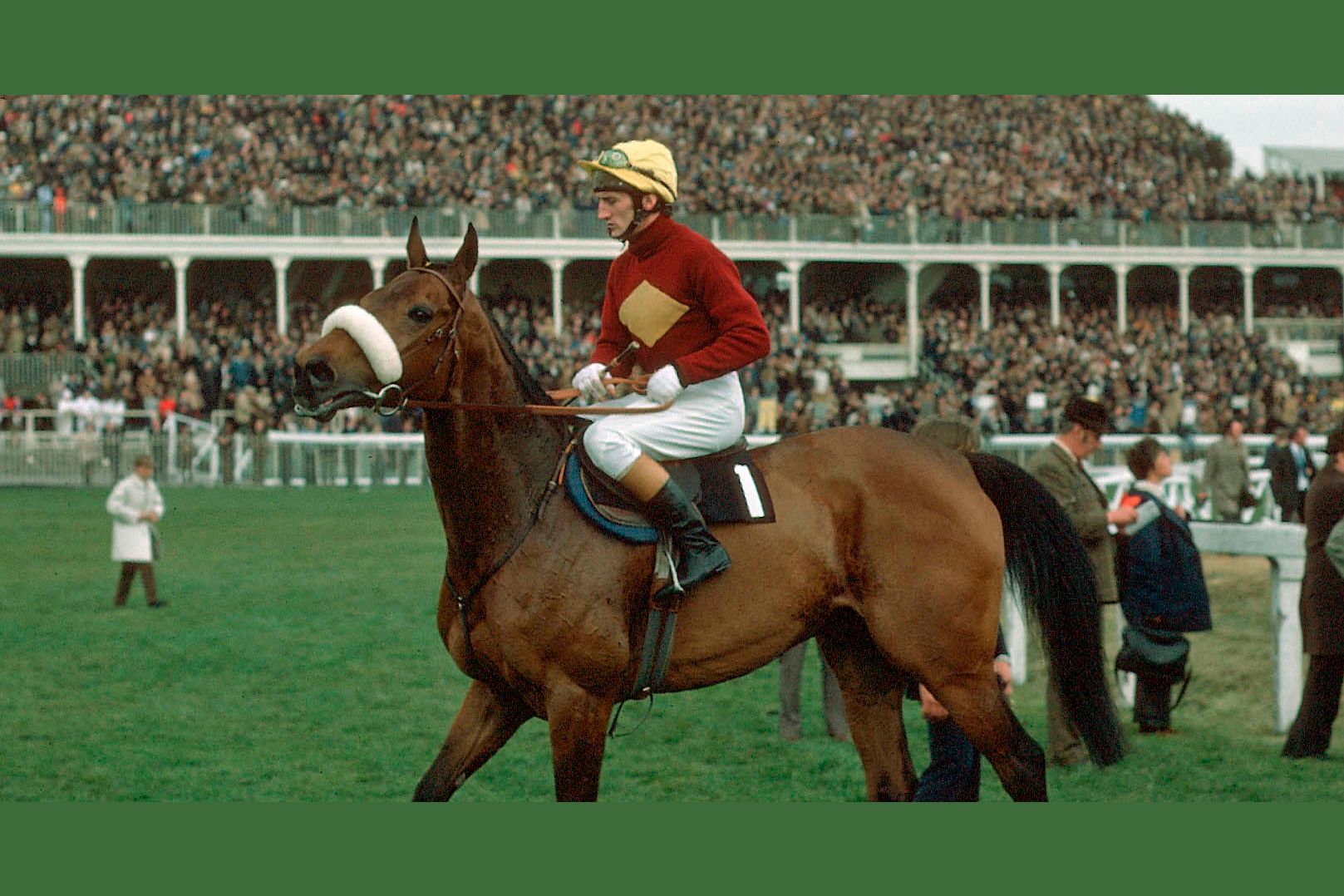
Imagine the thunder of hooves, the roar of the crowd, and the sheer power and grace of a magnificent animal as it surges toward the finish line. The world of horse racing is filled with moments of exhilarating drama and unforgettable champions, horses whose names are etched into the very fabric of sporting history. Who are these equine legends, and what makes them so special?
For many, the stories of these remarkable animals feel distant, lost in the mists of time or buried under layers of statistics and racing jargon. It can be difficult to truly connect with these horses and understand the impact they had on the sport and the public imagination. We yearn to know more about their personalities, their triumphs, and the challenges they overcame to achieve greatness.
This blog post aims to bridge that gap, bringing to life the stories of some of the most celebrated racehorses in history. We'll explore their origins, their careers, and the lasting legacies they left behind. We'll delve into the details that made them champions and uncover the human connections that fueled their success.
From the Triple Crown winners to the international stars, we'll examine the feats of speed, stamina, and sheer determination that define these legendary racehorses. We'll touch upon famous names like Man o' War, Secretariat, and Seabiscuit, exploring their individual characteristics and the eras they dominated. We'll also consider the trainers, jockeys, and owners who played crucial roles in shaping their careers. So get ready to journey through time and celebrate the incredible stories of these equine icons, horses who truly earned their place in racing folklore.
The Enduring Allure of Man o' War
I remember being a young kid, flipping through an old book about horse racing at my grandfather's house. The black and white photos were captivating, and one horse, in particular, stood out: Man o' War. His powerful build and intelligent eyes seemed to radiate an aura of invincibility. That initial fascination sparked a lifelong interest in the sport and its legendary figures. It wasn't just about the races; it was about the connection between humans and animals, the pursuit of excellence, and the stories of triumph against the odds.
Man o' War, often considered the greatest racehorse of all time, certainly embodies all of those qualities. Born in 1917, he quickly established himself as a force to be reckoned with, winning 20 of his 21 races. What's even more remarkable is the manner in which he won, often dominating his rivals with breathtaking speed and stamina. He was a true superstar, capturing the hearts of the nation during a time when horse racing held a central place in American sporting culture. His single defeat, a controversial loss to Upset, only added to his mystique. While he did not run in the Kentucky Derby, his impact on the sport is undeniable, setting records and inspiring generations of horsemen and racing fans. His dominance was so profound that he was essentially "retired" early, as owners were hesitant to race their horses against him. He became a celebrated sire, passing on his exceptional genes and influencing the breed for decades to come. Man o' War remains a potent symbol of equine excellence, a testament to the power, grace, and enduring appeal of the thoroughbred racehorse.
What Defines a Legendary Racehorse?
What elevates a racehorse from simply "good" to truly "legendary"? It's more than just a string of victories; it's a confluence of factors that capture the imagination and leave a lasting impact on the sport. A legendary racehorse possesses exceptional talent, demonstrated through consistent dominance in prestigious races. They possess an indefinable "it" factor, a charisma that draws crowds and generates excitement. Their achievements transcend mere statistics; they become ingrained in the collective memory, inspiring awe and admiration.
Consider factors like the quality of competition they faced, the records they broke, and the manner in which they achieved their victories. A horse that consistently defeats top-tier opponents, setting new track records along the way, is far more likely to achieve legendary status. Think about Seabiscuit, whose improbable rise to fame during the Great Depression resonated deeply with a nation struggling through hard times. His story of overcoming adversity and achieving underdog triumph captured the public's imagination, solidifying his place in racing history. Even the challenges and setbacks a horse faces can contribute to its legend. A horse that overcomes injuries or defeats to achieve greatness becomes an even more compelling figure. It is this unique combination of talent, achievement, and compelling narrative that separates a legendary racehorse from the merely successful.
History and Myth: The Stories We Tell
The stories of legendary racehorses are often interwoven with elements of history and myth. Over time, tales can become embellished, details altered, and narratives shaped to enhance the drama and create a more compelling legend. While factual accuracy is important, it's also crucial to recognize the power of storytelling in shaping our perception of these equine icons. These narratives serve as a way to connect with the past, to celebrate extraordinary achievements, and to transmit values like courage, perseverance, and sportsmanship.
Take the story of Secretariat, for example. While his record-breaking performance in the 1973 Belmont Stakes is undeniably a fact, the legend surrounding his Triple Crown victory has grown over time. The sheer magnitude of his victory, the visual spectacle of his powerful stride, and the emotional impact of his achievement have all contributed to the myth-making process. Similarly, the story of Phar Lap, the New Zealand champion who mysteriously died in Australia, is shrouded in intrigue and speculation. The circumstances surrounding his death have fueled numerous theories, adding an element of mystery to his already legendary status. Even the simple act of naming a horse can contribute to its legend. A name like "Man o' War" evokes images of strength, courage, and dominance, setting the stage for a narrative of exceptional achievement. It is through these stories, both factual and embellished, that we keep the memory of these legendary racehorses alive, ensuring that their achievements continue to inspire future generations.
The Hidden Secrets of Training Champions
While a horse's inherent talent is undoubtedly crucial, the role of trainers in shaping legendary racehorses should not be underestimated. These skilled horsemen possess an intimate knowledge of equine physiology, psychology, and training techniques, allowing them to unlock the full potential of their equine charges. They develop customized training regimens, carefully managing workloads, nutrition, and rest to optimize performance. They also play a critical role in identifying and addressing any physical or mental challenges the horse may face.
Beyond the technical aspects of training, a trainer's ability to connect with a horse on a deeper level is also essential. Building trust, understanding the horse's individual temperament, and adapting training methods accordingly are all key to success. The best trainers are not just instructors; they are caretakers, confidantes, and partners in the pursuit of excellence. Consider the relationship between trainer Lucien Laurin and Secretariat. Laurin's meticulous attention to detail, his ability to recognize and nurture Secretariat's exceptional talent, and his unwavering belief in the horse's potential all contributed to the Triple Crown victory. Similarly, the legendary trainer Charlie Whittingham's ability to keep older horses competitive, managing their workloads and maintaining their soundness, was a key factor in the success of many of his champions. The hidden secret of training champions lies in the combination of scientific knowledge, horsemanship skills, and a deep understanding of the individual horse.
Recommendations for Exploring Racing History
For those eager to delve deeper into the world of legendary racehorses, there are numerous resources available to satisfy your curiosity. Start by exploring the websites of prominent racing organizations, such as the National Museum of Racing and Hall of Fame, which offer a wealth of information on past champions, historical races, and significant moments in racing history.
Look for biographies and documentaries that tell the stories of individual horses in detail. Books like "Seabiscuit: An American Legend" by Laura Hillenbrand and "Secretariat" by William Nack offer captivating narratives that bring these equine icons to life. Documentaries like the "Secretariat" ESPN 30 for 30 film provide visual insights into their careers and the impact they had on the sport. Don't overlook the power of film and television to transport you back in time and immerse you in the world of horse racing. Films like "National Velvet" and "The Black Stallion" may be fictional, but they capture the spirit of the sport and the bond between humans and horses. Consider attending races and visiting horse farms to experience the thrill of live racing and learn more about the care and training of these magnificent animals. By exploring these various resources, you can gain a deeper appreciation for the rich history and enduring appeal of legendary racehorses.
The Importance of Pedigree
Pedigree plays a crucial role in the world of horse racing, influencing everything from a horse's potential for speed and stamina to its overall health and temperament. A horse's pedigree is essentially its family tree, tracing its lineage back through generations of successful racehorses. Breeders carefully study pedigrees, seeking to identify desirable traits and characteristics that are likely to be passed down to offspring. A strong pedigree can significantly increase a horse's value and its chances of success on the track.
Horses with proven bloodlines, descending from legendary sires and dams, are often highly sought after by owners and trainers. The presence of successful racehorses in a pedigree suggests that the horse has inherited the genetic potential for speed, stamina, and athleticism. However, pedigree is not the only factor that determines a horse's success. Training, nutrition, and overall care also play crucial roles. Some horses with less impressive pedigrees have defied expectations and achieved greatness, demonstrating that inherent talent and determination can overcome perceived limitations. However, a strong pedigree provides a solid foundation for success, increasing the likelihood that a horse will possess the qualities necessary to compete at the highest level. The study of pedigrees is a complex and fascinating aspect of horse racing, requiring a deep understanding of genetics, breeding principles, and the history of the thoroughbred breed.
Tips for Understanding Racing Form
Understanding racing form is essential for anyone who wants to make informed decisions about which horses to bet on, but it can also provide valuable insights into the performance history and potential of legendary racehorses. Racing form is a compilation of data that summarizes a horse's past performances, including its race results, speed figures, running styles, and other relevant information. By carefully analyzing racing form, you can gain a better understanding of a horse's strengths and weaknesses, its preferred track conditions, and its overall consistency.
Start by focusing on the horse's recent race results, paying attention to its finishing position, the distance of the race, and the competition it faced. Look for patterns in its performance, such as whether it tends to perform better on certain types of tracks or at certain distances. Speed figures, which are numerical ratings that measure a horse's speed in a particular race, can be a valuable tool for comparing the relative performance of different horses. However, it's important to remember that speed figures are just one piece of the puzzle, and they should be considered in conjunction with other factors, such as the horse's running style and its past performance history. Understanding racing form takes time and practice, but it can significantly enhance your enjoyment of the sport and provide a deeper appreciation for the achievements of legendary racehorses.
The Influence of Jockeys
Jockeys play a vital role in the success of any racehorse, and their skill, experience, and understanding of equine behavior can significantly impact the outcome of a race. A good jockey can make a strategic difference, knowing how to rate a horse's speed, position it effectively during the race, and make timely decisions in the final stretch. They must possess the physical strength and stamina to control a powerful animal traveling at high speeds, and they must also have the mental acuity to assess the race situation and make split-second decisions.
Many legendary racehorses have been associated with equally legendary jockeys, forming partnerships that have become iconic in racing history. Consider the relationship between jockey Ron Turcotte and Secretariat. Turcotte's confidence in Secretariat's ability, his understanding of the horse's running style, and his masterful ride in the 1973 Belmont Stakes all contributed to the Triple Crown victory. Similarly, the legendary jockey Eddie Arcaro was known for his tactical brilliance and his ability to get the most out of his mounts. Arcaro rode numerous champions throughout his career, including Whirlaway and Citation, earning a reputation as one of the greatest jockeys of all time. The influence of jockeys extends beyond the racetrack. They often serve as ambassadors for the sport, promoting horse racing and inspiring future generations of riders. Their skill, courage, and dedication make them an integral part of the world of legendary racehorses.
Fun Facts About Racing Legends
Beyond their impressive racing records, legendary racehorses often have intriguing and sometimes surprising stories associated with them. These fun facts add another layer of interest to their already compelling narratives, making them even more memorable and endearing. For example, did you know that Seabiscuit, the underdog champion of the Great Depression, had a best friend, a swayback horse named Pumpkin? Pumpkin served as Seabiscuit's companion and helped to calm his nerves before races. It's little anecdotes like these that humanize these equine athletes and make them more relatable to fans.
Another fun fact: Man o' War was so dominant that many tracks refused to let him run, or required other owners to pay high fees to enter their horse, essentially handing him victories. It was easier for them to keep the inevitable payouts for Man o' War's win. Secretariat, on the other hand, was the first Triple Crown winner in 25 years, breaking the drought of Triple Crown champions and igniting a frenzy of excitement across the nation. His record-breaking performances in all three Triple Crown races still stand today. Phar Lap, the New Zealand champion who tragically died in Australia, was so beloved that his heart was found to be abnormally large after he passed, further adding to his lore and legend. These fun facts, while seemingly trivial, contribute to the overall mystique surrounding these legendary racehorses, reinforcing their place in racing history and popular culture. They serve as reminders that these were not just athletic machines; they were individuals with unique personalities and stories to tell.
How to Research Your Favorite Horse
Want to know more about your favorite legendary racehorse? The internet provides a vast trove of information, but navigating it effectively is key. Start with reputable sources like the National Museum of Racing and Hall of Fame website or the Equibase database. These sites offer accurate statistics, historical race results, and biographical information.
Be wary of biased or unsubstantiated claims on less reliable websites. Cross-reference information from multiple sources to ensure accuracy. Look for articles and books written by reputable racing journalists and historians. These sources often provide deeper insights and more nuanced perspectives on the lives and careers of legendary racehorses. Utilize online archives of newspapers and magazines to access original reports and eyewitness accounts from the time period when the horse was racing. Consider joining online forums and communities dedicated to horse racing, where you can connect with other fans and share information and insights. By using a combination of reliable online resources, scholarly research, and community engagement, you can gain a comprehensive understanding of your favorite legendary racehorse and its place in racing history. Remember to always critically evaluate the information you find and to approach your research with a spirit of curiosity and open-mindedness.
What If… They Raced Today?
It's a classic hypothetical question: how would legendary racehorses of the past fare against today's top competitors? It's impossible to answer definitively, as racing conditions, training methods, and even the breed itself have evolved over time. However, it's a fun thought experiment that allows us to appreciate the unique challenges and advantages of each era. Consider the impact of modern training techniques, which emphasize specialized diets, advanced veterinary care, and sophisticated exercise regimens. Would these advancements have further enhanced the abilities of horses like Man o' War or Secretariat? On the other hand, would the more demanding race schedules of today, with frequent races and long travel distances, have taken a toll on horses accustomed to a less rigorous calendar?
The quality of competition is another important factor to consider. While it's difficult to compare horses across generations, it's generally accepted that the depth of talent in horse racing has increased over time. This means that legendary racehorses of the past would likely face a more challenging field of competitors today. The hypothetical scenario also raises questions about track conditions and racing surfaces. Would horses like Seabiscuit, who thrived on dirt tracks, be as successful on the synthetic surfaces that are now common at many racetracks? Ultimately, the question of how legendary racehorses would fare today is a matter of speculation and conjecture. However, it's a thought-provoking exercise that allows us to reflect on the evolution of the sport and to appreciate the enduring legacy of these equine icons.
Top 5 Legendary Racehorses of All Time
Creating a definitive list of the "top 5" legendary racehorses is a subjective exercise, as different people will have different criteria and preferences. However, based on a combination of factors such as race record, impact on the sport, and overall historical significance, here's a list of five horses that are consistently ranked among the greatest of all time:
- Man o' War: As discussed earlier, Man o' War's dominance was unparalleled, winning 20 of his 21 races and setting numerous records.
- Secretariat: His record-breaking Triple Crown victory in 1973 remains one of the most iconic moments in racing history.
- Seabiscuit: His improbable rise to fame during the Great Depression captured the hearts of the nation and made him a symbol of hope and resilience.
- Citation: He was the first horse to earn over $1 million and won 16 consecutive races, demonstrating remarkable consistency and versatility.
- Phar Lap: The New Zealand champion was a dominant force in Australian racing and remains a national icon.
This list is by no means exhaustive, and there are many other deserving candidates, such as Kelso, Native Dancer, and Ruffian. The beauty of horse racing is that every generation produces new champions and new stories to tell. The debate over which horses are the "greatest of all time" will likely continue for years to come, but these five equine legends have undoubtedly earned their place in the pantheon of racing immortals.
Question and Answer
Here are some frequently asked questions about legendary racehorses:
Q: What is the Triple Crown?
A: The Triple Crown is a series of three prestigious horse races held annually in the United States: the Kentucky Derby, the Preakness Stakes, and the Belmont Stakes. Winning all three races is considered one of the most difficult achievements in horse racing.
Q: What is a speed figure?
A: A speed figure is a numerical rating that measures a horse's speed in a particular race. It takes into account the distance of the race, the track conditions, and the time it took the horse to complete the race. Speed figures can be used to compare the relative performance of different horses.
Q: Why are some racehorses called "champions"?
A: A champion racehorse is a horse that has consistently performed at the highest level of competition, winning major races and demonstrating exceptional talent and athleticism. Champions are often recognized with awards and honors.
Q: How do I learn more about horse racing?
A: There are many resources available to learn more about horse racing, including websites, books, documentaries, and racing organizations. Attending races and visiting horse farms are also great ways to experience the sport firsthand.
Conclusion of Legendary Racehorses in History
The stories of legendary racehorses are more than just tales of speed and athleticism; they are narratives of courage, resilience, and the enduring bond between humans and animals. These equine icons have captivated audiences for generations, inspiring awe and admiration with their remarkable achievements. Their legacies continue to shape the sport of horse racing, reminding us of the power, grace, and sheer beauty of the thoroughbred racehorse. By exploring their histories, understanding their training, and appreciating their unique personalities, we can gain a deeper appreciation for the rich tapestry of horse racing and the enduring appeal of these legendary champions.
0 Response to "Legendary Racehorses in History"
Post a Comment