Fireflies and Their Bioluminescent Signals
Have you ever been captivated by the magical dance of fireflies on a warm summer night? Those tiny beacons of light, blinking in a mesmerizing rhythm, hold a secret language we're only beginning to understand. Join me as we delve into the fascinating world of fireflies and their bioluminescent signals.
Sometimes, it feels like those enchanting light displays are becoming less and less frequent. We yearn to see them, to experience that childhood wonder again, but our busy lives and changing environments often make it difficult. It's a loss we all feel, a disconnect from the natural world we desperately want to reclaim.
This blog post aims to illuminate the science behind firefly bioluminescence, explore the various purposes of their flashing signals, and discuss the environmental challenges these creatures face. We'll unravel the mysteries of their light language and discover how we can help protect these magical insects for future generations.
We've journeyed into the enchanting realm of fireflies, uncovering the secrets behind their captivating light displays. From the chemical reactions that power their bioluminescence to the intricate communication encoded in their flashes, fireflies are truly remarkable creatures. We've also touched on the importance of habitat preservation and conservation efforts to ensure their continued survival. Key words to consider are: bioluminescence, firefly communication, light signals, mating rituals, habitat loss, and conservation.
A Personal Encounter with Bioluminescence
I remember a camping trip I took as a child, deep in the Appalachian Mountains. As dusk settled, the forest floor transformed into a living galaxy. Hundreds, maybe thousands, of fireflies emerged, their tiny lights painting ephemeral patterns in the darkness. It was breathtaking. I spent hours simply watching, mesmerized by their silent symphony. It wasn't just the visual spectacle; it was the feeling of connection to something ancient and magical. That experience ignited a lifelong fascination with these insects. Now, understanding the science behind their bioluminescence only deepens that appreciation. The process involves a chemical reaction between luciferin, luciferase, oxygen, ATP, and magnesium ions. Luciferase acts as a catalyst, speeding up the oxidation of luciferin, which then emits light. Different species of fireflies use different variations of luciferin and luciferase, resulting in variations in the color of light produced, from yellow-green to orange. This bioluminescent communication is essential for their survival, allowing them to find mates and reproduce. Understanding this complex process makes those childhood memories even more precious and reinforces the need to protect these fascinating creatures and their habitats.
Understanding Bioluminescence: The Science Behind the Light
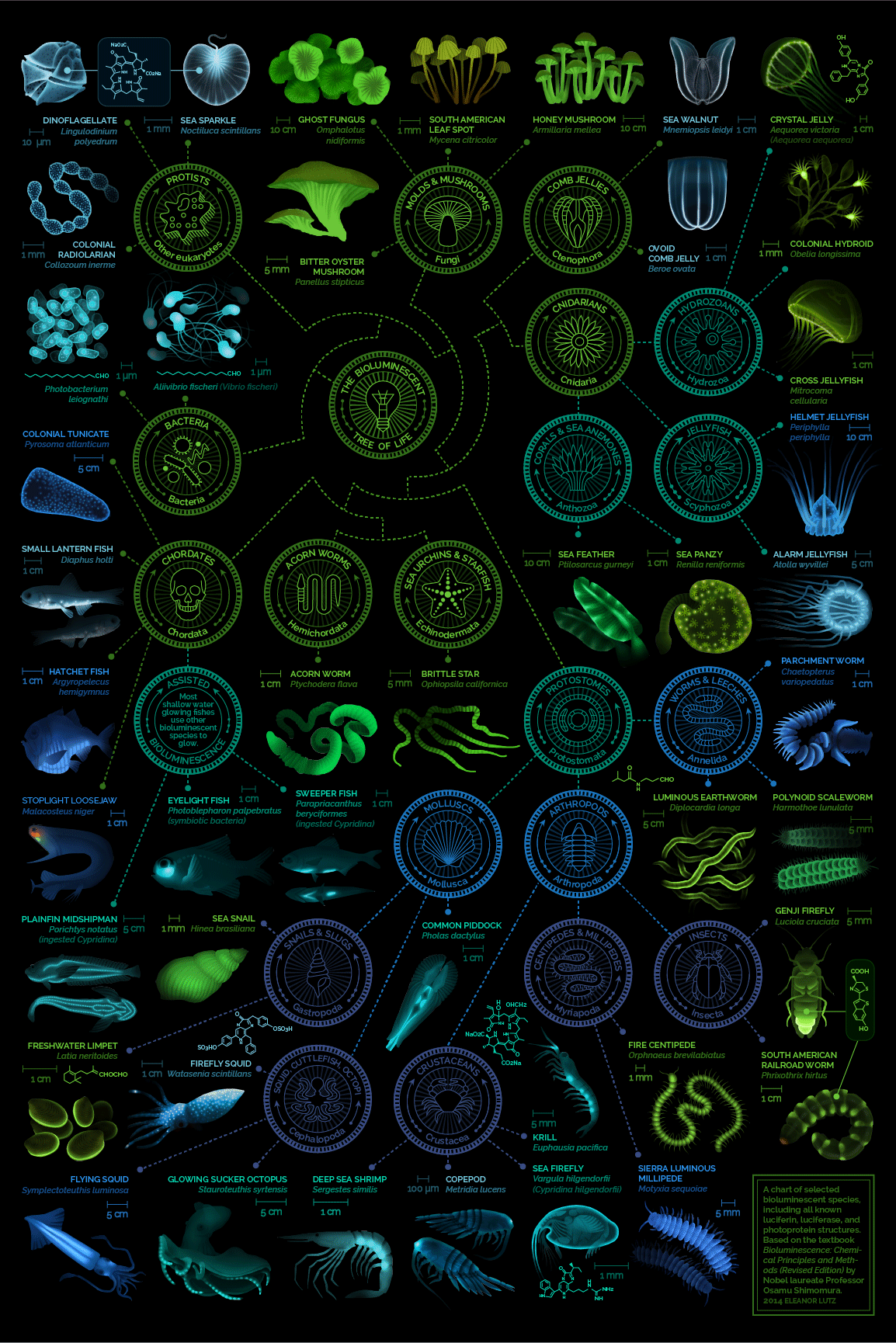
Bioluminescence, quite simply, is the production and emission of light by a living organism. It's a fascinating phenomenon found in a wide variety of creatures, from deep-sea fish to fungi, but it's perhaps best known and most appreciated in fireflies. The magic stems from a chemical reaction that takes place within specialized cells called photocytes, located in the firefly's abdomen. This reaction involves several key players: luciferin (a light-producing compound), luciferase (an enzyme that catalyzes the reaction), oxygen, ATP (adenosine triphosphate, the energy currency of cells), and magnesium ions. Luciferase speeds up the oxidation of luciferin, a process that releases energy in the form of light. The specific chemical structure of luciferin and luciferase can vary among different species of fireflies, leading to subtle variations in the color of light produced, ranging from yellow-green to orange. The efficiency of this light production is remarkable; almost 100% of the energy is converted into light, with very little heat produced. This "cold light" is what allows fireflies to flash without overheating. The precise control over this chemical reaction also enables fireflies to modulate the intensity, duration, and pattern of their flashes, creating a complex language that they use for various purposes, most notably to attract mates.
History, Myth, and the Firefly
Fireflies have captivated human imagination for centuries, appearing in folklore, art, and literature across cultures. In Japan, they are often seen as symbols of souls, particularly those of fallen warriors. There's a beautiful, yet poignant, tradition of releasing fireflies during memorial services. In some European folklore, fireflies were associated with fairies and other magical creatures, believed to guide travelers through the woods. Even in modern literature, fireflies often represent hope, guidance, and the fleeting beauty of life. These myths and legends reflect our deep connection to these insects and the sense of wonder they inspire. Scientifically, the first serious studies of firefly bioluminescence began in the 19th century, with researchers trying to isolate and understand the chemical components responsible for the light production. It wasn't until the mid-20th century that the key players – luciferin and luciferase – were fully identified and characterized. This discovery opened up new avenues for research, leading to the use of luciferase in various biomedical applications, from gene expression studies to drug screening. So, from ancient myths to cutting-edge science, fireflies continue to illuminate our world in more ways than one.
Unveiling the Hidden Secrets of Firefly Communication
While we often associate firefly bioluminescence with attracting mates, the reality is far more nuanced. The flashing patterns are a complex language, varying significantly between species. Males typically fly and flash a species-specific signal, while females, perched in vegetation, respond with a corresponding flash. The timing, duration, and color of these flashes are crucial for successful courtship. However, the story doesn't end there. Some fireflies, particularly in the genus Photuris, are known for their aggressive mimicry. These "femme fatale" fireflies imitate the flash patterns of other species' females, luring in unsuspecting males, only to devour them. This predatory behavior adds a dark twist to the seemingly romantic dance of fireflies. Furthermore, research suggests that firefly larvae also use bioluminescence, possibly as a warning signal to predators or to attract prey. Even the eggs of some species are bioluminescent! The world of firefly communication is a complex and fascinating one, filled with intricate signals, deception, and survival strategies. Understanding these hidden secrets allows us to appreciate the true complexity of these seemingly simple creatures.
Recommendations for Firefly Enthusiasts
If you're captivated by fireflies and want to learn more and help protect them, there are several things you can do. Start by creating a firefly-friendly habitat in your own backyard. Reduce or eliminate pesticide use, as these chemicals can be harmful to fireflies and other beneficial insects. Turn off outdoor lights at night, as light pollution can interfere with their mating signals. Plant native trees and shrubs to provide shelter and food for fireflies and their larvae. Get involved with citizen science projects, such as the Firefly Watch program, which allows you to contribute data on firefly populations in your area. Support organizations that are working to conserve firefly habitats and promote responsible land management practices. Educate yourself and others about the importance of firefly conservation. Share your love of fireflies with friends and family, and encourage them to take action. By working together, we can help ensure that these magical creatures continue to light up our nights for generations to come. Remember, even small actions can make a big difference in protecting these fascinating insects and their fragile ecosystems.
Understanding Firefly Habitats and Conservation
Fireflies thrive in a variety of habitats, from meadows and forests to wetlands and even urban gardens. However, many of these habitats are under threat from development, agriculture, and pollution. Habitat loss is one of the biggest challenges facing firefly populations worldwide. As forests are cleared and wetlands are drained, fireflies lose the places they need to live and reproduce. Pesticide use is another major threat, as many insecticides are toxic to fireflies and other beneficial insects. Light pollution also plays a significant role, as artificial light at night can disrupt firefly mating signals and reduce their ability to find mates. Climate change is also likely to have an impact on firefly populations, as changing temperatures and rainfall patterns can alter their habitats and affect their life cycles. Conservation efforts are crucial to protect fireflies and their habitats. This includes preserving and restoring natural habitats, reducing pesticide use, minimizing light pollution, and addressing climate change. By working together, we can help ensure that fireflies continue to thrive in our world.
Practical Tips for Observing Fireflies Responsibly
If you're lucky enough to encounter fireflies in their natural habitat, it's important to observe them responsibly and minimize your impact. Avoid using flashlights or other bright lights, as these can disrupt their mating signals. If you must use a light, use a red-filtered flashlight, as red light is less disruptive to fireflies. Don't try to catch fireflies, as handling them can damage their delicate bodies. Respect their habitat by staying on designated trails and avoiding trampling vegetation. Be mindful of noise levels, as loud sounds can also disrupt their behavior. Educate others about the importance of firefly conservation and encourage them to follow these same guidelines. By observing fireflies responsibly, you can help ensure that they continue to thrive in their natural environment. Remember, these creatures are a precious part of our natural heritage, and it's our responsibility to protect them.
Creating a Firefly-Friendly Garden
You can create a haven for fireflies right in your own backyard by following a few simple steps. First, reduce or eliminate pesticide use. Instead of relying on harmful chemicals, try using natural pest control methods, such as attracting beneficial insects and using organic gardening techniques. Second, turn off outdoor lights at night. Fireflies rely on their bioluminescent signals to attract mates, and artificial light can interfere with this process. If you must use outdoor lights, use motion-sensor lights or shielded lights that direct light downwards. Third, plant native trees and shrubs to provide shelter and food for fireflies and their larvae. Native plants are adapted to your local climate and soil conditions, and they provide a valuable food source for a variety of insects. Fourth, provide a source of water, such as a bird bath or a small pond. Fireflies need water to survive, and a water source can also attract other beneficial insects to your garden. By creating a firefly-friendly garden, you can help support these magical creatures and enjoy their enchanting light displays right in your own backyard. It's a rewarding way to connect with nature and contribute to conservation efforts.
Fun Facts About Fireflies
Did you know that fireflies aren't actually flies? They're beetles! And while we often think of them flashing, some species don't light up at all. In these species, communication relies on pheromones, chemical signals released into the air. Firefly larvae, also known as glowworms, are often predatory, feeding on snails, slugs, and other small invertebrates. They inject their prey with digestive enzymes, turning them into a pre-digested soup that they can then consume. Fireflies are found on every continent except Antarctica, with the greatest diversity in tropical regions. The lifespan of a firefly varies depending on the species, but most adults only live for a few weeks, their sole purpose being to reproduce. The light produced by fireflies is one of the most efficient forms of light known, converting almost 100% of the energy into light with very little heat. These are just a few of the many fascinating facts about fireflies. These creatures are full of surprises, and there's always something new to discover about them.
How to Photograph Fireflies Effectively
Photographing fireflies can be a challenging but rewarding experience. The key is to use the right equipment and techniques. A DSLR or mirrorless camera with manual controls is essential. You'll also need a fast lens (with a wide aperture, such as f/2.8 or wider) to capture as much light as possible. A tripod is crucial to keep your camera steady during long exposures. Set your camera to manual mode and experiment with different settings. Start with a low ISO (such as 200 or 400) to minimize noise, a wide aperture (such as f/2.8), and a long shutter speed (such as 10-30 seconds). Focus manually on a point in the area where the fireflies are flashing. Use a remote shutter release or your camera's self-timer to avoid camera shake. Be patient and take lots of photos. It may take some trial and error to get the perfect shot. Remember to be respectful of the fireflies' habitat and avoid using flash, as this can disrupt their behavior. With practice and persistence, you can capture stunning images of these magical creatures.
What if Fireflies Disappeared?
The disappearance of fireflies would have significant ecological consequences. Fireflies play an important role in their ecosystems, both as predators and as prey. As larvae, they help control populations of snails, slugs, and other invertebrates. As adults, they provide food for birds, bats, and other animals. The loss of fireflies could disrupt these food webs and have cascading effects on other species. Furthermore, the disappearance of fireflies would mean the loss of their unique bioluminescence, which is a source of wonder and inspiration for people of all ages. The twinkling lights of fireflies on a summer night are a reminder of the beauty and magic of the natural world. Their disappearance would be a loss for our planet and for future generations. Therefore, it is crucial that we take action to protect fireflies and their habitats.
Listicle: 5 Ways to Help Fireflies Thrive
1.Reduce or eliminate pesticide use: Pesticides can be harmful to fireflies and other beneficial insects. Opt for natural pest control methods instead.
2.Turn off outdoor lights at night: Light pollution can disrupt firefly mating signals. Use motion-sensor lights or shielded lights that direct light downwards.
3.Plant native trees and shrubs: Native plants provide shelter and food for fireflies and their larvae.
4.Provide a source of water: Fireflies need water to survive. A bird bath or a small pond can provide a valuable water source.
5.Get involved with citizen science: Contribute data on firefly populations in your area by participating in citizen science projects. By following these simple steps, you can help fireflies thrive in your community.
Question and Answer
Q: What causes fireflies to light up?
A: Fireflies light up due to a chemical reaction called bioluminescence, which involves luciferin, luciferase, oxygen, ATP, and magnesium ions.
Q: What is the purpose of firefly bioluminescence?
A: The primary purpose is to attract mates, but it can also be used for defense or to attract prey.
Q: Are fireflies endangered?
A: Some species of fireflies are facing threats due to habitat loss, pesticide use, and light pollution.
Q: How can I help protect fireflies?
A: You can help by reducing pesticide use, turning off outdoor lights, planting native trees and shrubs, and supporting conservation organizations.
Conclusion of Fireflies and Their Bioluminescent Signals
Fireflies, with their enchanting bioluminescence, are more than just a pretty sight. They are integral parts of our ecosystems, playing crucial roles in food webs and providing invaluable ecological services. Understanding the science behind their light signals, the challenges they face, and the actions we can take to protect them is essential for ensuring their survival. Let's all do our part to safeguard these magical creatures and preserve the wonder of their flashing lights for generations to come.
0 Response to "Fireflies and Their Bioluminescent Signals"
Post a Comment