Famous Animals in Literature
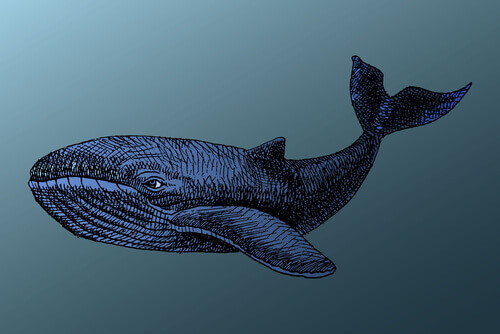
From the loyal Lassie to the cunning Fantastic Mr. Fox, animals have captured our imaginations and hearts within the pages of countless books. They serve as symbols, companions, and even narrators, adding layers of depth and meaning to the stories we cherish. But what makes certain literary animals so memorable, so enduring?
We often connect with these characters on a deeply personal level. The yearning for companionship, the struggles for survival, the exploration of morality – all become heightened when experienced through the eyes (or paws!) of an animal. Yet, sometimes it feels like wading through a jungle of literature to find the truly remarkable examples, the ones that leave a lasting paw print on our souls.
This exploration aims to celebrate the famous animals in literature, delving into their significance, their impact, and the reasons why they continue to resonate with readers across generations. We'll look at specific examples, analyze their roles, and consider the broader themes they represent, all in an effort to understand the enduring power of animal characters in storytelling.
Throughout this article, we'll explore a range of literary animals, from those embodying unwavering loyalty to those representing wild, untamed spirits. We'll consider how these creatures shape narratives, reflect human values (and flaws), and ultimately enrich our understanding of ourselves and the world around us. Key themes will include animal symbolism, anthropomorphism, and the enduring appeal of animal protagonists in fiction.
Animal Companions: A Reflection of Ourselves
I remember reading "Old Yeller" as a child and being absolutely devastated. The bond between Travis and his dog, Old Yeller, was so real, so palpable, that the ending felt like a personal loss. It wasn't just a story about a boy and his dog; it was a story about loyalty, sacrifice, and the harsh realities of life on the frontier. That experience cemented my understanding of how profoundly animals can impact a narrative, acting as both a mirror and a magnifying glass for human emotions. Literary animal companions often serve as extensions of their human counterparts, embodying qualities like loyalty, courage, and unconditional love. They can also highlight our own flaws and shortcomings, forcing us to confront aspects of ourselves we might otherwise ignore. Think of Toto in "The Wonderful Wizard of Oz," whose bravery and curiosity ultimately help Dorothy on her journey. Or consider Buck in "The Call of the Wild," who embodies the primal instincts and the yearning for freedom that often lie dormant within us. These animals are not simply pets; they are integral characters who shape the narrative and deepen our understanding of the human experience. The best animal companions in literature possess a depth and complexity that transcends mere anthropomorphism. They are characters in their own right, with their own motivations and desires, even as they remain deeply connected to their human companions.
Animal Symbolism: Deeper Meanings Beneath the Fur
Animals have long been used as symbols in literature, representing abstract concepts and complex emotions. The fox, for instance, is often associated with cunning and intelligence, while the lion embodies courage and strength. But the symbolism of animals can be far more nuanced and layered, depending on the context of the story. Consider the white whale in "Moby Dick," which represents not only the vastness and power of nature but also the destructive obsession that consumes Captain Ahab. Or think of the mockingbird in "To Kill a Mockingbird," a symbol of innocence and vulnerability that is unjustly harmed by the prejudices of society. The use of animal symbolism allows authors to explore complex themes and ideas in a subtle and evocative way. By imbuing animals with symbolic meaning, they can create a deeper connection with the reader, inviting them to interpret the story on multiple levels. The power of animal symbolism lies in its ability to transcend the literal and tap into our shared cultural understanding of these creatures. Whether it's the serpent representing temptation, the dove symbolizing peace, or the raven foreshadowing doom, animals continue to enrich and deepen the narratives we encounter in literature.
The History and Myth of Literary Animals
The tradition of featuring animals in literature dates back to ancient times, with mythological creatures and talking animals playing prominent roles in fables, myths, and folklore. From Aesop's fables, featuring animals with human-like qualities imparting moral lessons, to the epic tales of creatures like dragons and unicorns, animals have always held a special place in our collective imagination. These early representations often reflected the societal beliefs and values of the time, with animals serving as symbols of power, wisdom, or even evil. As literature evolved, so did the portrayal of animals. In the works of Shakespeare, animals are often used to symbolize human traits or to foreshadow events. In more modern literature, authors have explored the inner lives of animals, giving them voices and perspectives that challenge our anthropocentric worldview. The history of literary animals is a rich and varied one, reflecting our changing relationship with the natural world and our evolving understanding of what it means to be human. By examining the historical and mythological roots of animal characters, we can gain a deeper appreciation for their enduring power and their ability to connect us to something larger than ourselves.
Unveiling Hidden Secrets: Animal Narrators
A particularly intriguing facet of animal representation in literature is the use of animal narrators. This technique allows authors to provide a unique perspective on the human world, often exposing its absurdities and contradictions. Imagine seeing the world through the eyes of a cat, a dog, or even a horse – what would they notice? What would they find puzzling or amusing? Animal narrators can offer a fresh and insightful commentary on human behavior, challenging our assumptions and forcing us to see ourselves in a new light. Consider "The Art of Racing in the Rain," narrated by a dog named Enzo, who observes and interprets the lives of his human family with remarkable insight. Or think of "Watership Down," where the rabbits' perspective on survival and community offers a powerful allegory for human society. The secret to a successful animal narrator lies in striking a balance between animalistic authenticity and human-like understanding. The narrator must retain their animal instincts and limitations while also possessing the ability to articulate their thoughts and feelings in a way that resonates with human readers. When done well, the animal narrator can provide a truly transformative reading experience, revealing hidden truths about ourselves and the world around us.
Animal Recommendations: Must-Read Literary Creatures
If you're eager to explore the world of literary animals, here are a few recommendations to get you started: "Black Beauty" by Anna Sewell, a classic tale told from the perspective of a horse, offering a powerful critique of animal cruelty. "Charlotte's Web" by E.B. White, a heartwarming story about friendship and sacrifice, featuring a wise and compassionate spider. "Life of Pi" by Yann Martel, a surreal and thought-provoking novel about survival and faith, featuring a boy and a tiger adrift at sea. "Animal Farm" by George Orwell, a satirical allegory of totalitarianism, where farm animals overthrow their human oppressors only to create a new form of tyranny. These are just a few examples of the many remarkable books that feature animals in significant roles. Each of these stories offers a unique perspective on the human condition, explored through the lens of the animal world. Whether you're looking for heartwarming tales of friendship, thought-provoking allegories, or insightful commentaries on human behavior, you're sure to find something to enjoy in the vast and varied world of literary animals. So, pick up a book, immerse yourself in the animal kingdom, and prepare to be transported to new and unexpected literary landscapes.
Beyond Pets: Animals as Wild Archetypes
While companion animals often reflect human values and relationships, wild animals in literature can represent something far more primal and untamed. They embody the power of nature, the struggle for survival, and the instinctual drives that lie beneath the surface of civilization. Consider the wolf, a symbol of both danger and freedom, often representing the wild, untamed aspects of the human psyche. Or think of the eagle, soaring high above the world, representing vision, power, and spiritual enlightenment. Wild animals can also serve as metaphors for marginalized or oppressed groups, reflecting their struggle for autonomy and their resistance to societal norms. "The Jungle Book" by Rudyard Kipling, for example, explores themes of identity and belonging through the story of a boy raised by wolves in the Indian jungle. The wild animals in literature remind us that we are all connected to the natural world and that even within our civilized societies, the primal instincts continue to exert their influence. By exploring these wild archetypes, we can gain a deeper understanding of ourselves and our place in the larger ecosystem.
Tips for Appreciating Literary Animals
To truly appreciate the power of literary animals, it's important to approach them with an open mind and a willingness to suspend disbelief. Consider the author's intentions: are they using the animal as a symbol, a metaphor, or a realistic character? Pay attention to the animal's behavior and motivations: are they consistent with the animal's species and environment? Don't be afraid to empathize with the animal's perspective, even if it challenges your own beliefs and assumptions. Remember that animals in literature can teach us a great deal about ourselves and the world around us. They can offer new insights into human relationships, societal structures, and the natural world. By engaging with these characters in a thoughtful and critical way, we can deepen our understanding of literature and our appreciation for the power of storytelling. One crucial tip is to consider the historical and cultural context in which the story was written. The portrayal of animals can vary significantly depending on the author's background and the prevailing attitudes towards animals at the time. By understanding these contextual factors, we can gain a more nuanced understanding of the animal's role in the narrative.
Analyzing Animal Characters: A Deeper Dive
When analyzing animal characters, consider their agency within the story. Are they passive observers or active participants? Do they have their own goals and desires, or are they simply acting as tools for the human characters? The level of agency an animal possesses can significantly impact its symbolic meaning and its overall contribution to the narrative. Pay attention to the language used to describe the animal. Does the author use anthropomorphic language, attributing human-like qualities to the animal? Or do they focus on the animal's physical characteristics and instinctive behaviors? The author's choice of language can reveal their attitude towards the animal and their intentions for its role in the story. Also, consider the animal's relationship to other characters in the story. How do the human characters interact with the animal? Do they treat it with respect, compassion, or cruelty? The animal's relationships with other characters can shed light on the themes of the story and the author's overall message. By analyzing these aspects of animal characters, we can gain a deeper understanding of their significance and their impact on the narrative.
Fun Facts About Famous Literary Animals
Did you know that Lassie, the famous collie from Eric Knight's novel "Lassie Come-Home," was actually played by a male dog named Pal in the popular film adaptations? Or that Black Beauty, the protagonist of Anna Sewell's novel, was inspired by the author's own experiences with horses? Another fun fact is that Winnie-the-Pooh, the beloved bear from A.A. Milne's books, was based on a real-life bear at the London Zoo named Winnie. These fun facts highlight the enduring appeal of literary animals and their ability to capture our imaginations. They also reveal the inspiration behind these characters, often drawn from the authors' own experiences and observations of the animal world. Learning about these behind-the-scenes details can deepen our appreciation for the creative process and the lasting impact of these iconic animal characters. The creation of these characters often involves a blend of observation, imagination, and a deep understanding of animal behavior. Authors often spend time studying the animals they wish to portray, observing their movements, their social interactions, and their unique personalities. This attention to detail helps to create believable and compelling animal characters that resonate with readers of all ages.
How to Create Compelling Animal Characters
Creating compelling animal characters requires a careful balance of anthropomorphism and realism. While it's tempting to give animals human-like qualities and motivations, it's important to ground their behavior in their species-specific instincts and limitations. Start by researching the animal you want to portray. Learn about its physical characteristics, its social behavior, its habitat, and its natural predators. This knowledge will help you to create a believable and authentic animal character. Consider the animal's perspective. How would it see the world? What would be important to it? What would it fear? By imagining the world through the animal's eyes, you can create a character that is both unique and relatable. Don't be afraid to challenge conventional stereotypes. Animals are often portrayed in stereotypical ways in literature, but there's always room for innovation and originality. Think outside the box and create an animal character that defies expectations. The key is to create an animal character that is both believable and engaging, one that readers will connect with on an emotional level. This requires a deep understanding of animal behavior, a willingness to empathize with the animal's perspective, and a creative approach to storytelling.
What If Animals Could Really Talk?
Imagine a world where animals could truly talk. What would they say? What secrets would they reveal? What insights would they offer into the human condition? The possibility of talking animals has fascinated writers and readers for centuries, and it's a question that continues to inspire imaginative stories. If animals could talk, they might offer a completely different perspective on the world, challenging our anthropocentric worldview and forcing us to reconsider our relationship with the natural world. They might also reveal the hidden injustices and cruelties that we inflict upon them, raising awareness and prompting us to take action. But the ability to talk might also come with its own challenges. Would animals be able to communicate effectively with humans? Would we be able to understand their language and their culture? Would they be vulnerable to exploitation and manipulation? The possibility of talking animals raises profound ethical and philosophical questions, prompting us to consider the implications of interspecies communication and the responsibilities that come with it. This thought experiment allows us to explore the boundaries of our imagination and to consider the potential for a more interconnected and compassionate world.
Listicle: Top 5 Most Memorable Literary Animals
Here's a list of the top 5 most memorable literary animals, based on their impact, their symbolism, and their enduring appeal:
1. Lassie ("Lassie Come-Home"): A symbol of unwavering loyalty and devotion.
2. Charlotte ("Charlotte's Web"): A wise and compassionate friend who teaches us the importance of kindness and sacrifice.
3. Moby Dick ("Moby Dick"): A representation of the vastness and power of nature, and the destructive obsession that can consume us.
4. Buck ("The Call of the Wild"): An embodiment of the primal instincts and the yearning for freedom.
5. The Cheshire Cat ("Alice's Adventures in Wonderland"): A mischievous and enigmatic creature who challenges our perceptions of reality. These animals have captivated readers for generations, and their stories continue to resonate with us today. They represent a diverse range of themes and ideas, from loyalty and friendship to the power of nature and the complexities of human nature. They serve as a reminder of the enduring appeal of animal characters in literature and their ability to enrich our understanding of ourselves and the world around us. These selections represent just a small fraction of the many remarkable animal characters that have graced the pages of literature, but they offer a glimpse into the diverse and compelling world of animal storytelling.
Question and Answer About Famous Animals in Literature
Q: Why are animals so often used in literature?
A: Animals can serve as powerful symbols, representing a wide range of human emotions, values, and experiences. They can also provide a unique perspective on the world, challenging our assumptions and forcing us to see ourselves in a new light.
Q: What are some common themes associated with animal characters?
A: Common themes include loyalty, friendship, freedom, survival, and the relationship between humans and the natural world.
Q: How can I analyze an animal character in a story?
A: Consider the animal's behavior, motivations, and relationships with other characters. Pay attention to the language used to describe the animal and the author's overall message.
Q: What is the difference between anthropomorphism and realism in animal characters?
A: Anthropomorphism is the attribution of human-like qualities to animals, while realism is the portrayal of animals in a way that is consistent with their species-specific instincts and limitations. A good balance of both is often key to creating compelling animal characters.
Conclusion of Famous Animals in Literature
The world of famous animals in literature is a rich and diverse landscape, filled with unforgettable characters, profound themes, and enduring lessons. From loyal companions to wild archetypes, these creatures have captured our imaginations and enriched our understanding of ourselves and the world around us. By exploring their stories, we can gain new insights into human nature, societal structures, and the complex relationship between humans and the natural world. The enduring power of literary animals lies in their ability to connect us to something larger than ourselves, reminding us of our shared humanity and our place in the grand tapestry of life.
0 Response to "Famous Animals in Literature"
Post a Comment