Do Elephants Have a Sense of Humor?
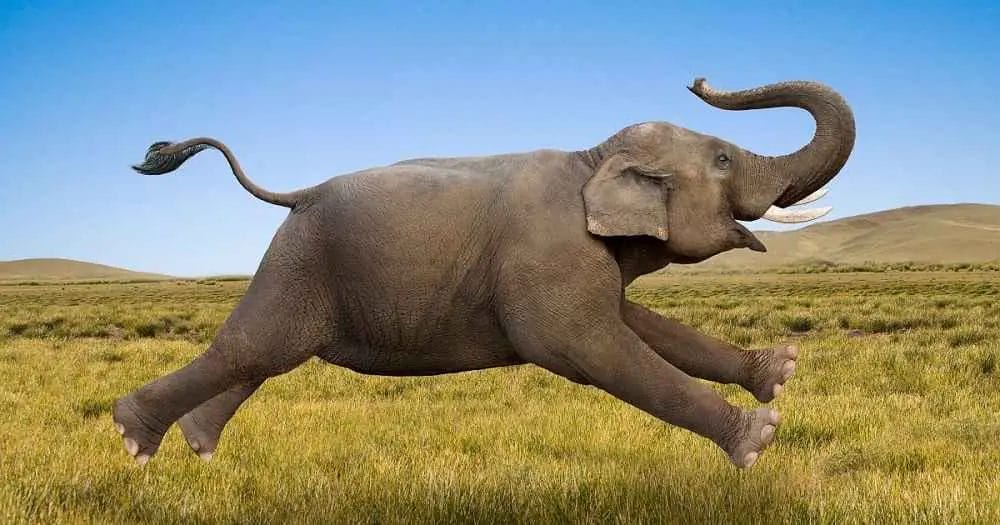
Imagine an elephant, trunk raised, letting out a joyful trumpet after playfully startling a flock of birds. Is that just instinct, or could it be... laughter? The question of whether elephants possess a sense of humor is more than just a whimsical thought; it touches upon the very core of what it means to be intelligent, empathetic, and capable of experiencing joy.
We often anthropomorphize animals, projecting human emotions and behaviors onto them. This can lead to misunderstandings about their true nature. But when we observe elephants engaging in seemingly playful interactions, it's hard not to wonder if there's more to it than meets the eye. Are we simply misinterpreting their actions, or are we catching a glimpse of a complex emotional life that includes something akin to humor?
This article delves into the fascinating question of whether elephants have a sense of humor. We'll explore the evidence, examine the scientific perspective, and consider the implications of attributing such a complex emotion to these magnificent creatures. We'll look at observations of playful behavior, consider the role of intelligence and social bonding, and ultimately try to answer the age-old question: Do elephants actually find things funny?
The potential for elephants to experience humor is tied to their intelligence, complex social structures, and capacity for empathy. Observing their playful interactions, such as mock charges, trunk wrestling, and apparent enjoyment of surprises, hints at a deeper emotional landscape. While definitive proof remains elusive, the possibility that elephants possess a sense of humor challenges our understanding of animal cognition and the very definition of what it means to laugh.
Elephants and Playful Behavior
I remember visiting a sanctuary in Thailand where I witnessed a group of elephants interacting with a set of tires. One elephant, a young male named Boon, spent a good hour trying to fit his head through the center of a tire that was clearly too small. He’d push and shove, then step back, trumpet loudly, and try again. The other elephants watched with what seemed like amusement, occasionally nudging him or the tire with their trunks. It was hard not to interpret his persistence and their reactions as playful. Was Boon genuinely frustrated, or was he engaging in a game for the entertainment of himself and his companions? That day, it certainly felt like the latter.
Playful behavior is a key indicator of cognitive complexity and emotional well-being in many species. With elephants, this manifests in various ways, from mock aggression to elaborate games involving objects and other members of their herd. They seem to relish the unexpected, and they often engage in activities that appear to serve no practical purpose other than pure enjoyment. Think of an elephant using its trunk to spray water on a sleeping companion, or a group of youngsters chasing each other around a watering hole. These actions suggest an awareness of social dynamics, an ability to anticipate reactions, and a capacity for creating and enjoying lighthearted situations. It’s this combination of factors that leads many to believe that elephants possess at least a rudimentary form of humor. The science is always changing, and there is always new research being done, and new ideas being talked about and shared with the world. New behaviors are constantly being observed.
The Intelligence Connection
Elephants are known for their high intelligence, exhibiting problem-solving skills, self-awareness, and the ability to learn and remember complex information. This intelligence could be a crucial component in the potential for humor. A sense of humor often involves recognizing incongruities, understanding irony, and anticipating outcomes. If an animal lacks the cognitive capacity to process these elements, it's unlikely they can experience humor in the same way humans do.
Elephants possess the brainpower necessary to grasp these concepts. They can recognize themselves in mirrors, demonstrating self-awareness. They use tools, solve puzzles, and display remarkable memory skills. Their capacity for learning and adaptation suggests a high level of cognitive flexibility, which could contribute to their ability to perceive and appreciate humorous situations. Their complex social structures also require a high degree of intelligence to navigate. The nuances of elephant communication, the establishment of hierarchies, and the maintenance of social bonds all depend on sophisticated cognitive abilities. It's within this framework of intelligence and social awareness that the possibility of humor becomes more plausible. While we can't definitively say that elephants understand jokes in the human sense, their cognitive capabilities certainly provide a foundation for experiencing something akin to humor.
History and Myth
Throughout history, elephants have held a prominent place in human cultures, often viewed as symbols of wisdom, strength, and good fortune. In many Eastern traditions, they are revered as sacred animals, embodying virtues like patience and compassion. However, the idea of elephants possessing a sense of humor is a relatively modern concept, not deeply embedded in ancient myths or folklore.
Historically, people focused more on the elephant’s physical strength, memory, and trainability. They were used in warfare, agriculture, and ceremonial processions, highlighting their practical value rather than their emotional complexities. The myth that elephants are afraid of mice, while charming, demonstrates how their true intelligence and capabilities were often overlooked in favor of simpler narratives. It wasn't until more recent scientific observations and behavioral studies that the potential for a more nuanced understanding of elephants emerged. As our knowledge of animal cognition has grown, so too has our willingness to consider the possibility that elephants might experience a range of emotions, including something akin to humor. The historical perspective reminds us that our perception of animals is constantly evolving, and that we should remain open to new discoveries and insights into their inner lives.
Hidden Secrets of Elephantine Joy
One of the hidden secrets of elephants, if they do possess a sense of humor, lies in their ability to find joy in the simple things. Unlike humans, who often seek complex or sophisticated forms of entertainment, elephants seem content with simple interactions and playful activities. A dust bath, a splash of water, or a gentle nudge from a friend can elicit a response that appears remarkably joyful. This capacity to find humor in the mundane might be a key to understanding their emotional lives.
Another hidden aspect is the role of mimicry. Elephants are known to imitate sounds and behaviors, and this might extend to imitating expressions of amusement. If one elephant starts playfully trumpeting after a successful prank, others might join in, creating a contagious wave of laughter.This suggests a social component to their humor, where amusement is shared and amplified within the group. Furthermore, there might be subtle cues that we humans are missing. Elephants communicate through infrasound, a low-frequency rumble that is beyond the range of human hearing. It’s possible that these infrasonic communications contain elements of humor that we are unable to detect. Perhaps they are sharing jokes or making witty remarks in a language we cannot understand. These hidden aspects of elephant behavior highlight the challenges of studying their emotional lives and the need for continued research and observation. Ultimately, unlocking the secrets of elephantine joy requires a deeper understanding of their communication, social dynamics, and cognitive abilities.
Recommendations for Elephant Encounters
If you're interested in observing elephants and potentially witnessing their playful behavior, it's crucial to do so responsibly and ethically. Seek out reputable sanctuaries or conservation organizations that prioritize the well-being of the animals. Avoid riding elephants or supporting establishments that exploit them for entertainment. Observe them in their natural habitats or in environments that closely mimic their natural surroundings.
When observing elephants, pay attention to their body language and social interactions. Look for signs of playfulness, such as mock aggression, trunk wrestling, and playful vocalizations. Be mindful of your presence and avoid any actions that might disturb or stress the animals. Keep a respectful distance and allow them to interact naturally. Support organizations that are working to protect elephants and their habitats. By contributing to conservation efforts, you can help ensure that future generations have the opportunity to witness the wonder and joy of these magnificent creatures. Furthermore, educating yourself and others about elephant behavior and conservation is crucial. The more we understand about elephants, the better equipped we are to protect them and appreciate their complex emotional lives. By advocating for responsible tourism and ethical treatment, we can help create a world where elephants are valued and respected for their intelligence, sociality, and potential for humor.
Ethical Considerations for Elephant Tourism
The ethical considerations for elephant tourism are of paramount importance when observing these magnificent creatures. It's crucial to ensure that your presence doesn't contribute to their exploitation or suffering. Avoid any activities that involve riding elephants, as this often entails harsh training methods and physical strain for the animals. Instead, seek out reputable sanctuaries or conservation organizations that prioritize the well-being of their elephants.
These organizations typically allow visitors to observe elephants in their natural habitats or in environments that closely mimic their natural surroundings. They focus on education and conservation, rather than entertainment. When visiting an elephant sanctuary, inquire about their practices and ensure that they do not engage in harmful activities, such as chaining or beating the elephants. Look for signs of healthy behavior and social interaction among the animals. Be wary of any establishment that forces elephants to perform tricks or engage in unnatural behaviors. Remember that your choices as a tourist can have a significant impact on the lives of these animals. By supporting ethical tourism practices, you can help ensure that elephants are treated with respect and dignity. Ultimately, the goal should be to promote conservation and education while minimizing the negative impacts of tourism on these incredible creatures. This means choosing to support organizations that prioritize elephant welfare and contribute to their long-term survival.
Tips for Observing Playful Elephants
Observing playful elephants can be a rewarding experience, but it requires patience, observation, and a bit of luck. The key is to be in the right place at the right time and to know what to look for. Spend time observing their behavior patterns. Elephants are most active during the cooler hours of the day, typically in the early morning and late afternoon. Visit watering holes or mud wallows, as these are common locations for playful interactions.
Look for signs of playful behavior, such as mock charges, trunk wrestling, and chasing. Listen for playful vocalizations, such as trumpeting and rumbling. Pay attention to the age of the elephants. Young elephants are more likely to engage in playful activities than older elephants. Watch for elephants interacting with objects in their environment. They might use their trunks to manipulate branches, toss rocks, or splash water. Be patient and observant. Playful behavior is not always constant, and you might have to wait for a while to witness it. Remember to keep a respectful distance and avoid any actions that might disturb or stress the animals. By following these tips, you can increase your chances of observing playful elephants and gaining a deeper appreciation for their complex emotional lives. It's also important to be aware of the specific behaviors of different elephant populations. Asian elephants, for example, may exhibit different playful behaviors than African elephants. Researching the local elephant population beforehand can help you better understand their behavior and increase your chances of spotting playful interactions.
Understanding Elephant Body Language
Understanding elephant body language is crucial for interpreting their behavior and potentially recognizing signs of playfulness. Elephants communicate through a variety of visual and auditory cues, including trunk movements, ear position, vocalizations, and body posture. A relaxed elephant will typically have its trunk hanging loosely and its ears flapping gently. Tense or agitated elephants may have their ears flared out and their trunk held high. Vocalizations can also provide valuable information about their emotional state. Trumpeting, for example, can indicate excitement, alarm, or playfulness. Rumbling is a common form of communication within the herd and can indicate contentment or reassurance.
When observing elephants, pay attention to the context of their behavior. A mock charge, for example, might be a sign of playfulness if it is accompanied by other playful behaviors, such as trunk wrestling or playful vocalizations. However, it could also be a sign of aggression if the elephant is displaying other signs of tension, such as flared ears and a raised trunk. Learning to interpret elephant body language takes time and practice. Spend time observing elephants in their natural habitats and consult with experts who have experience working with these animals. By developing your understanding of elephant communication, you can gain a deeper appreciation for their complex emotional lives and potentially witness their playful interactions with greater insight. It's also important to be aware of individual differences in elephant behavior. Just like humans, each elephant has its own unique personality and communication style. By observing individual elephants over time, you can learn to recognize their specific cues and behaviors and better understand their individual emotional states.
Fun Facts About Elephants
Elephants are full of surprises, and their intelligence and social complexity are reflected in a variety of fascinating facts. For instance, did you know that elephants can recognize themselves in a mirror? This demonstrates a high level of self-awareness, a trait shared by only a few other species, including humans, dolphins, and great apes. Another fun fact is that elephants communicate through infrasound, low-frequency rumbles that can travel for miles. This allows them to stay in contact with other members of their herd, even when they are separated by vast distances.
Elephants also have an incredible memory. They can remember routes to watering holes, recognize individuals they haven't seen in years, and learn complex tasks through observation and imitation. Their trunks are incredibly versatile, capable of lifting heavy objects, manipulating small objects, and even drinking water. Each elephant's trunk is unique, with its own distinct patterns of wrinkles and folds. And while the myth that elephants are afraid of mice is largely untrue, they are sensitive to small movements and sounds, which can startle them. These fun facts highlight the remarkable abilities and intelligence of elephants and underscore the importance of protecting these magnificent creatures. By learning more about them, we can develop a greater appreciation for their complex lives and the challenges they face in a rapidly changing world. It’s an important thing to keep in mind when discussing anything about elephants.
How to Support Elephant Conservation
Supporting elephant conservation is crucial to ensuring the survival of these magnificent creatures. There are many ways to contribute, both locally and globally. One of the most effective ways is to donate to reputable conservation organizations that are working to protect elephants and their habitats. These organizations often focus on anti-poaching efforts, habitat preservation, and community education.
Another way to support elephant conservation is to make responsible consumer choices. Avoid purchasing ivory or other products made from elephant parts. Support businesses that are committed to sustainable practices and that do not contribute to habitat destruction. Educate yourself and others about the threats facing elephants, such as poaching, habitat loss, and human-wildlife conflict. Advocate for stronger laws and policies to protect elephants and their habitats. Consider volunteering your time to conservation efforts. Many organizations offer volunteer opportunities for people who want to work directly with elephants or contribute to conservation projects. By taking these steps, you can help ensure that elephants continue to thrive for generations to come. It's also important to support community-based conservation initiatives. These initiatives empower local communities to protect elephants and their habitats, while also providing them with economic benefits. By supporting these initiatives, you can help create a win-win situation for both elephants and the people who live alongside them.
What if Elephants Truly Have a Sense of Humor?
If it were definitively proven that elephants possess a sense of humor, it would have profound implications for our understanding of animal cognition and ethics. It would challenge the long-held belief that humor is a uniquely human trait. It would force us to reconsider our relationship with animals and to treat them with greater respect and empathy. It would also raise important ethical questions about the use of animals for entertainment and other purposes.
If elephants can laugh, does that mean they should have the same rights as humans? Should we be doing more to protect their emotional well-being? These are complex questions with no easy answers. However, the possibility that elephants possess a sense of humor should encourage us to think more deeply about our responsibilities towards these magnificent creatures. It should inspire us to protect their habitats, prevent poaching, and promote their welfare. It would also open up new avenues for research and exploration into the emotional lives of other animals. Could other species also possess a sense of humor that we have yet to discover? By studying elephants, we might gain valuable insights into the evolution of intelligence and emotion and develop a greater understanding of the interconnectedness of all living things. It is a fascinating idea that could change the world as we know it.
Listicle: 5 Ways Elephants Show Playfulness
Here are five ways elephants demonstrate what could be interpreted as playfulness:
- Mock Charges: Elephants will sometimes charge at each other or even at inanimate objects in a playful manner. These charges are usually accompanied by trumpeting and flapping ears.
- Trunk Wrestling: Young elephants often engage in trunk wrestling, a playful form of competition that helps them develop their coordination and social skills.
- Water Play: Elephants love to play in the water. They will splash each other, spray water with their trunks, and even swim.
- Mud Bathing: Mud bathing is not only a practical way for elephants to cool down and protect themselves from the sun, but it also seems to be a source of enjoyment.
- Object Manipulation: Elephants will often use their trunks to manipulate objects in their environment, such as branches, rocks, and even tires. This can be a sign of curiosity and playfulness.
These behaviors, while not definitive proof of a sense of humor, suggest that elephants are capable of experiencing joy and amusement. Further research is needed to fully understand the emotional lives of these magnificent creatures. These behaviors are observed when there is enough water for them to bathe in, and enough mud for them to roll in. If you plan to take a trip to see elephants, make sure to bring your camera. Elephant sanctuaries are always full of good places to take pictures, so be prepared to snap away. It's easy to spend the whole day with these amazing creatures. There is even new research being done that suggest they can learn at a faster rate than previously thought.
Question and Answer
Here are some frequently asked questions about elephants and humor:
Q: Is there scientific evidence that elephants have a sense of humor?
A: While there's no definitive scientific proof, observations of playful behavior, coupled with their high intelligence and complex social structures, suggest the possibility that they experience something akin to humor.
Q: What kind of behaviors might indicate that an elephant is being playful?
A: Mock charges, trunk wrestling, splashing water, manipulating objects, and playful vocalizations can all be signs of playfulness.
Q: How important is it to support ethical elephant tourism?
A: It's extremely important. Ethical tourism ensures that elephants are treated with respect and dignity, and that their welfare is prioritized over entertainment.
Q: What can I do to help protect elephants?
A: Donate to reputable conservation organizations, avoid purchasing ivory products, support sustainable businesses, educate yourself and others about the threats facing elephants, and advocate for stronger laws and policies to protect them.
Conclusion of Do Elephants Have a Sense of Humor?
Whether or not elephants possess a sense of humor remains an open question, but the evidence suggests that they are capable of experiencing joy, amusement, and playfulness. Their intelligence, complex social structures, and capacity for empathy make it plausible that they can appreciate the unexpected, find humor in the mundane, and share laughter with their companions. Further research is needed to fully understand the emotional lives of these magnificent creatures, but in the meantime, we can appreciate their playful nature and support efforts to protect them and their habitats. After all, the possibility of an elephant joke is something worth fighting for.
0 Response to "Do Elephants Have a Sense of Humor?"
Post a Comment