Do Cats Really Love Their Owners?
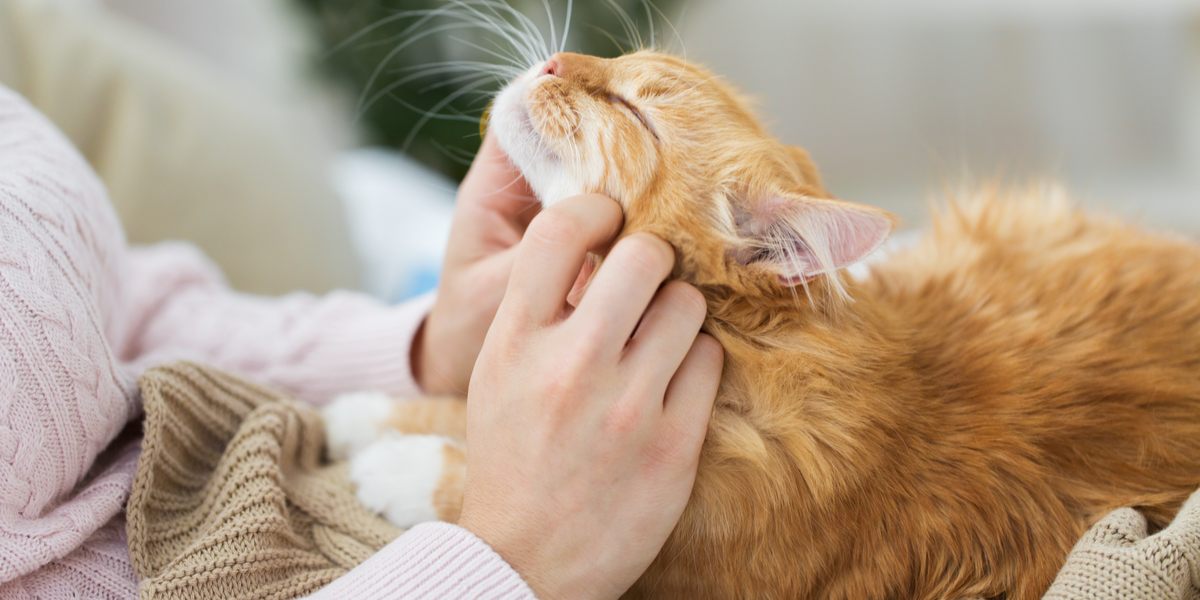
We've all been there, staring into the enigmatic eyes of our feline companions, wondering what's going on behind that inscrutable gaze. Are they plotting world domination? Or are they secretly harboring affection for us, their providers of food and cuddles? The question of whether cats truly love their owners has been debated for centuries, leaving many cat lovers feeling perplexed and unsure about their bond with their furry friends.
It's easy to fall into the trap of comparing cat behavior to that of dogs, who often wear their hearts on their furry sleeves. We see dogs greeting their owners with enthusiastic tail wags and slobbery kisses, while cats might offer a slow blink or a casual rub against our legs. This difference in outward displays of affection can lead some to question the depth of the feline-human connection. Is it just about the food? Are we merely convenient servants in their luxurious lives?
The short answer is yes, cats are capable of forming deep bonds with their owners and experiencing affection. While their expression of love may differ from that of dogs or humans, it's a genuine emotion rooted in a complex interplay of genetics, early experiences, and individual personality. They might show affection through purring, kneading, slow blinking, rubbing against you, or simply choosing to spend time in your presence.
In essence, understanding the nuances of feline behavior is key to deciphering their affection. Cats show love through subtle cues like purring, slow blinks, and physical proximity. Their independence doesn't negate their capacity for deep bonds with their human companions. Exploring the science behind cat behavior, the historical context of cat-human relationships, and recognizing the individual quirks of your feline friend will allow you to understand the secret language of cats, unlocking a deeper appreciation for the unique bond you share.
Decoding Feline Affection: My Personal Experience
I remember when I first adopted Luna, a sleek black cat with emerald eyes. I was determined to shower her with affection, mimicking the way I interacted with dogs I'd owned in the past. I'd scoop her up for hugs, try to get her to play fetch, and generally be "in her face" with my love. Luna, understandably, was not impressed. She'd tolerate my clumsy advances for a few seconds before wriggling free and retreating to her favorite hiding spot under the bed. I felt rejected and started to question whether she even liked me.
It wasn't until I started observing her behavior more carefully that I began to understand her unique language of love. I noticed that she'd often sit near me while I worked, her purr a gentle rumble. She'd greet me at the door with a soft meow and rub against my legs, leaving her scent on me. She'd even bring me "gifts" – usually her favorite toys – and deposit them at my feet. These subtle gestures were her way of saying, "I like you, I trust you, you're part of my world."
Learning to appreciate these subtle signs of affection transformed our relationship. I stopped forcing my affection on her and instead focused on creating a safe and comfortable environment where she felt secure. I learned to respect her boundaries and let her initiate interactions. Over time, Luna became more affectionate, often snuggling up next to me on the couch or sleeping at the foot of my bed. The key is patience and understanding. Cats express their affection differently, but it's no less real or meaningful.
What Does "Love" Even Mean to a Cat?
When we talk about "love" in the context of cats, it's important to consider that their understanding of the concept may differ from our own. Cats aren't likely pondering philosophical questions about the nature of love or writing sonnets about their affection for their owners. Instead, their "love" is likely rooted in a combination of comfort, security, and positive associations.
Think about it from a cat's perspective. A loving owner provides food, shelter, and a safe environment. They offer gentle petting, playful interactions, and a comforting presence. These positive experiences create a sense of security and well-being, which the cat associates with their owner. This association, in turn, leads to feelings of affection and attachment. It's a primal, instinctual form of love, but it's love nonetheless.
Furthermore, cats are highly social animals, even though they are often portrayed as solitary creatures. They form bonds with other cats in their social groups, and they can extend this social behavior to humans. A cat who feels safe and comfortable with their owner will often exhibit social behaviors such as grooming, rubbing, and sleeping nearby. These are all signs of affection and a desire for closeness.
A Purrfect History: Cats and Humans Through the Ages
The relationship between cats and humans dates back thousands of years, with evidence suggesting that cats were first domesticated in the Near East around 9,500 years ago. Initially, cats were valued for their hunting skills, helping to control rodent populations in agricultural settlements. As time went on, cats began to be revered in many cultures, particularly in ancient Egypt, where they were associated with the goddess Bastet and considered sacred animals.
Over the centuries, the perception of cats has varied widely. In some cultures, they were seen as symbols of good luck and prosperity, while in others, they were associated with witchcraft and bad fortune. Despite these fluctuating views, cats have consistently held a place in human homes and hearts. They have been depicted in art, literature, and mythology, often portrayed as mysterious and independent creatures.
Today, cats are one of the most popular pets in the world, cherished for their companionship, their playful antics, and their unique personalities. The bond between cats and humans has evolved over time, from a practical partnership to a deep emotional connection. While the myths and superstitions surrounding cats may have faded, their ability to capture our hearts remains as strong as ever.
The Secret Language of Cats: Unveiling Hidden Affection
Cats communicate in a variety of ways, using a combination of vocalizations, body language, and scent marking. Understanding these subtle cues is essential for deciphering their feelings and recognizing their expressions of affection. For example, a slow blink, often referred to as a "cat kiss," is a sign of trust and contentment. A cat who slow blinks at you is essentially saying, "I feel safe and comfortable in your presence."
Purring is another common sign of feline affection, although it's important to note that cats can also purr when they are stressed or in pain. However, a relaxed purr, accompanied by other positive body language such as kneading or rubbing, is usually a sign of happiness and contentment. Kneading, also known as "making biscuits," is a behavior that cats often exhibit when they are feeling relaxed and secure, harking back to their kittenhood when they would knead their mother's belly to stimulate milk flow.
Scent marking is another important form of communication for cats. They have scent glands on their cheeks, paws, and flanks, and they use these glands to mark their territory and to deposit their scent on objects and people they consider important. When a cat rubs against your legs, they are not only seeking attention but also marking you as part of their social group.
Recommendations: Nurturing a Loving Bond with Your Cat
Building a strong and loving bond with your cat requires patience, understanding, and a willingness to meet their needs. Providing a safe and stimulating environment is essential for their well-being. Make sure they have access to plenty of toys, scratching posts, and climbing structures. Regular play sessions will help them burn energy and strengthen your bond.
Respecting your cat's boundaries is also crucial. Cats are independent creatures, and they need to feel that they have control over their interactions with you. Don't force affection on them, and learn to recognize their signals that they need some space. Allow them to initiate interactions, and reward them with gentle petting and praise when they approach you.
Finally, pay attention to your cat's individual personality and preferences. Just like humans, cats have unique quirks and traits. Some cats are cuddly and affectionate, while others are more independent and reserved. By observing your cat's behavior and responding to their needs, you can build a strong and lasting bond based on mutual trust and respect.
Understanding Cat Behavior: The Key to Unlocking Affection
To truly understand whether cats love their owners, it's crucial to delve into the science behind their behavior. Feline behavior is influenced by a complex mix of genetics, early socialization, and individual experiences. Understanding these factors can help us interpret their actions and appreciate the nuances of their affection.
Cats are often perceived as aloof and independent, but this is often a misconception. While they may not display affection in the same way as dogs, they are capable of forming strong bonds with their human companions. Studies have shown that cats can experience separation anxiety when their owners are away, indicating a deep level of attachment. Furthermore, cats often prefer interacting with their owners over strangers, suggesting that they recognize and value the relationship.
Early socialization plays a crucial role in shaping a cat's behavior and their ability to form bonds with humans. Kittens who are handled and socialized from a young age are more likely to be friendly and affectionate as adults. However, even cats who have had less-than-ideal early experiences can still learn to trust and love their owners with patience and understanding.
Tips: Strengthening Your Bond with Your Feline Friend
Building a strong and loving bond with your cat is a rewarding experience that can enrich both your lives. Here are a few tips to help you nurture your relationship with your feline friend:
1.Provide a stimulating environment: Cats need opportunities to exercise their natural instincts, such as hunting, scratching, and climbing. Provide them with plenty of toys, scratching posts, and climbing structures to keep them entertained and engaged.
2.Spend quality time together: Even if your cat is not a lap cat, they still appreciate your company. Spend time each day interacting with them, whether it's through play, grooming, or simply sitting nearby while you read or watch TV.
3.Learn to speak their language: Pay attention to your cat's body language and vocalizations to understand their needs and feelings. A slow blink, a gentle purr, or a soft meow can all be signs of affection and contentment.
Respecting Boundaries: The Foundation of a Loving Relationship
Respecting your cat's boundaries is essential for building a strong and trusting relationship. Cats are independent creatures, and they need to feel that they have control over their interactions with you. Forcing affection on them or ignoring their signals that they need space can damage your bond and lead to stress and anxiety.
Learn to recognize the signs that your cat is feeling uncomfortable or overwhelmed. A flattened ears, a twitching tail, or a tense body posture can all be indicators that they need some space. When you see these signs, back off and give them time to relax and decompress. Allow them to approach you when they are ready, and reward them with gentle petting and praise.
Providing your cat with a safe and comfortable retreat is also important. Make sure they have access to a quiet space where they can go to get away from noise and activity. This could be a cat tree, a cozy bed, or even just a cardboard box. Knowing that they have a safe place to retreat to will help them feel more secure and confident.
Fun Facts: Unveiling the Quirky World of Cat Affection
Cats are fascinating creatures with a unique way of expressing their affection. Here are a few fun facts about feline behavior that might surprise you:
1.Cats have a special purr for their owners: Research suggests that cats can modulate their purr to elicit a response from their owners. This "solicitation purr" is often higher-pitched and more insistent than a regular purr, and it's thought to be a way for cats to communicate their needs, such as hunger or attention.
2.Cats can recognize their owner's voice: Studies have shown that cats can distinguish their owner's voice from that of strangers. They may not always respond when called, but they are definitely aware of who is speaking to them.
3.Cats use scent marking to bond with their owners: When a cat rubs against your legs or head-butts you, they are depositing their scent on you. This scent marking helps to create a sense of familiarity and belonging, and it's a way for cats to claim you as part of their social group.
How to Show Your Cat Love: Actions Speak Louder Than Words
While cats may not always be demonstrative in their affection, there are many ways you can show them that you care. Here are a few ideas:
1.Provide them with their favorite treats: Food is a powerful motivator for cats, and offering them their favorite treats is a surefire way to make them happy. Just be sure to choose healthy treats and avoid overfeeding them.
2.Play with them using interactive toys: Cats enjoy chasing, pouncing, and batting at toys. Engage them in play sessions using interactive toys such as feather wands, laser pointers, or puzzle feeders. This will help them burn energy and strengthen your bond.
3.Groom them regularly: Many cats enjoy being brushed, and grooming can be a relaxing and bonding experience for both of you. Regular grooming also helps to remove loose hair and prevent mats.
What If Your Cat Doesn't Seem Affectionate?: Understanding the Possibilities
If your cat doesn't seem particularly affectionate, it's important not to take it personally. There are many reasons why a cat might not be demonstrative, and it doesn't necessarily mean that they don't love you. Some cats are simply more independent and reserved than others. Their personality may be less cuddly and more about quiet companionship.
It's also possible that your cat has had negative experiences in the past that have made them wary of human contact. Cats who have been abused or neglected may be hesitant to trust people, and it can take time and patience to build a bond with them. Medical conditions can also impact a cat's behavior. If your cat has suddenly become less affectionate, it's a good idea to take them to the vet for a checkup to rule out any underlying health issues.
Give them time, respect their boundaries, and focus on creating a safe and comfortable environment where they can feel secure. Over time, they may gradually become more affectionate and begin to show you their love in their own unique way.
Listicle: 5 Signs Your Cat Loves You (Even If They Don't Show It)
It can be tough to tell if your cat truly loves you, especially if they're not the cuddly type. But don't despair! Here are five subtle signs that indicate your cat harbors affection for you:
1.Slow Blinking: This is the ultimate cat kiss! A slow blink means your cat trusts and feels comfortable around you.
2.Bringing You "Gifts": A dead mouse on your doorstep might not seem like a love letter, but it's a sign your cat is trying to provide for you.
3.Rubbing Against You: They're not just being friendly; they're marking you with their scent, claiming you as their own.
4.Sleeping Near You: Cats are vulnerable when they sleep, so choosing to nap near you is a sign of trust and affection.
5.Kneading: This behavior harkens back to kittenhood and is a sign of comfort and contentment.
Question and Answer: Unraveling the Mysteries of Feline Affection
Here are some frequently asked questions about whether cats truly love their owners:
Q: Do cats only love their owners for food?
A: While food is definitely a factor, cats are capable of forming deeper emotional bonds with their owners. They crave companionship, security, and affection, just like any other social animal.
Q: How can I tell if my cat loves me?
A: Look for subtle signs such as slow blinks, purring, rubbing, and sleeping near you. These are all indicators of affection and trust.
Q: My cat is very independent. Does that mean they don't love me?
A: Not necessarily. Some cats are simply more independent than others. Their lack of outward affection doesn't mean they don't care about you; it just means they express their love in different ways.
Q: Can cats experience separation anxiety?
A: Yes, cats can experience separation anxiety when their owners are away. This is a sign that they are deeply attached to you and miss your presence.
Conclusion of Do Cats Really Love Their Owners?
Ultimately, the question of whether cats truly love their owners is a matter of interpretation. While their expressions of affection may differ from those of dogs or humans, there is ample evidence to suggest that cats are capable of forming deep bonds and experiencing genuine affection for their human companions. By understanding their unique language, respecting their boundaries, and providing them with a safe and stimulating environment, we can foster loving and fulfilling relationships with our feline friends.
0 Response to "Do Cats Really Love Their Owners?"
Post a Comment