Do Animals Dream? What Science Suggests
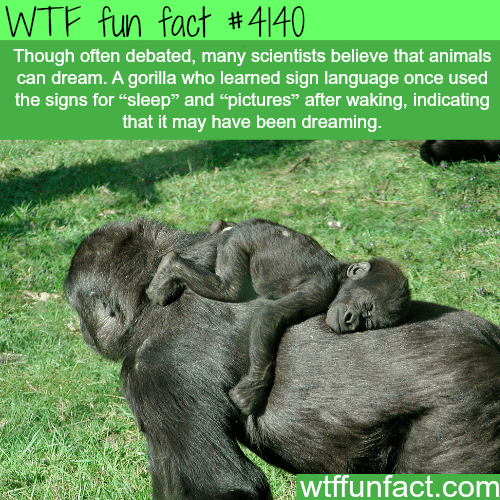
Have you ever watched your dog twitch in their sleep and wondered what fantastic adventures they were experiencing in their dreams? Maybe you've seen your cat chasing invisible prey while napping in a sunbeam. It's a question that has intrigued humans for centuries: Do animals dream?
We often project our own experiences and understanding onto our furry, feathered, and scaled companions. We see them exhibiting behaviors that look suspiciously like dreaming, but is it truly the same as the complex narratives we weave in our own minds while we sleep? And if they do dream, what are they dreaming about? These questions spark curiosity and a desire to better understand the inner lives of the creatures we share our planet with.
The short answer is, yes, the scientific evidence strongly suggests that many animals do indeed dream. But the long answer is far more fascinating and complex, delving into the realms of neuroscience, animal behavior, and the very nature of consciousness itself.
Research involving techniques like EEG (electroencephalography) and observation of sleep cycles reveal striking similarities between human and animal brain activity during sleep. While we can't definitively know the subjective content of an animal's dreams, the evidence points towards them replaying memories, processing emotions, and perhaps even imagining novel scenarios. Ultimately, exploring the question of animal dreams leads us to a deeper appreciation of the rich inner lives of the animals around us.
The Science Behind Animal Dreams
The pursuit of understanding animal dreams relies heavily on the study of sleep cycles, particularly REM (Rapid Eye Movement) sleep. REM sleep is characterized by rapid eye movements, increased brain activity, and muscle relaxation. In humans, REM sleep is strongly associated with dreaming. I remember once watching my childhood dog, Buster, a scruffy terrier mix, during his afternoon nap. He started twitching his paws, making little whimpering noises, and his eyes darted back and forth beneath his closed eyelids. It was like watching a movie of his day playing out in his mind – chasing squirrels in the park, barking at the mailman, and maybe even sneaking a forbidden bite of my sandwich!
Scientists have discovered that many mammals, including dogs, cats, rats, and monkeys, exhibit similar REM sleep patterns to humans. This suggests that their brains are also highly active during sleep and potentially engaged in dream-like activity. EEG studies have shown that the brainwaves of these animals during REM sleep resemble those observed when they are awake and performing various tasks. For example, a rat running through a maze will exhibit a specific pattern of brain activity. During REM sleep, the same rat will often replay that pattern, suggesting it's reliving its maze-running experience in a dream. These findings provide compelling evidence that animals aren't just "sleeping"; they're actively processing information and experiences within their minds. This understanding gives us a glimpse into the potential cognitive complexity and richness of their inner worlds, blurring the lines between human and animal consciousness.
What Do Animals Dream About?
Pinpointing the exact content of an animal's dreams is, understandably, a challenge. We can't simply ask them! However, scientists can make educated guesses based on their behavior, brain activity, and known experiences. The "threat simulation theory" suggests that dreams may serve as a rehearsal mechanism, allowing animals to practice responses to potential dangers in a safe, simulated environment. Imagine a gazelle dreaming of escaping a lion – the dream could be a vital tool for survival in the real world.
Another theory suggests that dreams play a role in consolidating memories. Just as humans use sleep to process and store information, animals may use their dreams to strengthen important memories and skills. A young bird learning to sing, for example, might dream of practicing its song, reinforcing the neural pathways needed for successful performance.
It's also likely that animals dream about their everyday experiences. A dog might dream of chasing squirrels, playing fetch, or interacting with its human companions. A cat might dream of hunting mice, grooming itself, or enjoying a warm sunbeam. The possibilities are endless, and the content of their dreams is likely as diverse and individual as the animals themselves. What we can surmise is that animal dreams are likely rooted in their daily lives and experiences, serving a variety of functions related to survival, learning, and emotional processing.
Historical Perspectives and Myths Surrounding Animal Dreams
The question of whether animals dream isn't just a modern scientific inquiry; it has captured human imagination for centuries. In many ancient cultures, animals were seen as possessing a certain wisdom and connection to the spirit world, and their dreams were often interpreted as messages or omens. Indigenous cultures often viewed animals as having complex inner lives and believed that dreams could provide insights into their thoughts and feelings.
Historically, some believed that animals were simply instinct-driven beings without the capacity for complex thought or emotion, let alone dreaming. This view relegated animals to the realm of automatons, devoid of inner experience. However, as scientific understanding advanced, these views began to shift. Charles Darwin, for example, recognized the continuity between human and animal minds, suggesting that animals possessed a range of emotions and cognitive abilities.
Today, while science provides a more rigorous framework for investigating animal dreams, the element of mystery and wonder remains. We may never fully understand the subjective experience of an animal's dream, but the scientific evidence continues to reveal the fascinating complexities of their inner lives.
Hidden Secrets of the Animal Dream World
One of the most intriguing areas of research involves exploring the potential differences in dreaming across different species. Do birds dream differently than mammals? Do reptiles dream at all? Some studies suggest that simpler organisms, like insects, may not experience the same kind of complex dreaming as mammals, but they may still exhibit sleep-like states that serve important functions.
Another secret lies in understanding the neural mechanisms that underlie dreaming. Which brain regions are involved, and how do they interact to create the dream experience? Scientists are using advanced techniques like optogenetics and neural recording to probe these questions and uncover the intricate circuitry of the dreaming brain.
Finally, there's the mystery of how dreams might contribute to an animal's overall well-being. Could dreams help animals cope with stress, process trauma, or learn new skills? Understanding the function of dreams in animals could provide valuable insights into the evolution of consciousness and the importance of sleep for both physical and mental health. These hidden secrets of the animal dream world offer a fascinating frontier for scientific exploration, promising to reveal even deeper connections between humans and the animal kingdom.
Recommendations for Further Exploration of Animal Dreams
If you're fascinated by the topic of animal dreams, there are many avenues to explore. Start by reading scientific articles and books on sleep research and animal cognition. Look for studies that use EEG to investigate brain activity in different species during sleep.
You can also observe your own pets and pay attention to their behavior during sleep. Do they twitch, vocalize, or exhibit any other signs of dreaming? Keep a dream journal and record your observations, noting any patterns or interesting behaviors you notice.
Finally, consider supporting organizations that conduct research on animal cognition and welfare. By learning more about the inner lives of animals, we can develop a greater appreciation for their intelligence, emotions, and overall well-being. Understanding animal dreams is not just a scientific endeavor; it's a step towards fostering a more compassionate and respectful relationship with the animal kingdom.
Ethical Considerations in Animal Dream Research
As with any research involving animals, ethical considerations are paramount. Scientists must ensure that their studies are conducted in a humane and responsible manner, minimizing any potential harm or distress to the animals involved. This includes using non-invasive techniques whenever possible, providing appropriate housing and care, and carefully evaluating the potential benefits of the research against any potential risks.
The question of animal consciousness also raises important ethical issues. If animals are capable of dreaming and experiencing emotions, do they deserve greater moral consideration? Should we extend certain rights and protections to animals based on our understanding of their cognitive abilities? These are complex questions that require careful thought and discussion, and they highlight the ethical responsibility we have to treat animals with respect and compassion. Understanding the capacity for dreaming in animals underscores the interconnectedness of all living beings and the need to act as responsible stewards of the planet.
Tips for Helping Your Pet Have Sweet Dreams
Creating a comfortable and safe sleep environment for your pet can promote restful and enjoyable dreams. Provide them with a cozy bed, a quiet space, and a consistent sleep schedule. Avoid disturbing them while they're sleeping, and be mindful of any stressors in their environment that might disrupt their sleep.
You can also engage your pet in enriching activities during the day to stimulate their minds and provide them with positive experiences to dream about. Take them for walks in nature, play games with them, and offer them plenty of affection and attention.
Finally, pay attention to any signs of sleep disorders or discomfort in your pet. If you notice them struggling to fall asleep, waking up frequently, or exhibiting any unusual behaviors during sleep, consult with a veterinarian. Just as humans can benefit from addressing sleep issues, animals can also experience improved health and well-being with proper sleep care. By creating a nurturing and supportive environment, you can help your furry friend have sweet dreams and wake up feeling refreshed and ready to face the day.
The Role of Evolution in Animal Dreaming
The evolution of dreaming is a fascinating and complex topic. Why did dreaming evolve in the first place, and what selective advantages did it provide? One theory suggests that dreaming may have evolved as a way to consolidate memories and learn new skills. By replaying experiences in their dreams, animals could strengthen the neural connections associated with important tasks, such as hunting, foraging, or escaping predators.
Another theory suggests that dreaming may have evolved as a form of "threat simulation," allowing animals to practice responses to potential dangers in a safe environment. By dreaming about dangerous situations, animals could improve their reflexes and decision-making skills, increasing their chances of survival.
It's also possible that dreaming may have evolved as a way to regulate emotions. By processing emotional experiences in their dreams, animals could reduce stress, cope with trauma, and maintain their overall well-being. Understanding the evolutionary origins of dreaming can provide valuable insights into the function of sleep and the evolution of consciousness itself. It highlights the adaptive significance of this mysterious phenomenon and underscores the interconnectedness of brain, behavior, and environment.
Fun Facts About Animal Dreams
Did you know that some animals are more likely to dream than others? Studies have shown that animals with larger brains and more complex social lives tend to have more REM sleep, suggesting they may dream more frequently. For example, dolphins, known for their intelligence and complex communication skills, have relatively long periods of REM sleep.
Also, researchers have discovered that certain drugs can affect animal dreams, just as they affect human dreams. Some drugs can increase the frequency of REM sleep, while others can suppress it. These findings provide valuable insights into the neural mechanisms that regulate dreaming.
Interestingly, some animals appear to exhibit behaviors during sleep that mimic their waking activities. For example, dogs may twitch their legs as if they're running, or cats may knead their paws as if they're nursing. These behaviors suggest that animals are actively engaged in simulating their real-world experiences in their dreams. These fun facts offer a glimpse into the fascinating world of animal sleep and dreaming, highlighting the diversity and complexity of the animal kingdom. They also underscore the importance of continued research to unravel the mysteries of consciousness and the inner lives of animals.
How to Document Your Pet's Dream Behavior
If you're curious about your pet's dreams, documenting their sleep behavior can be a fun and informative activity. Start by observing your pet's sleep patterns. When do they typically fall asleep, and how long do they sleep for? Pay attention to their body language during sleep. Do they twitch, vocalize, or exhibit any other signs of dreaming?
Keep a dream journal and record your observations. Note the date, time, and any details about your pet's behavior during sleep. You can also take videos of your pet sleeping to capture their movements and sounds.
Over time, you may start to notice patterns in your pet's dream behavior. Do they seem to dream more frequently after certain activities or experiences? Do their dreams seem to reflect their daily lives? By carefully documenting your pet's sleep behavior, you can gain a better understanding of their inner world and the potential content of their dreams. This can deepen your bond with your pet and provide valuable insights into the fascinating realm of animal consciousness.
What if Animals Could Tell Us About Their Dreams?
Imagine a world where animals could communicate their dreams to us. What stories would they tell? What insights would they offer into their inner lives? We might learn that animals dream about things we never imagined, revealing hidden emotions, fears, and desires.
We might also gain a deeper understanding of animal consciousness and the nature of reality. Animals could teach us about different ways of perceiving the world, challenging our assumptions about what it means to be alive.
Of course, the ability to communicate with animals about their dreams would also raise ethical questions. How would we ensure that we're interpreting their dreams accurately? How would we protect them from exploitation or harm? Despite these challenges, the prospect of understanding animal dreams through direct communication is incredibly exciting. It could revolutionize our understanding of the animal kingdom and transform our relationship with the creatures we share our planet with.
A Listicle of Amazing Animal Dream Facts
Here's a quick list of fascinating facts about animal dreams:
- Dogs often twitch and "run" in their sleep, likely dreaming of chasing squirrels or playing fetch.
- Cats may knead their paws while sleeping, a behavior rooted in their kittenhood when they kneaded their mothers to stimulate milk flow.
- Rats have been shown to replay maze-running experiences in their dreams, consolidating their spatial memories.
- Birds may dream of singing, practicing their songs in their sleep.
- Even reptiles may experience sleep-like states that serve important functions.
- The function of dreams in animals may be related to survival, learning, and emotional processing.
- Studying animal dreams can provide valuable insights into the evolution of consciousness.
- Creating a comfortable sleep environment can help your pet have sweet dreams.
- Documenting your pet's sleep behavior can reveal fascinating patterns.
- The possibility of communicating with animals about their dreams is an exciting prospect.
These facts highlight the diversity and complexity of animal sleep and dreaming, underscoring the importance of continued research and exploration.
Question and Answer Section about Do Animals Dream? What Science Suggests
Q: Is there definitive proof that animals dream?
A: While we can't know for sure what animals experience subjectively, the scientific evidence, particularly studies of brain activity during sleep, strongly suggests that many animals do indeed dream.Q: What kind of research is used to study animal dreams?
A: Scientists primarily use techniques like EEG (electroencephalography) to measure brain activity during sleep. They also observe animal behavior and study their sleep cycles.Q: Do all animals dream?
A: It's likely that many mammals and birds dream, but more research is needed to determine whether other animals, like reptiles and insects, experience the same kind of complex dreaming.Q: Can I influence my pet's dreams?
A: While you can't directly control their dreams, providing your pet with a comfortable and stimulating environment can contribute to their overall well-being and potentially influence the content of their dreams.Conclusion of Do Animals Dream? What Science Suggests
The question of whether animals dream is no longer a matter of pure speculation. Scientific research has provided compelling evidence that many animals experience something akin to dreaming, engaging in complex brain activity and potentially replaying memories and processing emotions during sleep. While the subjective content of their dreams remains a mystery, the ongoing exploration of animal sleep and consciousness continues to reveal the fascinating complexities of the animal kingdom and our connection to it.
0 Response to "Do Animals Dream? What Science Suggests"
Post a Comment