Animals With More Than Two Eyes
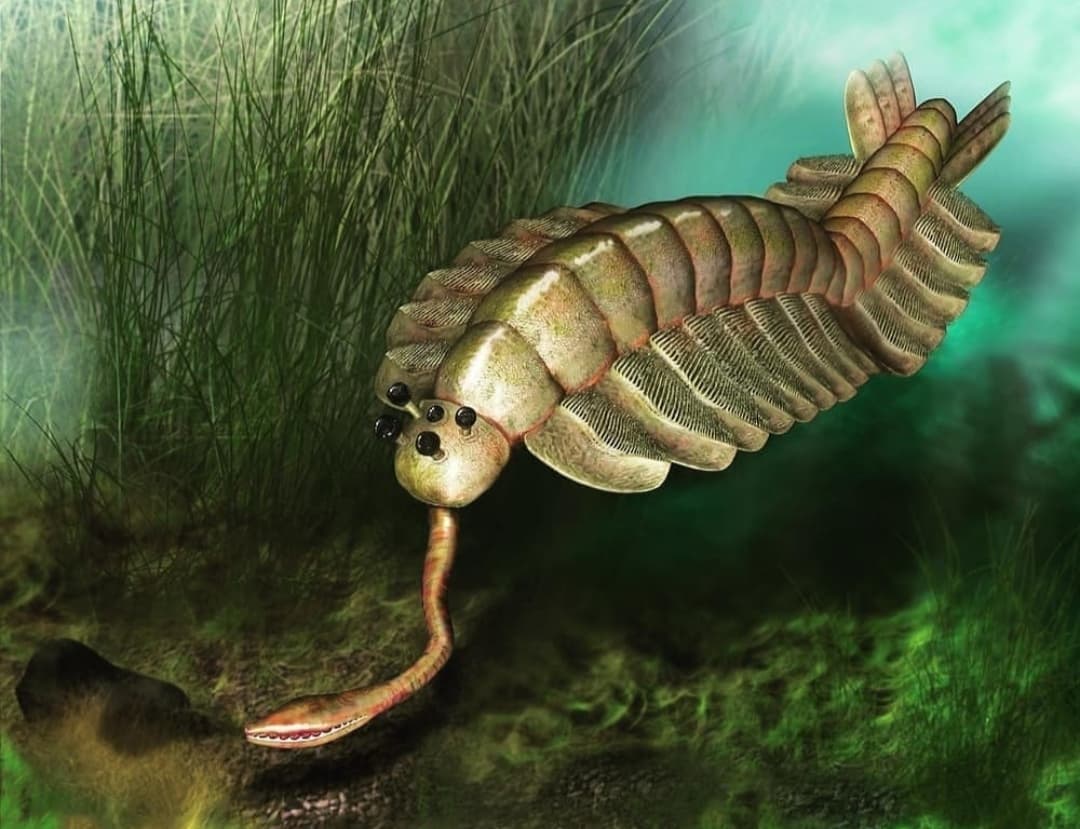
Imagine a world where seeing isn't limited to just two eyes. While we humans rely on our binocular vision, the animal kingdom boasts some fascinating creatures with more than a pair, offering them unique perspectives and survival advantages. Ready to have your perception challenged?
For many, the idea of multiple eyes might conjure images of science fiction or genetic anomalies. We're so used to the standard two-eye setup that the thought of anything else seems foreign. This unfamiliarity can lead to questions and even a bit of unease about how these creatures perceive the world and how they function with such different anatomy.
This article aims to shed light on the amazing animals that possess more than two eyes. We'll explore the different types of multi-eyed creatures, their evolutionary adaptations, and the advantages these extra eyes provide for survival. Prepare to be amazed by the diversity and ingenuity of nature!
From insects with compound eyes to starfish with eyes on their arms, the animal kingdom is full of creatures that see the world in extraordinary ways. These extra eyes provide enhanced depth perception, wider fields of vision, and increased sensitivity to movement, all crucial for hunting, avoiding predators, and navigating their environments. Key terms like compound eyes, ocelli, and depth perception will be explored to give you a complete picture.
My Encounter with a Multi-Eyed Marvel
I'll never forget the first time I encountered a truly multi-eyed creature up close. It wasn't in a zoo or a documentary, but in my own backyard! I was tending to my garden when a bright green praying mantis landed on a sunflower. I'd seen mantises before, but this time, I took a moment to really observe its face. While it primarily used its two large compound eyes, I noticed three smaller, simpler eyes, called ocelli, nestled between them. It struck me how different its visual experience must be. It wasn't just seeing the world; it was experiencing it with a layered, multifaceted approach. This encounter sparked my fascination with multi-eyed creatures. Those tiny ocelli, though not providing detailed images like the compound eyes, were crucial for detecting movement and light changes, alerting the mantis to potential threats or prey. These simple eyes work alongside the mantis's main eyes to create a more complete picture of its surroundings, enabling it to react quickly and efficiently.
The praying mantis is just one example of an insect utilizing both compound and simple eyes. This combination is common in many insect species, highlighting the evolutionary advantage of having different types of visual sensors for various tasks. Imagine the world through their eyes – a blend of detailed images from compound eyes and quick alerts from ocelli, painting a dynamic and responsive picture of their environment.
What Does It Mean to Have More Than Two Eyes?
Having more than two eyes isn't just about seeing more; it's about seeing differently. It's about enhanced peripheral vision, improved depth perception, and the ability to detect subtle movements that might otherwise go unnoticed. For many animals, these advantages are crucial for survival, enabling them to hunt prey, avoid predators, and navigate complex environments. Consider the dragonfly, with its massive compound eyes made up of thousands of individual lenses. This allows it to see almost 360 degrees, making it an incredibly effective predator. Similarly, the starfish, with its simple eyes located on the tips of its arms, can detect changes in light and movement, helping it find food and avoid danger. The type and placement of these extra eyes depend on the animal's specific needs and lifestyle. An animal that relies on hunting will likely have different visual adaptations than one that primarily grazes on plants.
The evolution of multi-eyed creatures is a testament to the power of natural selection. Animals with visual adaptations that gave them a survival advantage were more likely to reproduce and pass on their genes, leading to the incredible diversity of eye structures we see today. Understanding these adaptations can provide valuable insights into the evolutionary processes that have shaped the animal kingdom.
History and Myths Surrounding Multi-Eyed Creatures
Throughout history, creatures with more than two eyes have often been shrouded in myth and folklore. From the cyclops of ancient Greek mythology to the Argus Panoptes, the giant with a hundred eyes, these figures have captured our imaginations and served as symbols of power, vigilance, and the unknown. These mythical creatures reflect our fascination with the extraordinary and our tendency to project our fears and desires onto the natural world. In some cultures, multi-eyed creatures are seen as guardians or protectors, while in others, they are viewed as monsters or harbingers of bad luck. These beliefs highlight the complex relationship between humans and the animal kingdom.
Even in modern literature and film, multi-eyed creatures continue to appear as symbols of otherness and the alien. They challenge our perceptions of what is normal and force us to confront the possibility of life beyond our own understanding. While many of these depictions are purely fictional, they often draw inspiration from real-world animals with unique visual adaptations. By exploring these myths and legends, we can gain a deeper appreciation for the cultural significance of multi-eyed creatures and the power of the human imagination.
Unveiling the Hidden Secrets of Enhanced Vision
The secrets behind the success of multi-eyed creatures lie in the way their brains process the information received from multiple visual inputs. It's not simply about seeing more; it's about integrating and interpreting that information to create a more complete and accurate picture of the world. For example, the compound eyes of insects provide a mosaic-like view of their surroundings, with each individual lens capturing a small portion of the overall image. The brain then assembles these individual images to create a unified picture. Similarly, the multiple eyes of a starfish work together to detect changes in light and movement, allowing it to react quickly to potential threats or opportunities.
The ability to process and interpret this complex visual information requires a highly specialized nervous system. Researchers are still working to understand the intricate neural pathways involved in multi-eyed vision. By studying these creatures, we can gain valuable insights into the workings of the brain and the evolution of visual perception. Furthermore, understanding how these animals process visual information can inspire new technologies in fields such as robotics and computer vision.
Recommendations for Further Exploration
If you're fascinated by the world of multi-eyed creatures, I highly recommend exploring the work of entomologists and marine biologists who specialize in the study of invertebrate vision. There are countless research papers and articles available online that delve into the intricacies of compound eyes, ocelli, and other types of visual sensors. You can also find a wealth of information in natural history museums and science centers. Look for exhibits that showcase the diversity of the animal kingdom and highlight the unique adaptations of different species. Watching documentaries about insects, crustaceans, and other invertebrates can also be a great way to learn more about their visual systems.
Don't be afraid to venture into your own backyard or local park and observe the creatures around you. Take a closer look at the insects, spiders, and other invertebrates you encounter. You might be surprised at the complexity and beauty of their eyes. By observing these creatures in their natural habitat, you can gain a deeper appreciation for the wonders of the natural world.
Digging Deeper: The Science of Compound Eyes
Compound eyes, found in insects, crustaceans, and some other arthropods, are a marvel of evolutionary engineering. Unlike our single-lens eyes, compound eyes are composed of numerous individual visual units called ommatidia. Each ommatidium acts as a separate light receptor, capturing a small portion of the overall image. The brain then assembles these individual images to create a mosaic-like view of the world. This type of vision provides excellent motion detection, a wide field of view, and the ability to see polarized light, all of which are crucial for survival in many environments. The number of ommatidia in a compound eye can vary greatly depending on the species, ranging from just a few dozen in some primitive insects to tens of thousands in dragonflies and other highly visual predators.
The structure of each ommatidium is also highly specialized. It consists of a lens, a crystalline cone, and a group of light-sensitive cells called retinula cells. The lens focuses light onto the retinula cells, which convert the light into electrical signals. These signals are then transmitted to the brain via the optic nerve. The arrangement of the retinula cells within each ommatidium can also vary depending on the species, allowing for different types of light detection, such as color vision and polarization vision. By studying the structure and function of compound eyes, scientists can gain valuable insights into the evolution of vision and the ways in which different animals perceive their surroundings.
Tips for Spotting and Identifying Multi-Eyed Creatures
One of the best ways to learn about multi-eyed creatures is to go out and observe them in their natural habitat. When searching for these fascinating animals, remember to look closely at insects, spiders, crustaceans, and other invertebrates. Use a magnifying glass or a macro lens on your camera to get a better view of their eyes. Pay attention to the size, shape, and arrangement of the eyes. Are they large and bulging, or small and inconspicuous? Are they located on the front of the head, or are they scattered around the body? Look for patterns in their behavior that might be related to their visual system. For example, does the animal seem particularly sensitive to movement, or does it rely heavily on its peripheral vision?
When identifying multi-eyed creatures, it's helpful to consult field guides, online resources, and expert advice. There are many excellent resources available that can help you identify different species and learn more about their visual adaptations. You can also join a local naturalist group or participate in citizen science projects to connect with other enthusiasts and contribute to our understanding of the natural world. Remember to always observe these creatures respectfully and avoid disturbing their habitat.
The Role of Ocelli in Insect Vision
While compound eyes provide insects with detailed images of their surroundings, ocelli, or simple eyes, play a crucial role in detecting changes in light and movement. These small, light-sensitive organs are typically located on the top of the head and are thought to help insects maintain their orientation and stability during flight. Ocelli are particularly sensitive to ultraviolet light, which can be useful for navigation and orientation in the sky. Unlike compound eyes, ocelli do not form detailed images. Instead, they provide a more general sense of light and dark, which can be used to detect shadows and other potential threats. This information is then relayed to the brain, which can trigger a rapid response, such as a change in flight direction.
The number and arrangement of ocelli can vary depending on the species. Some insects have only one ocellus, while others have two or three. In some species, the ocelli are located close together, while in others, they are spread out across the head. The position of the ocelli can also influence their function. For example, ocelli located on the top of the head are particularly well-suited for detecting changes in light from above, while ocelli located on the sides of the head can provide a wider field of view.
Fun Facts About Animals with More Than Two Eyes
Did you know that some spiders have eight eyes? These eyes are arranged in different patterns depending on the species, and they provide the spider with excellent vision for hunting and navigating its environment. Some spiders even have the ability to see in color, which is rare among invertebrates. Another fascinating fact is that some scallops have hundreds of tiny eyes located along the edge of their mantle. These eyes are surprisingly complex and allow the scallop to detect changes in light and movement, helping it avoid predators. And let's not forget the humble starfish, which has simple eyes located on the tips of its arms. These eyes are not capable of forming detailed images, but they can detect changes in light and movement, allowing the starfish to find food and avoid danger.
These are just a few examples of the amazing diversity of multi-eyed creatures in the animal kingdom. Each of these animals has evolved unique visual adaptations to help them survive in their specific environments. By studying these creatures, we can gain a deeper appreciation for the wonders of evolution and the incredible ways in which life has adapted to the challenges of the natural world.
How to Support Research on Animals with Multi-Eyed Vision
Supporting research on animals with multi-eyed vision is crucial for advancing our understanding of the natural world and developing new technologies. You can contribute to this research in several ways, such as donating to scientific organizations that fund vision research, participating in citizen science projects that collect data on animal vision, and advocating for policies that protect the habitats of multi-eyed creatures. By supporting this research, you can help scientists uncover the secrets of animal vision and develop new treatments for human eye diseases. You can also help promote conservation efforts that protect the biodiversity of our planet.
Another way to support research is to educate yourself and others about the importance of animal vision. Share information about the amazing adaptations of multi-eyed creatures with your friends, family, and colleagues. Write letters to your elected officials, urging them to support funding for scientific research and conservation programs. By raising awareness about the importance of animal vision, you can help ensure that this field of research continues to thrive for years to come.
What If Humans Had More Than Two Eyes?
If humans had more than two eyes, our perception of the world would be dramatically different. We might have a wider field of view, improved depth perception, and the ability to see in different parts of the electromagnetic spectrum. This could have significant implications for our daily lives, from driving and playing sports to performing surgery and creating art. Imagine being able to see in 360 degrees, or being able to detect subtle movements that are invisible to the naked eye. Our understanding of space and time could be fundamentally altered. However, having more eyes would also present challenges. Our brains would need to process more visual information, which could be overwhelming. We might also experience sensory overload or have difficulty focusing on specific objects.
The evolution of human vision has been shaped by our specific needs and environment. Our two-eye setup provides us with excellent depth perception and binocular vision, which are crucial for navigating our surroundings and performing complex tasks. While having more eyes might seem advantageous, it's important to remember that evolution is not always about maximizing a single trait. It's about finding the optimal balance between different traits to create an organism that is well-adapted to its environment.
A Listicle of Fascinating Multi-Eyed Creatures
Here's a quick list of some of the most fascinating multi-eyed creatures in the animal kingdom:
- Dragonflies: These aerial predators have massive compound eyes that provide them with almost 360-degree vision.
- Praying Mantises: These insects have both compound eyes and ocelli, giving them a layered approach to vision.
- Spiders: Some spiders have eight eyes, arranged in different patterns for optimal hunting.
- Scallops: These bivalves have hundreds of tiny eyes along the edge of their mantle.
- Starfish: These marine invertebrates have simple eyes on the tips of their arms.
- Box Jellyfish: These jellyfish have complex eyes with lenses, corneas, and retinas.
- Trilobites (Extinct): These ancient arthropods had compound eyes that were similar to those of modern insects.
- Horseshoe Crabs: These ancient marine arthropods have multiple simple eyes and compound eyes.
This list is just a small sampling of the incredible diversity of multi-eyed creatures in the animal kingdom. By exploring the visual adaptations of these animals, we can gain a deeper appreciation for the wonders of evolution and the power of natural selection.
Question and Answer About Animals With More Than Two Eyes
Q: Why do some animals have more than two eyes?
A: Animals develop more than two eyes as an evolutionary adaptation for survival. Additional eyes can enhance depth perception, widen the field of vision, and increase sensitivity to movement, which are crucial for hunting, avoiding predators, and navigating their environments.
Q: What are compound eyes, and which animals have them?
A: Compound eyes are made up of numerous individual visual units called ommatidia. Each ommatidium acts as a separate light receptor. Insects, crustaceans, and some other arthropods have compound eyes.
Q: What are ocelli, and what is their function?
A: Ocelli, or simple eyes, are small, light-sensitive organs that are typically located on the top of the head in insects. They help insects maintain their orientation and stability during flight by detecting changes in light and movement.
Q: How do animals with multiple eyes process visual information?
A: The brains of multi-eyed creatures integrate and interpret the information received from multiple visual inputs to create a more complete and accurate picture of the world. The specific processing mechanisms vary depending on the type of eyes and the animal's nervous system.
Conclusion of Animals With More Than Two Eyes
Exploring the world of animals with more than two eyes reveals the incredible diversity and adaptability of life on Earth. From the intricate compound eyes of insects to the simple eyes of starfish, these creatures showcase the power of evolution in shaping visual systems to meet specific needs. By understanding these adaptations, we gain a deeper appreciation for the wonders of the natural world and the complex processes that drive the evolution of vision.
0 Response to "Animals With More Than Two Eyes"
Post a Comment