Animals With the Longest Pregnancy Periods
Ever wondered which animal holds the record for the longest wait before welcoming its young into the world? Prepare to be amazed by the incredible gestational periods found in the animal kingdom. From gentle giants to deep-sea dwellers, the diverse strategies for reproduction are truly fascinating.
We often marvel at the relatively short nine-month gestation of humans, but what about the animals that wait far longer? The sheer dedication and biological processes involved in these extended pregnancies are something to behold. Understanding these processes can give us a greater appreciation for the challenges and triumphs of animal reproduction.
This article aims to explore the fascinating world of animal gestation, highlighting those species that endure the longest pregnancies. We'll delve into the biological reasons behind these extended periods, the challenges faced by pregnant animals, and the unique adaptations that make it all possible.
Join us as we journey through the animal kingdom to uncover the creatures with the longest pregnancy periods. We'll be looking at elephants, whales, sharks, and other remarkable species, exploring the reasons behind their lengthy gestations and the incredible adaptations that allow them to successfully reproduce. Understanding these long pregnancies helps us appreciate the diversity and complexity of life on Earth, from gestation length, animal kingdom, biological reasons, challenges faced and unique adaptations.
The Majestic Elephant: A Pregnancy Marathon
My first encounter with an elephant was at a local zoo when I was just a child. I remember being absolutely awestruck by their size and gentle demeanor. It wasn’t until much later that I learned about the incredible length of their pregnancies. Imagine carrying a baby for nearly two years! It’s a testament to the strength and resilience of these magnificent creatures.
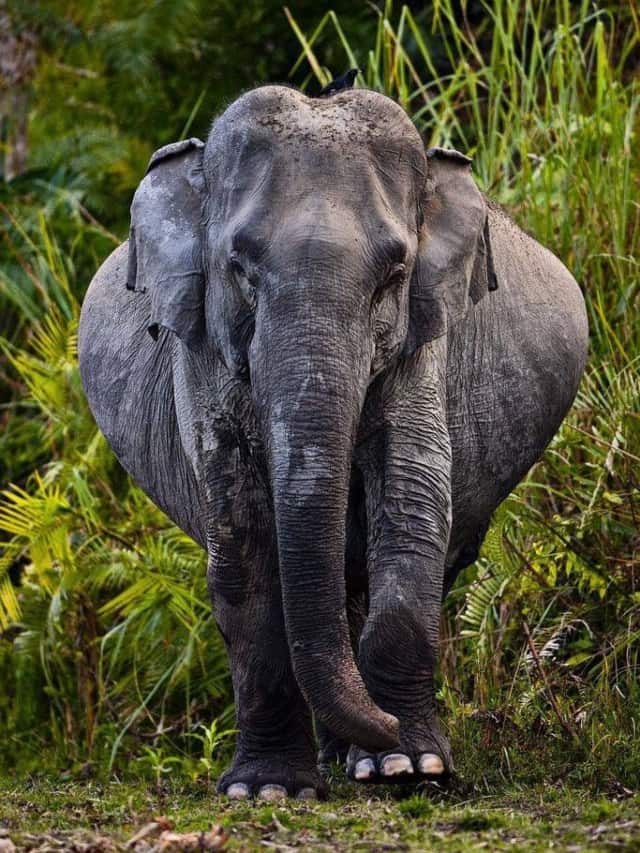
The African elephant is renowned for having one of the longest gestation periods of any mammal, lasting approximately 22 months. This extended pregnancy is likely due to the large size and complex development of the calf. A newborn elephant calf can weigh over 200 pounds and requires a significant amount of time in the womb to develop properly. The extended gestation allows for the complete development of the calf's brain, muscles, and other vital organs. The mother elephant faces considerable challenges during this period, including increased nutritional demands and physical strain. They must consume large quantities of food to support their own needs and the growing calf. Furthermore, the extended pregnancy can make them more vulnerable to predators and environmental stressors. Factors influencing elephant gestation length include the mother's age, health, and nutritional status. First-time mothers may experience slightly longer pregnancies, while older elephants may have shorter gestations. Adequate nutrition is crucial for a healthy pregnancy and the successful delivery of a viable calf. In summary, the majestic elephant faces an extraordinary feat of endurance, with a pregnancy that underscores the incredible adaptations of the animal kingdom, highlighting animal kingdom, biological reasons, challenges faced and unique adaptations.
The Deep-Sea Giant: Gestation in the Whale Shark
What defines a long pregnancy? In the animal kingdom, gestation periods vary dramatically, reflecting the diverse strategies for reproduction. A long pregnancy typically refers to a gestation period that is significantly longer than that of other closely related species or animals of similar size. Several factors can contribute to extended pregnancies, including the size of the offspring, the complexity of their development, and the environmental conditions in which the animal lives.
Whale sharks, the largest fish in the world, present a unique case when it comes to gestation. While the exact length of their pregnancy has been debated, it's believed to be exceptionally long, possibly exceeding two years. This extended period is likely related to the slow growth rate and large size of the pups. Whale sharks give birth to live young, which can be quite large at birth. The long gestation allows the pups to develop to a relatively advanced stage before they are born, increasing their chances of survival in the open ocean. The challenges of studying whale shark reproduction in the wild have made it difficult to determine the precise length of their gestation. However, observations of pregnant females and the discovery of pups at various stages of development have provided valuable insights. Understanding the reproductive biology of whale sharks is crucial for their conservation, as these gentle giants face numerous threats, including habitat loss and overfishing. Gestation length, animal kingdom, biological reasons, challenges faced and unique adaptations are all crucial for understanding whale sharks.
Ancient Mysteries: The Pregnancy Secrets of Sharks
Throughout history, sharks have been shrouded in mystery and myth. Their ancient lineage and predatory nature have fueled countless stories and legends. From fearsome sea monsters to symbols of power and resilience, sharks have captured the human imagination for centuries. The reproductive strategies of sharks, including their often lengthy pregnancies, have added to their enigmatic allure.
Sharks exhibit a remarkable diversity in their reproductive strategies. Some species lay eggs, while others give birth to live young. The gestation periods of sharks can vary widely, ranging from a few months to over two years, depending on the species. One of the longest known pregnancies in sharks belongs to the frilled shark, which is believed to have a gestation period of up to 3.5 years! This extended pregnancy is thought to be related to the slow metabolism and deep-sea habitat of these sharks. The challenges of surviving in the deep ocean may necessitate a longer gestation period to ensure the survival of the offspring. The long gestation of sharks has implications for their conservation. Slow reproductive rates make them particularly vulnerable to overfishing and habitat degradation. Understanding the reproductive biology of sharks is essential for developing effective conservation strategies. History and myth often intertwine with our understanding of sharks, highlighting their enigmatic nature and the need for further research. Gestation length, animal kingdom, biological reasons, challenges faced and unique adaptations all play a role in the survival of these ancient creatures.
Hidden in Plain Sight: Unveiling the Secrets of Salamander Gestation
We often overlook the small creatures around us, yet they hold incredible secrets of the natural world. Consider the salamander, a seemingly simple amphibian. Many are unaware of the fascinating complexities surrounding their reproduction, particularly the hidden details of their gestation.
While not all salamanders have exceptionally long pregnancies, some species exhibit interesting variations in their reproductive strategies. Some salamanders are viviparous, meaning they give birth to live young. These species typically have longer gestation periods compared to those that lay eggs. The European alpine salamander, for example, has a gestation period that can last for up to two years. This extended pregnancy is thought to be an adaptation to the cold, high-altitude environments in which they live. The developing embryos receive nourishment from the mother during this time, ensuring their survival in harsh conditions. The hidden secret of salamander gestation lies in the complex interplay between environmental factors, reproductive strategies, and evolutionary adaptations. Understanding these factors is crucial for protecting these fascinating creatures and their unique reproductive processes. Gestation length, animal kingdom, biological reasons, challenges faced and unique adaptations have shaped the reproductive strategies of salamanders over millennia.
Recommendations for Further Exploration of Animal Gestation
If you're intrigued by the topic of animal gestation, there are many resources available for further exploration. From documentaries and scientific articles to books and museum exhibits, you can delve deeper into the fascinating world of animal reproduction. I personally recommend visiting your local zoo or aquarium to observe these animals firsthand and learn more about their life cycles.
Here are some specific recommendations: Watch documentaries: Nature documentaries often feature footage of pregnant animals and their offspring, providing valuable insights into their reproductive behavior. Read scientific articles: Scientific journals publish research on animal gestation, providing detailed information on the biological processes involved. Visit museums: Natural history museums often have exhibits on animal reproduction, showcasing the diversity of reproductive strategies in the animal kingdom. Explore online resources: Websites such as the National Geographic and the Smithsonian Institution offer a wealth of information on animal gestation.
By exploring these resources, you can gain a deeper appreciation for the incredible adaptations that allow animals to successfully reproduce in a variety of environments. Gestation length, animal kingdom, biological reasons, challenges faced and unique adaptations are all areas of ongoing research and discovery.
Deeper Dive into Elephant Gestation
Let's zoom in on the elephant, a true record-holder in the realm of long pregnancies. As we touched upon earlier, the 22-month gestation period is no small feat. But what's really going on inside the mother elephant during this extended time?
The elephant calf undergoes an extensive period of development in the womb. Its brain, muscles, and organ systems develop gradually, requiring a significant amount of time and resources from the mother. The mother elephant's body undergoes numerous physiological changes to support the growing calf. Her heart and respiratory system work harder to provide oxygen and nutrients to the fetus. Her digestive system becomes more efficient at extracting energy from food. The hormonal changes associated with pregnancy also play a crucial role in maintaining the pregnancy and preparing the mother for lactation. The challenges of elephant gestation are considerable. The mother elephant must consume large quantities of food to meet the nutritional demands of the growing calf. She also faces increased risks of injury and illness due to her weakened immune system. Furthermore, the extended pregnancy can make her more vulnerable to predators and environmental stressors. The long gestation period of elephants has significant implications for their conservation. Slow reproductive rates make them particularly vulnerable to poaching and habitat loss. Understanding the reproductive biology of elephants is essential for developing effective conservation strategies. Gestation length, animal kingdom, biological reasons, challenges faced and unique adaptations are all critical factors in the survival of these majestic animals.
Tips for Appreciating and Protecting Animals with Long Gestations
Animals with long gestation periods often face unique challenges. Their slow reproductive rates make them particularly vulnerable to threats like habitat loss, poaching, and climate change. What can we do to help protect these magnificent creatures and ensure their survival for generations to come?
Here are some practical tips: Support conservation organizations: Donate to or volunteer with organizations that work to protect animals with long gestations and their habitats. Reduce your carbon footprint: Climate change can have a significant impact on the reproductive success of these animals. Take steps to reduce your carbon emissions and support sustainable practices. Avoid products made from endangered species: Poaching is a major threat to many animals with long gestations. Be a responsible consumer and avoid buying products made from endangered species. Educate yourself and others: Learn more about the challenges faced by these animals and share your knowledge with friends, family, and colleagues. By raising awareness, you can help inspire others to take action. The key to protecting animals with long gestations is to understand their unique vulnerabilities and to take concrete steps to mitigate the threats they face. Gestation length, animal kingdom, biological reasons, challenges faced and unique adaptations are all interconnected, and our actions can have a direct impact on their survival.
The Role of Environment in Gestation Length
The environment plays a significant role in the length of an animal's gestation period. Factors such as temperature, food availability, and predator pressure can all influence the timing and duration of pregnancy. Animals living in harsh or unpredictable environments may have longer gestation periods to ensure that their offspring are born at a time when conditions are more favorable.
For example, animals living in cold climates may have longer gestation periods to allow their offspring to develop a thick layer of fur or blubber before birth. Animals living in areas with limited food resources may have longer gestation periods to ensure that their offspring are born at a time when food is more abundant. Predator pressure can also influence gestation length. Animals living in areas with high predator densities may have shorter gestation periods to reduce the risk of predation on the pregnant female or her offspring. The environment can also affect the hormonal balance of pregnant animals, which can in turn affect the length of gestation. Hormones play a crucial role in regulating the timing of birth, and changes in hormone levels can lead to premature or delayed labor. Gestation length, animal kingdom, biological reasons, challenges faced and unique adaptations are all shaped by the complex interactions between animals and their environment.
Fun Facts About Animals with Long Pregnancies
Did you know that the elephant's milk is relatively low in fat compared to other mammals? This is because the calf spends so long developing in the womb, allowing it to build up its own fat reserves before birth. Or that whale shark pups are born live and can be up to 2 feet long at birth?
Here are a few more fun facts:
The frilled shark is sometimes called a "living fossil" because its appearance has changed little over millions of years.
Some salamander species can regenerate lost limbs, even during pregnancy.
The gestation period of a giraffe is about 15 months.
The gestation period of a rhinoceros is about 15-18 months.
These fun facts highlight the incredible diversity and adaptations found in the animal kingdom. Gestation length, animal kingdom, biological reasons, challenges faced and unique adaptations are all part of the fascinating story of life on Earth.
How to Learn More About Animal Reproduction
If you're interested in learning more about animal reproduction, there are many resources available to you. You can visit your local library, search for information online, or attend a lecture or workshop on the topic. Zoos and aquariums often have educational programs that focus on animal reproduction.
Here are some specific tips for learning more:
Read books and articles on animal reproduction.
Watch documentaries and nature programs.
Visit zoos and aquariums.
Attend lectures and workshops.
Join a conservation organization.
Talk to experts in the field.
By taking advantage of these resources, you can expand your knowledge and appreciation of the amazing world of animal reproduction. Gestation length, animal kingdom, biological reasons, challenges faced and unique adaptations are all areas of ongoing research and discovery, so there's always something new to learn.
What if Gestation Periods Changed?
Imagine a world where gestation periods drastically shifted. What if elephants had gestation periods of only a few months, or humans gestated for several years? The consequences would be profound, impacting everything from population dynamics to social structures.
Shorter gestation periods could lead to more rapid population growth, potentially straining resources and leading to increased competition. Longer gestation periods could result in slower population growth, making species more vulnerable to extinction. The physical and emotional toll on mothers would also be significantly altered. Shorter pregnancies might lead to smaller, less developed offspring, while longer pregnancies could result in larger, more precocious young. Social structures could also be affected. Animals with shorter gestation periods might be more likely to form larger, more fluid social groups, while those with longer gestation periods might have smaller, more tightly knit families. The food chain dynamics can be drastically affected. The entire ecosystem would be impacted with shorter or longer gestation period. The "what if" scenario highlights the delicate balance of nature and the importance of understanding the factors that influence gestation length. Gestation length, animal kingdom, biological reasons, challenges faced and unique adaptations are all interconnected, and even small changes can have cascading effects.
Listicle: Top 5 Animals with Surprisingly Long Gestation Periods
Here's a quick rundown of some animals with unexpectedly long pregnancies:
1.African Elephant: Approximately 22 months.
2.Whale Shark: Possibly exceeding two years.
3.Frilled Shark: Up to
3.5 years (estimated).
4.European Alpine Salamander: Up to two years.
5.Giraffe: Approximately 15 months.
These species represent just a small fraction of the incredible diversity of gestation periods found in the animal kingdom. Their extended pregnancies reflect a variety of evolutionary adaptations and ecological pressures. Gestation length, animal kingdom, biological reasons, challenges faced and unique adaptations are all factors that have shaped the reproductive strategies of these fascinating creatures.
Question and Answer about Animals With the Longest Pregnancy Periods
Here are some frequently asked questions about animals with the longest pregnancy periods:
Q: Why do some animals have such long pregnancies?
A: Long pregnancies are often related to the size and complexity of the offspring, as well as the environmental conditions in which the animal lives. Longer gestations allow for more complete development of the young before birth.
Q: What are the challenges of having a long pregnancy?
A: Animals with long pregnancies face increased nutritional demands, physical strain, and vulnerability to predators and environmental stressors.
Q: How do scientists study animal gestation?
A: Scientists use a variety of methods to study animal gestation, including observation, ultrasound, hormone analysis, and genetic testing.
Q: What can we do to help protect animals with long pregnancies?
A: We can support conservation organizations, reduce our carbon footprint, avoid products made from endangered species, and educate ourselves and others about the challenges faced by these animals.
Conclusion of Animals With the Longest Pregnancy Periods
The animal kingdom is full of incredible adaptations, and the diverse gestation periods of different species are a testament to the power of evolution. From the majestic elephant to the elusive frilled shark, the animals with the longest pregnancies face unique challenges and have developed remarkable strategies for ensuring the survival of their offspring. By understanding and appreciating these adaptations, we can better protect these magnificent creatures and their habitats for generations to come. The intricate dance of life, from conception to birth, highlights the delicate balance of nature and the importance of conservation efforts. Gestation length, animal kingdom, biological reasons, challenges faced and unique adaptations are all interconnected and crucial for understanding the wonder of life on Earth.
0 Response to "Animals With the Longest Pregnancy Periods"
Post a Comment