Animals of the Arctic: How They Survive the Cold
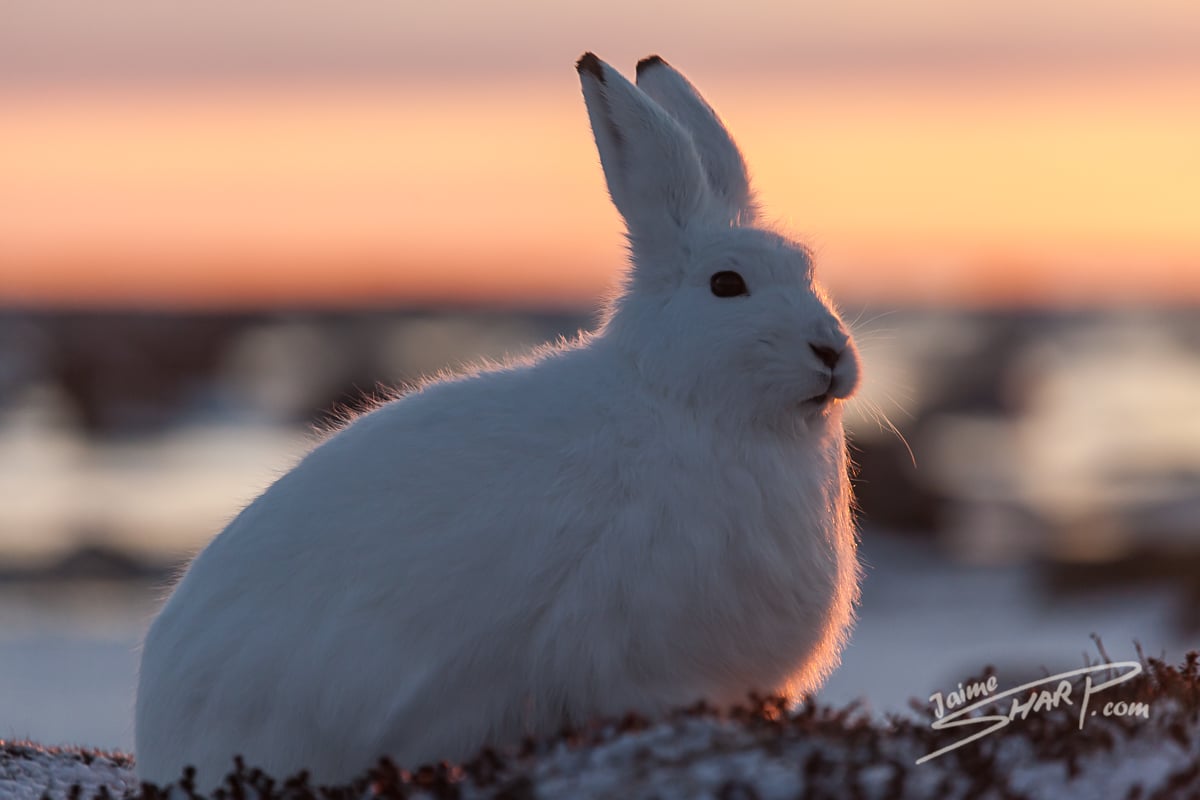
Imagine a world of endless ice and snow, where the wind howls and temperatures plummet to unimaginable lows. This is the Arctic, a land of stark beauty and incredible resilience. But how do animals not just survive, but thrive in such a harsh environment? It's a question that has fascinated scientists and nature enthusiasts for generations.
It's easy to marvel at the majestic polar bear or the playful arctic fox, but have you ever truly considered the challenges these creatures face daily? Finding food, staying warm, and raising young in a landscape that seems intent on their demise – it’s a constant battle against the elements. What unique adaptations have they developed to conquer this frozen realm?
This blog post explores the fascinating world of Arctic animals and the ingenious strategies they employ to survive the cold. We'll delve into the science behind their thick fur, their specialized diets, and their remarkable behavioral adaptations that allow them to not only endure but flourish in one of the most challenging environments on Earth.
In the Arctic, survival is an art form. Animals like polar bears, arctic foxes, seals, walruses, and caribou have developed remarkable adaptations – thick layers of blubber, dense fur coats, specialized circulatory systems, and migratory behaviors – to combat the extreme cold, find food, and raise their young. Understanding these adaptations provides valuable insights into the power of natural selection and the incredible resilience of life in even the harshest conditions.
Blubber: Nature's Insulation
My first real understanding of blubber came during a visit to an aquarium as a child. I remember being utterly amazed by the harbor seals, sleek and seemingly unfazed by the chilly water in their enclosure. The guide explained that a thick layer of blubber, far more than any wetsuit could provide, kept them warm and buoyant. This ignited my curiosity about how different animals cope with extreme temperatures, and especially how Arctic animals thrived in freezing conditions. What is blubber? Blubber is a thick layer of fat found beneath the skin of many marine mammals, including seals, whales, and walruses. It serves as a vital insulator, preventing heat loss in cold environments. Beyond insulation, blubber also provides energy storage, allowing animals to survive periods of food scarcity, and contributes to buoyancy, helping them stay afloat in the water. The thickness of the blubber layer varies depending on the species and the environment they inhabit, with Arctic animals generally possessing the thickest layers for maximum protection against the cold. In essence, blubber is a remarkable adaptation that allows these creatures to thrive in icy waters where other mammals would quickly succumb to hypothermia.
The Magic of Fur: More Than Just a Coat
Fur is perhaps the most obvious adaptation for surviving in the Arctic, but its effectiveness goes far beyond simply being warm.What is special about their fur? Arctic animals like the arctic fox, polar bear, and musk ox possess dense, multi-layered fur coats that trap air close to the body, creating a layer of insulation that significantly reduces heat loss. The outer layer of fur is often made up of long, guard hairs that protect the underfur from moisture and wind, while the underfur consists of shorter, denser hairs that provide the primary insulation. Some Arctic animals, like the arctic fox, even have fur on the soles of their feet, providing additional insulation and traction on ice and snow. Furthermore, the fur of some Arctic animals, like the arctic fox and arctic hare, changes color with the seasons, providing camouflage that helps them evade predators and sneak up on prey. This combination of insulation, protection, and camouflage makes fur an indispensable adaptation for surviving the harsh Arctic environment. The fur of Arctic animals is not just a coat, it is a sophisticated system designed for survival.
History and Mythology of Arctic Animal Adaptations
Throughout history, humans have been fascinated by the ability of Arctic animals to thrive in such a harsh environment. Indigenous cultures of the Arctic, such as the Inuit and Sami, have long revered these animals and incorporated them into their mythology and folklore. These cultures often attributed spiritual significance to animals like the polar bear, caribou, and seal, recognizing their importance for survival and respecting their unique adaptations. What are some of the myths? For example, the polar bear is often seen as a symbol of strength, courage, and resilience, while the caribou is viewed as a provider of sustenance and a symbol of migration and adaptability. Stories and legends often depict these animals as powerful beings with supernatural abilities, reflecting the deep connection between humans and the natural world in the Arctic. In modern times, scientific research has helped us to understand the physiological and behavioral adaptations that allow Arctic animals to survive in the cold, but the sense of awe and wonder that these creatures inspire remains unchanged. The history and mythology surrounding Arctic animals provide a rich context for understanding their importance and appreciating their remarkable adaptations.
Unveiling the Hidden Secrets of Arctic Survival
While thick fur and blubber are well-known adaptations for surviving in the Arctic, there are many other hidden secrets that contribute to the survival of these animals. What are some of these secrets? One such secret is the ability of some Arctic animals, like the arctic ground squirrel, to hibernate for extended periods, drastically reducing their metabolic rate and energy expenditure during the coldest months. Another secret is the countercurrent heat exchange system found in the legs and feet of many Arctic birds and mammals, which allows them to conserve heat by transferring it from warm arterial blood to cold venous blood returning from the extremities. Some Arctic animals also have specialized diets that provide them with the energy and nutrients they need to survive in the cold. For example, polar bears primarily feed on seals, which are rich in fat and protein, while caribou consume lichens, which are a hardy and nutritious food source. These hidden secrets, combined with more obvious adaptations like fur and blubber, help to explain how Arctic animals are able to thrive in one of the most challenging environments on Earth. Understanding these secrets is essential for protecting these animals and their habitats in the face of climate change and other threats.
Recommendations for Further Exploration of Arctic Animals
If you're fascinated by Arctic animals and their remarkable adaptations, there are many resources available to help you learn more. What do you recommend? Consider watching documentaries about Arctic wildlife, such as "Frozen Planet" or "Arctic Tale," which offer stunning footage of animals in their natural habitats. You can also read books about Arctic ecology, such as "Arctic Dreams" by Barry Lopez or "Life in the Cold" by Peter Marchand, which provide in-depth insights into the science and natural history of the Arctic. Online resources, such as the websites of the World Wildlife Fund and the National Geographic Society, offer a wealth of information about Arctic animals and their conservation. If you have the opportunity, consider visiting an Arctic region yourself, whether on a guided tour or an independent adventure, to experience the beauty and challenges of this unique environment firsthand. By exploring the Arctic through these different avenues, you can deepen your understanding of these incredible animals and the importance of protecting their fragile ecosystem. There are so many ways to learn more about the Arctic and its amazing inhabitants.
Diving Deeper: The Science of Thermoregulation
Thermoregulation, the ability to maintain a stable internal body temperature despite external temperature fluctuations, is crucial for survival in the Arctic. How do they maintain a stable temperature? Arctic animals employ a range of physiological and behavioral mechanisms to achieve this. Thick fur and blubber provide insulation, reducing heat loss to the environment. Vasoconstriction, the narrowing of blood vessels near the skin surface, also helps to conserve heat by reducing blood flow to the extremities. Conversely, when animals need to cool down, they can employ vasodilation, the widening of blood vessels near the skin surface, to increase heat loss. Shivering, a rapid contraction of muscles, generates heat and helps to raise body temperature. Behavioral adaptations, such as seeking shelter from the wind and sun, also play a significant role in thermoregulation. For example, polar bears often dig dens in the snow to protect themselves from the elements, while caribou may huddle together in large groups to reduce heat loss. By understanding the science of thermoregulation, we can gain a deeper appreciation for the remarkable adaptations that allow Arctic animals to thrive in the cold. It's a complex interplay of physiology and behavior that ensures their survival.
Tips for Observing Arctic Animals Respectfully
If you're fortunate enough to travel to the Arctic and observe these amazing animals in their natural habitats, it's essential to do so respectfully and responsibly. What are some important tips? Maintain a safe distance from the animals to avoid disturbing them or interfering with their behavior. Use binoculars or a telephoto lens to get a closer look without getting too close. Avoid making loud noises or sudden movements that could startle the animals. Never feed Arctic animals, as this can disrupt their natural feeding habits and make them dependent on humans. Follow the guidelines of your tour operator or local authorities, and respect any designated protected areas or closures. Be aware of the potential impacts of your presence on the environment, such as trampling vegetation or disturbing nesting sites. Pack out all of your trash and leave no trace of your visit. By following these tips, you can help to ensure that Arctic animals remain healthy and thriving for generations to come. Responsible tourism is key to protecting these fragile ecosystems.
The Importance of Studying Arctic Animals
Studying Arctic animals is crucial for understanding the impacts of climate change on the Arctic ecosystem and for developing effective conservation strategies. Why is it important to study them? Arctic animals are particularly vulnerable to climate change because their habitats are rapidly changing due to melting ice and rising temperatures. By studying the physiology, behavior, and ecology of Arctic animals, scientists can gain valuable insights into how these animals are responding to these changes and what measures can be taken to protect them. For example, research on polar bears has revealed that they are increasingly struggling to find food as sea ice melts, forcing them to spend more time on land and travel longer distances in search of prey. Similarly, studies on caribou have shown that changes in snow cover and vegetation are affecting their migration patterns and reproductive success. By monitoring these trends and understanding the underlying mechanisms, scientists can inform policy decisions and develop strategies to mitigate the impacts of climate change on Arctic animals and their habitats. The study of Arctic animals is essential for ensuring the long-term health and resilience of the Arctic ecosystem.
Fun Facts About Arctic Animals
The world of Arctic animals is full of fascinating and surprising facts. What are some fun facts? Did you know that the arctic fox can survive temperatures as low as -70 degrees Celsius? Or that the musk ox has a thick undercoat of wool called qiviut, which is eight times warmer than sheep's wool? Polar bears have black skin under their white fur, which helps them to absorb sunlight and stay warm. Narwhals, often called the "unicorns of the sea," have a long tusk that is actually a modified tooth. Caribou can run up to 50 miles per hour and can swim long distances. These are just a few examples of the many amazing adaptations and behaviors of Arctic animals. By learning more about these fascinating creatures, we can develop a greater appreciation for their resilience and the importance of protecting their fragile ecosystem. Each fact reveals a new layer of understanding about their incredible survival strategies.
How to Help Arctic Animals
There are many ways to help Arctic animals, even if you don't live near the Arctic. What can you do to help? Reduce your carbon footprint by conserving energy, using public transportation, and making sustainable consumer choices. Support organizations that are working to protect Arctic habitats and wildlife, such as the World Wildlife Fund or the Arctic Council. Educate yourself and others about the threats facing Arctic animals, such as climate change, pollution, and habitat loss. Advocate for policies that protect the Arctic environment and promote sustainable development. When traveling, choose eco-friendly tour operators that minimize their impact on the environment and support local communities. By taking these actions, you can help to ensure that Arctic animals continue to thrive for generations to come. Every small action makes a difference in protecting these vulnerable creatures and their homes.
What if Arctic Ice Continues to Melt?
The continued melting of Arctic ice poses a grave threat to Arctic animals and the entire Arctic ecosystem. What are the consequences? As sea ice disappears, polar bears lose their primary hunting grounds, making it harder for them to find food and survive. Seals also rely on sea ice for breeding and resting, and their populations are declining as the ice disappears. Walruses are forced to haul out on land in large numbers, leading to overcrowding and increased mortality. Changes in ice cover also affect the distribution and abundance of plankton, the base of the Arctic food web, impacting all levels of the ecosystem. Rising temperatures are causing permafrost to thaw, releasing greenhouse gases and further accelerating climate change. If Arctic ice continues to melt at the current rate, the Arctic ecosystem will undergo profound and irreversible changes, with devastating consequences for Arctic animals and the entire planet. It's a stark warning about the urgent need to address climate change.
Listicle of Arctic Animal Adaptations
Here's a listicle summarizing the key adaptations that allow Arctic animals to survive the cold:
- Thick Fur Coats: Provides insulation and protection from the wind and moisture.
- Blubber: A thick layer of fat that insulates, stores energy, and provides buoyancy.
- Countercurrent Heat Exchange: Conserves heat by transferring it from warm arterial blood to cold venous blood.
- Hibernation: Allows animals to conserve energy during the coldest months.
- Migration: Enables animals to find food and breeding grounds in different areas.
- Camouflage: Helps animals to evade predators and sneak up on prey.
- Specialized Diets: Provides animals with the energy and nutrients they need to survive in the cold.
- Large Body Size: Reduces the surface area to volume ratio, minimizing heat loss.
- Social Behavior: Huddling together can help animals to conserve heat.
- Physiological Adaptations: Such as specialized enzymes and antifreeze proteins, help animals to function at low temperatures. These adaptations are testament to the incredible power of natural selection and the resilience of life in the Arctic.
Question and Answer
Q: How does climate change affect Arctic animals?
A: Climate change is causing Arctic ice to melt, which is reducing the habitat for animals like polar bears and seals, making it harder for them to find food and survive.
Q: What is blubber and how does it help Arctic animals?
A: Blubber is a thick layer of fat found beneath the skin of many marine mammals. It provides insulation, energy storage, and buoyancy, helping animals to survive in cold waters.
Q: What is countercurrent heat exchange?
A: Countercurrent heat exchange is a system that allows animals to conserve heat by transferring it from warm arterial blood to cold venous blood returning from the extremities.
Q: What can I do to help protect Arctic animals?
A: You can reduce your carbon footprint, support organizations working to protect Arctic habitats, and educate yourself and others about the threats facing Arctic animals.
Conclusion of Animals of the Arctic: How They Survive the Cold
The Arctic is a land of extremes, and the animals that call it home have evolved remarkable adaptations to survive in this challenging environment. From thick fur and blubber to specialized diets and behavioral strategies, Arctic animals demonstrate the power of natural selection and the resilience of life in even the harshest conditions. Understanding these adaptations is crucial for protecting these vulnerable creatures and their fragile ecosystem in the face of climate change and other threats. By learning about and supporting Arctic conservation efforts, we can help to ensure that these amazing animals continue to thrive for generations to come. The future of the Arctic depends on our collective action.
0 Response to "Animals of the Arctic: How They Survive the Cold"
Post a Comment