Animal Childhood: Who Raises Their Young Best?
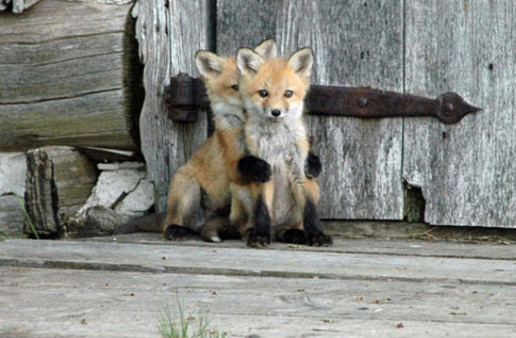
Ever wondered who the ultimate parents are in the animal kingdom? We often marvel at the diversity of life on Earth, but how much do we truly consider the varied approaches to raising the next generation? From the devoted to the detached, the animal kingdom offers a fascinating spectrum of parenting styles.
It’s easy to fall into the trap of anthropomorphizing animal behavior, judging their parenting skills by human standards. We might question the seeming abandonment of young or the intense competition within a litter. But are our judgments fair? Is there a single "best" way to raise offspring when survival in the wild demands such different strategies?
Ultimately, the answer to "who raises their young best?" isn't straightforward. It depends entirely on the species and the specific challenges they face. This exploration delves into the diverse parenting strategies across the animal world, showcasing the dedication, sacrifice, and ingenuity of mothers and fathers (and sometimes, even communities) striving to ensure their offspring's survival. We'll examine different methods of raising young and consider the survival rates of different species, allowing us to compare and contrast parenting styles in a meaningful way.
We've journeyed through the fascinating world of animal parenting, witnessing the unwavering devotion of some species and the seemingly harsh realities faced by others. From the architectural marvels of bowerbirds designed to woo mates, influencing future offspring potential, to the solitary sacrifices of certain insect mothers, the commitment to perpetuating their lineage shines through in diverse ways. Considering factors like parental investment, survival rates, and environmental pressures, we can appreciate the complex and often awe-inspiring strategies employed to raise the next generation. Key themes explored include parental care, animal behavior, evolutionary strategies, and species survival.
The Dedicated Moms: Maternal Investment in the Animal Kingdom
I remember watching a nature documentary once about emperor penguins in Antarctica. The sheer dedication of the mothers, laying their single egg and then entrusting it to the fathers while they trekked miles to the ocean for food, was astounding. The fathers, huddled together in the brutal cold, protecting the eggs from the elements, painted a picture of unparalleled parental cooperation. But what struck me most was the mother's return, months later, finding her mate and chick amidst thousands of identical-looking penguins. It underscored the intense bond and the incredible investment mothers make in their offspring. This highlights the essence of maternal investment - a behavior observed across many species where mothers dedicate significant resources to ensure the survival and well-being of their young. This investment can take many forms, including providing food, shelter, protection, and even teaching essential survival skills.
In the animal kingdom, maternal investment is driven by evolutionary pressures. Mothers often face higher costs associated with reproduction, such as gestation and lactation. As a result, they tend to be more selective about who they mate with and invest more in each offspring. This is particularly evident in species with long lifespans and low reproductive rates, where each offspring represents a significant portion of the mother's reproductive potential. Some species exhibit extreme forms of maternal care. For example, female orangutans nurse their young for up to eight years, teaching them essential survival skills like foraging and nest building. Similarly, African elephants form strong social bonds with their daughters, providing them with lifelong support and protection. The benefits of high maternal investment are clear: increased offspring survival rates and improved long-term fitness.
Nature's Nurturers: Exploring Diverse Parenting Styles
Animal parenting styles are as diverse as the animal kingdom itself. From the fiercely protective lioness to the seemingly absent sea turtle mother, each species has evolved a unique approach to raising its young. Some animals, like wolves, exhibit cooperative breeding, where multiple adults contribute to raising the pups. This allows for increased hunting success and enhanced protection from predators. Others, like cuckoos, are brood parasites, laying their eggs in the nests of other birds and leaving them to raise their young. While this may seem callous, it's a successful strategy for the cuckoo, freeing up its time and energy to reproduce further.
The environment plays a significant role in shaping parenting styles. In harsh environments with limited resources, animals may invest less in each offspring, focusing instead on producing a large number of offspring and hoping that a few will survive. In more stable environments, animals may invest more in each offspring, increasing their chances of survival and reproductive success. Another factor influencing parenting styles is the availability of resources. In environments with abundant food, parents may be able to provide their young with more nourishment, leading to faster growth and development. In environments with scarce food, parents may need to teach their young how to forage and hunt at an early age. Understanding the factors that influence animal parenting styles can help us appreciate the diversity and complexity of life on Earth. It also highlights the importance of protecting animal habitats and ensuring that animals have the resources they need to raise their young successfully.
Myths and Legends: The Truth Behind Animal Family Values
For centuries, human cultures have woven myths and legends around animal behavior, often projecting our own values and beliefs onto the animal kingdom. One common myth is that all animal mothers are fiercely protective and nurturing. While this is true for many species, there are also cases of infanticide, where mothers kill their own offspring. This may seem shocking, but it can be a survival strategy in certain situations, such as when resources are scarce or when the offspring are unlikely to survive. Another myth is that animal fathers are uninvolved in raising their young. While this is true for many species, there are also cases of paternal care, where fathers play a significant role in raising their offspring. Seahorses, for example, are known for their unique form of paternal care, where the male carries the eggs in a pouch until they hatch.
It's important to separate fact from fiction when it comes to animal parenting. While myths and legends can be entertaining, they can also distort our understanding of animal behavior. By studying animal behavior scientifically, we can gain a more accurate and nuanced understanding of how animals raise their young. This knowledge can help us appreciate the diversity and complexity of animal life and inform our conservation efforts. For example, understanding the importance of paternal care in certain species can help us design conservation strategies that protect male breeding grounds and ensure that fathers can continue to play their role in raising their offspring. Moreover, dispelling harmful myths about animal behavior can promote greater respect and empathy for animals, leading to more responsible interactions with wildlife.
The Secret Lives of Animal Families: Unveiling Hidden Strategies
Beyond the observable behaviors of animal parents lies a world of subtle strategies and hidden interactions. Take, for instance, the seemingly simple act of grooming. While it appears to be a way to keep offspring clean, grooming also serves as a crucial form of bonding, strengthening the relationship between parent and child. Furthermore, grooming can transmit vital information about social hierarchies and acceptable behaviors within the group. Similarly, play, which may appear frivolous, is actually a critical learning experience for young animals. Through play, they develop essential motor skills, learn to cooperate with others, and practice predator evasion techniques.
Communication also plays a vital role in the secret lives of animal families. Animals use a variety of signals, including vocalizations, body language, and scent marking, to communicate with their offspring. These signals can convey a wide range of information, from warnings about danger to instructions on how to find food. Some animals even use deception to protect their young. For example, killdeer feign injury to lure predators away from their nests. Another hidden aspect of animal family life is the role of social learning. Young animals learn by observing and imitating their parents and other members of their social group. This allows them to acquire essential survival skills without having to learn everything from scratch. Understanding the secret lives of animal families can deepen our appreciation for the complexity of animal behavior and highlight the importance of protecting animal habitats to ensure that these hidden strategies can continue to be passed down from one generation to the next. In essence, the apparent simplicity of animal family life belies a intricate network of communication, learning, and social interaction that shapes the lives of young animals.
Top Recommendations: Ensuring Healthy Animal Childhoods
If we want to support healthy animal childhoods, both in the wild and in captivity, there are several key recommendations to consider. First and foremost, habitat conservation is paramount. Protecting and restoring animal habitats provides the resources that animals need to raise their young successfully. This includes ensuring access to food, water, shelter, and safe breeding grounds. Supporting organizations dedicated to habitat conservation is a direct way to contribute to this effort. Secondly, responsible pet ownership is crucial. If you have pets, make sure they are properly cared for and do not contribute to the decline of wild animal populations. This includes preventing cats from roaming outdoors and supporting responsible breeding practices.
Education is another important aspect of ensuring healthy animal childhoods. Learning about the challenges that animals face can inspire us to take action. Sharing this knowledge with others can help raise awareness and promote conservation efforts. Reducing our environmental footprint is also essential. This includes making conscious choices about the products we buy, the energy we use, and the waste we generate. By reducing our impact on the environment, we can help protect the habitats and resources that animals need to thrive. Supporting ethical tourism is another way to contribute to animal conservation. Choose tourism operators that prioritize animal welfare and sustainable practices. This ensures that tourism benefits local communities and does not harm animals or their habitats. Finally, advocating for stronger animal protection laws is crucial. Contacting your elected officials and expressing your support for animal welfare legislation can make a real difference in protecting animals and their young. By taking these steps, we can contribute to creating a world where all animals have the opportunity to thrive.
Protecting Vulnerable Species and Their Young
Certain animal species face particularly acute threats to their survival, making the protection of their young even more critical. Endangered species, for example, often have small populations and limited genetic diversity, making them vulnerable to disease and environmental changes. Protecting their breeding grounds and ensuring that their young have the resources they need to survive is essential for their long-term survival. Climate change poses another significant threat to animal childhoods. As temperatures rise and habitats change, many animals are struggling to adapt. This can lead to reduced breeding success and increased mortality rates among young animals.
Pollution also poses a serious threat to animal health and development. Exposure to toxins can impair immune function, disrupt hormone balances, and cause birth defects. Reducing pollution and cleaning up contaminated sites can help protect animals from these harmful effects. Habitat fragmentation is another major challenge for animal populations. When habitats are fragmented, animals are isolated from each other, making it difficult for them to find mates and disperse to new areas. Creating wildlife corridors that connect fragmented habitats can help animals move freely and maintain genetic diversity. Invasive species can also pose a threat to native animal populations. Invasive species can outcompete native species for resources, prey on their young, and spread diseases. Controlling invasive species and preventing new introductions is essential for protecting native animal populations. By addressing these threats and implementing effective conservation strategies, we can help ensure that vulnerable species and their young have a chance to thrive.
Expert Tips: Understanding Animal Parenting Behaviors
Understanding animal parenting behaviors can provide valuable insights into their lives and help us better appreciate their challenges. One key tip is to observe animals in their natural habitat whenever possible. This allows you to see how they interact with their environment and how they raise their young. Look for patterns in their behavior and try to understand the reasons behind their actions. Another helpful tip is to consult with experts, such as biologists, zoologists, and wildlife rehabilitators. These professionals have extensive knowledge about animal behavior and can provide valuable insights into the specific needs of different species.
Reading scientific literature and watching documentaries about animal behavior can also be informative. These resources can provide you with detailed information about animal parenting strategies and the challenges they face. Another important tip is to be respectful of animals and their habitats. Avoid disturbing animals or their young, and always follow ethical guidelines when observing wildlife. Remember that animals are sensitive creatures and that our actions can have a significant impact on their well-being. Finally, support organizations that are dedicated to animal conservation and research. By contributing to these organizations, you can help protect animals and their habitats and promote a better understanding of animal behavior. By following these tips, you can gain a deeper understanding of animal parenting behaviors and contribute to their conservation.
Decoding Animal Communication: Signals and Cues
Animal communication is a complex and fascinating field of study. Animals use a variety of signals and cues to communicate with each other, including vocalizations, body language, scent marking, and visual displays. Understanding these signals can provide valuable insights into animal behavior and social interactions. Vocalizations are one of the most common forms of animal communication. Animals use a wide range of sounds to communicate different messages, such as warnings about danger, mating calls, and signals of aggression.
Body language is another important form of animal communication. Animals use their body posture, facial expressions, and gestures to convey their emotions and intentions. Scent marking is a common form of communication among mammals. Animals use their urine, feces, and glandular secretions to mark their territory and communicate with other members of their species. Visual displays are often used by animals to attract mates or to establish dominance. These displays can include bright colors, elaborate dances, and aggressive postures. Learning to decode animal communication requires careful observation and a willingness to learn. By paying attention to the signals and cues that animals use, we can gain a deeper understanding of their lives and social interactions. This knowledge can also help us to better protect animals and their habitats.
Fun Facts: Amazing Animal Parenting Feats
The animal kingdom is full of astonishing parenting feats that showcase the incredible dedication and ingenuity of animal parents. Did you know that some species of spiders regurgitate food for their young to eat? Or that male seahorses carry eggs in a pouch until they hatch? These are just a few examples of the amazing adaptations that animals have evolved to raise their young successfully. Emperor penguins, as mentioned earlier, endure some of the harshest conditions on Earth to incubate their eggs. Male emperor penguins huddle together in the freezing Antarctic winter for months, protecting their eggs from the cold while the females are away foraging for food.
Another fascinating example is the parenting behavior of burying beetles. These beetles bury small carcasses, lay their eggs on them, and then tend to the larvae, feeding them and protecting them from predators. Some species of birds, such as the superb fairy-wren, have helper birds that assist the parents in raising their young. These helpers can be siblings or other relatives who help with feeding, protecting, and teaching the young birds. These fun facts highlight the diversity and complexity of animal parenting behaviors. They also remind us that animals are capable of incredible feats of dedication and sacrifice to ensure the survival of their offspring. By learning about these amazing parenting feats, we can gain a greater appreciation for the wonders of the natural world.
How To: Support Animal Parents in Your Community
There are many ways you can support animal parents in your community, contributing to their well-being and ensuring the survival of their offspring. One of the most effective ways is to support local wildlife rehabilitation centers. These centers provide care for injured, orphaned, and sick animals, giving them a chance to recover and return to the wild. You can volunteer your time, donate supplies, or make a financial contribution to support their work. Another way to help is to create a wildlife-friendly habitat in your backyard. This can involve planting native trees and shrubs, providing a source of water, and avoiding the use of pesticides and herbicides.
If you find an injured or orphaned animal, contact your local wildlife rehabilitation center or animal control agency for guidance. Do not attempt to care for the animal yourself, as you may unintentionally harm it. Be mindful of your pets and their interactions with wildlife. Keep cats indoors to prevent them from hunting birds and other small animals. Keep dogs on a leash when walking in natural areas to prevent them from disturbing wildlife and their young. Advocate for stronger animal protection laws in your community. Contact your elected officials and express your support for legislation that protects animals and their habitats. By taking these steps, you can make a positive impact on the lives of animal parents in your community and help ensure the survival of their offspring. Your actions, no matter how small, can make a difference in creating a more wildlife-friendly community.
What If?: Exploring Alternative Parenting Strategies in Animals
What if animals adopted entirely different parenting strategies? What if, for example, all mammals abandoned parental care altogether, laying eggs instead and leaving the young to fend for themselves? This scenario would likely have profound consequences for the survival and evolution of these species. Mammalian parental care provides numerous benefits, including protection from predators, access to food, and the transmission of essential skills. Without these benefits, many mammalian species would likely face much higher mortality rates and reduced reproductive success.
Consider also what might happen if certain species swapped parenting roles – what if male lions took on the primary responsibility of raising cubs, while the females focused solely on hunting? Such a shift would undoubtedly alter social structures and hunting dynamics within lion prides. The current system, where females cooperate in hunting and raising cubs, has proven highly effective for survival. A radical change could potentially disrupt this delicate balance. Or, what if some animals began to adopt human-like parenting styles, emphasizing education and emotional development over basic survival skills? While this might seem appealing from a human perspective, it could leave animals ill-prepared to face the challenges of the wild. A focus on survival skills, such as foraging, predator evasion, and social interaction, is crucial for ensuring the long-term success of animal populations. Exploring these alternative scenarios helps us appreciate the importance of the parenting strategies that animals have evolved and the complex factors that influence their survival.
Listicle: Top 5 Animal Parenting Superstars
Here's a listicle showcasing five animal parenting superstars, highlighting their unique and effective strategies for raising their young:
- Emperor Penguins: As previously mentioned, the unwavering dedication of emperor penguin parents to incubating their eggs in the freezing Antarctic winter is truly remarkable.
- African Elephants: The strong social bonds and lifelong support provided by female African elephants to their daughters is a testament to the importance of family in the animal kingdom.
- Orangutans: The extensive period of maternal care provided by orangutans, including teaching essential survival skills, ensures that their young have the best possible chance of success.
- Wolf Packs: The cooperative breeding exhibited by wolf packs, where multiple adults contribute to raising the pups, allows for increased hunting success and enhanced protection from predators.
- Burying Beetles: The remarkable parenting behavior of burying beetles, who bury carcasses and care for their larvae, highlights the ingenuity of animal parents in providing for their young.
These are just a few examples of the many animal parenting superstars that exist in the natural world. Their dedication, sacrifice, and ingenuity inspire us to appreciate the wonders of animal life and the importance of protecting their habitats.
Question and Answer: Decoding Animal Parenting
Here are some common questions and answers about animal parenting:
Question: What is the most important factor in determining animal parenting styles?
Answer: The most important factor is the environment and the specific challenges faced by the species. Animals in harsh environments may invest less in each offspring, while animals in stable environments may invest more.
Question: Do animal fathers ever play a role in raising their young?
Answer: Yes, in many species, animal fathers play a significant role in raising their young. Examples include seahorses, emperor penguins, and wolf packs.
Question: What is the difference between maternal care and paternal care?
Answer: Maternal care refers to the care provided by mothers, while paternal care refers to the care provided by fathers. The type of care provided can vary depending on the species.
Question: Why do some animals abandon their young?
Answer: Animals may abandon their young for a variety of reasons, such as lack of resources, poor health of the offspring, or the need to focus on future reproduction.
Conclusion of Animal Childhood: Who Raises Their Young Best?
Ultimately, the concept of "best" parenting is subjective and depends on the specific context of each species' environment and evolutionary history. What works for one animal may not work for another. By studying the diverse parenting strategies across the animal kingdom, we can gain a deeper appreciation for the complexity and beauty of life on Earth. Moreover, we can learn valuable lessons about the importance of parental care, cooperation, and adaptation. Protecting animal habitats and ensuring the survival of all species is crucial for preserving the wonders of the natural world and ensuring that future generations can continue to marvel at the amazing feats of animal parenting.
0 Response to "Animal Childhood: Who Raises Their Young Best?"
Post a Comment