The Science Behind Animal Migration Patterns
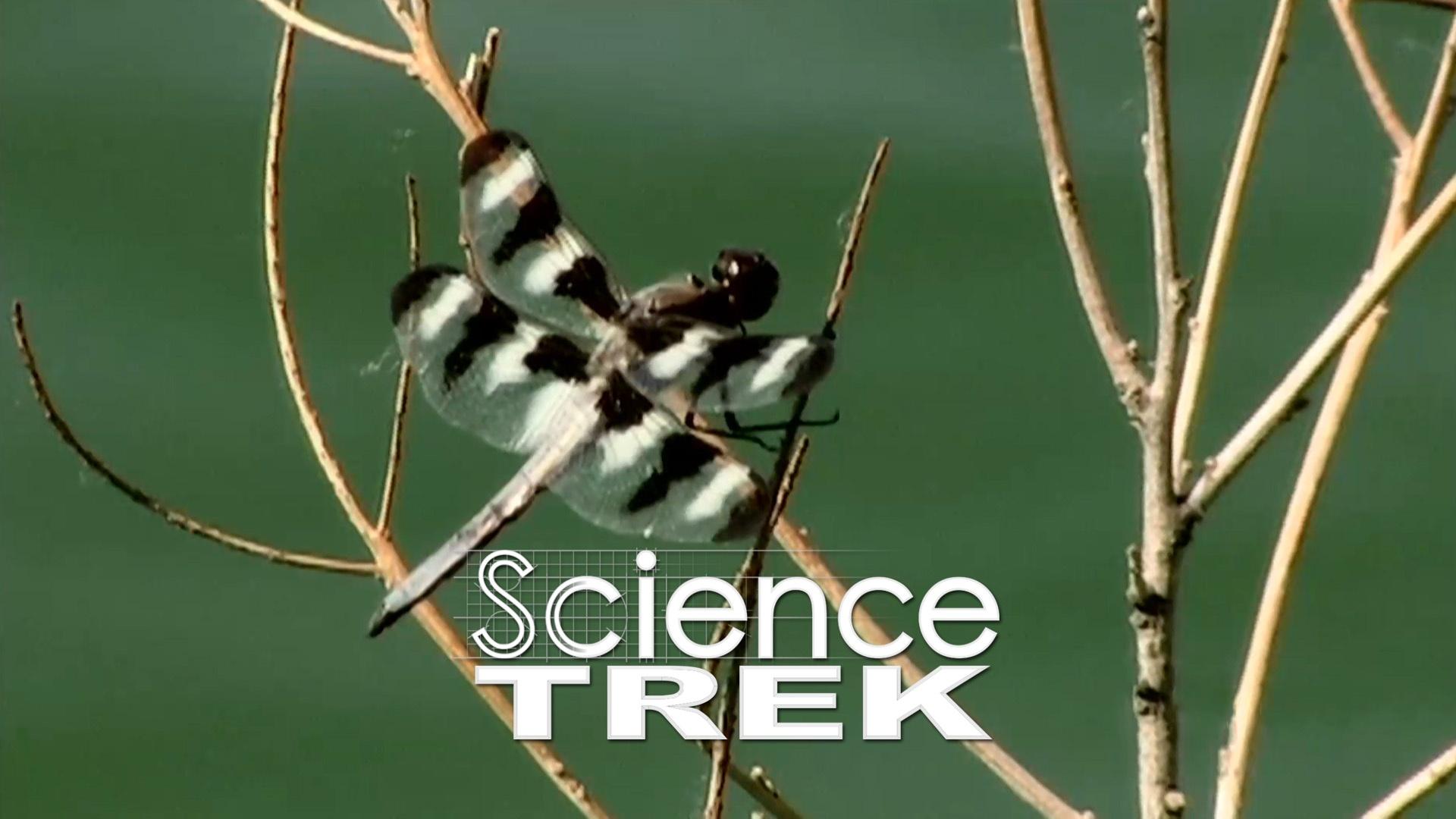
Imagine billions of creatures, from the tiniest insects to the largest whales, embarking on epic journeys across continents and oceans. What drives these incredible odysseys? It's not just wanderlust; it's a complex interplay of instinct, environment, and an internal compass that scientists are only beginning to understand.
Ever wonder how animals know where to go, especially when they've never been there before? Or how they navigate across vast landscapes with seemingly no landmarks? The sheer scale and precision of these migrations leave many in awe, prompting questions about the underlying mechanisms and the evolutionary advantages that make these perilous journeys worthwhile. Understanding these patterns can be incredibly complex, involving everything from genetics and neurology to meteorology and geography.
This blog post delves into the fascinating science behind animal migration patterns, exploring the biological, environmental, and evolutionary factors that influence these incredible journeys. We'll uncover the secrets of their navigation, the triggers that initiate migration, and the challenges they face along the way.
We've journeyed into the intricate world of animal migration, uncovering the roles of magnetoreception, celestial navigation, and environmental cues. We've touched on the evolutionary pressures that drive these behaviors and the impact of human activities on these ancient routes. Keywords explored include: animal migration, navigation, magnetoreception, celestial navigation, environmental cues, evolutionary biology, conservation, and climate change.
Internal Compass: Magnetoreception
Magnetoreception, the ability to detect magnetic fields, is one of the most fascinating aspects of animal navigation. For years, scientists have been trying to understand exactly how animals can sense the Earth's magnetic field. Some researchers believe that certain animals possess specialized cells containing magnetite, a magnetic iron oxide, which could act as tiny compass needles. Others suggest that light-sensitive proteins in the eyes react to magnetic fields, enabling the animal to “see” the direction of the Earth’s magnetic pull.
I remember being absolutely floored when I first learned about magnetoreception. It felt like something out of a science fiction movie! I was hiking in the Appalachian Mountains, thinking about how birds effortlessly fly thousands of miles to their breeding grounds, and it struck me how incredible it was that they might actually be "seeing" the Earth's magnetic field.
For example, sea turtles use magnetoreception to navigate the oceans. Young sea turtles, after hatching, embark on a journey into the open ocean, where they spend several years before returning to coastal waters. They use the Earth’s magnetic field as a map, allowing them to pinpoint specific locations and follow consistent routes. Experiments have shown that turtles can distinguish between different magnetic fields, guiding them on their epic migrations. Similarly, birds like the European robin use their internal magnetic compass to find their way during migration. Their ability to sense the magnetic field ensures they stay on course, even during long and arduous journeys. The precision and reliability of this navigational sense are truly astounding, highlighting the intricate connection between animals and their environment.
Celestial Navigation: Stars and Sun
Celestial navigation is another remarkable skill employed by migratory animals. This involves using the positions of celestial bodies, such as the sun and stars, to determine direction. Birds, in particular, are known for their ability to orient themselves using the sun's position. They possess a biological clock that allows them to compensate for the sun's movement across the sky, maintaining a constant bearing. This ability is not innate but is learned through experience and observation. Young birds learn from experienced adults, gradually developing their navigational skills.
But how do they navigate at night? Some species of birds use constellations to guide their way. They can recognize patterns of stars and use them to determine their heading. Experiments have shown that birds in planetariums, exposed to artificial star patterns, will orient themselves according to the simulated night sky. This demonstrates their remarkable ability to interpret celestial cues and use them for navigation. This form of navigation requires an intricate understanding of the night sky and an innate ability to interpret patterns of light.
The precision with which animals use celestial cues is astonishing. Migratory birds are able to stay on course, even over vast distances, using the stars as their guide. These navigational skills are essential for their survival, enabling them to reach their breeding grounds and return to their wintering areas. The ability to use celestial navigation highlights the complexity and sophistication of animal migratory behavior.
Evolutionary Drivers of Migration
The evolutionary drivers of migration are rooted in the fundamental need to find resources and reproduce successfully. Animals migrate to exploit seasonal changes in food availability, breeding grounds, and climate. Migration allows them to access resources that are not available year-round in a single location. For instance, many birds migrate north in the spring to take advantage of the abundant insect life for raising their young. As winter approaches and food becomes scarce, they migrate south to warmer climates with more plentiful food sources.
The benefits of migration must outweigh the risks. These journeys are fraught with danger, including predation, starvation, and exposure to harsh weather conditions. However, the increased access to resources and breeding opportunities makes migration a worthwhile strategy for many species. Over time, natural selection has favored individuals that are better at navigating, enduring long journeys, and adapting to changing environments. This has led to the evolution of specialized adaptations for migration, such as increased fat storage for energy, streamlined body shapes for efficient flight, and enhanced navigational abilities.
Migration is not a static behavior; it can evolve and change over time in response to environmental pressures. For example, climate change is altering migration patterns in many species. As temperatures rise and habitats shift, animals are forced to adapt or face extinction. Some species are shortening their migrations, while others are changing their routes or timing. Understanding the evolutionary drivers of migration is crucial for predicting how animals will respond to future environmental changes and for developing effective conservation strategies.
Human Impact on Migration Patterns
Human activities have significantly impacted animal migration patterns around the world. Habitat destruction, pollution, and climate change are among the major threats to migratory species. As natural habitats are destroyed for agriculture, development, and resource extraction, animals lose critical stopover sites and breeding grounds. This can disrupt their migration routes and reduce their chances of survival. Pollution, including light and noise pollution, can also interfere with animal navigation and orientation.
Climate change is another major threat to migratory species. Rising temperatures, changing weather patterns, and altered habitats are affecting the timing and routes of migration. Some species are arriving at their breeding grounds too early or too late, missing out on crucial food resources. Others are forced to travel longer distances to find suitable habitats. The impacts of climate change are particularly severe for species that rely on specific environmental cues for navigation, such as temperature or day length.
Conservation efforts are essential for protecting migratory species and their habitats. This includes preserving and restoring critical stopover sites, reducing pollution, and mitigating the effects of climate change. International cooperation is also necessary to protect migratory species that cross national borders. By working together, we can ensure that these incredible journeys continue for generations to come. The future of migration depends on our ability to understand and address the threats posed by human activities.
Recommendations for Supporting Migratory Species
Supporting migratory species requires a multi-faceted approach that addresses the various threats they face. Firstly, habitat conservation is paramount. Protecting and restoring critical stopover sites, breeding grounds, and wintering areas is essential for ensuring that migratory species have access to the resources they need. This can involve establishing protected areas, implementing sustainable land management practices, and restoring degraded habitats.
Secondly, reducing pollution is crucial. Light pollution can disorient migratory birds, especially at night. Implementing measures to reduce artificial light, such as using shielded lighting and turning off unnecessary lights, can help to minimize this impact. Noise pollution can also interfere with animal communication and navigation. Reducing noise levels in critical habitats can improve the chances of survival for migratory species.
Thirdly, addressing climate change is essential for protecting migratory species in the long term. Reducing greenhouse gas emissions, transitioning to renewable energy sources, and implementing adaptation measures can help to mitigate the impacts of climate change on migratory species. This may involve restoring coastal wetlands to buffer against sea level rise, creating corridors to allow animals to move to new habitats, and implementing water management strategies to cope with droughts.
Finally, education and awareness are vital for promoting conservation efforts. By educating the public about the importance of migratory species and the threats they face, we can encourage people to take action to protect them. This can involve supporting conservation organizations, advocating for policy changes, and making informed consumer choices. By working together, we can create a world where migratory species can thrive for generations to come. We need collaborative actions to support and protect migration patterns.
Understanding the Role of Genetics
Genetics plays a vital role in determining migration patterns. Scientists have identified specific genes that influence an animal's propensity to migrate, the distance they travel, and the timing of their migration. These genes can affect various aspects of migratory behavior, such as orientation, navigation, and energy metabolism. For example, some genes influence the development of the brain regions responsible for processing magnetic information, while others affect the efficiency of flight muscles.
Research has shown that migration is often a heritable trait. Offspring tend to inherit their parents' migratory tendencies, including the direction they travel and the timing of their migration. This genetic basis of migration allows for natural selection to act on migratory behavior, favoring individuals that are better adapted to their environment. As environmental conditions change, genetic mutations can lead to the evolution of new migration patterns.
However, genetics is not the only factor that determines migration patterns. Environmental factors also play a crucial role. The interaction between genes and the environment shapes the migratory behavior of animals. For instance, food availability, temperature, and habitat conditions can influence the timing and duration of migration. Animals may adjust their migration patterns in response to changes in these environmental cues.
Studying the genetics of migration can provide valuable insights into the evolution of migratory behavior and the mechanisms that underlie it. This knowledge can also be used to inform conservation efforts. By understanding the genetic diversity of migratory populations, we can better protect them from extinction and ensure that they continue to thrive for generations to come.
Tips for Observing Animal Migrations Respectfully
Observing animal migrations is an incredible experience, but it's essential to do so respectfully to minimize disturbance to the animals. One of the most important tips is to maintain a safe distance. Avoid approaching animals too closely, as this can stress them and disrupt their natural behavior. Use binoculars or a telephoto lens to get a closer view without getting too close.
Another important tip is to avoid making loud noises. Noise can scare animals and cause them to flee, wasting valuable energy. Speak softly and avoid sudden movements. Stay on designated trails and avoid trampling vegetation. This helps to protect the animals' habitat and prevent erosion.
Respecting local regulations is also crucial. Many areas have specific rules about observing wildlife, such as restrictions on where you can go and what you can do. Be sure to familiarize yourself with these regulations before you go and follow them carefully. Support local conservation efforts. By supporting organizations that are working to protect migratory species, you can help to ensure that these incredible journeys continue for generations to come.
Finally, consider the timing of your visit. Some times of year are more sensitive for migratory species than others. For example, during breeding season, animals are particularly vulnerable to disturbance. Avoid visiting areas during these sensitive times, or take extra precautions to minimize your impact. By following these tips, you can enjoy observing animal migrations while ensuring that you are not harming the animals or their habitat. Always remember that these migrations are crucial for maintaining environmental balance and respecting them helps maintain that.
Understanding the Impact of Climate Change
Climate change is one of the most significant threats to animal migration patterns. Rising temperatures, altered precipitation patterns, and increased frequency of extreme weather events are all impacting migratory species. As temperatures rise, habitats are shifting, forcing animals to move to new areas to find suitable conditions. This can disrupt their migration routes and reduce their chances of survival.
Altered precipitation patterns can also affect migration. Changes in rainfall can impact the availability of food and water, forcing animals to change their migration timing or routes. Increased frequency of extreme weather events, such as droughts and floods, can also disrupt migration patterns. These events can destroy habitats, reduce food availability, and make it more difficult for animals to travel.
Climate change is also affecting the timing of migration. Many species are arriving at their breeding grounds earlier or later than usual, missing out on crucial food resources. This can reduce their reproductive success and lead to population declines. The impacts of climate change are particularly severe for species that rely on specific environmental cues for navigation, such as temperature or day length. As these cues change, animals may become disoriented and unable to find their way.
Mitigating the effects of climate change is essential for protecting migratory species. This requires reducing greenhouse gas emissions, transitioning to renewable energy sources, and implementing adaptation measures. Adaptation measures may include restoring coastal wetlands to buffer against sea level rise, creating corridors to allow animals to move to new habitats, and implementing water management strategies to cope with droughts. Climate change's broad effects require comprehensive solutions.
Fun Facts About Animal Migration
Animal migration is full of fascinating facts. Did you know that the Arctic tern has the longest migration of any bird, traveling over 44,000 miles each year between its breeding grounds in the Arctic and its wintering grounds in Antarctica? Or that monarch butterflies are the only insect known to migrate over such a long distance, with some individuals traveling over 3,000 miles from Canada and the United States to Mexico?
Another incredible fact is that some species of salmon migrate thousands of miles upstream to return to the exact location where they were born to spawn. They use a combination of magnetic cues and olfactory senses to find their way back to their natal streams. The migration of the Christmas Island red crab is also a sight to behold, with millions of crabs emerging from the forest to march to the sea to release their eggs.
These are just a few of the many amazing facts about animal migration. These journeys are full of wonder and mystery, highlighting the incredible adaptations that animals have evolved to survive and thrive in a changing world. Each migration is a testament to resilience and adaptation.
How to Get Involved in Citizen Science Projects
Getting involved in citizen science projects is a great way to contribute to our understanding of animal migration patterns. There are many different projects to choose from, ranging from monitoring bird populations to tracking whale movements. Citizen scientists can collect data, analyze results, and share their findings with researchers. This can help to increase our knowledge of migration patterns and inform conservation efforts.
One popular citizen science project is e Bird, which allows birdwatchers to record their sightings and contribute to a vast database of bird distribution and abundance. Another project is Monarch Watch, which engages volunteers in tagging monarch butterflies to track their migration routes. There are also projects that focus on marine mammals, such as Happywhale, which uses photo identification to track individual whales and map their movements.
To get involved in a citizen science project, simply search online for projects related to animal migration or visit the websites of conservation organizations. Most projects provide training and resources to help volunteers get started. Citizen science is a valuable tool for collecting data over large spatial and temporal scales.
What If Migration Ceased?
The cessation of animal migration would have devastating consequences for ecosystems around the world. Migratory species play a vital role in maintaining ecosystem health, by pollinating plants, dispersing seeds, controlling populations of other species, and providing food for predators. If migration ceased, these ecological functions would be disrupted, leading to a cascade of negative effects.
For example, the loss of migratory pollinators would impact plant reproduction and reduce biodiversity. The loss of migratory seed dispersers would limit the ability of plants to colonize new areas and adapt to changing environmental conditions. The loss of migratory predators would lead to population explosions of their prey, disrupting food webs and potentially causing ecological imbalances.
The cessation of migration would also have economic consequences. Many industries, such as tourism and fisheries, rely on migratory species. The loss of these species would impact these industries and reduce economic opportunities for local communities.
Therefore, it is essential to protect migratory species and their habitats to ensure that these incredible journeys continue for generations to come. Understanding the importance of migration highlights its value in ecosystems.
Listicle: 5 Ways You Can Help Migratory Animals
Here are five ways you can help migratory animals:
1.Reduce your carbon footprint: Climate change is a major threat to migratory species. By reducing your carbon footprint, you can help to mitigate the impacts of climate change on migration patterns.
2.Protect and restore habitats: Migratory species rely on a variety of habitats throughout their journeys. By protecting and restoring these habitats, you can help to ensure that migratory species have access to the resources they need.
3.Reduce pollution: Pollution can harm migratory species in many ways. By reducing pollution, you can help to protect migratory species from its harmful effects.
4.Support conservation organizations: Conservation organizations are working to protect migratory species around the world. By supporting these organizations, you can help to ensure that migratory species continue to thrive.
5.Educate others: Educating others about the importance of migratory species is a great way to raise awareness and encourage people to take action to protect them. Spreading the word is a powerful way to inspire change and aid in conservation efforts.
Question and Answer
Q: What is magnetoreception?
A: Magnetoreception is the ability of animals to detect magnetic fields, which they use for navigation.
Q: How do birds use celestial navigation?
A: Birds use the positions of the sun and stars to determine their direction, compensating for the sun's movement with an internal biological clock.
Q: What are some of the threats to migratory species?
A: Major threats include habitat destruction, pollution, and climate change.
Q: How can I help migratory animals?
A: You can help by reducing your carbon footprint, supporting conservation organizations, and educating others about the importance of migratory species.
Conclusion of The Science Behind Animal Migration Patterns
The world of animal migration is a testament to the power of adaptation and the interconnectedness of life on Earth. Understanding the science behind these journeys, from the intricacies of magnetoreception to the challenges posed by human activities, is crucial for effective conservation efforts. By supporting migratory species and their habitats, we can ensure that these incredible odysseys continue to inspire and enrich our planet for generations to come. The continued study and protection of migration patterns are vital.
0 Response to "The Science Behind Animal Migration Patterns"
Post a Comment