The Role of Wolves in Ecosystem Balance
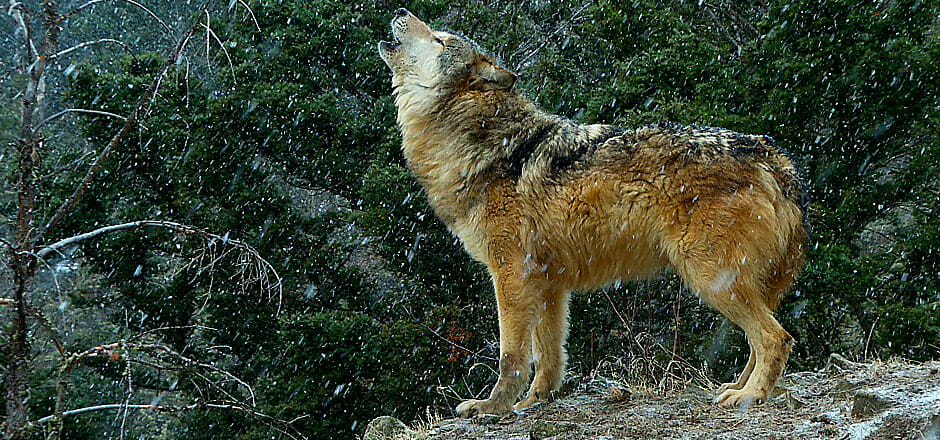
Imagine a world where rivers change course, forests dwindle, and entire landscapes lose their vitality. It might sound like a far-off dystopian future, but the absence of a single keystone species can set off a chain of events leading to just such a scenario. That keystone species? The often-misunderstood wolf.
For generations, wolves have been portrayed as villains, threats to livestock and symbols of the wild's untamed dangers. This perception has led to widespread hunting and eradication efforts, pushing wolf populations to the brink in many areas. But what happens when we remove these predators from the equation? The consequences can ripple outwards, affecting everything from plant life to the very flow of water.
This blog post aims to unravel the crucial role wolves play in maintaining a healthy and balanced ecosystem. We'll delve into how their presence shapes landscapes, influences animal behavior, and ultimately contributes to the overall well-being of the environment.
In summary, wolves are much more than just fearsome predators; they are architects of ecosystems. Their impact extends far beyond their immediate prey, influencing vegetation, water flow, and the health of other animal populations. By understanding their vital role in regulating ecosystems through trophic cascades and natural selection, we can better appreciate the importance of wolf conservation and the restoration of ecological balance. Key aspects of their role include predator-prey dynamics, trophic cascades, biodiversity, and ecosystem resilience.
The Ripple Effect: Trophic Cascades
I remember reading a study about Yellowstone National Park after wolves were reintroduced in the 1990s. Before their return, elk populations had exploded, grazing heavily on willows and aspens along rivers. This led to soil erosion, reduced habitat for beavers and songbirds, and ultimately, a decline in overall biodiversity. The reintroduction of wolves triggered a "trophic cascade," a domino effect that transformed the entire ecosystem. The wolves, by preying on elk, changed their behavior, forcing them to move around more and avoid overgrazing certain areas. This allowed vegetation to recover, riverbanks to stabilize, and other species to flourish. It was a powerful demonstration of how a single species can have such a profound impact on an entire landscape.
A trophic cascade is essentially an ecological chain reaction. At the top, you have apex predators like wolves. Their presence influences the behavior and populations of their prey, such as elk or deer. These herbivores, in turn, affect the plant life they consume. When wolves are removed, the herbivore population can explode, leading to overgrazing and a decline in plant diversity. This can have knock-on effects for other species that rely on those plants for food or shelter. The reintroduction of wolves, therefore, restores a natural balance, preventing any one species from dominating and allowing the ecosystem to thrive. This concept highlights the interconnectedness of all living things and the crucial role apex predators play in maintaining ecological stability. Wolves are not just predators; they are regulators, keeping ecosystems in check and promoting biodiversity.
Wolves: More Than Just Predators
Wolves are often seen solely as hunters, but their impact extends far beyond simply killing prey. Their very presence shapes the behavior of other animals, influencing their movement patterns, grazing habits, and even their social structures. For instance, elk, when faced with the threat of wolves, become more vigilant and tend to congregate in larger groups. This reduces their vulnerability to predation but also means they are less likely to overgraze specific areas. Similarly, wolves can impact the health and genetic diversity of prey populations by preferentially targeting the sick, weak, or old. This helps to prevent the spread of disease and ensures that the strongest, healthiest animals are more likely to reproduce. These indirect effects, often overlooked, are just as important as direct predation in maintaining a healthy and resilient ecosystem. Wolves are not just removing individuals; they are shaping the dynamics of entire populations and promoting overall ecosystem health. Their influence is woven into the fabric of the landscape, making them essential players in the intricate web of life.
The History and Myth of Wolves
For centuries, wolves have been both revered and reviled, occupying a prominent place in human history and mythology. In many cultures, they symbolize strength, courage, and loyalty, often appearing as totemic animals or powerful spiritual guides. Think of Romulus and Remus, the founders of Rome, who were raised by a she-wolf. However, wolves have also been portrayed as symbols of danger and evil, lurking in the shadows and threatening human settlements. Tales of werewolves and fearsome predators have fueled centuries of fear and persecution, leading to widespread hunting and eradication efforts. This dualistic perception of wolves – as both noble creatures and dangerous beasts – has shaped our relationship with them for generations. Understanding this historical context is crucial for overcoming ingrained prejudices and fostering a more balanced and informed perspective on their role in the modern world. The legacy of fear continues to hinder conservation efforts, highlighting the need for education and awareness to dispel myths and promote coexistence. Only by understanding the complex history of human-wolf interactions can we hope to build a future where these magnificent animals can thrive alongside us.
Unveiling the Secrets of Wolf Ecology
Beyond the well-known aspects of wolf behavior and their impact on prey populations, there are still many hidden secrets of wolf ecology waiting to be uncovered. For example, recent research has revealed the complex social structures within wolf packs, highlighting the importance of cooperation, communication, and learned behaviors. Wolves are not just instinct-driven hunters; they are highly intelligent and adaptable animals capable of problem-solving, strategic thinking, and even emotional bonding. Furthermore, the genetic diversity within wolf populations plays a crucial role in their resilience to disease and environmental changes. Understanding these subtle nuances of wolf ecology is essential for effective conservation efforts. We need to move beyond simplistic views of wolves as mere predators and recognize the complex social and genetic factors that contribute to their survival and their impact on the ecosystem. By delving deeper into the hidden secrets of wolf ecology, we can gain a more complete appreciation for these fascinating animals and their vital role in the natural world. The more we learn, the better equipped we are to protect them and ensure their continued presence on our planet.
Recommendations for Wolf Conservation
Protecting and restoring wolf populations requires a multi-faceted approach that addresses both ecological and social challenges. Firstly, it's crucial to establish and maintain protected areas where wolves can thrive without fear of persecution. These areas should be large enough to support viable wolf packs and ensure adequate prey availability. Secondly, reducing human-wildlife conflict is essential for fostering coexistence. This can be achieved through implementing non-lethal deterrents to protect livestock, providing compensation to farmers who experience losses, and educating the public about responsible behavior in wolf habitats. Furthermore, promoting genetic diversity within wolf populations is crucial for their long-term survival. This can be achieved through carefully managed translocation programs that introduce new genes into isolated populations. Finally, ongoing research and monitoring are essential for tracking wolf populations, assessing their impact on ecosystems, and adapting conservation strategies as needed. By implementing these recommendations, we can create a future where wolves can thrive alongside humans, contributing to healthy and resilient ecosystems for generations to come. The key is to embrace a holistic approach that considers both the ecological needs of wolves and the social and economic concerns of local communities.
The Science Behind Wolf Reintroduction
The reintroduction of wolves into ecosystems where they have been extirpated is a complex scientific undertaking that requires careful planning and execution. Before reintroduction, scientists must assess the suitability of the habitat, ensuring that there is adequate prey availability and minimal risk of human-wildlife conflict. They also need to consider the genetic makeup of the reintroduced wolves, selecting individuals from populations that are closely related to the original inhabitants of the area. During and after reintroduction, wolves are closely monitored using radio telemetry and other tracking methods to assess their survival rates, movement patterns, and impact on prey populations. The data collected from these monitoring efforts is crucial for evaluating the success of the reintroduction and adapting management strategies as needed. Furthermore, public engagement and education are essential for building support for wolf reintroduction and mitigating potential conflicts. The science behind wolf reintroduction is constantly evolving as we learn more about wolf ecology and the dynamics of complex ecosystems. By applying the best available science, we can maximize the chances of successful wolf reintroductions and restore ecological balance to landscapes that have been degraded by their absence. It's a long-term commitment that requires collaboration between scientists, policymakers, and local communities.
Practical Tips for Coexisting with Wolves
While wolf conservation efforts are essential at a larger scale, there are also practical steps individuals can take to promote coexistence with these animals. If you live or recreate in wolf habitat, be aware of your surroundings and take precautions to avoid attracting wolves to your property. Store pet food and garbage securely, and avoid leaving food scraps outside. When hiking or camping, keep dogs leashed and avoid areas where wolves are known to be active. If you encounter a wolf, remain calm and avoid direct eye contact. Back away slowly and do not run. Educate yourself about wolf behavior and ecology, and share your knowledge with others. Support organizations that are working to protect wolves and promote coexistence. By following these practical tips, you can help to minimize the risk of conflict and create a more welcoming environment for wolves in your community. Remember that coexistence is a two-way street, requiring both humans and wolves to adapt and respect each other's space. Small actions, when taken collectively, can make a big difference in promoting a more harmonious relationship between humans and wolves.
Understanding Wolf Behavior: A Deeper Dive
To truly coexist with wolves, it's essential to understand their behavior and motivations. Wolves are highly social animals that live in packs, typically consisting of a breeding pair and their offspring. The pack works together to hunt, raise pups, and defend their territory. Understanding this social structure can help us interpret wolf behavior and avoid potentially dangerous situations. For example, wolves are more likely to be aggressive when defending their territory or protecting their pups. Recognizing these warning signs can help us to avoid confrontations. Similarly, understanding wolf hunting strategies can help us to minimize the risk of livestock depredation. By implementing non-lethal deterrents, such as guard dogs or electric fences, we can protect livestock without harming wolves. Furthermore, understanding the role of wolves in the ecosystem can help us to appreciate their value and support conservation efforts. Wolves are not mindless killers; they are intelligent and adaptable animals that play a crucial role in maintaining ecological balance. By learning more about their behavior, we can dispel myths and foster a more informed and respectful relationship with these magnificent creatures. Knowledge is power, and understanding wolf behavior is the key to successful coexistence.
Fun Facts About Wolves
Did you know that a wolf's howl can be heard up to six miles away? Or that wolves can run at speeds of up to 35 miles per hour? These are just a few of the fascinating facts that make wolves such captivating creatures. Wolves are incredibly adaptable animals, able to thrive in a wide range of habitats, from arctic tundra to temperate forests. They have an acute sense of smell, which they use to track prey over long distances. Their powerful jaws and teeth are perfectly adapted for crushing bones and consuming large amounts of meat. Wolves are also highly intelligent, capable of learning complex hunting strategies and communicating with each other through a variety of vocalizations, body language, and scent markings. Their eyes are typically yellow, but some wolves have blue eyes. Each wolf's howl is unique, like a human fingerprint. These fun facts offer a glimpse into the remarkable lives of wolves and highlight their unique adaptations to their environment. They also serve as a reminder of the importance of protecting these magnificent animals and their habitats. The more we learn about wolves, the more we can appreciate their beauty, intelligence, and ecological significance.
How to Support Wolf Conservation Efforts
There are many ways to support wolf conservation efforts, both locally and globally. One of the most effective ways is to donate to organizations that are working to protect wolves and their habitats. These organizations use donations to fund research, conservation programs, and education initiatives. You can also volunteer your time to help with wolf monitoring, habitat restoration, or public outreach. Another way to support wolf conservation is to advocate for policies that protect wolves and their habitats. Contact your elected officials and let them know that you support wolf conservation. Educate yourself about wolf issues and share your knowledge with others. Support businesses that are committed to sustainable practices and avoid products that are harmful to wildlife. By taking these actions, you can help to ensure that wolves continue to thrive in the wild for generations to come. Every little bit helps, and even small contributions can make a big difference in protecting these magnificent animals. Together, we can create a future where humans and wolves can coexist peacefully.
What If Wolves Disappeared?
Imagine a world without wolves. The consequences could be devastating for ecosystems around the globe. Without wolves to regulate prey populations, such as deer and elk, these herbivores would likely overgraze vegetation, leading to habitat degradation and loss of biodiversity. This, in turn, could impact other species that rely on those plants for food or shelter. The absence of wolves could also lead to an increase in the spread of diseases among prey populations, as wolves often target the sick and weak, helping to keep populations healthy. Furthermore, the loss of wolves could disrupt trophic cascades, leading to unpredictable and potentially harmful changes in ecosystem structure and function. Rivers could change course, forests could decline, and the overall health and resilience of the environment could be compromised. The disappearance of wolves would not only be a tragedy for these magnificent animals, but it would also have far-reaching consequences for the entire planet. It's a stark reminder of the importance of protecting wolves and the vital role they play in maintaining ecological balance. The loss of a keystone species can have cascading effects that ripple throughout the entire ecosystem, underscoring the need for conservation efforts.
10 Reasons Why Wolves Are Important
Here's a listicle highlighting the importance of wolves:
- Wolves regulate prey populations, preventing overgrazing and habitat degradation.
- Wolves promote biodiversity by creating opportunities for other species.
- Wolves help to prevent the spread of diseases among prey populations.
- Wolves strengthen prey populations by selectively preying on the weak and sick.
- Wolves contribute to healthy ecosystems by recycling nutrients and improving soil quality.
- Wolves can change the behavior of their prey, leading to improved habitat conditions.
- Wolves are a keystone species, playing a crucial role in maintaining ecosystem balance.
- Wolves provide valuable ecosystem services, such as pest control and water purification.
- Wolves are culturally significant, representing wilderness and the power of nature.
- Wolves are fascinating and intelligent animals that deserve our respect and protection.
This list underscores the diverse and essential roles that wolves play in the natural world. Their impact extends far beyond simply being predators; they are integral components of healthy and functioning ecosystems. By understanding and appreciating their importance, we can better advocate for their conservation and ensure their continued presence on our planet. The preservation of wolves is not just about saving a single species; it's about protecting the entire web of life.
Question and Answer about The Role of Wolves in Ecosystem Balance
Q: What is a trophic cascade?
A: A trophic cascade is an ecological process that starts at the top of the food chain and tumbles all the way down to the bottom. It occurs when predators at the top of the food chain influence the behavior and populations of their prey, which in turn affects the plant life they consume and the species that depend on those plants.
Q: How do wolves benefit biodiversity?
A: Wolves benefit biodiversity by regulating prey populations, preventing overgrazing and habitat degradation. Their presence can also create opportunities for other species by opening up new habitats or providing food sources.
Q: What are some of the challenges facing wolf conservation?
A: Some of the challenges facing wolf conservation include habitat loss, human-wildlife conflict, and negative perceptions of wolves. Addressing these challenges requires a multi-faceted approach that involves conservation efforts, public education, and policy changes.
Q: What can I do to help protect wolves?
A: You can help protect wolves by donating to conservation organizations, volunteering your time, advocating for policies that protect wolves, and educating yourself and others about wolf issues. Every little bit helps, and even small contributions can make a big difference.
Conclusion of The Role of Wolves in Ecosystem Balance
The narrative surrounding wolves has often been one of fear and misunderstanding. However, as we've explored, these animals are far more than just predators. They are essential architects of ecosystem balance, playing a critical role in regulating prey populations, promoting biodiversity, and maintaining the overall health of the environment. Their absence can have devastating consequences, leading to habitat degradation, disease outbreaks, and the disruption of entire ecosystems. By understanding the complex and interconnected relationships within the natural world, we can begin to appreciate the true value of wolves and the importance of their conservation. It's time to shift our perspective and recognize wolves not as threats, but as vital contributors to the well-being of our planet. Protecting them is not just about saving a single species; it's about safeguarding the health and resilience of the ecosystems we all depend on.
0 Response to "The Role of Wolves in Ecosystem Balance"
Post a Comment