The Best Reptiles for Beginners
So, you're thinking about welcoming a scaly friend into your life? That's awesome! Reptiles can make fascinating and rewarding pets, offering a unique connection to the natural world. But where do you even begin? The sheer variety of reptiles out there can feel overwhelming, especially when you're just starting out.
The path to responsible reptile ownership isn't always smooth. Concerns about proper habitat setup, dietary requirements, potential health issues, and even just knowing how to handle these creatures safely can understandably cause some hesitation. It's a big commitment, and you want to make sure you're prepared to provide the best possible care.
That's where this guide comes in! We're here to introduce you to some of the best reptile species for beginners, highlighting their specific needs and why they might be a good fit for your lifestyle. We'll take a look at their temperament, ease of care, and overall suitability for those new to the reptile world. Get ready to embark on a journey of discovery and find the perfect reptilian companion for you!
This article will walk you through several excellent choices for beginner reptile owners, focusing on factors like manageable size, relatively simple care requirements, and docile temperaments. From the ever-popular Leopard Gecko to the charming Crested Gecko, we'll explore the unique characteristics of each species. We'll also delve into key aspects of their care, including habitat setup, diet, and handling techniques, empowering you with the knowledge you need to become a confident and responsible reptile keeper. So, let's get started and discover the amazing world of beginner-friendly reptiles!
Leopard Geckos: A Beginner's Best Friend
Leopard Geckos are often touted as the quintessential beginner reptile, and for good reason! Their docile nature, relatively small size, and straightforward care requirements make them an excellent choice for first-time reptile owners. I remember when I first got my Leopard Gecko, Spot. I was so nervous about doing everything right! I spent hours researching their specific needs, from the correct temperature gradient in their enclosure to the types of insects they enjoy eating. It was a learning curve, for sure, but Spot was incredibly forgiving. Even when I made minor mistakes, like slightly overfeeding him (resulting in a adorably plump gecko!), he remained calm and unbothered.
Leopard Geckos are native to the deserts of Asia, which means they thrive in warm, dry environments. In captivity, this translates to a simple enclosure setup with a warm side heated by an under-tank heater or ceramic heat emitter and a cooler side for them to regulate their body temperature. They're insectivores, meaning their diet consists primarily of insects like crickets, mealworms, and dubia roaches. These insects need to be gut-loaded (fed nutritious food) and dusted with calcium and vitamin D3 supplements to ensure the gecko receives all the necessary nutrients. Their ease of handling and generally calm demeanor make them a joy to interact with, making them perfect for building a connection with your pet. Leopard Geckos are truly a great starting point in reptile keeping, and because of that, many people find that they are truly The Best Reptiles for Beginners.
Crested Geckos: The Low-Maintenance Arboreal Choice
If you're looking for a reptile that's a bit more arboreal (tree-dwelling), the Crested Gecko might be the perfect fit. These geckos are native to New Caledonia and are known for their distinctive crests above their eyes, giving them a perpetually surprised expression. What makes them particularly appealing to beginners is their relatively low-maintenance care routine. Unlike some reptiles that require live insects, Crested Geckos can thrive on a commercially available crested gecko diet (CGD), which comes in powder form and is mixed with water. This eliminates the need to keep live insects, making feeding time significantly easier.
Crested Geckos also don't require supplemental heating, as they do well at room temperature. This simplifies their enclosure setup, reducing the overall cost and effort involved in their care. Their enclosure should be taller than it is wide to provide ample climbing space, and it should be decorated with branches, vines, and foliage to mimic their natural habitat. They have small personalities and because of their low maintenance needs, they are often considered The Best Reptiles for Beginners.
Bearded Dragons: The Social and Engaging Reptile
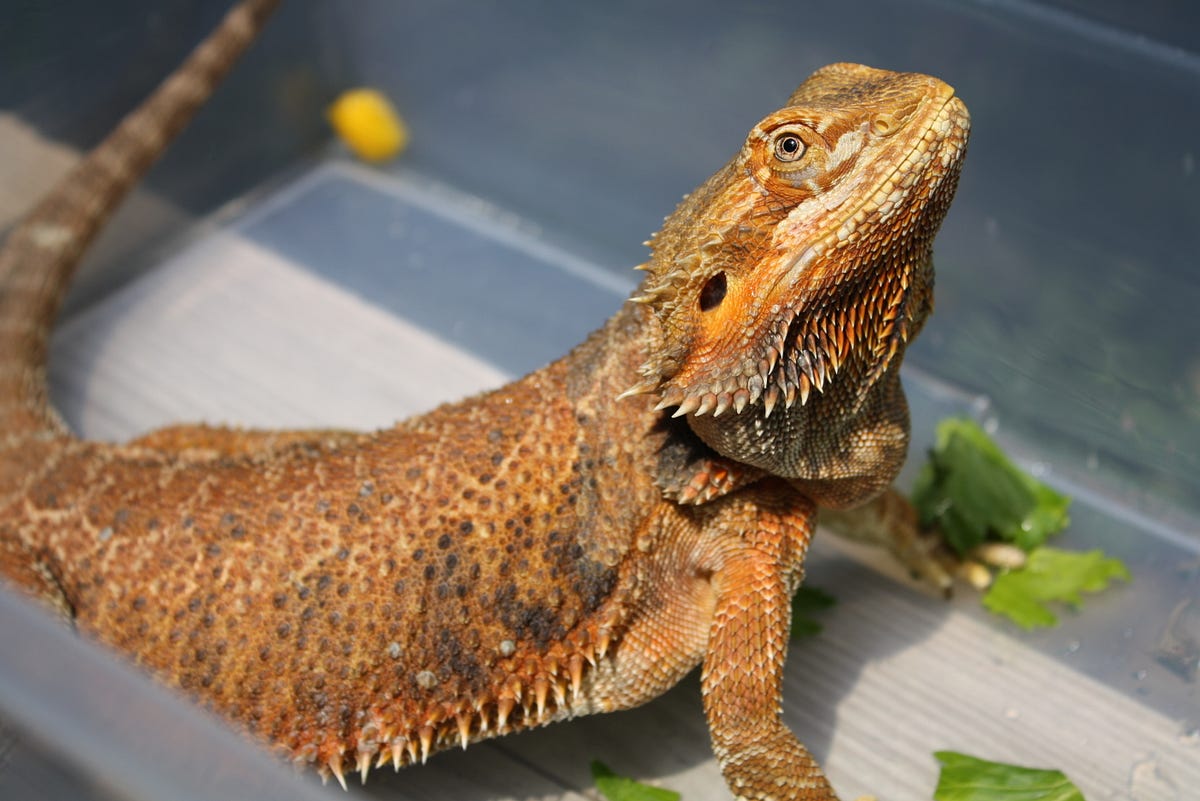
Bearded Dragons are known for their friendly personalities and engaging behavior, making them a popular choice for reptile enthusiasts of all levels. However, while they are generally docile, they do require a bit more attention and a larger enclosure compared to Leopard Geckos or Crested Geckos. The history of keeping Bearded Dragons as pets is relatively recent, with their popularity soaring in the 1990s. Before that, they were primarily found in their native Australia, where they inhabit arid and semi-arid regions.
The "beard" in their name refers to the spiky skin under their chin, which they can puff out when threatened or excited. In terms of care, Bearded Dragons need a large enclosure to accommodate their active lifestyle, a high-intensity UVB light to synthesize vitamin D3, and a basking spot with temperatures in the range of 95-105°F. Their diet consists of both insects and vegetables, requiring a varied and balanced approach. Despite the slightly higher level of care, their social nature and fascinating behaviors make them a rewarding companion for those willing to invest the time and effort. For many families, they are one of The Best Reptiles for Beginners.
Corn Snakes: The Docile and Colorful Option
Corn Snakes are known for their docile temperament and beautiful coloration, making them a popular choice for beginner snake owners. They are native to North America and are relatively easy to care for, requiring a secure enclosure with appropriate temperature and humidity levels. One hidden secret about Corn Snakes is their incredible ability to escape! They are masters of squeezing through small gaps, so it's essential to have a tightly sealed enclosure with a secure lid.
Their diet consists of appropriately sized mice, which can be purchased frozen and thawed before feeding. Corn Snakes come in a wide variety of colors and patterns, known as morphs, allowing you to choose one that perfectly suits your aesthetic preferences. Their gentle nature and relatively simple care requirements make them an excellent choice for those looking to experience the unique world of snake ownership. Once you properly secure their habitat, they can easily become one of The Best Reptiles for Beginners.
Recommendations for Reptile Owners
Research is Key: Understanding Your Reptile's Needs
Before bringing any reptile home, it's crucial to do thorough research on its specific needs. This includes understanding its habitat requirements, dietary preferences, temperature and humidity levels, and potential health issues. There are plenty of resources available online and in libraries, including reptile care guides, forums, and videos. Connecting with experienced reptile keepers can also provide valuable insights and advice. Don't be afraid to ask questions and learn as much as you can before making the commitment to reptile ownership. Proper research ensures that you are equipped to provide the best possible care for your new companion, preventing health problems and ensuring a happy and fulfilling life for your reptile. As you dig deeper into your research, you will better determine which of the reptiles are The Best Reptiles for Beginners.
Essential Tips for Beginner Reptile Keepers
Starting out with reptiles can feel daunting, but with the right knowledge and preparation, it can be a rewarding experience. One of the most important tips is to create a proper habitat before bringing your reptile home. This includes setting up the enclosure with the correct temperature gradient, humidity levels, and hiding spots. Use a reliable thermometer and hygrometer to monitor these conditions. It's also essential to establish a consistent feeding schedule and provide your reptile with a varied and balanced diet. Remember to handle your reptile gently and avoid stressing it out. Regular interaction can help build trust and create a positive bond. Finally, always prioritize hygiene by washing your hands before and after handling your reptile or its enclosure. Following these simple tips will set you on the right path to becoming a successful and responsible reptile keeper. As you build your habitat, you can make certain that you have one of The Best Reptiles for Beginners.
The Importance of Proper Handling
Proper handling is crucial for building trust and creating a positive bond with your reptile. Always approach your reptile calmly and gently, avoiding sudden movements or loud noises that might startle it. Support its body properly when handling it, and avoid squeezing or restraining it too tightly. Start with short handling sessions and gradually increase the duration as your reptile becomes more comfortable. Pay attention to your reptile's body language – if it seems stressed or agitated, return it to its enclosure and try again later. Remember, patience and consistency are key to establishing a positive relationship with your reptile. These handling tips help you decide which are truly The Best Reptiles for Beginners.
Fun Facts About Reptiles
Reptiles are fascinating creatures with a rich evolutionary history and a diverse range of adaptations. Did you know that some reptiles, like chameleons, can change color to blend in with their environment or communicate with other individuals? Or that some snakes, like pythons, can swallow prey much larger than their heads thanks to their flexible jaws? Reptiles are also incredibly resilient, with some species capable of surviving for extended periods without food or water. Their unique adaptations and behaviors make them a captivating subject of study and a rewarding addition to any home. Discovering these fun facts about reptiles can further spark your interest in these amazing animals. Because of this, you will want to research more to see which one of these is The Best Reptiles for Beginners.
How to Choose the Right Reptile for You
Choosing the right reptile for you involves considering several factors, including your lifestyle, experience level, and available resources. Start by assessing your time commitment – some reptiles require more attention and interaction than others. Also, think about your living space and whether you have enough room for an appropriate enclosure. Consider the cost of setting up and maintaining the enclosure, including heating, lighting, and food. Finally, research different reptile species and choose one that aligns with your interests and capabilities. By carefully considering these factors, you can ensure that you choose a reptile that is a good fit for you and your lifestyle, leading to a fulfilling and enjoyable reptile-keeping experience. Asking these questions can lead you to decide on The Best Reptiles for Beginners.
What If You Can't Provide the Proper Care?
If you find that you are unable to provide the proper care for your reptile, it's essential to take responsible action. Neglecting a reptile's needs can lead to health problems and a diminished quality of life. One option is to rehome your reptile to a more experienced keeper or a reptile rescue organization. These organizations are equipped to provide the necessary care and find a suitable home for your reptile. Another option is to consult with a veterinarian or reptile specialist to explore ways to improve your reptile's care. Remember, responsible reptile ownership means prioritizing the well-being of your pet and seeking help when needed. Sometimes it is better to admit that you cannot care for reptiles, especially when determining The Best Reptiles for Beginners.
Top 5 Best Reptiles for Beginners: A Quick List
Here's a quick list summarizing the top 5 best reptiles for beginners: 1. Leopard Geckos: Docile, easy to care for, and readily available.
2. Crested Geckos: Low-maintenance, arboreal, and thrive on commercially available diets.
3. Bearded Dragons: Social, engaging, and enjoy interacting with their owners.
4. Corn Snakes: Docile, colorful, and relatively easy to care for.
5. Ball Pythons: Docile, manageable size, and relatively simple care requirements. This list provides a starting point for your reptile journey, allowing you to explore each species in more detail and determine which one is the best fit for you. Use this list as a jumping off point for finding The Best Reptiles for Beginners.
Question and Answer Section about The Best Reptiles for Beginners
Q: What is the easiest reptile to take care of?
A: Leopard Geckos are often considered the easiest reptiles to care for due to their docile nature, relatively small size, and straightforward care requirements.
Q: What kind of enclosure do Leopard Geckos need?
A: Leopard Geckos require a simple enclosure with a warm side heated by an under-tank heater or ceramic heat emitter and a cooler side for them to regulate their body temperature.
Q: What do Crested Geckos eat?
A: Crested Geckos can thrive on a commercially available crested gecko diet (CGD), which comes in powder form and is mixed with water. This eliminates the need to keep live insects.
Q: How often should I handle my reptile?
A: Start with short handling sessions and gradually increase the duration as your reptile becomes more comfortable. Pay attention to your reptile's body language – if it seems stressed or agitated, return it to its enclosure and try again later.
Conclusion of The Best Reptiles for Beginners
Choosing a reptile as a pet is a significant decision that requires careful consideration and preparation. By understanding the specific needs of different reptile species and taking the time to create a suitable habitat, you can provide a happy and fulfilling life for your scaly companion. Remember to prioritize research, patience, and responsible care, and you'll be well on your way to enjoying the unique and rewarding world of reptile keeping. Now that you've explored several excellent choices for beginner reptile owners, it's time to embark on your own reptile adventure and find the perfect reptilian companion for you!
0 Response to "The Best Reptiles for Beginners"
Post a Comment