How Often Should You Bathe Your Dog?
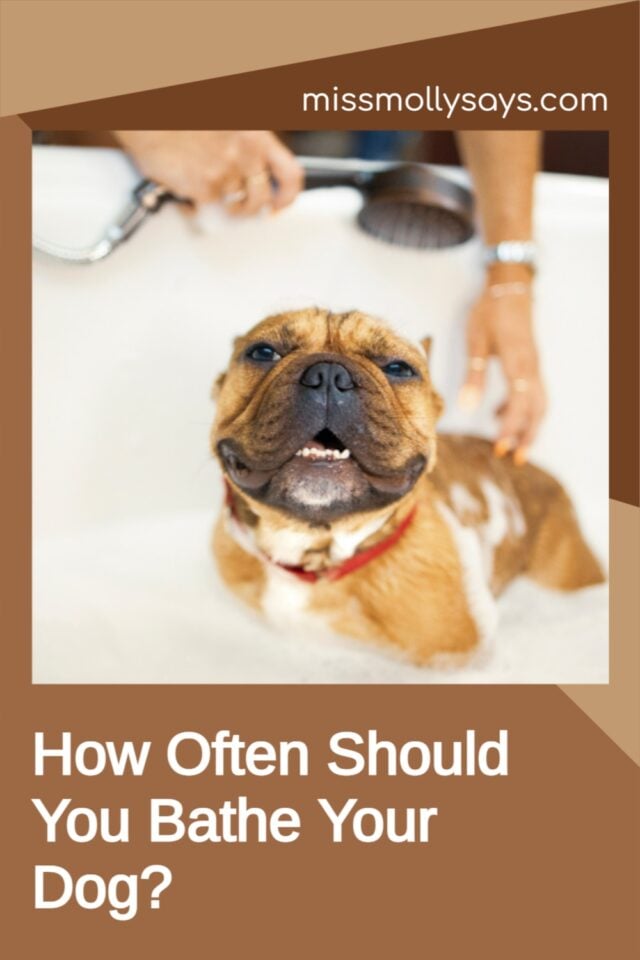
Ever catch a whiff of your furry friend and wonder if it's time for a bath? It's a question every dog owner ponders, but the answer isn't as simple as "once a week" or "every month." It's a balancing act between keeping your dog clean and healthy and avoiding skin irritation caused by over-bathing. Getting it right is crucial for your dog's comfort and well-being.
We all want our dogs to be clean and fresh-smelling, but figuring out the ideal bathing frequency can feel like a guessing game. Concerns about drying out their skin, causing irritation, or even washing away beneficial oils often leave us hesitant. Then there's the challenge of actually getting them into the tub – a struggle many of us know all too well!
So, how oftenshouldyou bathe your dog? The truth is, there's no one-size-fits-all answer. It depends on several factors, including your dog's breed, coat type, lifestyle, and any underlying health conditions. Generally, most dogs benefit from a bath every one to three months. However, some breeds may require more frequent bathing, while others can go longer between washes.
In essence, the frequency of dog bathing hinges on individual needs. Factors like breed, coat, activity level, and health all play a role. Over-bathing can lead to dry skin and irritation, while under-bathing can result in unpleasant odors and potential skin problems. Pay attention to your dog's coat and skin, and adjust your bathing schedule accordingly. The key is to find a balance that keeps your dog clean, comfortable, and healthy.
Decoding Your Dog's Coat Type
My golden retriever, Buddy, used to love rolling in everything! Mud puddles, grassy patches, you name it. After one particularly enthusiastic mud-wallowing session, I realized I needed to establish a more consistent bathing routine. That's when I started researching coat types and their specific needs. I discovered that Buddy's thick, double coat required a different approach than, say, a short-haired breed like a beagle.
Understanding your dog's coat type is crucial for determining the right bathing frequency. Breeds with oily coats, like cocker spaniels, may need more frequent baths (perhaps every 1-2 weeks) to prevent a buildup of grease and odor. Short-haired breeds with smooth coats, like greyhounds, typically require less frequent bathing (every 2-3 months) as their skin is naturally less oily and their coats don't trap as much dirt. Double-coated breeds, like Siberian huskies, need bathing even less often, perhaps only a couple of times a year, because excessive bathing can strip their coat of its natural oils, disrupting their temperature regulation. Wire-haired breeds, like terriers, also benefit from less frequent bathing as it helps maintain the texture of their wiry coat. Remember, using a shampoo specifically formulated for your dog's coat type is also essential for maintaining its health and shine.
The Active Pup vs. the Couch Potato
The activity level of your dog plays a significant role in determining how often they need a bath. A dog who spends most of their days lounging on the couch will naturally accumulate less dirt and debris compared to a dog who enjoys daily hikes in the woods or splashing in puddles. Think about it – a dog who regularly digs in the garden or loves to roll around in the park is going to get a lot dirtier, much faster than one who prefers the comfort of a climate controlled home.
Consider your dog's daily adventures when setting a bathing schedule. If your dog is an outdoor enthusiast who frequently gets muddy or dirty, you might need to bathe them more often than a dog who primarily stays indoors. However, even active dogs can be over-bathed. Instead of a full bath every time they get a little dirty, consider spot cleaning with a damp cloth or using dog-friendly wipes to remove surface dirt. For dogs who love to swim, a rinse with fresh water after each swim can help prevent skin irritation from chlorine or saltwater. Remember, the goal is to keep your dog clean without stripping their skin of its natural oils. Pay attention to their coat and skin condition, and adjust the frequency of baths based on their individual needs and activities.
Historical Bathing Habits: From Lye Soap to Gentle Shampoos
It's fascinating to consider how dog bathing practices have evolved over time. Back in the day, harsh soaps, sometimes even lye-based, were commonly used to clean dogs. These harsh products stripped away natural oils, often leading to skin irritation and dryness. Thankfully, we've come a long way since then! Today, we have a wide array of gentle, p H-balanced shampoos specifically formulated for dogs, designed to cleanse without causing harm.
The understanding of canine dermatology has significantly advanced, leading to better products and bathing practices. In the past, dogs were often bathed out of necessity, perhaps to remove fleas or ticks, without much consideration for the long-term effects on their skin and coat. Today, we know that frequent bathing with harsh products can disrupt the skin's natural microbiome, making dogs more susceptible to skin infections and allergies. The shift towards gentler shampoos and less frequent bathing reflects a greater awareness of canine skin health and a desire to provide our furry companions with the best possible care. It's a reminder that what worked in the past isn't always the best approach, and that staying informed about the latest research and recommendations is essential for responsible dog ownership.
The Secret to a Shiny Coat: More Than Just Bathing
While bathing is an important part of dog grooming, the secret to a truly healthy and shiny coat lies in more than just the occasional wash. Diet, grooming habits, and overall health all play a significant role in the appearance and condition of your dog's fur. A well-balanced diet rich in essential fatty acids, like omega-3 and omega-6, is crucial for maintaining healthy skin and a lustrous coat. Regular brushing helps remove dead hair and distribute natural oils, keeping the coat clean and shiny between baths.
Think of bathing as just one piece of the puzzle. Without a healthy diet and regular grooming, even the most frequent baths won't result in a truly radiant coat. Consider adding a supplement containing omega fatty acids to your dog's diet, especially if they have dry or itchy skin. Regular brushing not only keeps their coat clean but also stimulates blood flow to the skin, promoting healthy hair growth. And of course, addressing any underlying health issues, such as allergies or skin infections, is essential for maintaining a healthy coat. So, while bathing is important, remember that it's just one part of a holistic approach to canine coat care.
Recommendations: Tailoring the Bath to Your Dog
When it comes to bathing your dog, personalization is key. There's no one-size-fits-all recommendation, as the ideal bathing frequency depends on a variety of factors, including your dog's breed, coat type, activity level, and any underlying health conditions. As a general guideline, most dogs benefit from a bath every one to three months. However, some breeds, like those with oily skin or a tendency to get dirty quickly, may need more frequent baths, perhaps every 1-2 weeks. On the other hand, breeds with dry skin or a double coat may only need a bath a few times a year.
Pay close attention to your dog's skin and coat condition. If their skin is dry, flaky, or itchy, you may be bathing them too often. If their coat is greasy, smelly, or matted, they may need more frequent baths. Consult with your veterinarian or a professional groomer to determine the best bathing schedule for your individual dog. They can assess your dog's specific needs and recommend the right products and techniques for maintaining a healthy and shiny coat. Remember, the goal is to find a balance that keeps your dog clean and comfortable without stripping their skin of its natural oils.
Choosing the Right Shampoo: A Critical Decision
Selecting the right shampoo is paramount for your dog's skin health. Just like humans, dogs have different skin sensitivities and needs. Using a harsh shampoo designed for humans can strip away essential oils, leading to dryness, irritation, and even skin infections. Always opt for a shampoo specifically formulated for dogs, and choose one that is appropriate for your dog's coat type and any specific skin conditions they may have.
For example, if your dog has sensitive skin, look for a hypoallergenic shampoo that is free of fragrances and dyes. If they have dry skin, choose a moisturizing shampoo with ingredients like oatmeal or aloe vera. If they have a thick, double coat, a degreasing shampoo can help remove excess oil and dirt. Avoid shampoos that contain harsh chemicals like sulfates, parabens, or artificial colors. Read the ingredient list carefully and choose a shampoo that is made with natural, gentle ingredients. Remember, a good shampoo should cleanse your dog's coat without causing any irritation or dryness, leaving them feeling clean, comfortable, and smelling fresh.
Bathing Tips for a Stress-Free Experience
Bathing doesn't have to be a stressful experience for you or your dog. With a little preparation and the right approach, you can make bath time a positive and enjoyable experience for both of you. Start by brushing your dog thoroughly before the bath to remove any mats or tangles. This will make it easier to wet and lather their coat. Use lukewarm water, as hot water can dry out their skin. Start by wetting their coat from head to tail, avoiding their eyes and ears.
Apply shampoo and lather gently, massaging it into their coat and skin. Rinse thoroughly, making sure to remove all traces of shampoo. Use a towel to dry them as much as possible, and then let them air dry or use a dog-friendly dryer on a low setting. Offer plenty of praise and treats throughout the process to reward their good behavior. If your dog is particularly anxious about baths, try introducing them to the tub gradually, starting with just a few minutes at a time. You can also try using a lick mat or a toy to distract them during the bath. With patience and positive reinforcement, you can turn bath time into a bonding experience for you and your furry friend.
Understanding Breed-Specific Needs for Bathing
Different dog breeds have unique coat types and skin sensitivities, which means their bathing needs can vary significantly. For example, breeds with oily coats, like cocker spaniels, tend to produce more sebum, a natural oil that can cause their coat to become greasy and smelly if not properly managed. These breeds may benefit from more frequent baths, perhaps every 1-2 weeks, using a degreasing shampoo to remove excess oil.
On the other hand, breeds with dry skin or a double coat, like Siberian huskies, are more prone to dryness and irritation if bathed too frequently. These breeds should be bathed less often, perhaps only a few times a year, using a moisturizing shampoo to prevent their skin from drying out. Short-haired breeds, like greyhounds, typically have less oily skin and don't require as much bathing. Breeds with wrinkles, like bulldogs, need special attention to clean and dry the folds of their skin to prevent infections. Research your dog's breed and learn about their specific coat and skin needs to determine the best bathing schedule and products for them. Consulting with your veterinarian or a professional groomer can also provide valuable insights and recommendations.
Fun Facts About Dog Bathing
Did you know that dogs can actually benefit from the massaging action during a bath? The gentle massage helps stimulate blood flow to the skin, promoting healthy hair growth and a shiny coat. Another interesting fact is that some dogs actually enjoy bath time, especially if they are introduced to it at a young age and associate it with positive experiences. However, other dogs may be more hesitant and require a more patient and gentle approach.
It's also worth noting that not all dogs need to be bathed with shampoo. Sometimes, a simple rinse with water is enough to remove dirt and debris. In fact, over-bathing can actually strip away natural oils and lead to skin irritation. So, unless your dog is visibly dirty or has a strong odor, a rinse with water may be all they need. And here's a final fun fact: some dogs have even been known to jump into puddles and play in the water, making bath time a fun and enjoyable experience for them! Understanding your dog's individual preferences and needs is key to making bath time a positive and stress-free experience for both of you.
Step-by-Step Guide to Bathing Your Dog
Bathing your dog doesn't have to be a daunting task. With a little preparation and the right approach, you can make it a smooth and stress-free experience. First, gather all your supplies: a dog-friendly shampoo, towels, a brush, and a non-slip mat for the tub or shower. Brush your dog thoroughly before the bath to remove any mats or tangles. This will make it easier to wet and lather their coat. Place the non-slip mat in the tub or shower to prevent your dog from slipping.
Use lukewarm water, as hot water can dry out their skin. Start by wetting their coat from head to tail, avoiding their eyes and ears. Apply shampoo and lather gently, massaging it into their coat and skin. Rinse thoroughly, making sure to remove all traces of shampoo. Use a towel to dry them as much as possible, and then let them air dry or use a dog-friendly dryer on a low setting. Offer plenty of praise and treats throughout the process to reward their good behavior. Remember to be patient and gentle, and if your dog is particularly anxious, take breaks as needed. With practice, you and your dog will become pros at bath time!
What If You Bathe Your Dog Too Often?
Bathing your dog too frequently can have negative consequences for their skin and coat health. Over-bathing can strip away the natural oils that protect their skin, leading to dryness, irritation, and even skin infections. When the skin is stripped of its natural oils, it becomes more vulnerable to allergens and bacteria, which can trigger allergic reactions and infections. This can result in itching, scratching, and discomfort for your dog.
Furthermore, over-bathing can disrupt the natural balance of the skin's microbiome, the community of microorganisms that live on the skin's surface. This disruption can make your dog more susceptible to skin problems. It's important to remember that dogs don't need to be bathed as often as humans. Their skin is different and doesn't produce as much oil. Unless your dog is visibly dirty or has a strong odor, you're probably bathing them too often. Pay attention to your dog's skin and coat condition, and adjust your bathing schedule accordingly. If you notice any signs of dryness, irritation, or skin problems, consult with your veterinarian.
Top 5 Signs Your Dog Needs a Bath (or Maybe Doesn't!)
Knowing when your dog needs a bath can be tricky, but there are some telltale signs to look out for. Here's a listicle of the top 5 signs that indicate it's time for a scrub, and some signs that suggest you can hold off on the bath:
Signs Your Dog Needs a Bath:
1.They're Stinky: This one's obvious! If your dog has an unpleasant odor that doesn't go away with brushing, it's time for a bath.
2.They're Visibly Dirty: Mud, dirt, or other debris clinging to their coat is a clear sign they need a bath.
3.They're Excessively Itchy: While itching can be a sign of allergies or other health issues, it can also be caused by a dirty coat. A bath can help relieve the itch.
4.Their Coat is Greasy: A greasy coat indicates a buildup of sebum, which can attract dirt and bacteria.
5.They've Rolled in Something Unpleasant: We've all been there! Sometimes, dogs find something irresistible to roll in, and a bath is the only solution.
Signs You Can Hold Off on the Bath:
1.Their Coat is Clean and Shiny: If their coat looks and feels healthy, they probably don't need a bath.
2.They Don't Have a Strong Odor: If they smell like a "dog" but not an unpleasant odor, you can likely wait.
3.They're Prone to Dry Skin: Frequent bathing can exacerbate dry skin, so only bathe them when necessary.
4.They're a Breed That Doesn't Require Frequent Bathing: Some breeds naturally have cleaner coats and don't need to be bathed as often.
5.They've Just Had a Bath: Obviously! Unless they get into something particularly messy, you can wait until their next scheduled bath.
Question and Answer
Q: How often should I bathe my puppy?
A: Puppies generally don't need as many baths as adult dogs. You can bathe them every few months or when they get visibly dirty. Use a gentle, puppy-specific shampoo to avoid irritating their sensitive skin.
Q: What if my dog hates baths?
A: Make bath time as positive as possible. Use lukewarm water, offer praise and treats, and consider using a lick mat to distract them. If they're still anxious, try spot cleaning instead of a full bath.
Q: Can I use human shampoo on my dog?
A: No! Human shampoo is formulated for a different p H level than dog skin. It can strip away natural oils and cause dryness and irritation. Always use a shampoo specifically designed for dogs.
Q: What if my dog has allergies?
A: Choose a hypoallergenic shampoo that is free of fragrances and dyes. You may also want to consult with your veterinarian to determine the best shampoo for your dog's specific allergies.
Conclusion of How Often Should You Bathe Your Dog?
Ultimately, determining how often to bathe your dog comes down to understanding their individual needs. Consider their breed, coat type, activity level, and any underlying health conditions. Pay attention to their skin and coat condition, and adjust your bathing schedule accordingly. Remember, less is often more when it comes to bathing. Over-bathing can strip away natural oils and lead to skin problems, while under-bathing can result in unpleasant odors and potential skin issues. By finding the right balance and using gentle, dog-friendly products, you can keep your furry friend clean, comfortable, and healthy.
0 Response to "How Often Should You Bathe Your Dog?"
Post a Comment