Most Loyal Animals in the Animal Kingdom
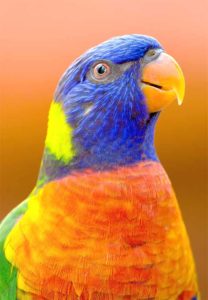
Have you ever looked into the eyes of an animal and felt an overwhelming sense of trust and devotion? In the animal kingdom, loyalty isn't just a human concept; it's a powerful force that binds creatures to their families, packs, and even to us. Discover with me about the animals and their loyalty.
We often hear stories of animal companionship, but sometimes it feels difficult to truly understand the depth of these bonds. Can animals genuinely experience loyalty as we understand it? What are the factors that contribute to these unwavering connections? It's natural to wonder which species exhibit this quality most profoundly and why.
We're going to explore some of the most loyal animals in the world. From the canines renowned for their unwavering devotion to less obvious examples in the avian and marine worlds, we'll uncover the heartwarming stories and scientific explanations behind animal loyalty. Prepare to be amazed by the depth of connection these creatures are capable of.
This exploration will take us through the world of dogs, known for their unmatched loyalty, the steadfastness of certain bird species who mate for life, and even the surprising examples of loyalty found in marine mammals. We'll delve into the reasons behind these behaviors, examining the roles of instinct, social structure, and even individual personality. Get ready to discover the heartwarming and fascinating world of animal loyalty, and maybe even recognize a bit of yourself in these incredible creatures. Key concepts we will be exploring include canine loyalty, avian partnerships, marine mammal devotion, and the science of animal bonding.
The Unwavering Loyalty of Dogs
I'll never forget the day we brought our golden retriever, Buddy, home. He was a tiny ball of fluff, instantly attached to my side. Over the years, Buddy wasn't just a pet; he was a confidant, a shadow, and a furry guardian. His tail wags were a constant source of joy, and his presence was a comforting reassurance during difficult times. That inherent loyalty, that unconditional love, is what makes dogs so special.
But what is it that makes dogs so loyal? Some experts believe it stems from their pack ancestry, where loyalty to the group was crucial for survival. Through domestication, this instinct has been channeled towards humans. Dogs see us as their pack, offering us the same unwavering allegiance they would give to their own kind. Their brains are even wired to respond positively to human interaction, releasing "love hormones" like oxytocin when we pet them or simply make eye contact. This biological reinforcement further strengthens the bond between humans and canines, solidifying their position as one of the most loyal creatures on Earth.
It's also important to remember that loyalty isn't just a breed trait. While some breeds, like German Shepherds and Border Collies, are naturally predisposed to strong bonds, individual personality plays a significant role. A dog's upbringing, training, and socialization experiences all contribute to their overall level of loyalty. A dog who has been consistently treated with kindness and respect is far more likely to develop a deep and lasting bond with their human companions.
Avian Partnerships: Loyalty in the Skies
When we think of loyalty, we often picture furry friends, but the avian world holds its own examples of unwavering devotion. Many bird species, particularly those that mate for life, showcase remarkable partnerships. Swans, geese, and albatrosses are just a few examples of birds known for their lifelong bonds, displaying loyalty not only to their mates but also to their shared territory and offspring.
These avian partnerships are often driven by practical considerations. Raising young birds requires significant time and effort, and a stable, committed partnership increases the chances of successful reproduction. By working together to build nests, incubate eggs, and feed their chicks, these bird couples maximize their reproductive success. However, beyond the practical advantages, there is also evidence of genuine affection and companionship between mated birds. They engage in mutual preening, share food, and remain close to each other throughout the year, demonstrating a bond that goes beyond mere necessity.
One fascinating example is the albatross. These majestic seabirds can live for over 50 years and typically mate for life. Their courtship rituals involve elaborate dances and vocalizations, strengthening the bond between partners. Even after years apart during migration, albatross pairs reunite at their breeding grounds, recognizing each other and resuming their roles as devoted partners. This incredible display of loyalty highlights the depth of connection that can exist within the avian world.
Loyalty in History and Mythology
The concept of animal loyalty has been woven into the fabric of human history and mythology for centuries. Dogs, in particular, have held a prominent place in folklore, often depicted as faithful companions, protectors, and even guides to the afterlife. From the ancient Egyptian god Anubis, depicted with the head of a jackal, to the loyal dogs guarding the gates of Hades in Greek mythology, canines have consistently symbolized faithfulness and devotion.
In many cultures, dogs were revered for their hunting skills and their unwavering loyalty to their human masters. They were often buried alongside their owners, a testament to the deep bond that existed between them. Stories of dogs rescuing their owners from danger or staying by their side until their last breath have been passed down through generations, reinforcing the idea of dogs as symbols of ultimate loyalty. Even in modern times, tales of heroic dogs continue to capture our hearts, reminding us of the extraordinary capacity for devotion that exists within the animal kingdom.
Beyond dogs, other animals have also been associated with loyalty in different cultures. Horses, for example, were often seen as loyal steeds, carrying their riders into battle and remaining steadfast companions in times of hardship. Elephants, known for their intelligence and strong social bonds, were also revered for their loyalty to their herds and their ability to remember and protect their families. These historical and mythological examples highlight the enduring fascination humans have with animal loyalty, recognizing it as a powerful and admirable trait.
Hidden Secrets of Animal Loyalty
While we often attribute animal loyalty to instinct or social programming, there's a deeper layer of understanding that comes from considering the role of individual personality and experience. Just like humans, animals have unique temperaments and preferences that influence their behavior. Some animals are naturally more outgoing and affectionate, while others are more reserved and independent.
Early experiences, particularly during the formative stages of development, can also have a significant impact on an animal's capacity for loyalty. Animals that have been raised in a loving and nurturing environment are more likely to form strong bonds with their caregivers and exhibit loyal behavior. Conversely, animals that have experienced trauma or neglect may struggle to trust others and may be less likely to form close relationships. This emphasizes the importance of responsible pet ownership and providing animals with the care and attention they need to thrive.
Furthermore, scientific research is uncovering the complex neurochemical processes that underlie animal loyalty. Hormones like oxytocin and vasopressin, known for their role in social bonding and attachment, have been shown to be involved in the formation of loyal relationships in animals. By studying these neurochemical pathways, scientists are gaining a deeper understanding of the biological basis of animal loyalty and the factors that contribute to its expression.
Recommendations for Fostering Loyalty
If you're looking to build a strong and loyal bond with an animal companion, there are several things you can do to foster that connection. First and foremost, consistency is key. Animals thrive on routine and predictability, so providing them with regular feeding times, exercise, and playtime will help them feel secure and loved. Positive reinforcement training is also essential. Rewarding good behavior with treats, praise, and affection will encourage your animal to repeat those behaviors and strengthen their bond with you.
Spending quality time with your animal is also crucial. Whether it's cuddling on the couch, going for walks in the park, or simply engaging in interactive play, these shared experiences will deepen your connection and create lasting memories. It's also important to be attentive to your animal's needs and signals. Learning to read their body language will help you understand their emotional state and respond accordingly. A comfortable animal that can communicate it's needs will be more loyal to you as it is comfortable.
Finally, remember that every animal is an individual. Some animals may be more affectionate and demonstrative than others, and that's perfectly okay. The most important thing is to be patient, understanding, and respectful of your animal's unique personality and needs. By providing them with a safe, loving, and supportive environment, you can create a bond that will last a lifetime.
The Role of Genetics in Loyalty
While environment and experience play significant roles in shaping an animal's loyalty, genetics also contribute to the equation. Certain breeds of dogs, for example, have been selectively bred for traits like obedience, trainability, and loyalty. These genetic predispositions can make some breeds naturally more inclined to form strong bonds with their human companions. However, it's important to remember that genetics are not destiny. Even within a breed known for loyalty, individual animals can vary significantly in their behavior.
Furthermore, the genetic basis of loyalty is likely complex and involves multiple genes interacting with each other and the environment. Scientists are only beginning to unravel the genetic underpinnings of social behavior in animals, and much remains to be discovered. However, as our understanding of animal genetics continues to grow, we may gain new insights into the biological factors that contribute to loyalty and other important social traits.
It's also worth noting that genetic diversity within a species can be crucial for its long-term survival. By maintaining a diverse gene pool, species are better equipped to adapt to changing environments and resist disease. In the context of animal loyalty, genetic diversity can ensure that there is a range of behavioral traits within a population, allowing animals to respond flexibly to different social situations and maintain strong social bonds.
Tips for Building a Strong Bond
Building a strong and loyal bond with an animal takes time, patience, and consistent effort. One of the most important things you can do is to establish clear communication with your animal. This means learning to understand their body language, vocalizations, and other cues, and responding appropriately to their needs. Consistent training using positive reinforcement techniques is also essential. By rewarding good behavior with treats, praise, and affection, you can encourage your animal to repeat those behaviors and strengthen their bond with you.
Another key aspect of building a strong bond is to provide your animal with plenty of opportunities for socialization. Exposing them to different people, animals, and environments can help them become well-adjusted and confident, and it can also strengthen their bond with you as their trusted guide and protector. Spending quality time with your animal is also crucial. Whether it's cuddling on the couch, going for walks in the park, or simply engaging in interactive play, these shared experiences will deepen your connection and create lasting memories.
Finally, remember that trust is the foundation of any strong relationship. Be consistent in your actions, keep your promises, and always treat your animal with kindness and respect. By earning their trust, you can build a bond that will withstand the test of time.
Understanding Animal Communication
Effective communication is paramount in fostering a loyal relationship with an animal. Animals communicate in a myriad of ways, often subtle and nuanced. Understanding their body language is crucial. A relaxed posture, wagging tail (in dogs), or slow blinks (in cats) often indicate contentment. Conversely, flattened ears, bared teeth, or a tense body can signal fear or aggression. Pay close attention to these visual cues to gauge your animal's emotional state.
Vocalizations also play a vital role in animal communication. Dogs bark for various reasons, including alerting, greeting, or expressing anxiety. Cats meow to communicate with humans, often requesting attention or food. Learning to differentiate between these vocalizations can help you understand your animal's needs. Beyond body language and vocalizations, animals also use scent to communicate. Dogs leave scent markers to establish territory, while cats rub against objects to deposit pheromones. These scent signals convey information about their identity and social status.
By observing and interpreting these various forms of communication, you can build a deeper understanding of your animal's thoughts and feelings. This enhanced communication will strengthen your bond and foster a more loyal and fulfilling relationship.
Fun Facts About Loyal Animals
Did you know that some dogs will refuse to leave the graves of their owners, even years after their passing? This heartbreaking display of loyalty highlights the depth of the bond that can exist between humans and canines. Or that penguins often mate for life, with both parents sharing the responsibility of raising their chicks? These devoted couples work together to incubate eggs, protect their young from predators, and forage for food, showcasing a remarkable level of cooperation and commitment.
Another fascinating fact is that elephants exhibit strong social bonds within their herds, often displaying grief and mourning when a member of their family passes away. They have been observed touching the bones of deceased elephants and returning to burial sites years later, suggesting a deep emotional connection. Even smaller creatures, like prairie dogs, exhibit complex social behaviors and strong family bonds, living in colonies with intricate communication systems and cooperative child-rearing practices.
These fun facts illustrate the diverse and remarkable ways that loyalty manifests in the animal kingdom. From the unwavering devotion of dogs to the lifelong partnerships of birds to the complex social bonds of elephants, the animal world is full of heartwarming examples of loyalty and companionship.
How to Earn an Animal's Loyalty
Earning an animal's loyalty is not about domination or control; it's about building a relationship based on trust, respect, and mutual understanding. Consistency is key. Providing your animal with regular feeding times, exercise, and playtime will help them feel secure and loved. Positive reinforcement training is also essential. Rewarding good behavior with treats, praise, and affection will encourage your animal to repeat those behaviors and strengthen their bond with you.
Respecting your animal's boundaries is also crucial. Learning to read their body language will help you understand when they are feeling stressed, anxious, or uncomfortable. Avoid forcing them into situations that make them feel threatened or overwhelmed. Instead, create a safe and supportive environment where they feel comfortable expressing their emotions. Spending quality time with your animal is also essential. Whether it's cuddling on the couch, going for walks in the park, or simply engaging in interactive play, these shared experiences will deepen your connection and create lasting memories.
Finally, remember that loyalty is a two-way street. Be loyal to your animal in return, providing them with the care, attention, and love they deserve. By treating them with kindness and respect, you can earn their unwavering devotion and build a bond that will last a lifetime.
What If Animals Weren't Loyal?
Imagine a world where animals lacked the capacity for loyalty. Dogs wouldn't offer unwavering companionship, birds wouldn't form lifelong partnerships, and elephants wouldn't maintain strong family bonds. The impact on both the animal kingdom and human society would be profound. Without loyalty, social structures within animal communities would likely crumble, leading to increased competition, conflict, and instability. Cooperative behaviors like hunting, raising young, and defending territory would become less common, potentially jeopardizing the survival of many species.
For humans, the absence of animal loyalty would mean the loss of invaluable companions, service animals, and emotional support. Our relationships with pets would be transactional rather than emotional, lacking the deep connection and unconditional love that we cherish. The world would be a lonelier and less empathetic place without the presence of loyal animals. Furthermore, many industries that rely on animal assistance, such as farming, law enforcement, and therapy, would be severely impacted. The loss of loyalty would fundamentally alter our relationship with the animal kingdom, diminishing the benefits and enriching experiences that we derive from these connections.
The concept of animal loyalty is deeply intertwined with our understanding of their emotional intelligence and social complexity. The absence of loyalty would challenge our assumptions about animal cognition and raise questions about the nature of their relationships with each other and with humans.
Top 5 Most Loyal Animals
Here's a listicle of the top 5 most loyal animals, each showcasing unique displays of devotion:
- Dogs: The quintessential loyal companion, known for their unwavering devotion, protective instincts, and eagerness to please. Their ability to form strong bonds with humans has made them indispensable partners for centuries.
- Swans: These elegant birds often mate for life, forming lifelong partnerships characterized by mutual affection and cooperation in raising their young. Their commitment to their mates is a testament to the power of avian bonds.
- Elephants: These intelligent creatures exhibit strong family bonds within their herds, displaying grief and mourning when a member of their family passes away. Their loyalty to their families is a defining characteristic of their social structure.
- Horses: These majestic animals have served as loyal steeds and companions for centuries, demonstrating unwavering trust and cooperation with their riders. Their ability to form strong bonds with humans has made them invaluable partners in various endeavors.
- Prairie Dogs: These small rodents live in complex social colonies, exhibiting strong family bonds and cooperative child-rearing practices. Their loyalty to their colony members is essential for their survival in a challenging environment.
This list showcases the diverse ways that loyalty manifests in the animal kingdom, highlighting the power of social bonds and the importance of companionship.
Question and Answer
Q: What is the difference between loyalty and obedience in animals?
A: Obedience is about following commands and instructions, while loyalty is a deeper emotional bond characterized by trust, affection, and unwavering devotion. An obedient animal may follow commands out of fear or compulsion, while a loyal animal acts out of genuine affection and a desire to please their companion.
Q: Are some breeds of dogs more loyal than others?
A: While some breeds, like German Shepherds and Border Collies, are naturally predisposed to strong bonds, individual personality plays a significant role. A dog's upbringing, training, and socialization experiences all contribute to their overall level of loyalty. Breed is only one factor in the equation.
Q: Can cats be as loyal as dogs?
A: Yes, although cats often express their loyalty differently than dogs. Cats may show affection through purring, rubbing, and following their owners around the house. They may also bring gifts, like dead mice or birds, as a sign of affection. While cats may be more independent than dogs, they are capable of forming deep and lasting bonds with their human companions.
Q: How can I strengthen my bond with my animal companion?
A: Consistency, positive reinforcement, quality time, and respect are key. Provide your animal with regular feeding times, exercise, and playtime. Reward good behavior with treats, praise, and affection. Spend quality time together engaging in activities that you both enjoy. And always treat your animal with kindness and respect.
Conclusion of Most Loyal Animals in the Animal Kingdom
Exploring the concept of loyalty in the animal kingdom reveals a captivating world of devotion, companionship, and social connection. From the unwavering loyalty of dogs to the lifelong partnerships of birds to the complex family bonds of elephants, the animal world offers countless examples of remarkable dedication. Understanding the factors that contribute to animal loyalty, including genetics, environment, and individual personality, allows us to appreciate the depth of these bonds and the importance of responsible animal care. By fostering trust, providing consistent care, and respecting their unique needs, we can cultivate strong and lasting relationships with our animal companions, enriching our lives and theirs.
0 Response to "Most Loyal Animals in the Animal Kingdom"
Post a Comment