Differences Between Parrots and Parakeets
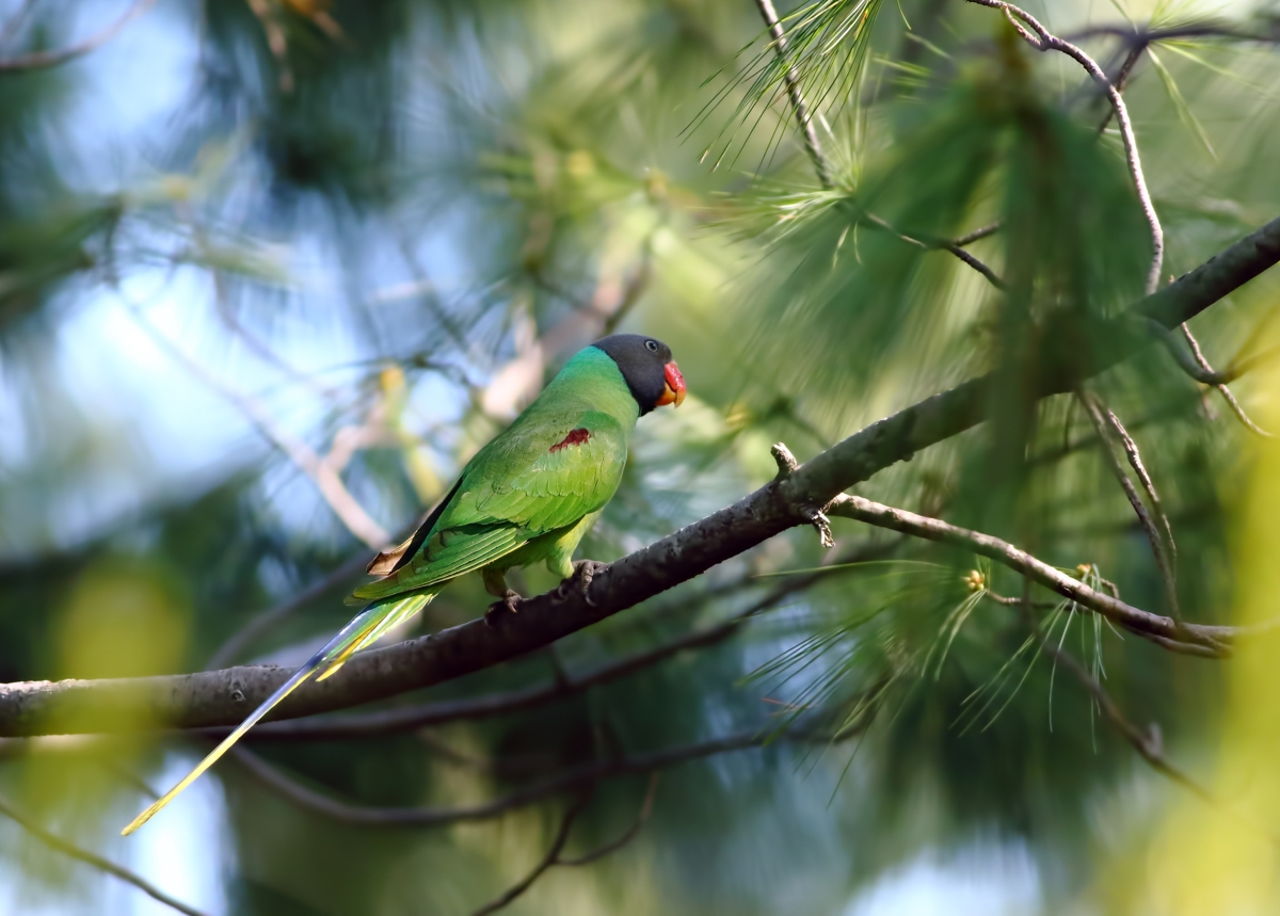
Ever wondered what really sets a parrot apart from a parakeet? Are they just different names for the same vibrant, chatty bird? The world of companion birds is full of fascinating creatures, each with its own unique charm.
Choosing a feathered friend can be tricky. Maybe you're drawn to the intelligence and talking abilities of some birds, but worry about the commitment and space they require. Or perhaps you're looking for something smaller and easier to manage, but still want a companion with personality. It's important to understand the nuances between different types of birds to make the right choice.
This blog post will explore the key differences between parrots and parakeets. We'll delve into their size, lifespan, personality, care requirements, and much more. By the end, you'll have a clear understanding of what defines each type of bird, helping you decide which one might be the perfect fit for your home and lifestyle.
In summary, parrots encompass a wide variety of birds, with parakeets being a smaller subset within that family. Key distinctions lie in size, lifespan, and sometimes personality. Parrots tend to be larger, live longer, and may require more specialized care. Parakeets, like the popular budgerigar, are smaller, have shorter lifespans, and are often considered easier for beginner bird owners. Understanding these differences related to parrots, parakeets, size, lifespan, and care is crucial for responsible pet ownership.
Size and Appearance
The size and appearance of a bird are often the first things we notice. This is certainly true when distinguishing between parrots and parakeets. While "parrot" is a broad term, parakeets are generally smaller. My first encounter with this difference was at a local bird sanctuary. I was immediately struck by the sheer variety of parrots, from the petite lovebirds to the majestic macaws. The parakeets, while charming, seemed almost diminutive in comparison. The size difference isn't just about aesthetics; it also impacts their care needs and even their personalities. Larger parrots need more space to move around, stronger perches, and toys that can withstand their powerful beaks. Their voices can also be much louder, which is something to consider if you live in an apartment or have sensitive neighbors. Parakeets, on the other hand, are better suited to smaller living spaces and their vocalizations are typically less intense. The vibrant colors of both parrots and parakeets add to their appeal. Parrots boast a diverse range of hues, from the scarlet of macaws to the emerald green of Amazons. Parakeets, too, come in a delightful array of colors, including blues, yellows, greens, and even albinos. The variety in plumage adds to the allure of these fascinating birds. Feather patterns also differ, with some parrots sporting intricate markings and others displaying more uniform coloration. Understanding these variations can help you appreciate the diversity within the parrot and parakeet families.
Lifespan and Commitment
One of the most significant differences between parrots and parakeets lies in their lifespan. Parrots, particularly larger species like macaws and cockatoos, can live for decades, sometimes even outliving their owners! This represents a substantial commitment, requiring careful consideration of your long-term lifestyle and ability to provide consistent care. Imagine bringing a parrot into your life, knowing it could be your companion for 50, 60, or even 80 years. That's a responsibility not to be taken lightly. Parakeets, on the other hand, typically live for 5 to 10 years, making them a shorter-term commitment. While still requiring dedicated care, their lifespan is more manageable for many individuals and families. The extended lifespan of parrots necessitates careful planning for their future. This includes considering who will care for them if you are unable to, and ensuring they have a stable and enriching environment throughout their lives. It's also important to be aware that as parrots age, they may develop health issues that require specialized veterinary care. The shorter lifespan of parakeets doesn't mean they require less attention, but it does offer a different perspective on the duration of the commitment. They still need regular interaction, proper nutrition, and a stimulating environment to thrive. Choosing a bird that aligns with your lifestyle and ability to provide long-term care is paramount for the well-being of both you and your feathered friend. Consider the implications of lifespan when deciding between a parrot and a parakeet, and make a responsible choice that you can uphold for the entirety of their lives.
Personality and Trainability
The personality and trainability of parrots and parakeets are other key aspects to consider. Parrots are often known for their intelligence, playful nature, and ability to mimic sounds and words. They can be incredibly engaging companions, forming strong bonds with their owners and providing endless entertainment. However, their intelligence also means they require mental stimulation to prevent boredom and destructive behaviors. Think of a parrot as a feathered toddler – they need puzzles, toys, and regular interaction to stay happy and engaged. Parakeets, while not typically as vocal as some parrots, are also intelligent and can be trained to perform tricks and respond to commands. They are generally more independent than parrots, but still enjoy interaction and socialization. Their smaller size and less demanding personalities often make them a good choice for first-time bird owners. The trainability of both parrots and parakeets varies depending on the individual bird and the training methods used. Positive reinforcement techniques, such as rewarding desired behaviors with treats or praise, are generally the most effective. Patience and consistency are also crucial for successful training. It's important to understand that each bird has its own unique personality, and some may be more receptive to training than others. Before bringing a parrot or parakeet home, research their specific species and learn about their typical behaviors and training needs. This will help you set realistic expectations and provide a stimulating and enriching environment for your new feathered friend. Remember, a happy and well-adjusted bird is a joy to have as a companion.
Care Requirements and Costs
When considering a parrot or parakeet, understanding their care requirements and associated costs is essential. Parrots, due to their larger size and longer lifespans, generally require more space, specialized diets, and regular veterinary care. Their cages need to be sturdy and spacious enough for them to move around comfortably, and they need a variety of toys to keep them mentally stimulated. The cost of feeding a parrot can also be significant, as they require a diet rich in fresh fruits, vegetables, nuts, and seeds. Veterinary care for parrots can also be more expensive than for parakeets, as they may require specialized treatments for age-related health issues. Parakeets, on the other hand, have more modest care requirements. Their cages can be smaller, and their diets are typically less expensive. They still need a balanced diet of seeds, pellets, and fresh produce, but the overall cost is generally lower. Veterinary care for parakeets is also typically less expensive than for parrots. However, it's important to remember that all birds require regular checkups and vaccinations to maintain their health. In addition to the cost of food and veterinary care, there are other expenses to consider, such as toys, perches, and other accessories. It's important to factor in all of these costs when deciding whether you can afford to care for a parrot or parakeet. Responsible pet ownership requires a commitment to providing for the physical and emotional needs of your bird, and that includes being prepared for the financial responsibilities involved. Carefully research the care requirements and associated costs before bringing a parrot or parakeet home to ensure you can provide them with a happy and healthy life.
Health Considerations
Both parrots and parakeets can be susceptible to a variety of health issues, making regular veterinary checkups essential. Common health concerns in parrots include psittacosis (parrot fever), feather plucking, and beak malocclusion. These conditions can be caused by a variety of factors, including poor diet, stress, and lack of mental stimulation. Early detection and treatment are crucial for managing these health issues and preventing them from becoming more serious. Parakeets are also prone to certain health problems, such as scaly face mites, psittacosis, and tumors. Scaly face mites are a common parasitic infection that can cause crusty lesions around the beak, eyes, and legs. Tumors are more common in older parakeets and can affect various organs. Maintaining a clean and hygienic environment is essential for preventing the spread of disease in both parrots and parakeets. Regularly cleaning their cages, food bowls, and water dishes can help reduce the risk of bacterial and fungal infections. Providing a balanced diet and ensuring they get enough exercise can also help boost their immune systems and prevent health problems. Recognizing the signs of illness in your bird is crucial for early intervention. Changes in appetite, droppings, or behavior can all be indicators of underlying health issues. If you notice any unusual symptoms, it's important to consult with an avian veterinarian as soon as possible. Regular veterinary checkups can help detect health problems early and ensure your bird receives the appropriate treatment. Responsible bird ownership includes being proactive about their health and providing them with the best possible care.
Habitat and Environment
Creating the right habitat and environment is crucial for the well-being of both parrots and parakeets. The size of the cage is a primary consideration, with parrots requiring significantly larger enclosures than parakeets. A parrot's cage should be large enough for them to fully extend their wings and move around comfortably. It should also be made of sturdy materials that can withstand their strong beaks. Parakeets, while smaller, still need a cage that provides ample space for flying and playing. The cage should be equipped with a variety of perches of different sizes and textures to promote foot health. In addition to the size of the cage, the environment in which it is placed is also important. Birds are sensitive to temperature changes and drafts, so the cage should be placed in a location that is away from direct sunlight and drafts. They also need a quiet and peaceful environment where they can rest and relax. Providing enrichment is essential for preventing boredom and destructive behaviors. Parrots and parakeets are intelligent creatures that need mental stimulation to stay happy and engaged. Toys, puzzles, and foraging opportunities can help keep them entertained and prevent them from becoming bored. Regular interaction with their owners is also important for their emotional well-being. Birds are social animals that thrive on companionship and attention. Spending time with your bird each day, talking to them, and playing with them can help strengthen your bond and provide them with the social interaction they need. Maintaining a clean and hygienic environment is crucial for preventing the spread of disease. Regularly cleaning the cage, food bowls, and water dishes can help reduce the risk of bacterial and fungal infections. A well-maintained habitat and environment are essential for the health and happiness of your parrot or parakeet.
Social Interaction and Bonding
Social interaction and bonding are essential aspects of caring for both parrots and parakeets. These birds are social creatures that thrive on companionship and interaction with their owners. Parrots, especially larger species, often form strong bonds with their human companions and can become quite attached. They enjoy spending time with their owners, playing games, and engaging in vocalizations. Providing them with plenty of attention and interaction is crucial for their emotional well-being. Parakeets, while generally more independent than parrots, also benefit from social interaction. They enjoy interacting with their owners, playing with toys, and exploring their surroundings. While they may not be as demanding of attention as some parrots, they still need regular interaction to stay happy and engaged. Building a strong bond with your bird requires patience, consistency, and understanding. Spending time with them each day, talking to them, and playing with them can help strengthen your connection. Positive reinforcement techniques, such as rewarding desired behaviors with treats or praise, can also help build trust and strengthen the bond. It's important to be aware that each bird has its own unique personality, and some may be more affectionate than others. Respecting their individual needs and boundaries is crucial for building a healthy and lasting relationship. Avoid forcing interaction or handling them roughly, as this can damage their trust and create fear. Instead, focus on creating a positive and enriching environment where they feel safe and loved. A strong social bond can enhance the lives of both you and your bird, providing companionship, entertainment, and mutual affection.
Understanding Species Variation
While we've discussed general differences between parrots and parakeets, it's crucial to remember that both groups encompass a vast array of species, each with its unique characteristics. Within the parrot family, you'll find everything from the tiny parrotlets to the giant macaws, each with varying personalities, care requirements, and lifespans. Similarly, the term "parakeet" covers a range of species, including budgerigars (the most common pet parakeet), cockatiels, and various conure species. Understanding the specific species you're interested in is paramount before making a commitment. For instance, a cockatoo, known for its affectionate nature and intelligence, demands significantly more attention and space than a budgerigar. Researching their specific dietary needs, social behaviors, and potential health issues is essential for responsible pet ownership. Consider their natural habitats and try to replicate them as much as possible in your home environment. This can include providing appropriate perches, toys, and foraging opportunities that mimic their natural behaviors. Understanding species-specific behaviors can also help you interpret their body language and communication signals. For example, a parrot puffing up its feathers may be trying to appear larger and more intimidating, while a parakeet bobbing its head may be showing excitement or happiness. By understanding the nuances of each species, you can provide a more enriching and fulfilling life for your feathered companion.
Tips for Choosing the Right Bird
Choosing the right bird for your home and lifestyle is a big decision. Here are some tips to help you make an informed choice: First, consider your lifestyle and availability. Do you have a lot of time to spend with a bird, or do you need a more independent companion? Parrots often require more attention and interaction than parakeets. Next, think about your living space. Do you have enough room for a large parrot cage, or would a smaller parakeet cage be more suitable? Consider the noise level in your home. Some parrots can be quite vocal, which may not be ideal if you live in an apartment or have sensitive neighbors. Research different species of parrots and parakeets. Learn about their specific care requirements, personalities, and potential health issues. Visit a local bird rescue or shelter. This is a great way to meet different types of birds and learn more about their personalities. Talk to experienced bird owners. Get their advice and insights on what it's like to care for a parrot or parakeet. Be prepared for the commitment. Owning a bird is a long-term responsibility that requires dedication, patience, and financial resources. Don't rush into a decision. Take your time to research and consider all of your options before bringing a bird home. Provide a stimulating environment. Birds need plenty of toys, perches, and opportunities for exploration to stay happy and healthy. Be patient and consistent with training. Birds can be trained to perform tricks and respond to commands, but it takes time and effort. Remember, the best bird for you is the one that you can provide with a loving and supportive home. Making an informed decision and preparing for the commitment will ensure a happy and fulfilling relationship for both you and your feathered friend.
Consider Adoption
Before purchasing a bird from a breeder or pet store, consider adopting from a local bird rescue or shelter. Many wonderful parrots and parakeets are waiting for loving homes. Adoption can be a rewarding experience, giving a deserving bird a second chance at a happy life. Rescue birds often come with unique personalities and histories, making them fascinating companions. The adoption process typically involves an interview and home visit to ensure that you can provide a suitable environment for the bird. Rescue organizations can also offer valuable support and guidance, helping you to care for your new feathered friend. Adopting a bird can also be a more affordable option than purchasing one from a breeder, as adoption fees are often lower. You'll also be supporting a valuable organization that is dedicated to helping birds in need. Before adopting, be sure to learn as much as you can about the bird's history and any special needs it may have. Some rescue birds may have experienced trauma or neglect, requiring extra patience and understanding. However, with love and care, these birds can often thrive and become wonderful companions. Consider adopting a bird from a rescue or shelter and make a positive difference in their life. You'll be giving a deserving bird a loving home and enriching your own life in the process. Adoption is a compassionate choice that can bring joy and fulfillment to both you and your feathered friend.
Fun Facts About Parrots and Parakeets
The world of parrots and parakeets is full of surprising and fascinating facts! Did you know that some parrot species can live for over 80 years? Macaws, for example, are known for their long lifespans, often outliving their human companions. Budgerigars, the most common pet parakeets, are native to Australia and are known for their vibrant colors and playful personalities. Parrots are incredibly intelligent birds, capable of learning a wide range of words and phrases. Some parrots can even understand the meaning of words and use them in context. Parakeets are also intelligent, but they are typically not as vocal as parrots. Parrots have a unique foot structure, with two toes pointing forward and two toes pointing backward. This allows them to grip branches and climb with ease. Parakeets also have this foot structure, which is common among many bird species. Parrots and parakeets are found in tropical and subtropical regions around the world. They play an important role in their ecosystems, helping to disperse seeds and pollinate plants. Some parrot species are endangered due to habitat loss and illegal pet trade. Conservation efforts are underway to protect these amazing birds and their natural habitats. Parrots and parakeets have been kept as pets for centuries, prized for their beauty, intelligence, and companionship. They have a long and rich history, appearing in art, literature, and mythology across various cultures. Learning more about these fascinating birds can deepen your appreciation for their unique qualities and the importance of protecting them. From their incredible lifespans to their remarkable intelligence, parrots and parakeets are truly remarkable creatures.
How to Bond with Your Bird
Building a strong bond with your parrot or parakeet takes time, patience, and understanding. Start by creating a safe and comfortable environment for your bird. A secure cage, free from drafts and disturbances, is essential. Spend time near the cage, talking softly and observing your bird. This will help them get used to your presence and voice. Offer treats from your hand. This is a great way to build trust and associate you with positive experiences. Use positive reinforcement techniques. Reward desired behaviors with praise, treats, or toys. Avoid punishment, as this can damage your relationship with your bird. Teach your bird tricks. This is a fun and engaging way to interact with your bird and strengthen your bond. Provide plenty of toys and enrichment activities. A bored bird is more likely to develop behavioral problems. Respect your bird's boundaries. Don't force interaction if they are not in the mood. Be patient and consistent. It takes time to build a strong bond with a bird. Observe your bird's body language. This will help you understand their moods and needs. Spend quality time with your bird each day. Even a few minutes of interaction can make a big difference. Talk to your bird. Birds enjoy hearing your voice and will often respond to your tone. Be gentle and affectionate. Show your bird that you care about them. Building a strong bond with your bird is a rewarding experience that can bring joy and companionship to both of you. Remember, patience, consistency, and understanding are key to a successful relationship.
What if Your Bird Gets Sick?
Discovering that your parrot or parakeet is ill can be a stressful experience. Recognizing the signs of illness early on is crucial for prompt treatment. These signs can include changes in appetite, lethargy, ruffled feathers, and changes in droppings. If you suspect your bird is sick, isolate them from other birds to prevent the spread of potential infections. Contact an avian veterinarian immediately. Regular veterinary checkups are essential for early detection and prevention of health problems. Be prepared to provide the veterinarian with detailed information about your bird's symptoms, diet, and environment. Follow the veterinarian's instructions carefully and administer any medications as prescribed. Provide your bird with a comfortable and supportive environment during their recovery. This may include providing extra warmth, soft bedding, and easy access to food and water. Monitor your bird's progress closely and report any changes to the veterinarian. Preventative care is key to maintaining your bird's health. This includes providing a balanced diet, a clean environment, and plenty of opportunities for exercise and mental stimulation. Be aware of common health problems in parrots and parakeets and take steps to prevent them. This may include vaccinating against certain diseases and providing regular parasite control. Remember, early detection and prompt treatment are crucial for successful recovery. By being proactive about your bird's health, you can help them live a long and happy life.
Listicle: 5 Must-Have Items for Your Bird
1. A spacious and secure cage: The size of the cage is crucial for your bird's well-being. Choose a cage that is large enough for them to fully extend their wings and move around comfortably.
2. A variety of perches: Perches of different sizes and textures will help keep your bird's feet healthy and prevent boredom.
3. Engaging toys: Birds need mental stimulation to prevent boredom and destructive behaviors. Provide a variety of toys that they can chew, climb, and explore.
4. A balanced diet: A healthy diet is essential for your bird's overall health and well-being. Offer a mix of pellets, fresh fruits, vegetables, and seeds.
5. A clean water source: Fresh, clean water is essential for your bird's hydration. Change the water daily and clean the water dish regularly. These five items are essential for providing your bird with a happy and healthy life. Investing in high-quality products and providing a stimulating environment will help your feathered friend thrive. Remember, responsible bird ownership includes providing for their physical and emotional needs.
Question and Answer
Q: What is the biggest difference between a parrot and a parakeet?
A: Size is a significant difference. Parrots are generally larger than parakeets, although "parrot" encompasses a wide range of sizes, and parakeets are a subset of the parrot family.
Q: Do parakeets talk as well as parrots?
A: Some parakeets can learn to talk, but they are typically not as vocal or capable of learning as many words and phrases as some parrot species.
Q: Which is easier to care for, a parrot or a parakeet?
A: Parakeets are often considered easier to care for due to their smaller size, shorter lifespan, and less demanding personalities. Parrots generally require more space, specialized diets, and consistent attention.
Q: How long do parrots and parakeets live?
A: Parakeets typically live for 5 to 10 years, while parrots can live much longer, with some species living for 50 years or more.
Conclusion of Differences Between Parrots and Parakeets
Ultimately, the choice between a parrot and a parakeet depends on your individual circumstances, lifestyle, and commitment level. Both types of birds can make wonderful companions, offering unique personalities and enriching experiences. By understanding the key differences in size, lifespan, personality, and care requirements, you can make an informed decision and choose the feathered friend that is best suited for you.
0 Response to "Differences Between Parrots and Parakeets"
Post a Comment