Signs Your Bird Is Bored or Lonely
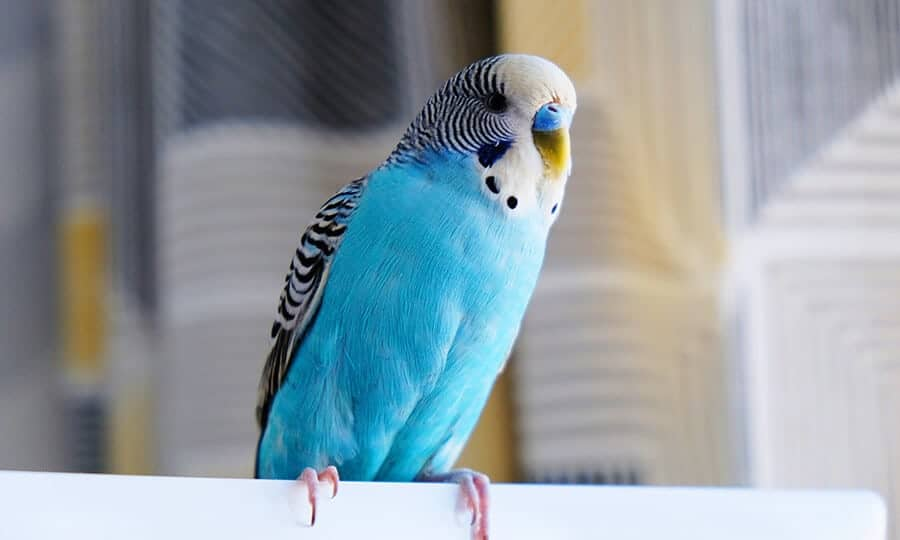
Bringing a bird into your life can be a truly rewarding experience, filled with chirps, playful antics, and a unique connection that only bird owners understand. But what happens when the joyful tunes fade, and your feathered friend seems…off? It can be heartbreaking to think your beloved companion might be unhappy.
As a bird owner, you likely want to provide the best possible life for your pet. You want them to be happy, healthy, and engaged. So, what happens when you notice a change in their behavior? When they're quieter than usual, perhaps a little withdrawn, or even displaying some destructive habits? It’s natural to worry and wonder if they’re getting everything they need.
This blog post is designed to help you identify potential signs of boredom or loneliness in your bird. We’ll explore the common indicators that your feathered friend might be feeling neglected, and provide you with actionable steps to enrich their environment and strengthen your bond. By understanding your bird's needs, you can ensure they live a happy and fulfilling life.
Pay attention to changes in your bird’s behavior, such as excessive feather plucking, repetitive vocalizations, aggression, or a general lack of interest in their surroundings. Providing plenty of toys, social interaction, and mental stimulation is key to preventing boredom and loneliness in your feathered companion. Remember, a happy bird is a healthy bird! These signs can manifest through various behaviors, like excessive screaming, self-mutilation (feather plucking), and destructive tendencies directed at their cage or toys. Recognizing these signs is the first step in ensuring your bird lives a fulfilling and enriching life.
Feather Plucking: More Than Just a Molt
Feather plucking is a major red flag. It's not just a natural part of molting. When I first got my cockatiel, Pip, I thought his occasional feather loss was normal. However, as time went on, I noticed he was actively pulling out his feathers, creating bald patches. I initially dismissed it, thinking it was just a quirky habit. I couldn't have been more wrong. Feather plucking is often a sign of deep-seated distress, rooted in boredom, loneliness, or even underlying medical issues. Think of it like a human biting their nails or pulling their hair when anxious. It's a way to cope with negative feelings. If your bird is constantly preening and removing feathers, it’s essential to consult with an avian veterinarian to rule out any medical causes. If the vet gives the all-clear, the next step is to assess your bird's environment and social interaction. Are they getting enough toys and opportunities for mental stimulation? Are they spending enough time interacting with you or other birds? Addressing these factors can significantly reduce feather plucking and improve your bird's overall well-being. Remember, providing a stimulating and enriching environment is crucial for preventing boredom and loneliness in birds, and it can significantly reduce the likelihood of feather plucking.
Excessive Screaming or Vocalization
Birds are naturally vocal creatures, but excessive screaming or repetitive vocalizations can indicate distress. Wild parrots live in flocks and communicate constantly. When kept as pets, they often mimic the sounds they hear around them. But when a bird feels neglected, it may start screaming incessantly to get attention. This is its way of saying, "Hey, I'm here! Notice me!" Excessive vocalization can be defined as screaming for extended periods without any apparent reason. This is different from the normal "contact calls" that birds use to communicate with their flock (that's you!). To address this issue, try providing your bird with more attention and interaction. Schedule regular playtime, talk to them, and offer them engaging toys. You can also try teaching them new words or phrases to keep their minds stimulated. The goal is to redirect their attention away from screaming and towards more positive and engaging activities. Remember, providing a stimulating and enriching environment is crucial for preventing boredom and loneliness in birds, and it can significantly reduce the likelihood of excessive vocalization.
The History and Myth of Bird Boredom
Throughout history, birds have been kept as companions, but the understanding of their complex needs has evolved significantly. In ancient times, birds were often seen as symbols of status or beauty, kept in ornate cages with little regard for their psychological well-being. The idea that birds could experience boredom or loneliness is a relatively recent development, driven by advances in avian research and a growing awareness of animal welfare. Many myths surrounding bird ownership perpetuate the idea that they are low-maintenance pets. Some believe that simply providing food and water is enough to keep a bird happy. This misconception ignores the fact that birds are highly intelligent and social creatures who require mental stimulation and social interaction to thrive. Another common myth is that birds don't need toys or enrichment if they have a spacious cage. While cage size is important, it's not a substitute for engaging activities and opportunities to exercise their natural behaviors. Understanding the history and dispelling the myths surrounding bird boredom is essential for providing proper care and ensuring the well-being of our feathered companions. Remember, providing a stimulating and enriching environment is crucial for preventing boredom and loneliness in birds, and it requires a conscious effort to meet their specific needs.
Unveiling the Secrets: Decoding Your Bird's Behavior
The hidden secret to understanding your bird's behavior lies in observing their subtle cues and understanding their natural instincts. Birds are masters of disguise, often masking their distress until it becomes severe. This is because in the wild, showing weakness can make them vulnerable to predators. As a result, it's crucial to pay close attention to any changes in their behavior, no matter how small. Another hidden secret is the importance of providing opportunities for foraging. In the wild, birds spend a significant amount of time searching for food. By hiding food in toys or creating foraging puzzles, you can tap into their natural instincts and keep them mentally stimulated. This can be as simple as wrapping treats in paper or placing them in a foraging toy that requires them to solve a puzzle to access the reward. The key is to make them work for their food, just like they would in the wild. By understanding these hidden secrets and paying close attention to your bird's behavior, you can create a more enriching and fulfilling environment for them. Remember, providing a stimulating and enriching environment is crucial for preventing boredom and loneliness in birds, and it requires a deep understanding of their natural instincts and needs.
Recommendations for a Happier Bird
If you suspect your bird is bored or lonely, it's time to take action! Start by enriching their environment with a variety of toys. Rotate them regularly to keep things interesting. Different types of toys cater to different needs. For example, shreddable toys satisfy their natural chewing instincts, while foraging toys challenge their problem-solving skills. Social interaction is also crucial. Spend quality time with your bird each day, talking to them, playing games, or simply letting them perch on your shoulder. If possible, consider getting them a companion bird of the same species. However, it's important to introduce them gradually and monitor their interactions to ensure they get along. Another recommendation is to provide opportunities for exercise. Let your bird out of its cage for supervised flights in a safe room. This allows them to stretch their wings and explore their surroundings. You can also provide them with a play gym or climbing structure to encourage physical activity. Remember, a combination of environmental enrichment, social interaction, and exercise is key to preventing boredom and loneliness in birds. By implementing these recommendations, you can significantly improve your bird's well-being and create a happier, more fulfilling life for them.
The Importance of Mental Stimulation
Birds are incredibly intelligent creatures, and they need regular mental stimulation to thrive. Think of it like this: a bored bird is like a child who's stuck inside on a rainy day with nothing to do. They're going to start getting into trouble! Providing mental stimulation can be as simple as introducing new toys, teaching them tricks, or engaging them in interactive games. Puzzle toys are a great option, as they challenge your bird to solve a problem to access a treat. This can keep them entertained for hours and help to prevent boredom. Another way to provide mental stimulation is to teach your bird new words or phrases. Birds are excellent mimics, and they enjoy learning new things. You can also try playing music or videos for them, especially those featuring other birds. This can help to keep them entertained and engaged. Remember, a mentally stimulated bird is a happy bird. By providing them with opportunities to learn, explore, and problem-solve, you can significantly improve their overall well-being. This not only prevents boredom and loneliness but also strengthens your bond with your feathered friend. A bored bird is often a destructive bird, and providing ample mental stimulation is key to preventing unwanted behaviors.
Tips to Prevent Bird Boredom and Loneliness
Preventing boredom and loneliness in your bird requires a proactive approach. One of the most important tips is to create a routine. Birds thrive on predictability, and knowing what to expect each day can help them feel more secure and content. This includes setting regular feeding times, playtime, and bedtime. Another tip is to provide a stimulating environment. This means having a variety of toys, perches, and climbing structures in their cage. Rotate the toys regularly to keep things interesting and prevent them from getting bored. Social interaction is also crucial. Spend quality time with your bird each day, talking to them, playing games, or simply letting them perch on your shoulder. If you work long hours or travel frequently, consider hiring a pet sitter who is experienced with birds. They can provide your bird with the attention and care they need while you're away. Finally, pay attention to your bird's body language. If they seem withdrawn, lethargic, or are engaging in destructive behaviors, it's a sign that they may be bored or lonely. By being proactive and attentive to your bird's needs, you can prevent boredom and loneliness and ensure they live a happy and fulfilling life.
Understanding Your Bird's Needs
Before you can effectively prevent boredom and loneliness, it's essential to understand your bird's specific needs. Different species of birds have different personalities and requirements. For example, some birds are more social than others and require more interaction. Others are more independent and may be content with less attention. The size of your bird's cage is also important. It should be large enough for them to stretch their wings and fly comfortably. The cage should also be equipped with a variety of perches, toys, and food and water bowls. Consider the placement of the cage as well. It should be in a well-lit area of your home where your bird can interact with you and your family. Avoid placing the cage in a drafty area or near direct sunlight, as this can be harmful to your bird. Finally, research your bird's specific dietary needs. Different species of birds require different types of food to stay healthy. By understanding your bird's specific needs, you can create an environment that is conducive to their well-being and prevent boredom and loneliness.
Fun Facts About Bird Behavior
Did you know that some birds can recognize themselves in a mirror? Or that parrots can learn to count and solve simple math problems? Birds are full of surprises! Many bird species are incredibly intelligent and social, exhibiting behaviors that rival those of mammals. For example, crows are known for their problem-solving abilities and have even been observed using tools to access food. Parrots, on the other hand, are renowned for their ability to mimic human speech and engage in complex social interactions. Another fun fact is that birds have different personalities. Some birds are outgoing and friendly, while others are shy and reserved. Understanding your bird's individual personality can help you to provide them with the care and attention they need. For example, if you have a shy bird, you may need to approach them more gently and give them more space. Conversely, if you have an outgoing bird, you may need to provide them with more social interaction and stimulation. By learning more about bird behavior, you can gain a deeper appreciation for these amazing creatures and provide them with a more enriching and fulfilling life. Understanding your bird's individual personality can help you to provide them with the care and attention they need.
How to Enrich Your Bird's Environment
Enriching your bird's environment is essential for preventing boredom and loneliness. This involves providing them with a variety of stimulating activities and opportunities to engage in their natural behaviors. Start by adding a variety of toys to their cage. Rotate the toys regularly to keep things interesting. Different types of toys cater to different needs. For example, shreddable toys satisfy their natural chewing instincts, while foraging toys challenge their problem-solving skills. Provide them with opportunities to climb and explore. Add a play gym or climbing structure to their cage or allow them to explore a safe room under supervision. This allows them to stretch their wings and exercise their muscles. You can also provide them with opportunities to forage for food. Hide treats in toys or create foraging puzzles that require them to solve a problem to access the reward. This taps into their natural instincts and keeps them mentally stimulated. Finally, provide them with social interaction. Spend quality time with your bird each day, talking to them, playing games, or simply letting them perch on your shoulder. If possible, consider getting them a companion bird of the same species. By enriching your bird's environment, you can prevent boredom and loneliness and create a more stimulating and fulfilling life for them.
What if Your Bird's Boredom Persists?
If you've tried everything to enrich your bird's environment and they still seem bored or lonely, it's time to consult with an avian veterinarian or a certified avian behavior consultant. They can help you identify any underlying medical or behavioral issues that may be contributing to your bird's distress. Medical issues can sometimes manifest as behavioral changes. For example, a bird that is in pain may become withdrawn or aggressive. An avian veterinarian can perform a thorough examination to rule out any medical causes for your bird's behavior. If no medical issues are found, an avian behavior consultant can help you identify any environmental or social factors that may be contributing to your bird's boredom or loneliness. They can also provide you with strategies to address these issues and improve your bird's well-being. In some cases, medication may be necessary to address underlying anxiety or depression. However, medication should always be used in conjunction with environmental enrichment and behavioral modification. Remember, addressing bird boredom and loneliness can be a complex process, and it may require the help of a professional. Don't hesitate to seek assistance if you're struggling to improve your bird's well-being on your own.
A Checklist for a Happy Bird:
Here's a simple checklist to ensure your bird is living its best life:
1.Spacious Cage: Ensure the cage is large enough for your bird to move around comfortably and spread their wings.
2.Variety of Toys: Provide a mix of toys, including shreddable, foraging, and interactive options. Rotate them regularly.
3.Social Interaction: Spend quality time with your bird each day, talking, playing, or simply providing companionship.
4.Foraging Opportunities: Hide treats in toys or create foraging puzzles to stimulate their natural instincts.
5.Regular Exercise: Allow your bird supervised time out of the cage to fly and explore.
6.Consistent Routine: Establish a predictable daily routine for feeding, playtime, and bedtime.
7.Clean Environment: Keep the cage clean and free of droppings and spoiled food.
8.Proper Diet: Provide a balanced diet that is appropriate for your bird's species.
9.Veterinary Care: Schedule regular checkups with an avian veterinarian to ensure your bird is healthy.
10.Mental Stimulation: Teach your bird new words or tricks, play music, or provide them with puzzle toys. By following this checklist, you can ensure that your bird is living a happy, healthy, and fulfilling life, free from boredom and loneliness.
Question and Answer
Q:How much time should I spend with my bird each day?
A: Ideally, you should aim to spend at least 30 minutes to an hour interacting with your bird each day. This can include talking to them, playing games, or simply letting them perch on your shoulder.
Q: What are some good toys for birds?
A: Good toys for birds include shreddable toys, foraging toys, puzzle toys, and toys that encourage climbing and exploration. Rotate the toys regularly to keep things interesting.
Q: Can my bird be lonely even if they have a companion?
A: Yes, it's possible for a bird to be lonely even if they have a companion. Birds have individual personalities, and some may not get along with others. It's important to monitor their interactions and ensure they are not bullying or harassing each other.
Q: How can I tell if my bird is stressed?
A: Signs of stress in birds include feather plucking, excessive screaming, changes in appetite, and changes in droppings. If you notice any of these signs, consult with an avian veterinarian or a certified avian behavior consultant.
Conclusion of Signs Your Bird Is Bored or Lonely
Ultimately, recognizing and addressing the signs of boredom and loneliness in your bird is an act of love and responsible pet ownership. By understanding their needs, providing a stimulating environment, and dedicating time for interaction, you can ensure that your feathered friend thrives. Remember, a happy bird makes for a happy home! By paying attention to their cues and acting accordingly, you can create a bond that is both enriching and fulfilling for both you and your avian companion.
0 Response to "Signs Your Bird Is Bored or Lonely"
Post a Comment