Can You Legally Own an Exotic Pet?
Ever dreamed of having a monkey swing through your living room, or maybe a majestic python lounging by the fireplace? The allure of owning an exotic pet is undeniable. But before you start picturing yourself as the next Tiger King (minus the drama, hopefully), it's crucial to understand the legal landscape surrounding these fascinating creatures.
The path to exotic pet ownership can be fraught with challenges. Navigating complex regulations, understanding specific animal needs, and ensuring ethical sourcing are just some of the hurdles potential owners face. The well-being of the animal, the safety of the community, and the preservation of wildlife are all factors that contribute to the legal restrictions in place.
So, can you legally own an exotic pet? The short answer is: it depends. It depends on where you live, what kind of animal you're interested in, and whether you can meet the requirements set by local, state, and federal laws. This article will delve into the intricacies of exotic pet ownership laws, exploring the factors that determine legality and providing guidance for responsible and ethical ownership.
In summary, owning an exotic pet is a complex issue governed by a patchwork of laws that vary by location and species. Understanding these laws, the specific needs of the animal, and the ethical considerations are essential for responsible ownership. This article has explored the legal frameworks, the challenges, and the responsibilities associated with keeping exotic animals, highlighting the importance of informed decision-making to ensure the well-being of both the animal and the community.
The Patchwork of Laws
My fascination with exotic animals started young, pouring over nature documentaries and dreaming of faraway lands. I remember once, convinced I could care for one, I begged my parents for a pet fennec fox after seeing one online. The answer, thankfully, was a firm no, but it sparked a curiosity about why. It turns out, the legality of owning a fennec fox, or any exotic animal for that matter, is a tangled web. Each state, and sometimes even individual cities or counties, has its own set of rules. What's perfectly legal in one place might be strictly prohibited just a few miles away. This variation makes it incredibly important to thoroughly research the specific laws in your area before even considering bringing an exotic animal home.
These regulations often consider factors such as public safety, the potential for invasive species, and animal welfare. Certain animals might be deemed dangerous and banned outright, while others may require permits, inspections, or proof of experience in caring for that particular species. The fines for violating these laws can be steep, and in some cases, illegally owning an exotic animal can even lead to criminal charges. More importantly, it can lead to the animal being confiscated and potentially euthanized if a suitable sanctuary or rescue facility cannot be found. Understanding the specific legal requirements in your locality is the first, and most crucial, step in determining whether you can legally own an exotic pet. Remember, ignorance of the law is no excuse, especially when the well-being of an animal is at stake.
Defining "Exotic Pet"
The term "exotic pet" itself is surprisingly vague. Generally, it refers to any animal that is not traditionally domesticated, like dogs, cats, or farm animals. However, the specific animals that fall under this umbrella can vary depending on the jurisdiction. A reptile, like a snake or lizard, might be considered exotic in some areas but perfectly legal to own in others. Birds, primates, amphibians, and even certain fish can be classified as exotic depending on local regulations. Some definitions are broad, encompassing any animal not native to the region, while others are more specific, listing particular species that are prohibited or require permits.
This lack of a clear, universal definition can make it challenging to determine whether a specific animal is considered exotic in your area. It underscores the importance of consulting local animal control agencies, state wildlife departments, or even attorneys specializing in animal law to get accurate information. Understanding the legal definition of "exotic pet" in your specific location is essential before acquiring any non-traditional animal. Otherwise, you risk unintentionally violating the law and facing potential penalties. Furthermore, even if an animal is legal to own, there may be specific regulations regarding housing, care, and transportation that you must adhere to. Responsible ownership requires a comprehensive understanding of both the definition of "exotic pet" and the specific regulations that apply to the animal you are considering.
History and Myth of Exotic Pet Ownership
The allure of exotic animals stretches back centuries. Royalty and the wealthy have long kept exotic animals as symbols of status and power, from lions and tigers in ancient Roman arenas to elaborate menageries maintained by European monarchs. This historical association with wealth and prestige has undoubtedly contributed to the continued fascination with owning exotic animals today.
However, the reality of exotic pet ownership often clashes with the romanticized image. Many people are drawn to exotic animals without fully understanding their complex needs. They may underestimate the space requirements, dietary restrictions, or specialized care that these animals require. Myths and misconceptions abound, fueled by popular culture and a lack of accurate information. For example, many believe that primates can be easily trained and domesticated like dogs, when in reality, they are highly intelligent and social animals with complex emotional needs that are difficult to meet in a domestic setting. Similarly, reptiles are often perceived as low-maintenance pets, but they require specific temperature gradients, humidity levels, and lighting to thrive.
The historical precedent and the modern-day myths surrounding exotic pet ownership often obscure the ethical and practical challenges involved. It's crucial to move beyond romanticized notions and consider the true impact on the animal, the community, and the environment before making the decision to own an exotic pet.
Hidden Secrets of Exotic Pet Ownership
Beyond the obvious legal hurdles and care requirements, there are often hidden secrets and unexpected challenges associated with exotic pet ownership. One significant secret is the difficulty of finding qualified veterinarians. Not all vets are trained to treat exotic animals, and finding one with experience in the specific species you own can be a challenge, especially in rural areas. This can lead to delayed or inadequate medical care, which can have serious consequences for the animal's health.
Another hidden secret is the potential for unexpected costs. Exotic animal care can be significantly more expensive than caring for a traditional pet. Specialized diets, custom-built enclosures, and emergency veterinary care can quickly add up, placing a financial strain on owners who are unprepared. Furthermore, many exotic animals have long lifespans, meaning you could be responsible for their care for decades. Finally, the emotional toll of caring for an animal with complex needs should not be underestimated. Dealing with behavioral issues, health problems, and the ethical dilemmas of keeping a wild animal in captivity can be emotionally draining.
Unveiling these hidden secrets is essential for anyone considering exotic pet ownership. It's important to be realistic about the challenges involved and to be prepared to commit the necessary time, resources, and emotional energy to providing proper care for your animal.
Recommendations for Exotic Pet Ownership
If, after careful consideration of the legal, ethical, and practical challenges, you are still determined to pursue exotic pet ownership, there are some important recommendations to follow. First and foremost, thorough research is paramount. Learn everything you can about the specific species you are interested in, including its natural history, dietary needs, housing requirements, and potential health problems.
Next, ensure that you can provide a suitable environment for the animal. This may involve constructing a custom enclosure, providing specialized lighting and heating, and creating a stimulating environment that allows the animal to express its natural behaviors. It's also crucial to find a qualified veterinarian who has experience treating the specific species you own. Establish a relationship with them before you even acquire the animal so you can be prepared for any medical emergencies that may arise. Finally, consider adopting from a reputable rescue organization or sanctuary. Many exotic animals are abandoned or surrendered each year, and these organizations offer a valuable service by providing them with care and finding them suitable homes.
Responsible exotic pet ownership requires a significant commitment of time, resources, and effort. By following these recommendations, you can increase the chances of providing a fulfilling and enriching life for your animal while minimizing the risks to yourself, the community, and the environment.
Ethical Considerations and Conservation
Beyond the legal and practical aspects, ethical considerations play a crucial role in the decision to own an exotic pet. Many exotic animals are sourced from the wild, and their capture and transportation can have devastating impacts on wild populations and ecosystems. Even when animals are bred in captivity, the trade can still contribute to the exploitation of wildlife and the destruction of natural habitats.
Furthermore, keeping a wild animal in captivity, even under the best conditions, can raise ethical questions about its welfare. Many exotic animals are highly intelligent and social creatures with complex behavioral needs that are difficult to meet in a domestic environment. Confinement can lead to stress, boredom, and a range of behavioral problems. It's important to consider whether you can truly provide a fulfilling and enriching life for an animal that is inherently adapted to living in the wild.
The ethical considerations surrounding exotic pet ownership are complex and nuanced. There are no easy answers, and each potential owner must carefully weigh the benefits and risks before making a decision. Responsible ownership involves not only meeting the animal's physical needs but also considering its emotional and psychological well-being and the impact on its wild counterparts.
Tips for Responsible Exotic Pet Ownership
Assuming you've navigated the legal and ethical complexities and decided to proceed, responsible exotic pet ownership demands ongoing commitment and diligence. One crucial tip is to continually educate yourself about your animal's needs. Scientific understanding of animal behavior and care is constantly evolving, so stay updated on the latest research and best practices.
Another essential tip is to provide enrichment. Captivity can be incredibly monotonous for intelligent animals, so it's important to provide them with opportunities to engage in natural behaviors and exercise their minds. This can include puzzle feeders, climbing structures, or even training sessions. Regularly monitor your animal's behavior and health, and be prepared to seek veterinary care at the first sign of illness or distress. Early detection and treatment can often prevent more serious problems.
Finally, be prepared to rehome your animal if you are no longer able to care for it. Life circumstances can change unexpectedly, and it's important to have a plan in place in case you can no longer provide the necessary care. Contacting a reputable rescue organization or sanctuary is often the best option, as they have the expertise and resources to find a suitable home for your animal. Responsible ownership means being prepared to make difficult decisions and prioritizing the animal's well-being above all else.
The Role of Rescue Organizations and Sanctuaries
Rescue organizations and sanctuaries play a vital role in the exotic animal world. These organizations provide a safe haven for animals that have been abandoned, surrendered, or seized from illegal ownership situations. They offer specialized care, rehabilitation, and often lifelong sanctuary for animals that are unable to be released back into the wild.
Rescue organizations also play an important educational role, raising awareness about the challenges of exotic pet ownership and advocating for stronger regulations to protect animals. They often work with law enforcement agencies to investigate cases of animal cruelty and illegal trade. Adopting from a reputable rescue organization is a responsible way to acquire an exotic animal, as it helps to reduce the demand for wild-caught animals and supports the important work of these organizations. However, it's important to carefully vet any rescue organization before adopting, ensuring that they have the expertise and resources to provide proper care for the animals in their charge.
Sanctuaries typically provide long-term care for animals that cannot be returned to the wild due to injury, illness, or lack of suitable habitat. These facilities often operate under strict ethical guidelines, prioritizing the well-being of the animals over public display or entertainment. Visiting or supporting a reputable sanctuary is a great way to learn more about exotic animals and contribute to their conservation.
Fun Facts About Exotic Pets
Did you know that some species of parrots can live for over 80 years? Or that certain snakes can go for months without eating? The world of exotic animals is full of fascinating and surprising facts. Many exotic animals possess unique adaptations that allow them to thrive in extreme environments. For example, the fennec fox, native to the Sahara Desert, has oversized ears that help it dissipate heat and locate prey underground.
Some exotic pets are incredibly intelligent and capable of complex problem-solving. Primates, for instance, can learn to use tools and even communicate using sign language. Reptiles, often perceived as simple creatures, can also exhibit surprising levels of intelligence. Some lizards can recognize individual humans and even learn to respond to their names. However, these fascinating facts also underscore the responsibility that comes with owning an exotic pet. These are not simple creatures to be treated as novelties. They require specialized care and attention to thrive in a captive environment.
Learning about the unique characteristics and adaptations of exotic animals can deepen our appreciation for their place in the natural world. It can also help us make more informed decisions about whether we are truly equipped to provide them with the care they need.
How to Research Exotic Pet Laws
Navigating the legal landscape of exotic pet ownership requires diligent research. Start by checking your state's wildlife agency website. Most states have specific regulations regarding the possession, import, and sale of exotic animals. These regulations often include lists of prohibited species, permit requirements, and guidelines for housing and care.
Next, contact your local animal control agency. City and county ordinances can be even more restrictive than state laws, so it's important to understand the specific regulations in your area. You can also consult with an attorney specializing in animal law. They can provide expert guidance on the legal requirements and help you navigate complex legal issues. Online resources, such as the Born Free USA's exotic animal law database, can also be helpful, but always verify the information with official sources. Be aware that laws can change, so it's important to stay updated on the latest regulations.
Thorough research is essential to ensure that you are complying with all applicable laws and regulations. It can also help you identify potential challenges and ensure that you are prepared to provide proper care for your animal. Remember, ignorance of the law is no excuse, and violating exotic pet laws can have serious consequences for both you and the animal.
What If You Can't Legally Own Your Dream Pet?
Discovering that your dream exotic pet is illegal to own in your area can be disheartening. However, there are still ways to appreciate and support these amazing animals. Consider volunteering at a local animal shelter, wildlife rehabilitation center, or sanctuary. This allows you to gain hands-on experience working with animals and contribute to their well-being.
You can also support conservation efforts by donating to reputable organizations that work to protect exotic animals and their habitats. Many organizations offer symbolic adoption programs, where you can "adopt" an animal and receive updates on its progress. Visiting zoos and aquariums that prioritize conservation and animal welfare is another way to learn about exotic animals and support their preservation. Finally, advocate for stronger animal protection laws in your community and state. Contact your elected officials and urge them to support legislation that protects exotic animals from exploitation and cruelty.
Even if you can't legally own an exotic pet, there are many ways to connect with these animals and contribute to their conservation. By supporting ethical organizations and advocating for stronger protections, you can make a positive impact on the lives of exotic animals around the world.
Listicle: 5 Surprising Exotic Pets That Are Legal (in Some Places!)
The world of exotic pets is full of surprises, and some animals that you might assume are illegal are actually permitted in certain states with the proper permits and regulations. Here are five surprising examples:
- Sugar Gliders: These adorable marsupials are legal in many states and make engaging pets, but they require specialized diets and social interaction.
- Fennec Foxes: While not legal everywhere, these small desert foxes are allowed in some states with permits. They're playful but require secure enclosures to prevent escapes.
- Wallabies: Believe it or not, some states allow private ownership of wallabies, small members of the kangaroo family. They need spacious outdoor enclosures and specialized diets.
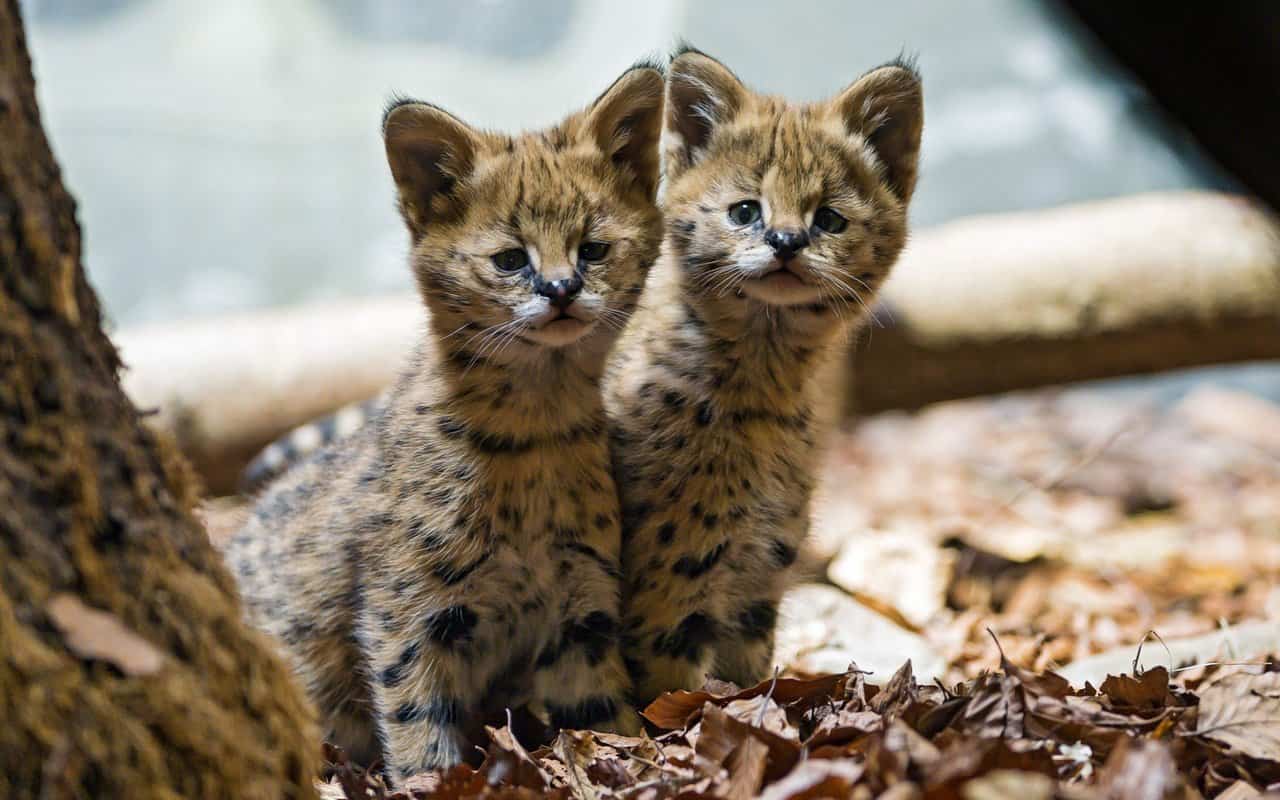
- Servals: These African wild cats are legal in a few states, but they require significant space, specialized diets, and experienced owners. They are not suitable for novice pet owners.
- Capybaras: The world's largest rodent, capybaras are surprisingly social and enjoy swimming. They are legal in some states but require access to water and plenty of grazing space.
Remember, even if these animals are legal in your area, owning them is a significant responsibility. Thorough research, proper permits, and a commitment to providing specialized care are essential. Always prioritize the animal's well-being and ensure that you can meet its unique needs before bringing any exotic pet into your home.
Question and Answer
Here are some frequently asked questions about the legality of owning exotic pets:
Q: Where can I find a comprehensive list of exotic animals that are legal in my state?
A: Contact your state's wildlife agency or department of natural resources. They typically have websites or publications that list prohibited and permitted species, along with permit requirements.
Q: What happens if I am caught owning an illegal exotic pet?
A: Penalties vary depending on the state and the species involved, but can include fines, confiscation of the animal, and even criminal charges.
Q: Do I need a permit to transport an exotic pet across state lines?
A: Yes, in most cases. You will need to comply with both the import regulations of the destination state and the export regulations of the origin state. Contact both states' wildlife agencies for specific requirements.
Q: What are some common reasons why an exotic animal might be illegal to own?
A: Common reasons include concerns about public safety, the potential for invasive species, animal welfare, and conservation of endangered species.
Conclusion of Can You Legally Own an Exotic Pet?
The world of exotic pet ownership is a complex and often confusing one. While the allure of owning a unique and fascinating animal is undeniable, it's crucial to approach this decision with careful consideration and a thorough understanding of the legal, ethical, and practical challenges involved. From navigating the patchwork of state and local laws to providing specialized care and addressing ethical concerns about animal welfare and conservation, responsible exotic pet ownership demands a significant commitment of time, resources, and effort. Before taking the plunge, be sure to do your research, consult with experts, and most importantly, prioritize the well-being of the animal above all else. Only then can you make an informed decision about whether exotic pet ownership is truly right for you.
0 Response to "Can You Legally Own an Exotic Pet?"
Post a Comment